Category: dietary supplement

  • How Much Muscle Can You Gain in a Year?

    How Much Muscle Can You Gain in a Year?

    When people gain weight through a committed strength training program, it involves more than just added muscle mass. A 10-to 20-pound weight gain typically includes not only muscle, but also fat, water, and carbohydrate storage. In short, it usually isn’t all lean muscle.
     
    The ability to gain muscle, and how much one gains, is dependent on age, sex, physical condition, genetics, diet quality and, of course, training program. As we get older, hormone levels can drop, and men tend to put on muscle more easily than women due to their higher testosterone levels.
     
    A good rule of thumb is that most healthy individuals can gain 1 to 2 pounds of lean muscle mass per month, at least in the early stages. After the first three months, a monthly increase of about half a pound is more likely over the longer run.
     
    Stuart Phillips, Ph.D., who has conducted many studies at McMaster University in Ontario, says he expects the average guy to gain 4 to 7 pounds of muscle in the first three months. Yet, that’s only if he’s either new to lifting or returning from a layoff. The more experienced and dedicated you are, the less you can gain. In other words, there are diminishing returns over time and the gains become harder to achieve.
     
    By Phillips’ measure, the average guy can expect to gain about 8-12 pounds of muscle over the course of a year. However, some guys may gain more or less than that.
     
    Regardless of the program or the supplements used, Phillips never sees average gains exceeding about a half-pound a week, which amounts to 26 pounds over the course of a year. But those guys are the genetic freaks, the ones everyone would like to be.
     
    Whether muscle comes easily to you or you’re a hard gainer, it all comes down to genetics. Some people have a predisposition and propensity to gain muscle easily, while others find such gains very difficult to come by.
     
    Building muscle usually equates to gaining weight, which requires eating more than your body needs to maintain its current size. That’s not desirable for someone who’s already overweight. And no, you cannot turn fat into muscle anymore than you can turn blood into bone. If you plan to gain muscle, prepare to gain weight, and some of it will be fat.
     
    Building muscle requires a very dedicated program of lifting at least three days per week, working all of the large muscle groups for 3-6 sets of 8-12 reps to failure. It’s important to give each muscle group a 48-hour break before training it again (i.e., Monday, Wednesday. Friday)
     
    It’s also critical to get eight hours of sleep every night, with essentially the same bed and wake times. Your body releases more growth hormone (GH) during sleep than at any other time. Research shows that 70% of the growth hormone humans release occurs during deep sleep (from 10pm-2am), and the more deep sleep you get, the more growth hormone you produce. Growth hormone is a vital part of muscle repair. Protein synthesis also occurs during sleep, which leads to the last factor for muscle growth.
     
    A high-protein diet is essential for muscle growth to occur. A common recommendation for gaining muscle is 1 gram of protein per pound of body weight. Though there are varying recommendations, this is a simple, easy formula to remember. Remember that in addition to animal sources, protein can be found in lots of non-animal sources, such as beans, legumes, seeds, nuts and nut butters. Then there’s also eggs and dairy. A whey-protein powder supplement can also be useful between meals and before bed.
     
    So, be prepared to train hard and often, to sleep well every night, and to eat plenty of calories, particularly protein. Always set realistic goals and remember that the one factor you can’t control is your genetics.

  • The Benefits of Whey Protein, and Why You Should Supplement

    The Benefits of Whey Protein, and Why You Should Supplement

    According to the Institute of Medicine, we all should consume between 10% to 35% of our daily calories from protein. Athletes and those who engage in regular strength training should aim toward the higher end of that range.  
     

    Though proteins are best derived from whole foods, if your diet is solid and you’re simply trying to add a protein supplement between meals, protein powder can be a useful addition to your diet.

    Most people eat about 10% of their protein at breakfast, about 20% at lunch and about 70% at dinner. However, protein intake should be spread out more evenly to increase protein synthesis, and protein powder can help you achieve that goal. What type of protein powder, you ask?


    Whey is one of the richest sources of branched-chain amino acids (BCAAs), including leucine, isoleucine and valine. These three gems have been shown to be absolutely critical for muscle growth, and even energy during workouts.

    Whey protein also provides antioxidant benefits, boosts immune function, and enhances muscle recovery and growth.

     
    Whey is the liquid remaining after milk has been curdled and strained. The most common whey protein foods include dairy foods such as yogurt, cottage cheese and ricotta.
     

    When you were a kid and read about Little Miss Muffet “eating her curds and whey,” she was actually eating cottage cheese, a great source of whey protein.

    Yet, many athletes and exercisers ingest much of their whey in the form of protein powder. However, not all whey protein powders are created equally. Some are made from concentrates, which are high in lactose.

    If you are lactose intolerant or can’t digest lactose properly (i.e., you get stomach cramps, gas and diarrhea), but you want a high-quality protein powder with excellent bioavailability, you might try a 100% whey protein isolate powder.

    The amount of lactose in whey protein isolate is quite low. The processing of whey into 100% isolate removes the lactose, lessening your chance of feeling gassy and bloated.

    What separates whey protein from other forms of protein is its digestion rate; whey digests very rapidly. In fewer than 30 minutes it can fast-track a good portion of its amino acids to your muscles, and that rapid delivery of aminos to muscle cells has been shown to be important for enhancing muscle growth.

    To be considered a great, whey protein the product MUST list whey protein isolate or hydrolyzed whey protein isolate as the very first ingredient. That’s because whey protein isolates are the purest form of protein you can get, with some being more than 90% protein. And “hydrolyzed whey protein isolate” means that high-quality whey has been pre-digested into smaller protein fragments for even faster digestion than regular whey isolate.


    Whey protein concentrate, on the other hand, goes through less filtering, which means fewer of the natural carbohydrates found in milk are removed. The result is a whey product that is much lower in protein content. Although most whey protein concentrates are somewhere between 70-80% protein, some can be less than 35% protein. This is why isolates and hydrolysates generally cost more.

    In order to know if a whey protein powder is top notch, you’ll need to do some math. Take the grams of protein per serving listed on the supplement facts panel and divide it by the serving size (in grams). This will give you the percentage of protein in each serving. To be considered a great whey protein powder, the percent protein per serving (or scoop) should be 80% or greater.

     
    If you are vegan, you might choose a non-dairy protein powder, preferably the organic variety. Pea protein powder and soy protein isolate are good choices. However, it’s important to recognize that not all plant proteins contain each of the nine essential amino acids (EEAs).
     
    EEAs cannot be made by the body. As a result, they must come from food. Animal-based foods have all nine of the EAAs and they are also higher in bioavailability, which is their ability to be absorbed and used by the body. Plant-based foods have lower bioavailability. 
     
    Soy is the only complete plant protein. Soy foods are also rich in vitamins and minerals. 
     
    It’s worth noting that plant proteins generally have less leucine, which is an essential amino acid. Leucine can: increase muscle growth and lean body mass, help in healing skin and bonesincrease production of human growth hormone (HGH), and may help control blood sugar.
     
    However, the following protein powders are good plant-based sources of leucine:
     
    • Soy protein isolate
    • Pea protein powder
    • Peanut powder
     
    Nonetheless, because it contains all of the essential amino acids and is easily digested, whey protein (including whey protein powder) is considered the gold standard. Add in the facts that whey protein can aid wound healing, boost immune function, provide antioxidant benefits, moderate blood sugar, and might even lower blood pressure, and whey protein should be your go-to powder. 
     
    Yet, what likely matters most to athletes and weight trainers is that whey is a complete, high-quality protein that promotes muscle growth. To that end, some studies show that whey protein may be slightly better than other types of protein, such as casein or soy.
     
    When choosing a hydrolyzed whey protein isolate, make sure to select one with no additives, preservatives or artificial sweeteners. You might want a natural vanilla or chocolate flavor, for example, but you don’t need any of the other junk that may be added. If the only ingredient is whey protein isolate or hydrolyzed whey protein, you’re getting purity, without any other fillers or low-quality garbage. 
  • Here’s Why, Perhaps, You Should Be Supplementing With Vitamin D

    Here’s Why, Perhaps, You Should Be Supplementing With Vitamin D

    Vitamin D is a fat-soluble vitamin that serves a number critical functions in the body. However, there’s a good chance you’re not getting enough of it.

    Vitamin D plays an important role in immune function. Not only does vitamin D enhance our immune systems, it also prevents our immune systems from becoming dangerously overactive. An overactive immune system leads to many autoimmune disorders in which your body can’t tell the difference between your healthy, normal cells and invaders.

    Additionally, a new study by researchers at University of South Australia finds that people with vitamin D deficiency are more likely to suffer from heart disease and higher blood pressure than those with normal levels of vitamin D. For study participants with the lowest concentrations of vitamin D, the risk of heart disease was more than double that seen for those with sufficient concentrations.

    Vitamin D is also very important for people with joint pain, and research shows that people with low levels of vitamin D may indeed suffer more joint pain. In fact, vitamin D deficiency can cause subtle widespread pain that may be misdiagnosed as fibromyalgia and/or chronic fatigue syndrome, including symptoms like muscle and bone aching, fatigue and weakness, a lower pain threshold, and more acute soreness after exercise that is slower to resolve.

    Though vitamin D is important for everyone, it is particularly vital for those who exercise vigorously and regularly. Vitamin D dramatically reduces muscle fatigue and studies show it decreases muscle recovery time by 20%. It can also reduce inflammation and increase muscle protein.

    High levels of vitamin D in the blood are also linked with better fitness, according to research from the Virginia Commonwealth University School of Medicine. In the study, published in the European Journal of Preventive Cardiology, 20- to 49-year-olds with better vitamin D status also tended to have greater cardiorespiratory fitness, a measure of aerobic fitness often determined by measuring maximal oxygen consumption (VO2max) during exertion.

    Lastly, vitamin D and calcium work together to protect your bones; calcium helps build and maintain bones, while vitamin D helps your body effectively absorb calcium. So even if you’re taking in enough calcium, it could be going to waste if you’re deficient in vitamin D. Ultimately, vitamin D is necessary for strong bones and it reduces the risk of fractures. If you don’t get enough vitamin D, you’re more likely to break bones as you age.

    Though your body needs vitamin D to absorb calcium, you don’t need to take vitamin D at the same time as a calcium supplement.

    But don’t forget magnesium! Vitamin D can’t be metabolized without sufficient magnesium levels, meaning vitamin D remains stored and inactive for as many as 50 percent of Americans. In addition, vitamin D supplements can increase a person’s calcium and phosphate levels even while that person remains vitamin D deficient.

    Vitamin D deficiency is more common than once suspected. Nearly 1 in 4 people in the US have vitamin D blood levels that are too low or inadequate for bone and overall health, according to the National Institutes for Health.

    The daily recommended amount of vitamin D for adults is 600 IU, but the upper limit is 4,000 IU. Some studies suggest that a higher daily intake of 1000–4000 IU is needed to maintain optimal blood levels. Going above 4000 IU may be toxic and should only be done under the supervision of a doctor or Registered Dietician.

    There are two major types of vitamin D:

    • Vitamin D2 (ergocalciferol) – which is synthesized by plants and is not produced by the human body

    • Vitamin D3 (cholecalciferol) – which is made in large quantities in the skin when sunlight strikes bare skin. It can also be ingested from animal sources

    Evidence suggests that vitamin D3 is approximately three times more effective at maintaining serum concentrations because the binding protein has a higher affinity to vitamin D3 than vitamin D2. This allows vitamin D3 to reside in the circulatory system longer and increase the concentration to sufficient levels more quickly.

    Most over-the-counter vitamin/multivitamin preparations use vitamin D3.

    Since vitamin D is fat-soluble, it is better to choose oil-based supplements or take it with food that contains some fat.

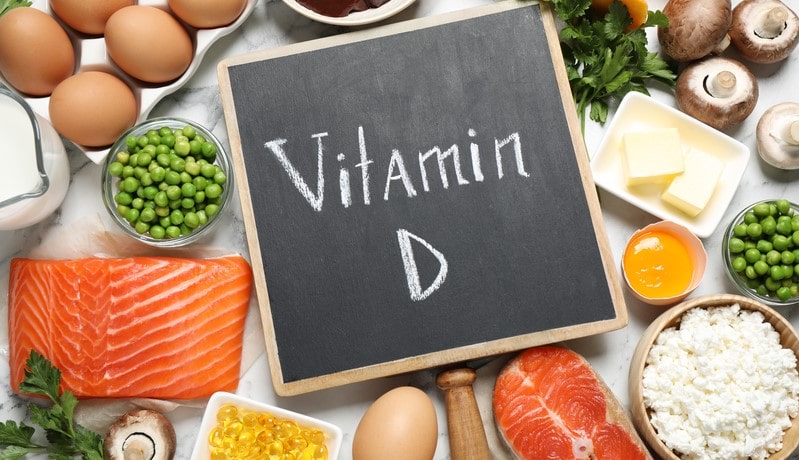
    Good dietary sources include fatty fish, fish oils, egg yolk, butter and liver. All of these contain fat.

    Vitamin D is special: It’s the only vitamin that we can make ourselves—our bodies create vitamin D in the form of a hormone when we process sunlight. When your skin is exposed to sunlight, it makes vitamin D from cholesterol. That’s why getting enough sunlight is very important for maintaining optimal vitamin D levels.

    Factors that impact the ability of the body to synthesize vitamin D through the skin include: time of year, time of day, the presence of clouds and/or smog, skin melanin content, the application of sunscreen, and geographic latitude. For example, residents at 42° N latitude or higher are unable to synthesize vitamin D via the skin during the winter months (from November through February).

    Assuming your diet is decent, if there’s only one supplement you should take for your health, it’s probably vitamin D.

  • Creatine: The Supplement That Really Works

    Creatine: The Supplement That Really Works

    Many nutritional supplements make dubious claims, offering unproven benefits. A great number have proven to be ineffective or even unsafe. Creatine, however, is one of the most widely researched sports supplements and there are no serious safety concerns associated with its use, assuming that it is consumed in recommended dosages.
     
    Creatine supplementation is typically divided into two phases: a loading phase and a maintenance phase. A typical loading phase comprises 20 grams of creatine (or 0.3 g/kg body weight) in divided doses four times a day for two to seven days. This is followed by a maintenance dose of 2 to 5 grams daily (or 0.03 g/kg body weight) for several weeks to months at a time (source: NSCA).
     
    Creatine has proven to be very effective; research shows that it improves performance and increases lean body mass in males, females and the elderly, as long as strength training is performed concurrently and consistently. The increases in lean mass associated with creatine result from an increase in the protein content of muscle tissue.
     
    Creatine is synthesized in the kidney, liver and pancreas, but is primarily obtained from the ingestion of meat or fish. However, strength and power athletes cannot eat enough meat or fish to supply their bodies with adequate creatine to improve performance. Hence, the need for supplementation. 
     
    Marketed as “nature’s muscle builder,” creatine is an energy-boosting performance enhancer. Quite simply, creatine is a form of stored energy for muscles, primarily used by athletes and weight trainers.
     
    Creatine helps provide energy to muscles during short-term, high-intensity exercise, making it ideal for strength and power athletes, rather than endurance athletes. Research shows that creatine supplementation during training can increase gains in 1-repetition maximum (1RM) strength and power.
     
    One of the primary benefits of creatine is that creates a resistance to muscle fatigue. Muscle cells take longer to tire out when they have extra creatine in reserve. Creatine is an energy intermediate that helps replenish the fuel molecule adenosine triphosphate (ATP). Simply put, creatine can help you lift weights longer than you can without it.
     
    In conclusion, creatine is safe, inexpensive and can increase your resistance to fatigue when weight training. It is the most legitimate sports supplement available.
  • The Miracle of Green Tea

    The Miracle of Green Tea

    Civilizations around the world have long used natural herbs and plants to treat sickness and pain. The Chinese, for example, have known about the medicinal benefits of green tea since ancient times, using it to treat everything from headaches to depression for at least 4,000 years.

    All tea comes from a plant called Camellia sinensis. Green tea’s protective benefits come from a powerful antioxidant, a polyphenol called EGCG. What sets green tea apart is the way it’s processed. Green tea leaves are steamed, which prevents the EGCG compound from being oxidized. Unlike black tea, green tea is not fermented, so its active ingredients remain unaltered. 

    Green tea provides more than 60 percent of the flavonoids available in the US diet. Flavonoids are plant compounds that have antioxidant and anti-inflammatory benefits. They also support a healthy vascular system and even modulate the destruction of cancer cells.

    Indeed, there is evidence showing that green tea can be effective in the prevention and treatment of certain types of cancer, including pancreatic, gastric, esophageal and skin cancers. Aside from inhibiting the growth of cancer cells, EGCG also kills cancer cells without harming healthy tissue. 

    Because our mouths are an oxygen-rich environment closely connected to our blood vessels, they provide an ideal habitat for the growth and rapid proliferation of cancer cells. Scientists have confirmed that green tea not only halts the growth of new oral cancer cells but it actually breaks down and kills existing oral cancer cells

    These effects alone are stunning, yet there are even more benefits of green tea, such as: preventing and treating high cholesterol, cardiovascular disease, rheumatoid arthritis, infection and impaired immune function.

    The antioxidant level of green tea is a hundred times more effective than vitamin C and twenty-five times better than vitamin E in protecting our immune systems. 

    Additionally, green tea acts as an anti-inflammatory and is also an antiviral agent. Moreover, it helps decrease body weight and BMI, aids digestion and helps maintain a healthy circulatory system, to name some further benefits.

    Not only has EGCG has been effective in lowering LDL cholesterol levels, it may be effective in lowering triglycerides. Green tea may also improve blood flow and inhibit the abnormal formation of blood clots. The latter takes on added importance when you consider that thrombosis (the formation of abnormal blood clots) is a primary cause of heart attacks and strokes.

    EGCG has been found to be twice as powerful as resveratrol, the polyphenol in red wine that limits the negative effects of smoking and a fatty diet. That may explain why the rate of heart disease among Japanese men is quite low, even though approximately 75 percent are smokers.

    The components in green tea may reduce the risk of getting dental cavities by reducing plaque formation, while also reducing bacterial infections in the mouth. Another benefit of green tea is that it stunts the growth of odor causing bacteria, thus helping you maintain fresh breath. Simply using it as a mouthwash can even be beneficial.

    So, just how much green tea should we be drinking? To fully obtain the benefits, it’s recommended that we have at least four to six cups a day.  

    Green tea has significantly lower levels of caffeine than coffee, thus fewer associated side effects, such as anxiety and insomnia. 

    So, are you sold yet? Perhaps it’s time to replace most of the other beverages in your diet (except water) with green tea.

    Enjoy and reap the benefits!