
Category: non-meat protein

  • The Benefits of Whey Protein, and Why You Should Supplement

    The Benefits of Whey Protein, and Why You Should Supplement

    According to the Institute of Medicine, we all should consume between 10% to 35% of our daily calories from protein. Athletes and those who engage in regular strength training should aim toward the higher end of that range.  
     

    Though proteins are best derived from whole foods, if your diet is solid and you’re simply trying to add a protein supplement between meals, protein powder can be a useful addition to your diet.

    Most people eat about 10% of their protein at breakfast, about 20% at lunch and about 70% at dinner. However, protein intake should be spread out more evenly to increase protein synthesis, and protein powder can help you achieve that goal. What type of protein powder, you ask?


    Whey is one of the richest sources of branched-chain amino acids (BCAAs), including leucine, isoleucine and valine. These three gems have been shown to be absolutely critical for muscle growth, and even energy during workouts.

    Whey protein also provides antioxidant benefits, boosts immune function, and enhances muscle recovery and growth.

     
    Whey is the liquid remaining after milk has been curdled and strained. The most common whey protein foods include dairy foods such as yogurt, cottage cheese and ricotta.
     

    When you were a kid and read about Little Miss Muffet “eating her curds and whey,” she was actually eating cottage cheese, a great source of whey protein.

    Yet, many athletes and exercisers ingest much of their whey in the form of protein powder. However, not all whey protein powders are created equally. Some are made from concentrates, which are high in lactose.

    If you are lactose intolerant or can’t digest lactose properly (i.e., you get stomach cramps, gas and diarrhea), but you want a high-quality protein powder with excellent bioavailability, you might try a 100% whey protein isolate powder.

    The amount of lactose in whey protein isolate is quite low. The processing of whey into 100% isolate removes the lactose, lessening your chance of feeling gassy and bloated.

    What separates whey protein from other forms of protein is its digestion rate; whey digests very rapidly. In fewer than 30 minutes it can fast-track a good portion of its amino acids to your muscles, and that rapid delivery of aminos to muscle cells has been shown to be important for enhancing muscle growth.

    To be considered a great, whey protein the product MUST list whey protein isolate or hydrolyzed whey protein isolate as the very first ingredient. That’s because whey protein isolates are the purest form of protein you can get, with some being more than 90% protein. And “hydrolyzed whey protein isolate” means that high-quality whey has been pre-digested into smaller protein fragments for even faster digestion than regular whey isolate.


    Whey protein concentrate, on the other hand, goes through less filtering, which means fewer of the natural carbohydrates found in milk are removed. The result is a whey product that is much lower in protein content. Although most whey protein concentrates are somewhere between 70-80% protein, some can be less than 35% protein. This is why isolates and hydrolysates generally cost more.

    In order to know if a whey protein powder is top notch, you’ll need to do some math. Take the grams of protein per serving listed on the supplement facts panel and divide it by the serving size (in grams). This will give you the percentage of protein in each serving. To be considered a great whey protein powder, the percent protein per serving (or scoop) should be 80% or greater.
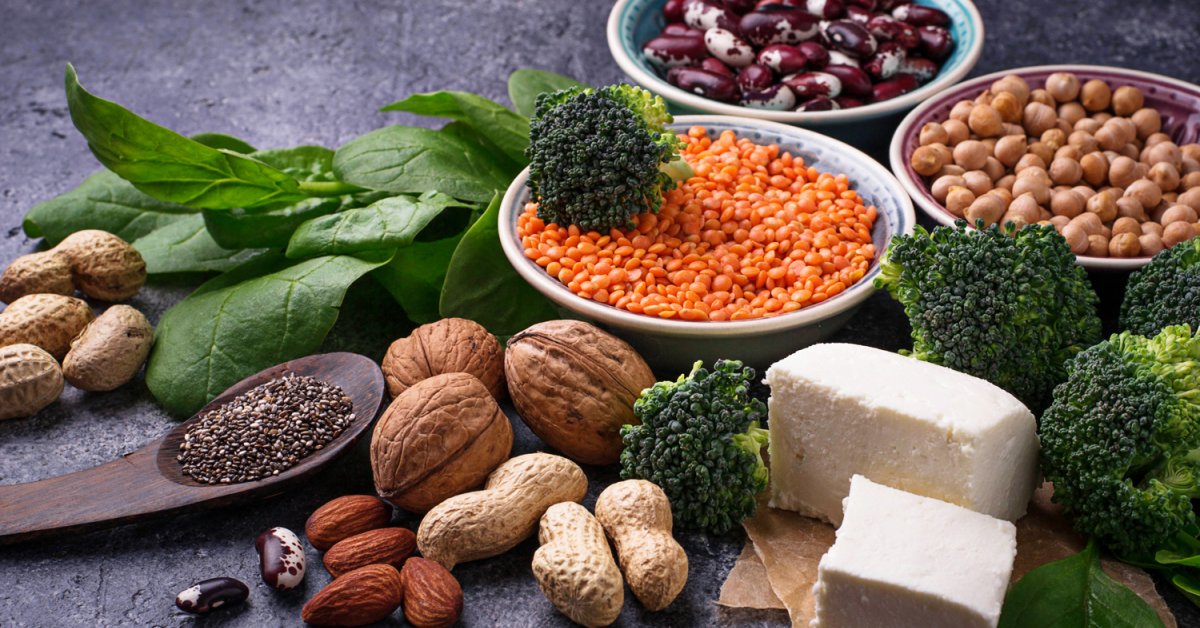
     
    If you are vegan, you might choose a non-dairy protein powder, preferably the organic variety. Pea protein powder and soy protein isolate are good choices. However, it’s important to recognize that not all plant proteins contain each of the nine essential amino acids (EEAs).
     
    EEAs cannot be made by the body. As a result, they must come from food. Animal-based foods have all nine of the EAAs and they are also higher in bioavailability, which is their ability to be absorbed and used by the body. Plant-based foods have lower bioavailability. 
     
    Soy is the only complete plant protein. Soy foods are also rich in vitamins and minerals. 
     
    It’s worth noting that plant proteins generally have less leucine, which is an essential amino acid. Leucine can: increase muscle growth and lean body mass, help in healing skin and bonesincrease production of human growth hormone (HGH), and may help control blood sugar.
     
    However, the following protein powders are good plant-based sources of leucine:
     
    • Soy protein isolate
    • Pea protein powder
    • Peanut powder
     
    Nonetheless, because it contains all of the essential amino acids and is easily digested, whey protein (including whey protein powder) is considered the gold standard. Add in the facts that whey protein can aid wound healing, boost immune function, provide antioxidant benefits, moderate blood sugar, and might even lower blood pressure, and whey protein should be your go-to powder. 
     
    Yet, what likely matters most to athletes and weight trainers is that whey is a complete, high-quality protein that promotes muscle growth. To that end, some studies show that whey protein may be slightly better than other types of protein, such as casein or soy.
     
    When choosing a hydrolyzed whey protein isolate, make sure to select one with no additives, preservatives or artificial sweeteners. You might want a natural vanilla or chocolate flavor, for example, but you don’t need any of the other junk that may be added. If the only ingredient is whey protein isolate or hydrolyzed whey protein, you’re getting purity, without any other fillers or low-quality garbage. 
  • Protein Isn’t Just Meat; There Are Lots of Non-Meat Protein Options

    Protein Isn’t Just Meat; There Are Lots of Non-Meat Protein Options

    Americans are pretty protein obsessed. So, as a result, few of us are protein deficient.

    Across the spectrum, for every gender and age group, people are eating about 15-20% of their calories from protein, which is well within the Acceptable Macronutrient Distribution Range (AMDR).
     
    The AMDR for protein is anywhere from 10-35% of total daily energy intake, according to the Institute of Medicine. On a 2,000 calorie/day diet, this amounts to 50-175 grams per day. That’s a very wide range.
     
    An average-protein diet would include 15% protein. A high-protein diet would include at least 25% protein, and the healthy range for protein extends up to 35% of daily calories, according to the U.S. Dietary Guidelines. So, any diet that has an intake of 25-35% protein would be considered a high-protein diet.
     
    If you prefer measurable amounts of protein to percentages, consider the following:
     
    Sedentary, generally healthy adults need about 0.8 grams of protein per kilogram of body mass, which is considered the recommended daily allowance (RDA). This means 55 grams for a 150-pound person and 72 grams for a 200-pound person. (To convert your weight in pounds to kilos, divide it by 2.2).
     
    That amount should allow protein turnover and prevent protein malnutrition; but that’s the bare minimum. Our protein requirements go up if we’re training hard, have a physical job, are injured, sick or recovering from surgery, and if we are losing protein due to chronic physical stress or poor digestion.
     
    For an athlete, the American College of Sports Medicine and Academy of Nutrition and Dietetics recommends 1.2 to 1.7 grams per kilogram of body mass, whereas the International Society of Sports Nutrition recommends 1.4 to 2 grams of protein per kilogram of body mass. Again, that’s a wide range and it provides some room for athletes to experiment. 
     
    Unfortunately, we can’t store protein like we store fat and carbohydrates, and our bodies are always breaking down and building up new proteins. This means protein is essential to our nutritional intake.
     
    It’s important to get a wide variety of protein sources because our body can’t make 9 of the essential amino acids that we require from food.
     
    I often have to remind my weight-training clients that there’s more to protein than just chicken and eggs; there are lots of excellent plant-based proteins as well. On the other hand, I have to remind vegetarian and vegan clients of these very same plant-based proteins, and to make sure that they meet their daily needs. Vegetarians and vegans just need to work a little harder to do so.
     
    What’s the difference between vegetarian and vegan diets?
     
    A vegetarian diet excludes meat, poultry, fish and seafood. A vegan diet excludes all meat and animal products, including dairy and eggs.
     
    Almost all foods actually contain protein and even though they’re not designated under the protein category, they contribute. For example, a fist-sized portion of broccoli has 3 grams of protein, a thumb-sized portion of peanut butter has about 3 grams, and a cupped handful of quinoa has about 5 grams.
     
    So, protein isn’t limited to beef, pork, poultry and fish, although these are all great animal sources.
     
    Excellent vegetarian sources of protein include: eggs; dairy, such as cottage cheese or plain Greek yogurt; and whey protein powder. These non-meat options offer a significant amount of protein.
     
    Vegan and vegetarian protein sources include: vegan protein powders, beans and legumes, tempeh, edamame and tofu.
     
    Beans and legumes deserve extra consideration because they are such excellent sources of protein, vitamins, minerals and fiber. Consequently, both are considered nutritional powerhouses. This makes them great alternatives to meat-based proteins.
     
    Most people are familiar with common varieties of beans, such as Great Northern, kidney, navy, pinto, white beans and black beans, for instance. Examples of legumes include peanuts, lentils, soybeans, green beans, peas, black-eyed peas and chickpeas (aka, garbanzo beans), which are used to make hummus.
     
    In addition to protein and fiber, most types of beans are excellent sources of other vital nutrients too, including potassium, selenium, zinc, iron, copper, phosphorus, manganese and magnesium.
     
    Simply put, beans and legumes are nutrient-dense foods that also happen to be low in calories (about 245 calories per cup). Yet, protein and fiber make you feel full longer, so this combination can have a double-whammy effect.
     
    A review of 26 studies found that a diet rich in beans and legumes can significantly lower LDL (bad) cholesterol, which is an important risk factor for heart disease. Additionally, eating beans has also been linked to higher HDL (good) cholesterol levels, as well as reduced inflammation, due to their high antioxidant levels.
     
    Some people may be concerned about the stomach gas often associated with beans, which is the result of a fiber known as raffinose. However, soaking and boiling beans reduces raffinose levels by up to 75 percent. Of note, canned beans, which most people are more likely to eat, come pre-soaked and boiled. The digestive tracts of those who eat beans regularly are likely well-adapted, eliminating those embarrassing emissions. If you don’t eat beans regularly, your gut flora (microbiome) will quickly adjust in about a week and any gassiness should soon subside.
     
    Though canned beans contain a significant amount of added sodium, thoroughly rinsing and draining them can cut the sodium content by about 40 percent.
     
    Beans are also inexpensive and easy to prepare, usually requiring nothing more than heating and, perhaps, seasoning.
     
    On the whole, beans and legumes are highly nutritious foods, offering numerous health benefits. They are a worthy staple of any good diet.
     
    Yet, there are many more excellent vegetarian protein sources.
     
    The following non-meat foods also contain plenty of protein:
     
    • Nuts and seeds (4-10 grams per 1 ounce serving): walnuts, cashews, pumpkin seeds, pistachios, sunflower seeds, almond butter, hemp, chia and flax seeds.
     
    • Grains (5-8 grams per cup): quinoa, brown rice, oats, millet and barley.
     
    • Soy (9-16 grams per ½ cup): tofu, edamame and tempeh.
     
    • Fruits and veggies such as avocado (4 grams per cup), dark leafy greens (about 5 grams per cup) and broccoli (4 grams per cup).
     
    • Dairy (milk, yogurt, cheese) and eggs provide 6-9 grams of protein per serving.
     
    There are many benefits to eating a well-balanced diet that includes vegetarian protein sources, including loads of fiber (which aids in digestion), and a wider variety of vitamins and minerals proven to reduce diabetes, cancer and heart disease.
     
    Here are some plant-based proteins that are also complete proteins, meaning they contain adequate amounts of all nine essential amino acids:
     
    • Tofu, Tempeh and Edamame
     
    Each of these is made from soybeans and all are excellent plant-based protein sources.
     
    A 3-ounce serving of tofu provides approximately 8 grams of protein.
     
    Three ounces of tempeh (made from fermented soybeans) contain 11 grams of protein.
     
    A 1/2 cup (4 oz) of whole edamame provides 8 grams of protein.
     
    These soy products also contain fiber, calcium, potassium and iron.
     
    • Quinoa
     
    One cup (8 ounces) of cooked quinoa provides approximately 8 grams of protein.
     
    In addition to being a complete protein, quinoa provides more magnesium, iron, fiber, and zinc than many common grains.
     
    • Amaranth
     
    This pseudocereal is a complete source of protein and has become a popular gluten-free grain alternative.
     
    One cup (8 oz) of cooked amaranth provides approximately 9 grams of protein.
     
    Amaranth is also an excellent source of manganese, magnesium phosphorus, and iron.
     
    • Buckwheat
     
    Though not as high in protein as quinoa or amaranth, the pseudocereal buckwheat is another plant-based complete protein. Despite its name, buckwheat is not a type of wheat. Therefore, it is gluten-free. Officially, buckwheat is not even a grain but rather a seed.
     
    One cup (8 oz) of cooked buckwheat groats provides approximately 6 grams of protein.
     
    Buckwheat is also a good source of many essential minerals, including phosphorus, manganese, copper, magnesium, and iron.
     
    • Spirulina
     
    A type of blue-green algae, this complete protein source can be easily added to smoothies for a boost of nutrition.
     
    Just 1 tablespoon of dried spirulina provides 4 grams of protein.
     
    Spirulina is rich in antioxidants and is a good source of several B vitamins, copper, and iron.
     
    • Hemp seeds
     
    Technically a nut, the edible whites inside of hemp seeds are referred to as hemp hearts and incredibly nutritious. Hemp hearts have a mild nutty flavor and can be sprinkled over yogurt or salads or added to smoothies.
     
    In addition to being a source of complete protein, hemp hearts are particularly rich in the essential fatty acids linoleic acid (omega-6) and alpha-linolenic acid (omega-3).
     
    Three tablespoons (30 grams) of raw, hulled hemp seeds boast an impressive 10 grams of protein.
     
    • Chia seeds
     
    Two tablespoons of chia seeds provide 4 grams of protein. They’re also a good source of omega-3s, iron, calcium, magnesium, and selenium.
     
    Chia seeds can be used raw as a topping for oatmeal or salads, mixed into baked goods, or added to yogurt and smoothies.
     
    The takeaway is that there are lots of healthful, nutritious, non-meat protein sources. This is important for omnivores, vegetarians and vegans alike. Omnivores have a lot of options in meeting their protein requirements. Vegetarians and vegans just need to be more focused. 
     
    Having lots of options makes meal planning easier. After all, as the old saying goes, variety is the spice of life.