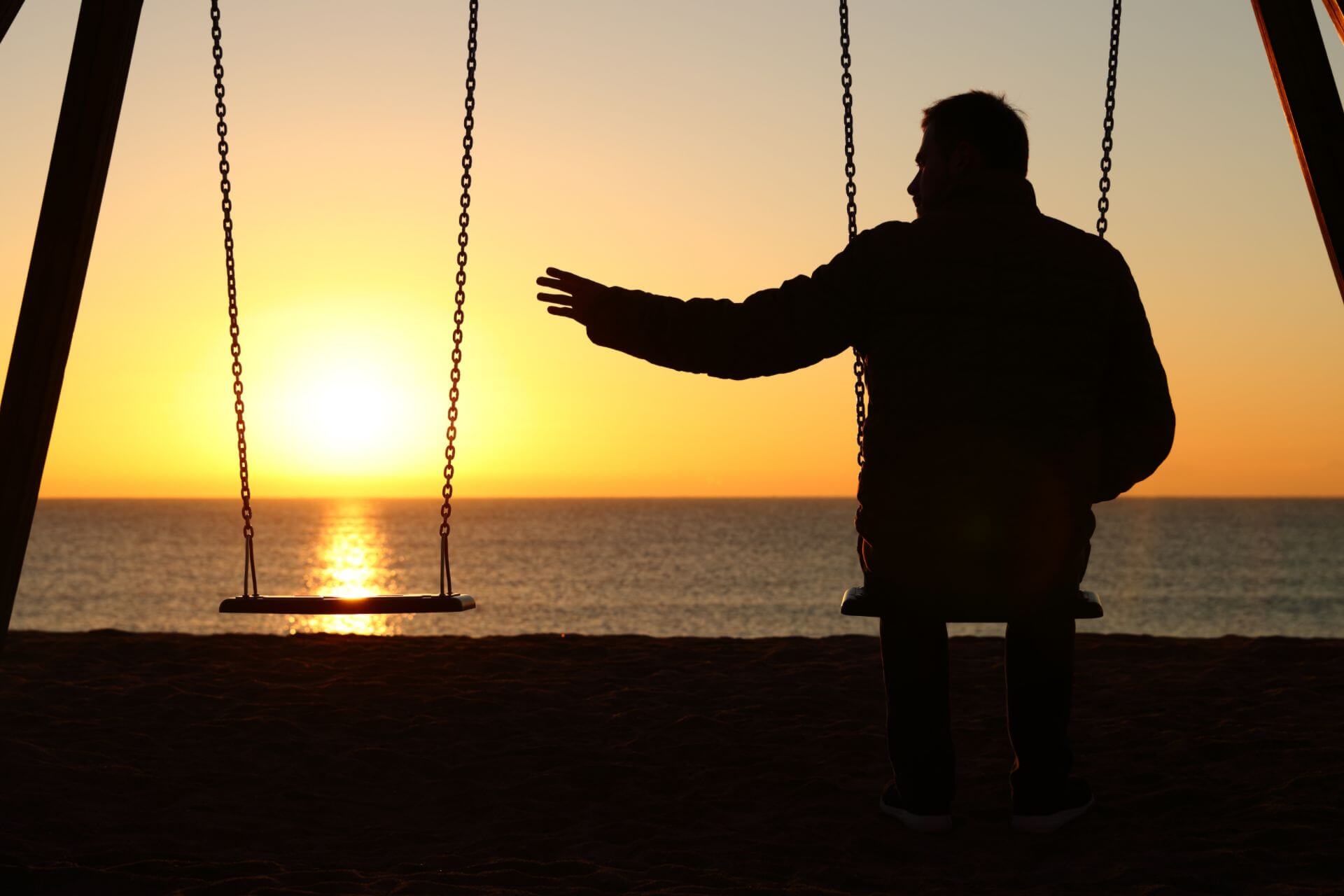
lone·li·ness| ˈlōnlēnəs | noun
sadness because one has no friends or company: feelings of depression and loneliness.
• the fact of being without companions; solitariness: the loneliness of a sailor’s life.
We’ve all felt lonely from time to time in our lives. But there’s something much deeper going right now, and it’s really troubling.
Loneliness rates are now at unprecedented highs. Multiple studies show that we’re in the midst of a growing loneliness epidemic. Even before the pandemic, nearly half of all Americans said they were lonely.
Covid only made the problem worse. Data collected in December 2021 found that 58% of US adults considered themselves lonely. Yet, the end of the pandemic surely hasn’t made loneliness go away.
With young adults, the problem of loneliness is even more pervasive. In a recent survey conducted by Cigna, researchers found that almost 80% of young adults from the ages of 18 to 24 reported feeling lonely.
However, loneliness isn’t just an American phenomena. It’s becoming a public health emergency in other nations too, so much so that countries like Japan and the United Kingdom have appointed Ministries of Loneliness to tackle the problem in recent years. There are good reasons for these concerted national efforts.
Chronic loneliness and isolation can harm both mental and physical health, contributing to conditions such as obesity, inactivity, high blood pressure, high cholesterol, anxiety and poor sleep, which increase the risk of cardiovascular disease and stroke.
Yes, loneliness actually takes a toll on our physical health. Loneliness can double the risk of Type 2 diabetes and has been linked to increased inflammation, heart disease, stroke and even premature death. Quite famously, a 2010 study by Brigham Young University found that loneliness shortens a person’s life by 15 years. Remarkably, chronically lonely people tend to have an 83% higher mortality risk than those who feel less isolated.
“Our epidemic of loneliness and isolation has been an underappreciated public health crisis that has harmed individual and societal health,” says US Surgeon General Dr. Vivek Murthy. He details how much social disconnection increases the risk of certain health issues: heart disease (29 percent), stroke (32 percent) and dementia (50 percent). All because we lack connection with others. We are fundamentally built for social connection. It’s hardwired into our human operating system.
Facebook, Twitter, and Instagram were supposedly going to solve this, but it seems just the opposite has happened. Studies reveal that the more time people spend on their devices, the more lonely they often feel. People are more connected now than ever — through phones, social media, Zoom, etc. — yet loneliness continues to rise. Among the most digitally connected — teenagers and young adults — loneliness nearly doubled between 2012-2018, coinciding with the explosion in social media use.
Anywhere you go in the world, the evidence shows that people who are more socially connected, people who interact and intentionally spend time with their friends and family members, are happier.
Neuroscience has validated the importance of connections and illustrates how the human brain is hardwired to form personal connections. For example, scientists describe how people’s experiences leave a physical imprint on their brains.
Experiences involving important social connections, such as love, friendship and family bonds, or those involving shame and trauma, physically register in the brain along neuropathways. Studies validate the influence of relational connections on physical and emotional well-being.
Social connections are so essential to the health and well-being of humans that they share a neurological pathway with physical pain. The human body and mind do not differentiate between physical pain and social rejection or isolation in terms of the amount of stress placed on the body. Brain‐imaging studies have demonstrated that neglect by one’s peers stimulates the same areas of the brain as does physical pain.
This is a real problem because less than half of American men report being satisfied with their friendships, and only about 1 in 5 said they had received emotional support from a friend in the last week, compared with 4 in 10 women, according to a 2021 survey from the Survey Center on American Life.
Thirty years ago, a majority of men (55%) reported having at least six close friends. Today, that number has been cut in half. Slightly more than one in four (27%) men now have six or more close friends. Fifteen percent of men have no close friendships at all, a fivefold increase since 1990.
One large survey showed that the number of Americans who say they have zero close friends has quadrupled in the past 30 years. The numbers are especially bleak for men, with only 48% saying they are satisfied with the number of friends they have.
It’s important to get connected with real people in real life, not just online or on social media. Reach out to old friends and re-cultivate lost or faded friendships. When you do go online, look for local groups that share your interests; Meet Up is a good example. There are men’s groups and men’s circles, for example, that provide a sense of kinship and belonging.
There are many, many reasons to avoid isolation and loneliness. Reach out. Get connected.