Category: weight training

  • Know Your Health; Know Your Biomarkers

    Know Your Health; Know Your Biomarkers

    America is not a healthy nation. The US spends more on health care than any other high-income country but still has the lowest life expectancy at birth and the highest rate of people with multiple chronic diseases, according to a 2023 report from The Commonwealth Fund, an independent research group. In fact, America is ranked No. 35 out of 169 countries in terms of overall citizen health, according to the Bloomberg Healthiest Country Index. This means that 34 countries are ahead of us.

    It’s easy to see why. Nearly 60% adults in the United States have at least one chronic disease, with the most common being heart disease, cancer, diabetes, arthritis, and obesity, according to the CDC. Consequently, biomarkers — objective measures of normal or abnormal processes or conditions or diseases —really matter. These might include blood pressure, resting heart rate, blood sugar levels, cholesterol levels, and body fat percentage, for example.

    Essentially half (47%) of American adults have high blood pressure (hypertension), according to the American Heart Association. That amounts to a whopping 122.4 million people. A normal blood pressure is less than 120/80 mmHg. A blood pressure of 140/90 mmHg or more is too high. People with levels from 120/80 mmHg to 139/89 mmHg have a condition called pre-hypertension, which means they are at high risk for high blood pressure.

    Having high blood pressure puts you at risk for heart disease and stroke, which are leading causes of death in the United States. However, most people who have hypertension do not experience any symptoms. People usually discover that they have hypertension following a routine blood pressure check.

    Another all-too-common disease in the US is diabetes, which is diagnosed when a person’s A1C levels are 6.5% or higher.

    According to the CDC, 11.3% of the US population has diabetes, and 23% of adults are undiagnosed. This means that more 34% of the adult population likely has diabetes. Yet, about 90-95% of people with diabetes have type-2, which is preventable. Additionally, about 98 million American adults (more than 1 in 3) have pre-diabetes. If you get the sense that diabetes is a crisis in the US, you’re right. Having diabetes also raises the risks for other chronic conditions.

    For example, if you have diabetes, you are twice as likely to have high blood pressure. Chronic diseases are often linked.
    Diabetes is the top cause of kidney failure, causing nearly half (47%) of new cases. About 1 in 3 adults with diabetes may have kidney disease. High blood pressure is the second most common cause of kidney failure, causing 27% of new cases. In fact, 1 in 5 adults with high blood pressure may have kidney disease. Are you getting the sense that many of the most common chronic diseases are linked?

    Quite astonishingly, as many as 37 million Americans have kidney disease, meaning it affects 14% of American adults. In fact, kidney disease is the fastest-growing noncommunicable disease in the US, and it’s one of the top 10 causes of death.

    The kicker is that all of the above are preventable; it’s within our hands to heal or prevent them. But there’s more.

    High LDL (bad) cholesterol levels in the bloodstream may increase the risk of heart disease and cardiovascular events like stroke. Normal cholesterol in adults is less than 200 mg/dL; borderline high is 200 to 239 mg/dL. Yet, about 86 million US adults age 20 or older have total cholesterol levels above 200 mg/dL, according to the CDC. And nearly 25 million adults in the US have total cholesterol levels above 240 mg/dL.

    The latest data indicate that 39.6% of US adults are obese, and another 31.6% are overweight. Taken together, 71.2%, or nearly three-quarters, of American adults are either overweight or obese. This comes at a tremendous cost to our national wellbeing. Overweight and obesity may increase your risk for developing health problems, such as diabetes, heart disease, stroke, and certain cancers, according to the National Institutes of Health.

    Excess body fat is associated with high levels of LDL (bad) cholesterol and triglycerides, as well as low levels of HDL (good) cholesterol. It also impairs the body’s responsiveness to insulin, raising blood sugar and insulin levels. Excess body fat contributes to major causes of death and disability, including heart attacks, strokes, high blood pressure, cancer, diabetes, osteoarthritis, fatty liver, and depression. Yet, when it comes to health, the issue is not how much you weigh but how much abdominal fat you have. Research shows that abdominal fat is the worst of the worst because it is a major contributor to cardiovascular disease.

    Waist circumference is an indicator of the health risks associated with excess fat around the waist. A waist circumference of 40 inches or more in men, or 35 inches or more in women, is associated with health problems such as type 2 diabetes, heart disease, and high blood pressure. Ideally, everyone should aim to keep their waist measurement less than half that of their height, according to scientists. That means a 6ft (72 inch) tall man should aim to keep his waist less than 36 inches, while a 5ft 4in (64 inch) woman should keep hers under 32 inches.

    Metabolic syndrome is a cluster of conditions that increases the risk of heart disease, stroke and diabetes. Metabolic syndrome includes obesity, high blood pressure, high blood sugar, high triglycerides, and irregular cholesterol levels. The risk of metabolic syndrome increases with age, and about 1 in 3 adults have metabolic syndrome.

    Heart disease remains the leading cause of death in the US, as it has been for the past 100 years. Stroke is the fifth leading cause of death. Together, they claimed more lives in 2021 in the U.S. than all forms of cancer and chronic lower respiratory disease combined. High blood pressure, high blood cholesterol, and smoking are key risk factors for heart disease. Yet, diabetes, overweight and obesity can also put people at a higher risk for heart disease.

    The links between all of these chronic diseases is striking. Having high blood pressure puts you at risk for heart disease and stroke. If you have diabetes, you are twice as likely to have high blood pressure. Yet, people with high blood pressure usually have insulin resistance and have an increased risk of developing diabetes compared to those with normal blood pressure. So the relationship between diabetes and high blood pressure is a two-way street. Diabetes is the top cause of kidney failure. High blood pressure is the second most common cause of kidney failure. High LDL (bad) cholesterol levels in the bloodstream may increase the risk of heart disease and stroke. Overweight and obesity may increase your risk for developing a wide array health problems, such as diabetes, heart disease, stroke, and certain cancers.

    Link after link after link. The connection between chronic conditions is stark.

    Yet, being thin doesn’t necessarily mean that you’re healthy. Thin people might still have cancer, diabetes or heart disease, for example.

    Health is comprehensive and encompasses a number of factors including nutrition, exercise, sleep, stress levels, lifestyle choices, and more. Weight is just one small piece of the puzzle and should never be used as the sole indicator of overall health.

    Wellness requires us to think holistically and address all indicators of health. Obsessing and stressing over one factor, such as weight status, can stunt progress and lead to decreased mental wellbeing.

    It’s important to recognize that medical interventions contribute less than 10% to overall health. Meanwhile, nutritional status accounts for a remarkable 80%. Nutrition addresses the root causes of diseases, whereas drugs often only alleviate symptoms. What we eat really matters… a lot.

    We know that exercise certainly improves health and wellness. Yet, a staggering 80% of US adults and adolescents are insufficiently active, according to the Journal of the American Medical Association. What’s more, those leading sedentary lifestyles face a 20-30% higher risk of mortality compared to those who participate in at least 30 minutes of moderate exercise most days of the week, according to the World Health Organization.

    Numerous studies show that consistent exercise decreases the risk of cardiovascular disease, type 2 diabetes, many cancers, cognitive decline and mental illness. Meanwhile, a sedentary life is associated with an increase in cardiometabolic disease and shortened lifespans.

    While there are many reasons that people exercise, in my view it shouldn’t be about having the best butt or bigger biceps; it’s about being a happier, more fulfilled, more self-satisfied person. Everyone recognizes that exercise can change your body, but it can also change your mood, your attitude, and even your mind.

    Wellbeing is not just the absence of disease or illness. It’s a complex combination of a person’s physical, mental, emotional, and social health factors. Wellbeing is strongly linked to happiness and life satisfaction. In short, wellbeing could be described as how you feel about yourself and your life.

    Researchers agree that health-related quality of life is multi-dimensional and includes domains that are related to physical, mental, emotional and social functioning, and the social context in which people live. That said, loneliness and social disconnectedness are two of the greatest challenges of the modern era. Social isolation and loneliness are now considered demonstrated risk factors for depression and cancer. Our social connections, or lack thereof, really affect our health.

    Loneliness takes a toll on our health. It can lead to high blood pressure, and an increased risk of cardiovascular disease and stroke. Loneliness has been linked to the progression of Alzheimer’s, raising the likelihood of dementia by 40%. And it can also double the risk of Type-2 diabetes. One study found that loneliness can be as much of a long-term risk factor as smoking. As a consequence, chronically lonely people tend to have an 83% higher mortality risk than those who feel less isolated.

    Brigham Young University researchers have revealed that loneliness is deadlier than obesity and should now be considered a major public health hazard. They discovered that lonely people had a 50% increased risk of early death, compared to those with good social connections. In contrast, obesity raises the chance of dying before the age of 70 by around 30%. Humans are social animals. We need community, we need friends. While solitude may be nice sometimes, loneliness isn’t.

    Research also shows that mindset really matters when it comes to health, and it can even extend your life. A classic study found that people who were optimistic about aging lived seven and a half years longer than those who had negative perceptions of it.

    The takeaway is that our health is mostly in our own hands. We can be proactive and we can largely control our own destiny. We are not fated to ill health, even if our parents or grandparents had specific diseases. Most of the diseases that modern Americans suffer from are lifestyle disease, meaning they’re the result of the way we live and the choices we make.

    We can make better choices to improve our health, the quality of our life, and even our life expectancy. We also need to remember that stress reduction and social connection play a big role in our wellbeing. We can do better, and we must do better. Our very lives depend on it.

    It’s preferable that your doctor tells you that you look better on the inside than on the outside. Your biomarkers really matter, and you should know them.

  • What Is Your Body Type?

    What Is Your Body Type?

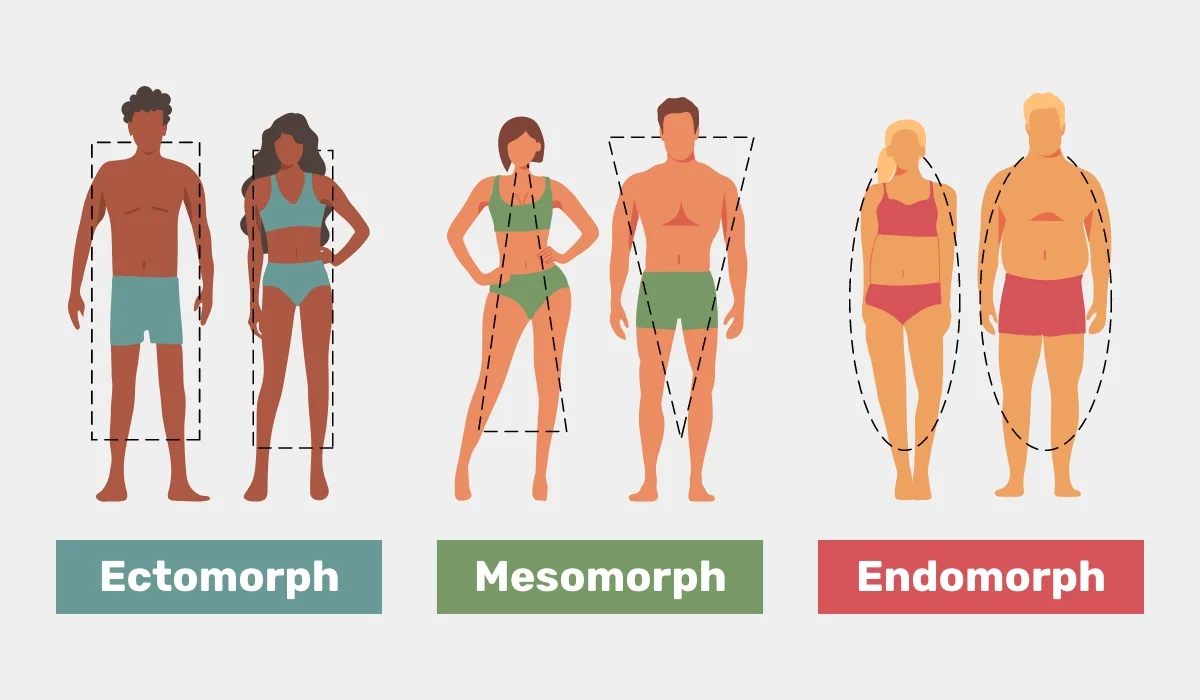
    One’s body type, or somatotype, describes their body composition or the amount of muscle and fat their body tends to comprise. There are three body types — endomorph, mesomorph, and ectomorph — and each is related to overall body composition. 
     
    Endomorphs have bodies that are rounded and soft (think apple or pear shaped), with shorter, thicker arms and legs; mesomorphs are athletic and muscular; and ectomorphs are slender, with thin arms and legs. 
     
    More specifically, endomorphs are stocky, with a larger midsection and hips. Their bodies hold more fat, which is easy to gain and difficult to lose. Endomorphs have a slower metabolism and are more likely to be sedentary. Though they may be heavy and carry lots of body fat, endomorphs can be quite strong. Participants in strongman competitions are likely to be endomorphs.  
     
    Mesomorphs have athletic, muscular bodies, with broad shoulders and narrow waists. They have a higher metabolism and can gain muscle and lose fat fairly easily. Most athletes in sports that require speed, strength, power and coordination tend to be mesomorphs. Most people who exercise would like to have a mesomorphic body, whether that’s realistic or not.
     
    Ectomorphs have narrow shoulders and hips, with longer limb segments. They are the classic ’skinny’ body type. They have a very high metabolism that makes it difficult to gain either muscle or fat. Ectomorphs seem to able to eat almost anything and everything without gaining an ounce. As athletes, ectomorphs are likely to be distance runners. However, they aren’t likely to excel at sports requiring power and strength. 
     
    However, most people are some combination of these body types. For example, one might be a cross between an endomorph and a mesomorph, or a cross between an ectomorph and a mesomorph. For each of these body types, an appropriate diet makes a big difference in the results they will get from a workout program.
     
    One study, published in the National Center for Biotechnology Information, found that men were most likely to be endomorphic/mesomorphs and women were most likely to be mesomorph/endomorphs. Another study of men and women, also published in the National Center for Biotechnology Information, found that the average distribution of somatotypes is 51.6% endomorphic/mesomorphs, which was by far the highest percentage found in the study. In fact, 65% of men in this study were endomorphic/mesomorphs. Next up were mesomorph/endomorphs (17.1% ), and mesomorphic/endomorphs (16.7%). After that, the percentages for each cross type fell into the low single digits (6.1% balanced mesomorphs, and 3.0% ectomorphic/mesomorphs). The study also showed that somatotype classification is not static and can shift over time. So, we can eat and train in a way that will change our bodies. 
     
    Those who are predominately ectomorphic need a diet and training program that focuses on protein intake and muscle mass gain. Since it is difficult for these people to put on mass and maintain it, their workouts should focus on building muscle (hypertrophy) and strength. There should be less focus on cardiorespiratory training and calorie burning. Ectomorphs need to focus on getting adequate calories and high-quality nutrition that will help them gradually gain mass. Ectomorphs need high levels of protein in the range of 1.2 to 1.6 grams per kilogram body weight per day, which is optimal for muscle growth. Since ectomorphs can eat virtually anything without gaining weight, they need to be careful of eating junk foods/calories that are absent nutrition. Quality still counts for ectomorphs. Fats and carbohydrates can be eaten in copious amounts, but the nutritional value of everything eaten still matters, even if fat gain is not an issue. Meals should be eaten frequently throughout the day. Protein shakes can be a helpful way to get adequate protein and calories. 
     
    Those who are primarily endomorphic need a diet that focuses on reduced calorie intake, limited carbohydrates, higher protein, and frequent training sessions to stimulate metabolism. Workouts that focus on aerobic capacity and cardiovascular function should be prioritized. In the gym, interval training and circuits can be utilized to raise heart rate and improve metabolic conditioning. Rest periods should be minimized. Additionally, endomorphs should do cardiovascular exercise most days of the week and should at least take a long walk every day. Avoiding a sedentary lifestyle is critical. 
     
    Mesomorphs not only have the physique that most others aspire to, they also have an easier time with both eating and training. They carry more muscle and therefore have a higher metabolism too. They get great results with less work. They gain muscle mass rather easily and quickly. On the other hand, they don’t gain fat easily, despite eating high calorie diets. Mesomorphs need a high protein diet in the range of 1.2 to 1.6 grams per kilogram body weight per day, perhaps even higher in some cases. The balance can come from a variety of healthy carbs and fats. 
     
    Through sheer force of will, strict dieting and dedicated, focused training, some endomorphs and ectomorphs can take on the physical qualities or mesomorphs. It’s hard work — a lot harder than for mesomorphs themselves — but it can be done. Again, you need to train hard and often, and you need to focus on your diet, with a strong emphasis on your macronutrient composition, with a high percentage (25%-35%) of proteins.  
  • Don’t Quit Working Out; Don’t Let Your Efforts Go To Waste

    Don’t Quit Working Out; Don’t Let Your Efforts Go To Waste

    An exercise program is viewed by many as akin to climbing a mountain; once you’ve reached the summit or goal, you walk back down to tell everyone about your accomplishment and celebrate.
     
    In reality, exercise is more like walking up a downward escalator; if you stop moving, you start losing ground and moving backward.
     
    For example, athletes can start to lose their muscle strength in about three weeks if they’re not working out, according to a 2013 study. Athletes typically lose less overall muscle strength during a break than non-athletes. Newbies and less frequent gym-goers will see declines more quickly and evidently.
     
    Strength and power will decrease before muscle size actually decreases, which occurs after 4-6 weeks of inactivity. This means your physique isn’t the first or best sign of the decline that results from an exercise layoff. Strength losses are deceptive.
     
    Your aerobic capacity (endurance) will also begin to decline after about a two-week layoff. In fact, detraining typically occurs faster with aerobic capacity than it does for muscular strength. A couple of days off can be good for recovery, especially if you’ve been working out really hard. It’s the longer breaks that should be avoided.
     
    So, if you’ve spent months working hard at the gym and getting yourself into shape, you can lose all your hard-earned gains after just a one-month layoff.
     
    I always tell people that it’s easier to stay in shape than it is to get in shape.
     
    The key is not to give up. You’ve worked too hard and spent too much time to let it all slip away.
     
    The reality is that there is no fitness savings account to bank on after you stop working out. Your fitness level accrues only as long as you maintain it. Once you stop, your ‘balance’ starts to fall. Fitness is an active and ongoing process. 
     
    The simple message is: Don’t quit! Exercise is really good for you, physically and mentally. Letting all those hard-earned gains just slip away is a bad idea and, ultimately, a recipe for disappointment and regret.
     
    Stay the course. Stay in Motion!
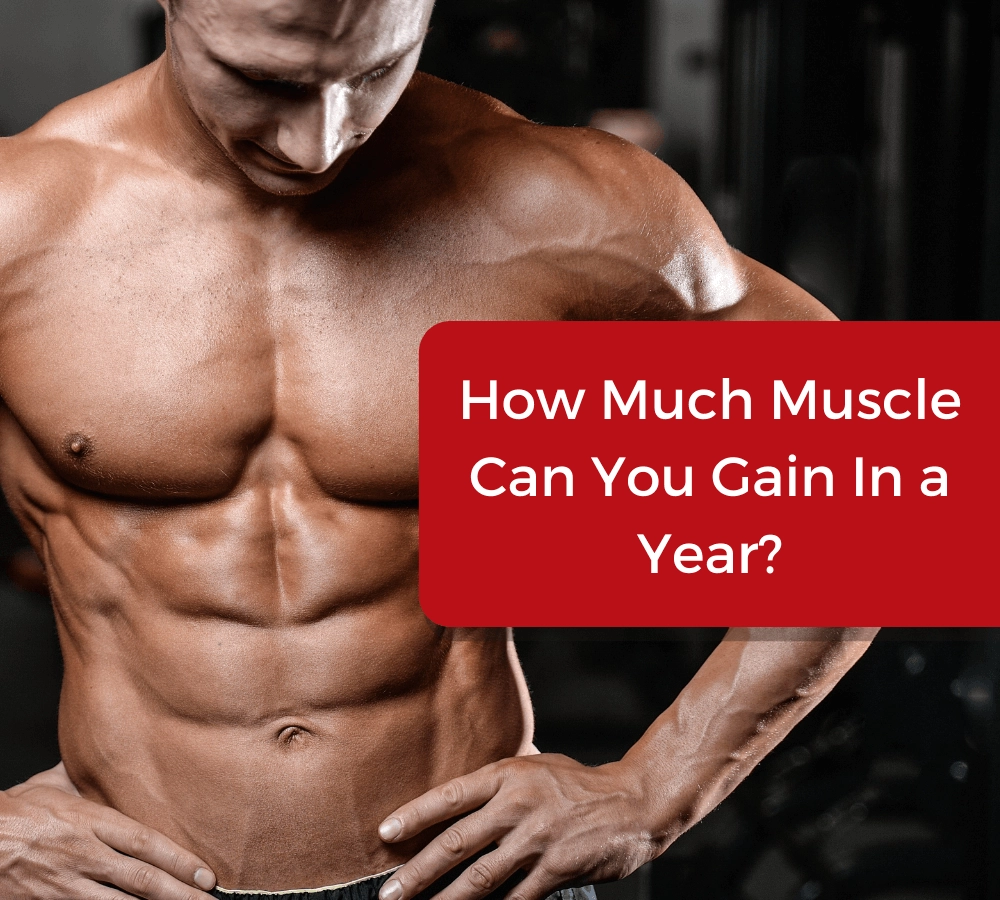
  • How Much Muscle Can You Gain in a Year?

    How Much Muscle Can You Gain in a Year?

    When people gain weight through a committed strength training program, it involves more than just added muscle mass. A 10-to 20-pound weight gain typically includes not only muscle, but also fat, water, and carbohydrate storage. In short, it usually isn’t all lean muscle.
     
    The ability to gain muscle, and how much one gains, is dependent on age, sex, physical condition, genetics, diet quality and, of course, training program. As we get older, hormone levels can drop, and men tend to put on muscle more easily than women due to their higher testosterone levels.
     
    A good rule of thumb is that most healthy individuals can gain 1 to 2 pounds of lean muscle mass per month, at least in the early stages. After the first three months, a monthly increase of about half a pound is more likely over the longer run.
     
    Stuart Phillips, Ph.D., who has conducted many studies at McMaster University in Ontario, says he expects the average guy to gain 4 to 7 pounds of muscle in the first three months. Yet, that’s only if he’s either new to lifting or returning from a layoff. The more experienced and dedicated you are, the less you can gain. In other words, there are diminishing returns over time and the gains become harder to achieve.
     
    By Phillips’ measure, the average guy can expect to gain about 8-12 pounds of muscle over the course of a year. However, some guys may gain more or less than that.
     
    Regardless of the program or the supplements used, Phillips never sees average gains exceeding about a half-pound a week, which amounts to 26 pounds over the course of a year. But those guys are the genetic freaks, the ones everyone would like to be.
     
    Whether muscle comes easily to you or you’re a hard gainer, it all comes down to genetics. Some people have a predisposition and propensity to gain muscle easily, while others find such gains very difficult to come by.
     
    Building muscle usually equates to gaining weight, which requires eating more than your body needs to maintain its current size. That’s not desirable for someone who’s already overweight. And no, you cannot turn fat into muscle anymore than you can turn blood into bone. If you plan to gain muscle, prepare to gain weight, and some of it will be fat.
     
    Building muscle requires a very dedicated program of lifting at least three days per week, working all of the large muscle groups for 3-6 sets of 8-12 reps to failure. It’s important to give each muscle group a 48-hour break before training it again (i.e., Monday, Wednesday. Friday)
     
    It’s also critical to get eight hours of sleep every night, with essentially the same bed and wake times. Your body releases more growth hormone (GH) during sleep than at any other time. Research shows that 70% of the growth hormone humans release occurs during deep sleep (from 10pm-2am), and the more deep sleep you get, the more growth hormone you produce. Growth hormone is a vital part of muscle repair. Protein synthesis also occurs during sleep, which leads to the last factor for muscle growth.
     
    A high-protein diet is essential for muscle growth to occur. A common recommendation for gaining muscle is 1 gram of protein per pound of body weight. Though there are varying recommendations, this is a simple, easy formula to remember. Remember that in addition to animal sources, protein can be found in lots of non-animal sources, such as beans, legumes, seeds, nuts and nut butters. Then there’s also eggs and dairy. A whey-protein powder supplement can also be useful between meals and before bed.
     
    So, be prepared to train hard and often, to sleep well every night, and to eat plenty of calories, particularly protein. Always set realistic goals and remember that the one factor you can’t control is your genetics.
  • The Benefits of Whey Protein, and Why You Should Supplement

    The Benefits of Whey Protein, and Why You Should Supplement

    According to the Institute of Medicine, we all should consume between 10% to 35% of our daily calories from protein. Athletes and those who engage in regular strength training should aim toward the higher end of that range.  
     

    Though proteins are best derived from whole foods, if your diet is solid and you’re simply trying to add a protein supplement between meals, protein powder can be a useful addition to your diet.

    Most people eat about 10% of their protein at breakfast, about 20% at lunch and about 70% at dinner. However, protein intake should be spread out more evenly to increase protein synthesis, and protein powder can help you achieve that goal. What type of protein powder, you ask?


    Whey is one of the richest sources of branched-chain amino acids (BCAAs), including leucine, isoleucine and valine. These three gems have been shown to be absolutely critical for muscle growth, and even energy during workouts.

    Whey protein also provides antioxidant benefits, boosts immune function, and enhances muscle recovery and growth.

     
    Whey is the liquid remaining after milk has been curdled and strained. The most common whey protein foods include dairy foods such as yogurt, cottage cheese and ricotta.
     

    When you were a kid and read about Little Miss Muffet “eating her curds and whey,” she was actually eating cottage cheese, a great source of whey protein.

    Yet, many athletes and exercisers ingest much of their whey in the form of protein powder. However, not all whey protein powders are created equally. Some are made from concentrates, which are high in lactose.

    If you are lactose intolerant or can’t digest lactose properly (i.e., you get stomach cramps, gas and diarrhea), but you want a high-quality protein powder with excellent bioavailability, you might try a 100% whey protein isolate powder.

    The amount of lactose in whey protein isolate is quite low. The processing of whey into 100% isolate removes the lactose, lessening your chance of feeling gassy and bloated.

    What separates whey protein from other forms of protein is its digestion rate; whey digests very rapidly. In fewer than 30 minutes it can fast-track a good portion of its amino acids to your muscles, and that rapid delivery of aminos to muscle cells has been shown to be important for enhancing muscle growth.

    To be considered a great, whey protein the product MUST list whey protein isolate or hydrolyzed whey protein isolate as the very first ingredient. That’s because whey protein isolates are the purest form of protein you can get, with some being more than 90% protein. And “hydrolyzed whey protein isolate” means that high-quality whey has been pre-digested into smaller protein fragments for even faster digestion than regular whey isolate.


    Whey protein concentrate, on the other hand, goes through less filtering, which means fewer of the natural carbohydrates found in milk are removed. The result is a whey product that is much lower in protein content. Although most whey protein concentrates are somewhere between 70-80% protein, some can be less than 35% protein. This is why isolates and hydrolysates generally cost more.

    In order to know if a whey protein powder is top notch, you’ll need to do some math. Take the grams of protein per serving listed on the supplement facts panel and divide it by the serving size (in grams). This will give you the percentage of protein in each serving. To be considered a great whey protein powder, the percent protein per serving (or scoop) should be 80% or greater.

     
    If you are vegan, you might choose a non-dairy protein powder, preferably the organic variety. Pea protein powder and soy protein isolate are good choices. However, it’s important to recognize that not all plant proteins contain each of the nine essential amino acids (EEAs).
     
    EEAs cannot be made by the body. As a result, they must come from food. Animal-based foods have all nine of the EAAs and they are also higher in bioavailability, which is their ability to be absorbed and used by the body. Plant-based foods have lower bioavailability. 
     
    Soy is the only complete plant protein. Soy foods are also rich in vitamins and minerals. 
     
    It’s worth noting that plant proteins generally have less leucine, which is an essential amino acid. Leucine can: increase muscle growth and lean body mass, help in healing skin and bonesincrease production of human growth hormone (HGH), and may help control blood sugar.
     
    However, the following protein powders are good plant-based sources of leucine:
     
    • Soy protein isolate
    • Pea protein powder
    • Peanut powder
     
    Nonetheless, because it contains all of the essential amino acids and is easily digested, whey protein (including whey protein powder) is considered the gold standard. Add in the facts that whey protein can aid wound healing, boost immune function, provide antioxidant benefits, moderate blood sugar, and might even lower blood pressure, and whey protein should be your go-to powder. 
     
    Yet, what likely matters most to athletes and weight trainers is that whey is a complete, high-quality protein that promotes muscle growth. To that end, some studies show that whey protein may be slightly better than other types of protein, such as casein or soy.
     
    When choosing a hydrolyzed whey protein isolate, make sure to select one with no additives, preservatives or artificial sweeteners. You might want a natural vanilla or chocolate flavor, for example, but you don’t need any of the other junk that may be added. If the only ingredient is whey protein isolate or hydrolyzed whey protein, you’re getting purity, without any other fillers or low-quality garbage. 
  • Sean Kennedy: Health & Happiness Coach

    Sean Kennedy: Health & Happiness Coach

    Though my professional titles have long been Certified Strength & Conditioning Specialist and National Board Certified Health & Wellness Coach (what a mouthful!), I’ve long thought of myself as a Health & Happiness Coach.
     
    I’m less interested in helping people build a physical monument to themselves (or their egos) than I am in helping them be happier, more confident and more self-fulfilled. I try to get people to focus less on the amount of fat or muscle on their bodies and more on reducing stress, improving self-esteem, sleeping better, lowering blood pressure and resting heart rate, developing better mobility and balance, and building stronger bones, ligaments and tendons, as well as muscles.
     
    A single workout increases neurotransmitters like dopamine, serotonin and noradrenaline, and these mood boosters can also improve your memory and focus for up to three hours afterwards. Research shows that exercise even lowers anxiety levels, and it does it rather quickly — in about 10 minutes. So, exercise helps your mental health, as well as your cognition. Even a brisk walk can help boost your neurotransmitters and mood.
     
    Scientists at Duke University Medical Center tested three groups with depression. One was prescribed exercise; one was prescribed Zoloft; and the third was prescribed a combination of the two. Remarkably, the group that just exercised had the best results. And exercise seemed to do a better job of keeping the depression symptoms from coming back.
     
    Indeed, exercise has a multitude of positive effects; it even helps your brain grow new neurons. During a process called neurogenesis, new neurons (brain cells) develop in the hippocampus, the brain region responsible for learning information, storing long-term memories, and regulating emotions.
     
    Exercise also promotes brain plasticity by stimulating growth of new connections between cells in many important cortical areas of the brain.
     
    Yes, exercise even leads to a happier, healthier brain!
     
    The physical, emotional and mental benefits of exercise are numerous. So, there are bountiful reasons make regular exercise part of your weekly or even daily life.
     
    Yet, our wellbeing can be affected by more than just exercise.
     
    For example, there is a vital connection between the brain and the gut, where 90% of our serotonin receptors are located. The truth is, the foods we eat not only affect our physical health, but also our emotional wellbeing.
     
    Ultra-processed foods and foods that contain chemical additives negatively affect our gut health and increases our risk of illness. Ultra-processed foods, such as fast foods, are typically cheap, and they’re scientifically designed to be extra tasty and make you overeat. Even worse, ultra-processed foods are known cause inflammation and disease.
     
    On the other hand, a recent study found that fiber might be linked with a reduced risk of depression, especially in pre-menopausal women. Previous studies had already suggested the benefits of fiber for mental health. The link between dietary fiber and depression may be partially explained by gut-brain interactions, since fiber improves the richness and diversity of gut microbiota. It’s theorized that changes in gut-microbiota composition may affect neurotransmission.
     
    Additionally, according to the Cleveland Clinic, protein consumption (from foods like fish, beef, chicken, turkey, tofu, beans, eggs and unsweetened yogurt) has been linked to higher levels of dopamine and norepinephrine, the brain chemicals that play a role in your mood, motivation and concentration.
     
    So, our diets can indeed affect our mood state and mental wellbeing, as well as our physical wellbeing.
     
    Finding healthy ways to manage our stress is also very important. The stress hormone cortisol is known to interfere with immune functioning and even the workings of the cardiovascular system. In fact, stress is an underrated, yet profound, factor in the development of cardiovascular disease. Stress exacerbates cholesterol levels, raises blood pressure and heart rate, and it often creates the kind of pressure that prevents a person from engaging in enough healthy self-care activities.
     
    So, it’s important to find healthy ways to mitigate and manage stress. Lowering your stress levels with relaxation techniques, such as meditation, can reduce your risk of health problems.
     
    However, people often turn to unhealthy coping mechanisms, such as food, alcohol, drugs and impulsive shopping to cope with life’s stresses. Yet, these things ultimately make our stresses even worse in the long run. Meditation, on the other hand, can be helpful in managing stress and anxiety, as well as a variety of other health conditions. Research studies have shown that regular meditation can actually change the physical structure and cognitive function of the brain.
     
    Ultimately, true wellness requires a comprehensive, holistic approach, where all of these factors are considered and implemented.
     
    It may seem intuitive or self-evident that being unhealthy could make someone unhappy, and there’s evidence to support that notion. A study at George Mason University found that the degree to which a disease disrupts daily functioning is associated with reduced happiness. According to the lead author of the study, “these results support the notion that health status is one of the most important predictors of happiness.”
     
    A study of the “Economic Determinants of Happiness,” based on data gathered by the U.S. Census, revealed that health is a far more powerful determinant of an individual’s happiness than his or her income, marital status, age or any other factor. In fact, self-described “healthy” people are 20 percent happier than average, while “unhealthy” people are 8.25 percent less happy.
     
    Okay, but how about the inverse? Can being happy make you more healthy?
     
    According to researchers at Southern Methodist University, there is plenty of evidence to suggest that people’s overall sense of life satisfaction and typical levels of happiness are linked to physical health.
     
    And, according to Harvard Medical School, scientific evidence suggests that positive emotions can help make life longer and healthier.
     
    Furthermore, according to Northwestern Medicine, happiness lowers your risk for cardiovascular disease, lowers your blood pressure, enables better sleep, improves your diet, allows you to maintain a normal body weight through regular exercise and reduces stress.
     
    Clearly, happiness and health are interrelated. And most research suggests that the connection between happiness and health is bidirectional. This means that greater wellbeing leads to better physical health, and better physical health leads to greater wellbeing. One thing leads to the other.
     
    This is why I have always taken a “whole-being” approach to health and wellness. We can’t simply focus on having a little less body fat, bigger biceps or a better butt and expect to be necessarily healthier and/or happier. Certainly, seeing improvements in your physique can be positive and uplifting. But adequate sleep, good nutrition and stress reduction are also vital to our overall wellbeing.
     
    Seeing verifiable improvements in your biomarkers (i.e., blood pressure, resting heart rate, LDL cholesterol, etc.) is not only a clear indication of improving physical health, it also gives you a big boost emotionally and mentally — even if your biceps don’t get any bigger or your butt doesn’t necessarily look better.
     
    Ultimately, exercise, a nutritious diet, meditation, and other forms of self-care can make us healthier, happier, and mentally sharper, all of which are very worthwhile pursuits.
     
    If you’d like help in forging a healthier lifestyle, please reach out to me. It could very well make you happier, too!
  • Good Habits Can Have a Domino Effect

    Good Habits Can Have a Domino Effect

    We all have various reasons that we work out, assuming we do so at all. For some, it’s to relieve stress and anxiety. Some may feel a great sense of pride and accomplishment afterwards. For others, working out may be a vanity project that provides a sense of confidence and the ability to fit into tight jeans or proudly wear a tank top or a backless dress.
     
    Yet, health outcomes, not simply appearance, should be your main motivation. It’s well established that the health benefits of exercise go beyond the physical. Once you make exercise part of your routine, you may notice a host of psychological benefits, such as feeling more energized, less stressed, and sleeping better.
     
    As you begin to notice how much better exercise makes you feel, the more you’ll want to do it regularly. At that point, exercise becomes a habit. What’s most important is to perform the activities you really enjoy, which will help you adhere to your program.
     
    It’s said that old habits are hard to break and new habits are hard to form. This is especially true with exercise. If you’re not in the habit of exercising, remaining physically inactive is effortless. To create the habit of exercising, however, takes a lot of resolve, determination and effort.
     
    The more consistent an action is, the more likely it is to become a habit. This means that exercising every day is more likely to result in habit formation. One useful idea is to schedule your exercise for a given time each day, as you would with a personal trainer. Accountability is critical to maintaining your schedule and forming a habit.
     
    As Charles Duhigg, author of The Power of Habit notes, “When people start habitually exercising, even just once per week, they start changing other, unrelated patterns in their lives, often unknowingly. They often start eating better, becoming more productive, smoking less and feeling less stressed. It’s not completely clear why. But, for many people, exercise is a keystone habit that triggers widespread, positive change.”
     
    Researchers asked some study participants to write down what they ate once a week. This keystone habit, food journaling, created a structure that helped other habits to flourish. Six months into the study, these participants had lost twice as much weight as the other study participants.
     
    Unfortunately, 42 percent of Americans are obese, according to the CDC, and another 30 percent or so qualify as overweight. So, roughly three-quarters of our population has an unhealthy bodyweight. Because of this, many people view exercise solely as a means of weight loss. But there’s a whole lot more to it than that. The mental and emotional components of exercise cannot be emphasized enough.
     
    Exercise has been shown to increase grey matter in the brain, according to research published by the Mayo Clinic. Exercise also promotes brain plasticity by stimulating the growth of new connections between cells. Consequently, exercise improves cognitive ability and memory. 
     
    Furthermore, exercise releases chemicals, such as endorphins and serotonin, that improve your mood. As noted, exercise not only enhances self-esteem, it also reduces anxiety and depressed mood.
     
    “There’s good epidemiological data to suggest that active people are less depressed than inactive people. And people who were active and stopped tend to be more depressed than those who maintain or initiate an exercise program,” says James Blumenthal, PhD, a clinical psychologist at Duke University.
     
    Yet, there’s no denying the impact that exercise can have on our physical health and our ability to function well, aka, perform our activities of daily living.
     
    Don’t wait until your doctor tells you to exercise! At that point, too much time will have been lost.
     
    More than 1-in-3 adults, about 92.1 million people, have at least one type of cardiovascular disease, which is preventable.
     
    In fact, many forms of chronic illness are preventable. According to the CDC, the health-risk behaviors we can change include: lack of exercise/physical activity, poor nutrition, tobacco use and excessive alcohol use. These four behaviors cause much of the illness, suffering and early death related to chronic diseases and conditions. In essence, they are bad habits that can be corrected.
     
    It’s important to remember that health is not just about food and exercise. Everyone would benefit from things such as meditation, learning a new skill, developing a new hobby, and/or growing your social network. Each of these things can make you a healthier person in measurable ways. 
     
    If you’re new to exercise or haven’t done it in a long time, start slowly. Don’t take the attitude that you can get fit today or even this week. Allow your body time to adjust to the demands you’re placing on it. Your exercise routine should be progressive, growing in either intensity or duration as your fitness level gradually improves.
     
    The physical effects of exercise — such as weight loss, lower blood pressure or a lower resting heart rate — take time and patience; you may not see your numbers move for weeks to months.
     
    The mood boost from exercise, however, is often immediate, offering near-instant gratification. Alleviating mood disorders, such as anxiety or depression, may take longer, but the mental and emotional effects of exercise are often immediately tangible.
     
    The most important takeaway is that good habits can have a domino effect, with one healthy change leading to another and so on. After committing to a few healthy acts, we’re less likely to back-step and commit unhealthy acts. After all, no one wants to undermine their own progress.
     
    Start with the easiest change you can think of; pick the low hanging fruit first. Once you’ve created a healthy daily habit that lasts a couple of weeks, add another easy-to-achieve step. View these changes as rungs on a ladder; take them one step at a time. Be consistent and be progressive. But don’t take on too much, too soon. 
     
    Small victories lead to a sense of pride, achievement and accomplishment. These are all empowering and rewarding feelings. Ultimately, one good change will lead to another.
  • How Your BMR and RMR Contribute to Your Weight Status

    How Your BMR and RMR Contribute to Your Weight Status

    If you’ve ever weighed yourself before bed at night and again in the morning, you may have been surprised that you lost anywhere from 1-3 pounds. This is fairly normal. We all lose weight at night while sleeping.
     
    How much we lose overnight depends on whether we get enough sleep, how much water we excrete, and our basal metabolic rate (BMR), which is largely determined by the amount of muscle we have (muscle is quite metabolically active).
     
    The body is in an entirely aerobic state while we’re sleeping, since it uses only fat to operate in such a low-energy state (carbohydrates are used only for higher energy demands). Our heart, brain and other organs all need energy to maintain basic functions while we’re sleeping.
     
    In one hour of sleep, most people burn 0.4 to 0.5 calorie for every pound of body weight. For example, a 150-pound person would multiply 150 by 0.4 or 0.5 to get 60 to 75 calories used in one hour of sleep. After eight hours of sleep, that person has burned 480 to 500 calories.
     
    A 200-pound person would burn 80-100 calories per hour, or 640-800 calories during eight hours of sleep.
     
    This may seem unbelievable, but it’s true. You’re burning calories all day long — even while sleeping — just to stay alive; that’s your BMR. Additionally, energy is also expended by digesting your food and from non-exercise daily movements, such as brushing your teeth, getting dressed and pouring your morning coffee. This additional expenditure is known as your resting metabolic rate (RMR).
     
    For American women, the average BMR is 1,493 calories. For American men, the average BMR is 1,662 calories.
     
    Your BMR accounts for about 70 percent of the calories you burn every day (in general, men have a higher BMR than women). This is critically important since there is no way we can exercise away all the calories we consume each day.
     
    Muscle is the single most important predictor of how well you metabolize your food, burn calories, and burn body fat. However, beginning in our late 20s, we start losing muscle, which means our metabolism also starts declining. A consistent weight training program can stop this decline and even reverse it.
     
    There are approximately 3,500 calories in a pound of stored body fat. If you subtract 3,500 calories each week through diet, exercise or a combination of both, you will lose one pound of body weight.
     
    On average, 75 percent of this is fat and 25 percent is lean tissue, which is why it’s so important to strength train while attempting to lose weight; you don’t want to lose your precious muscle along with that unwanted fat. Muscles at rest burn three times more calories than fat, so maintaining or increasing muscle mass influences BMR.
     
    In simple terms, if you’re seeking to lose weight, aim for a 500-calorie deficit each day of the week (7 x 500 = 3,500).
     
    As a guide, the American College of Sports Medicine (ACSM) recommends that women never drop their calorie-intake level below 1,200 per day and men should not go below 1,800 calories per day.
     
    So, back to where we started: it’s possible for a 150-pound person to lose about 1 pound each week simply by sleeping eight hours every night. Remember, a person of this weight burns roughly 500 calories while sleeping each night. Sleep is very valuable!  In fact, sleep deprivation has been linked to an increase in weight.
     
    Clearly, much of this 1-pound of weight loss is water, not just fat (we lose water gradually each night through respiration and perspiration), but burning 500 calories overnight while sleeping is no small matter.
     
    The average person eliminates about 1.2 liters of water in urine each day, and also eliminates about 1 liter a day through perspiration and respiration. That’s 2.2 kilograms (almost 5 pounds) of weight fluctuation happening throughout the day.
     
    So, don’t get caught up in the daily fluctuations of your body weight. You can gain up to 5 pounds during the day just from your food and beverage intake — but it’s not all fat!
     
    Your BMR, non-exercise daily movements, and your daily exercise routine should allow you to at least maintain your present weight. To lose weight, however, you’ll have to reduce your daily caloric intake.
     
    You weigh less in the morning than during the rest of the day because you don’t (normally, at least) eat and drink during the night. Remember that two cups of water (16 ounces or one pint) weighs one pound, so drinking a tall glass of water will temporarily be reflected in your weight.
     
    The most accurate time to weigh yourself is first thing in the morning, when you have an empty stomach. Weighing yourself while naked will also give you a more accurate reflection of your weight. 
     
    Lastly, always weigh yourself on the same scale. Even if it’s off by a pound or so, it will be relative to itself and still reveal any upward or downward movements. Different scales may give you different results, which can be misleading or even maddening.
  • Train to Maintain Strong, Healthy, Stable Shoulders

    Train to Maintain Strong, Healthy, Stable Shoulders

    One of the consequences of modern living is that many people have poor posture — most notably, rounded, internally rotated shoulders. This poor posture results in pain, limited movement, and also diminished, shallow breathing, which leaves people oxygen deprived and tired.
     
    Everyday things — such as using a smartphone, using a computer, sitting for extended periods, writing, drawing, cooking, driving and carrying heavy objects (including babies and children) — can all lead to rounded shoulders (aka, poor posture) and poor shoulder function.
     
    Being hunched forward not only affects appearance (ever see a clothing model or a mannequin with slumped shoulders?), it also increases stress on the shoulder joints and can cause pain around the neck and upper back.
     
    A person standing with their arms at their sides has a natural inward arm rotation of about 15 degrees. This is the neutral position of the arm. Problems arise when the arm rotates too far inward, disrupting the shoulder and causing joint pain and injury. Indeed, excessive internal arm rotation is one of the most common musculoskeletal imbalances of the shoulder girdle.
     
    Exercises that focus on external rotation of the arm at the shoulder socket (the glenohumeral joint) can help alleviate rounded shoulders, while building strength and stability in the joint.
     
    The rotator cuff is a very critical muscle group, but it is also very vulnerable. Many middle-aged and older people have very poor shoulder function because they have a faulty rotator cuff. This is usually attributed to weak rotator cuff muscles (particularly the external rotators) and relatively strong deltoid muscles.
     
    In addition to rotating the humerus (upper arm), the rotator cuff is also responsible for stabilization of the humerus inside the shoulder joint.
     
    There’s an old axiom about joints: the more stable they are, the less mobile they are (think of your elbow). Conversely, the more mobile they are, the less stable they are (think of your shoulder).
     
    One of the primary problems with the shoulder is that it is a highly mobile ball-and-socket joint. Another problem is that the internal rotators of the shoulder are much bigger and stronger than the external rotators. Consequently, the external rotators are typically the weakest link in the shoulder joint.
     
    The rotator cuff muscles predominantly stabilize the glenohumeral joint, but also contribute significantly to movement.
     
    The four rotator cuff muscles are:
     
    • Supraspinatus (the most frequently torn tendon in the shoulder)
    • Infraspinatus
    • Teres minor
    • Subscapularis
     
    The external rotators of the shoulder are the infraspinatus, teres minor and posterior deltoid, the latter of which is not part of the rotor cuff. So, just two of the four rotator cuff muscles perform external rotation of the upper arm.
     
    Subscapularis is the main internal rotator of the shoulder. It is also the largest and strongest cuff muscle.
     
    The other internal rotators are the latissimus dorsi (the widest muscle in the human body), pectoralis major (a large, powerful muscle), teres major and anterior deltoid.
     
    So, the internal rotators outnumber the external rotators five to three.
     
    Given the size and strength of the internal rotators, they easily overpower the smaller (and fewer) external rotators. For this reason, regularly strengthening the external rotators is critical to good shoulder health and injury prevention.
     
     
    However, since the external rotators of the shoulder joint are located on the posterior aspect (back) of the body, many people neglect them when training (out of sight, out of mind).
     
    Regular and consistent strengthening of the latissimus dorsi and pectoralis major can result in a shortening and tightening of these internal rotators and, over time, a weakening of the external rotators, particularly if they are ignored. This leads to dysfunctional, imbalanced shoulders.
     
    A sound exercise program should include exercises that strengthen the external rotators, which will create joint balance and lessen the chances of shoulder injury. Ideally, your exercises should stabilize, strengthen and protect your shoulder joints, giving you pain-free movement and healthy, highly functional shoulders.
  • Closed Chain vs. Open Chain Exercises

    Closed Chain vs. Open Chain Exercises


    Some of my clients have heard me refer to “closed-chain” and “open-chain” kinetic exercises (kinetic relates to movement or motion).
     
    The “chain” I’m referring to is the kinetic chain of the body. All of your bones and muscles are connected in a chain; therefore the movements you make are also part of that kinetic chain.
     
    Do you remember the song “Dem Bones” from your childhood?
     
    Toe bone connected to the foot bone
    Foot bone connected to the heel bone
    Heel bone connected to the ankle bone
    Ankle bone connected to the shin bone
    Shin bone connected to the knee bone
    Knee bone connected to the thigh bone
    Thigh bone connected to the hip bone
    Hip bone connected to the back bone
    Back bone connected to the shoulder bone
    Shoulder bone connected to the neck bone
    Neck bone connected to the head bone
    Dem bones, dem bones gonna walk around
     
    It’s true! Our bones, tendons and ligaments are just a series of connected links in our human chain, which is powered and pulled by our muscles.
     
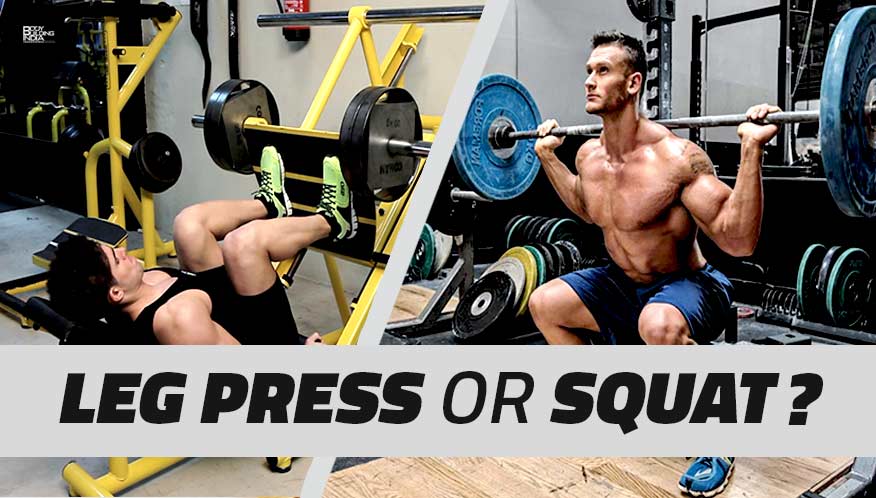
    In a closed chain, the end of the chain farthest from the body is fixed. A good example is the squat, in which your feet are fixed on the floor and the rest of the leg chain (and torso) moves. In open-chain exercises, the end is free, such as during a seated leg extension.
     
    During open-chain exercises, your hand or foot is free to move, such as when performing a triceps extension or a hamstring curl. These types of movements tend to isolate a single muscle group and a single joint. In an open-chain movement, the end of the chain farthest from the body — usually the hand or foot, and referred to as the “distal aspect of the extremity” — moves freely and is not fixed to an object.
     
    When weight is added to an open-chain exercise, it is usually placed at the distal portion of the limb, such as the hand or foot. Examples of open-chain exercises include chest presses, biceps curls, leg curls and leg extensions.
     
    In the closed chain, movement at one segment produces movement at all the other joints. For example, during a squat, the movement at the knee joint is accompanied by movement at the hip and ankle joints. In essence, closed-chain exercises work multiple joints and multiple muscle groups at once.
     
    During closed-chain exercises, your hands or feet are in a constant, fixed position (usually on the ground), such as when performing pushups. In a closed-chain movement, the distal end of the extremity is fixed, emphasizing joint compression and, in turn, stabilizing the joints.
     
    As a result, closed-chain exercises are safer for your joints—especially the knee joint—because the force involved is compressive, meaning it actually stabilizes the joint and helps to strengthen it.
     
    In contrast, open-chain leg exercises — such as knee extensions or hamstring curls — produce shear force, which stresses the knee joint (and the ACL) and are more likely to result in injury.
     
    I typically refrain from having my clients use the knee-extension machine. This movement is performed with the thigh fixed to the machine, and the force generated by the quadriceps moves the tibia (shin bone) across the femur (thigh bone). I prefer the squat — a closed-chain exercise — in which the trunk, hip and knee extensors act as prime movers, moving the femur across the tibia, which (along with the foot) is the fixed distal segment. The squat is a safer, more real-world exercise, since it better stimulates motor recruitment patterns of the central nervous system (CNS), compared to the knee extension.
     
    This is not to say that open-chain exercises are neither safe or useful, because they often are. Some therapists will use open-chain exercises for rehabilitation and these exercises are also ideal when training for a sport that requires the use of open-chain activities, such as throwing a ball.
     
    I employ both open-chain and closed-chain exercises in my training sessions, but there is no doubt that I favor the closed-chain variety.
     
    Closed-chain exercises work many muscle groups at once, which means that you can get more return from the energy expended. Closed-chain exercises also better mimic activities of daily living, which means they improve your “functional” fitness. They’re also great for athletes because sports require the movement of multiple joints and muscles all at once. Open-chain exercises isolate joints and muscles in a way that is uncommon in many athletic movements or daily activities.
     
    Examples of closed-chain exercises include pushups, pull-ups, squats and lunges, all of which can be done with or without added weight.
     
    If an athlete, for example, uses an open-chain leg press in attempt to develop explosive strength for sprinting, they will never achieve optimal performance using this alone.
     
    However, alternating between open and closed-chain exercises serves to more fully develop both the CNS and the musculature due to the variety of recruitment patterns needed. An example would be performing both squats and leg presses, pull-ups and pull-downs, and/or pushups and chest presses, in the same workout.
     
    A variety of movements and exercises will achieve the best results, but the closed-chain exercises should comprise the bulk of your workouts.