Author: Sean Kennedy

  • Proper Hydration Vital to Good Health and Exercise

    Proper Hydration Vital to Good Health and Exercise

    Water is your body’s principal chemical component and constitutes about 60 percent of your body weight. Every system in your body depends on water. Lack of water can lead to dehydration, which prevents your body from carrying out normal functions. Even mild dehydration can drain your energy, create fatigue and even cause headaches and nausea.

    Your ability to perform exercise can decline with a very small amount of dehydration. Losing just 2% of your body weight in fluid can decrease performance by up to 25%.
     
    Adults produce an average of about 1 – 2 liters of urine per day, depending on their state of hydration, activity level, environmental factors, weight and the individual’s health. But we lose water in more ways than one.
     
    In addition to urine, we are constantly losing water through sweat and even breathing. Since the body excretes water to maintain body temperature, we lose even more when we exercise.
     
    Sweating is a primary means of thermoregulation, since the evaporation of sweat from the skin has a cooling effect. Hence, in hot weather, or when your muscles heat up due to exertion/exercise, more sweat is produced. All of that water must be replaced.
     
    The volume of water lost in sweat daily is highly variable, ranging from 100 milliliters to 8 liters per day. Maximum sweat rates of an adult can be up to 2-4 liters per hour or 10-14 liters per day. However, during average intensity exercise, sweat loss can average up to 2 liters of water per hour.
     
    So how much water do you need to consume to offset these losses?
     
    The Institute of Medicine says adult men actually need about 13 cups (3 liters) of fluid per day, while adult women need about 9 cups (2.2 liters) of fluid (you get about an additional 2 1/2 cups of fluid from foods). The bigger you are, the more water you need. And if you exercise, you need even more water.
     
    In the summertime, or if you live in a warm climate, you’ll also need to drink more water than the recommended amount. That’s because heat can make you sweat more and lose fluids faster.
     
    Monitor your urine color will tell you how hydrated you are. Lighter urine color means you’re generally well-hydrated. If it’s darker, you are most likely dehydrated.
     
    Older adults are more likely to become dehydrated because their sense of thirst declines. Pregnant women and nursing mothers need slightly more water. Additionally, some medications, such as antihistamines and certain antidepressants, increase your fluid needs too.
     
    Alcohol, particularly at high doses, can cause you to excrete more than you consume. One drink, especially of beer, won’t do much (it’s about 92 percent water), but wine and hard liquor have more of a dehydrating effect because of their higher alcohol content.
     
    It’s not only important to drink water during your workout, but also before your workout. You must pre-hydrate to prepare for exercise. The reality is that it’s important to drink water before, during and after your workout. If you start out dehydrated, you won’t have a good workout. You’ll feel lethargic and perhaps even dizzy. Your body simply won’t function well.
     
    If you are well hydrated, you’ll feel stronger and will be able to work out longer and more effectively. That’s because the heart doesn’t have to work as hard to pump blood through the body.
     
    So, how much water do you need before and during exercise? Follow this formula:
     
    • One to two hours before your workout, drink 16 to 20 ounces of water
     
    • 15 minutes before you begin, drink between 8 and 10 ounces of water
     
    • During your workout, drink another 8 ounces every 15 minutes.
     
    If you hydrate accordingly, you’ll get so much more from your exercise, and you’ll be safer too.
  • For Exercisers, Prepare & Repair

    For Exercisers, Prepare & Repair

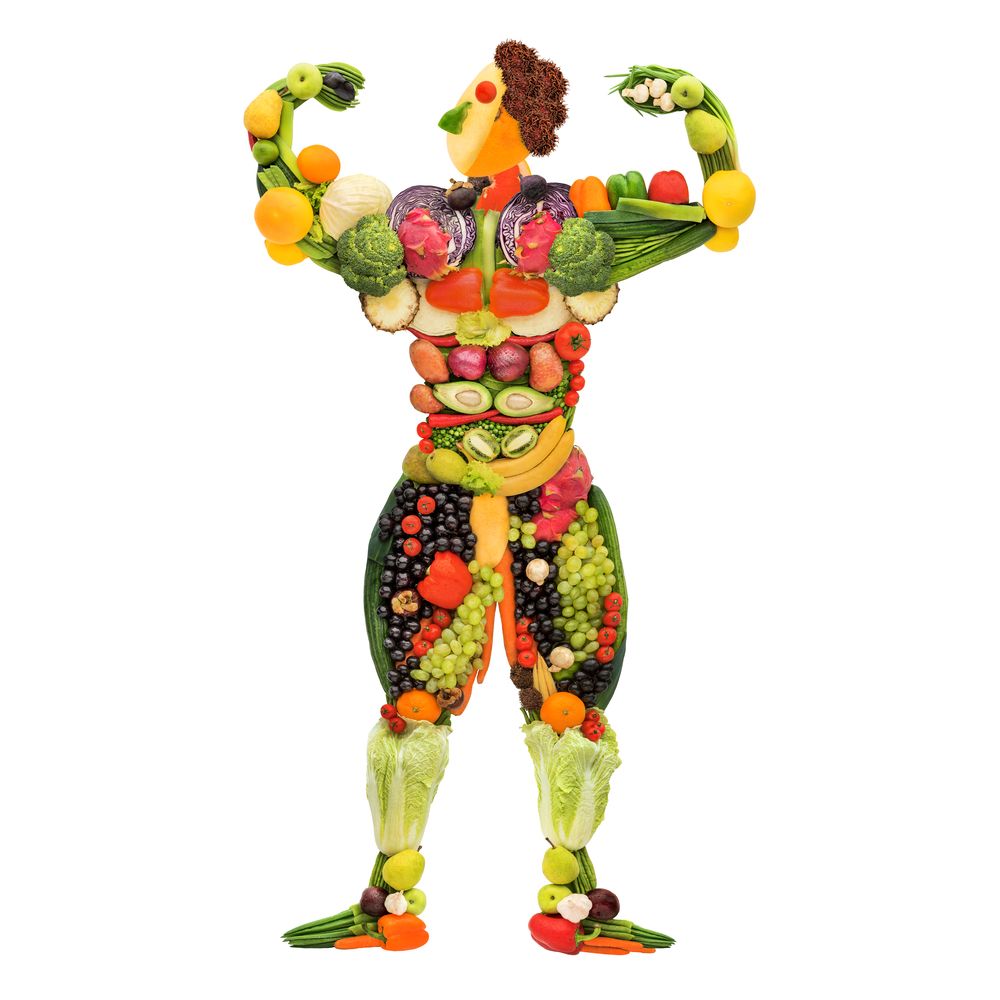
    Diet and nutrition are the critical counterpoints to a regular exercise program. Both proteins and carbohydrates are essential for preparing for your workouts, as well as for recovering from them.
     
    To feed the rigorous demands of working out, you need to prepare your body for exercise and then repair it from the associated stresses. Proteins and carbs provide both the fuel that drives you during your workouts, as well as the building blocks that help you recover.
     
    If you don’t eat before exercise, you won’t have adequate fuel to get you through an intense workout. Instead, you’ll feel tired and weak and have limited endurance. That’s because complex carbs provide the energy that fuels muscle contractions.
     
    Carbohydrates are broken down by the body into glucose, which is used as energy. Any glucose not immediately used is stored in the muscles and the liver, in the form of glycogen.
     
    Glycogen is the source of energy most often used for exercise. Because it is immediately accessible, glycogen is used for any short, intense bouts of exercise, from sprinting to weight lifting. Glycogen also supplies energy during the first few minutes of any sport. Though fat helps to fuel activity during long, slow-duration exercise, glycogen is still needed to help break down the fat into something the muscles can use.
     
    Adequate carbohydrate intake also helps prevent protein from being used as energy. If the body doesn’t have enough carbohydrate, protein is broken down to make glucose for energy. That’s undesirable because proteins are the building blocks for muscles, bones and other vital tissues.
     
    Though carbohydrates are the human body’s key source of energy, not all carbs are created equally. Simple carbohydrates, or sugars, can cause a spike in blood sugar, thereby stimulating excess insulin production, which causes a fast drop in blood sugar. This creates a vicious cycle of hunger and eating, followed by more hunger and more eating. Stick with complex carbohydrates of the fibrous variety, such as legumes, brown rice, whole oats, and vegetables. These are digested slowly and do not cause a spike in blood sugar (glucose).
     
    Depending on your ability to break down food, you need at least an hour, perhaps 90 minutes, to properly digest before commencing exercise. You only need a small amount of food (about 200 calories), primarily consisting of carbohydrates. Small portions of food are easily broken down and digested, providing more immediate energy.
     
    However, carbohydrates are also vital in the post-workout period. Eating carbs in your post-training meal will kick-start the muscle-building process. If you lack carbohydrates, you’ll fail to support the growth process. That’s because muscle glycogen not only provides fuel for hard training, but it also supports recovery.
     
    Carbohydrates directly support muscle-building by fueling muscles and helping them to remain anabolic. Energy-starved muscles quickly fall out of an anabolic state and fail to grow. Carbs also create a special hormonal environment that plays a critical role in growth — they initiate the release of insulin, which increases protein uptake by muscles. Insulin also helps muscles take in testosterone, the body’s chief muscle-building hormone.
     
    Carbohydrates aren’t just the most important nutrient for exercising muscles; they are essential for brain and CNS function.
     
    Consume at least 50 grams of carbohydrates (in addition to protein) in the meal following your workout to kick-start the rebuilding process. If you don’t gain body fat from eating that much, boost it to 70-80 grams.
     
    Also, be sure to eat an adequate portion of protein in your post-training meal; anywhere from 70-100 grams should be sufficient for muscle repair.and growth.
     
    Protein ingestion also helps athletes recover from exercise. After all, proteins are the building blocks of muscle tissue. They aid in the repair of exercise-induced damage to muscle fibers. Unless a protein-containing meal is consumed during the recovery period, muscle breakdown will exceed muscle synthesis, resulting in the loss of muscle mass.
     
    Some proteins digest faster than others. Whey protein, egg whites and some fish rapidly reach the bloodstream, while casein protein, red meat, poultry and whole eggs are slower. Faster-digesting proteins are best in the morning to reverse the overnight fast when the body sometimes falls out of a growth state. They’re also best before and after training, when the body needs immediate sources of protein to help prevent muscle breakdown. At other times of day, slower-digesting proteins do just fine.
     
    Proteins and carbohydrates are best eaten together because they work synergistically, upgrading the ability to drive amino acids into muscles and resulting in growth.
     
    Adults should get 45 percent to 65 percent of their calories from carbohydrates, 20 percent to 35 percent from fat, and 10 to 35 percent from protein, according to the National Academy of Science.
     
    A triathlete, marathoner of other endurance athlete might get 60 percent of their daily calories from carbohydrates and 20 percent each from fats and proteins. But a dedicated weight trainer or body builder may lower the percentage of carbs and increase the percentage of protein, finding a balance more along the lines of 50 percent carbohydrates, 20 percent fat and 30 protein.
     
    Some people might have a hard time breaking their daily macronutrient intake into percentages. For these people, keeping track of their total protein ingestion might be easier.
     
    The Recommended Daily Allowance (RDA) for protein for persons over 18 years of age, irrespective of physical activity status, is 0.8 gram per kilogram of body weight per day (1 kilogram equals 2.2 pounds).
     
    However, many sports nutrition experts (American College of Sports Medicine, American Dietetic Association) have concluded that protein requirements are higher for athletes.
     
    The protein recommendations for endurance athletes are 1.2 to 1.4 grams per kilogram of body weight per day, whereas those for resistance and strength-trained athletes may be as high as 1.6 to 1.7 grams per kilogram of body weight per day.
     
    Remember, you’ll get the most out of your training if you prepare for and repair from your workouts. Pushing your body hard to improve health and fitness requires you to nourish it. By giving your body everything it needs, you’ll get the most out of it.
  • Why Cardiovascular / Aerobic Exercise Is So Vital to Everyone

    Why Cardiovascular / Aerobic Exercise Is So Vital to Everyone

    Cardiovascular endurance is considered one of the 5 parameters of fitness (the others being muscular strength, muscular endurance, flexibility and body composition).

    As you might imagine, this makes cardiovascular exercise — which most people simply call “cardio” — vital to everyone’s exercise program. 
     
    So, how much cardio do you need?
     
    According to the Physical Activity Guidelines, released by the U.S. Department of Health and Human Services, adults need at least 150 minutes of moderate-intensity, aerobic, physical activity each week; or 75 minutes a week of vigorous-intensity, aerobic, physical activity; or an equivalent combination of moderate- and vigorous-intensity aerobic activity. 
     
    The American College of Sports Medicine (ACSM) concurs. The ACSM recommends that adults accumulate at least 30 minutes of moderate physical activity at least five days per week for basic fitness. If you up the ante to vigorous exercise intensity, 30 minutes three days per week it will also get the job done. 
     
    While that’s enough to keep your heart healthy, it may not be enough to promote weight loss. The Institute of Medicine advises Americans to get an hour of physical activity a day to control their weight.    
     
    Due to the prevalence of obesity and overweight in the US — a whopping 70 percent of Americans are overweight or obese — many people think of cardiovascular exercise merely as a means to lose weight. However, even those with an ideal, healthy body weight need to regularly perform cardio to maintain good health and prevent disease.
     
    The cardiovascular system, in particular, needs to be exercised regularly to maintain optimum health. It’s about being healthy from the inside out, not just looking good on the outside. 
     
    Exercises, such as walking, running, cycling, swimming or some other form of aerobic exercise, will all stimulate the cardiovascular system, but intensity matters. Obviously, the heart isn’t strengthened as much, and doesn’t make as much adaptation, by walking at 3.5 mph as it does when running at 7 mph.
     
    Ultimately, there is a difference between being fit and being healthy. Being fit is a much stricter standard.
     
    Choose activities that you enjoy. The results will be essentially the same. Studies show that a 10-15 week program of cycling, swimming or running, done 5 days per week, 30 minutes per session, at 70% heart-rate reserve (HRR), will result in comparable improvements in cardiorespiratory fitness.
     
    Let’s look at the benefits of regular aerobic exercise:
     
    – Weight loss or maintenance (healthy body composition) 
     
    MEN:
    Healthy = 18-24% body fat 
    Fit = 14-17% body fat 
    Essential = 2-5% body fat
    WOMEN:
    Healthy = 25-31% body fat 
    Fit = 21-24% body fat 
    Essential = 10-13% body fat
     
    An exercise program conducted 3 times per week, burning 300-400 cals per session, could result in a 16-pound weight loss in one year.
     
    – Decreased appetite in some people
     
    – Reduces the risks of coronary artery disease
     
     A six-year study released in September, 2002 showed that for middle-aged or older women, walking, or an equal amount of more strenuous exercise, for 2 1/2 hours per week (5 days x 30 mins.) can cut heart disease and stroke risk by just over one third.
     
    – Increases levels of HDLs (healthy cholesterol) and decreases levels of LDLs (unhealthy cholesterol)
     
    – Decreases triglycerides (blood fats)
     
    – Lower resting heart rate:
    • Men average about 70 beats per minute
    • Women average about 75 beats per minute
      
    – Decreases blood pressure:  
    <120/80 = normal
    120-129/<80 = elevated
    130-139/80-89 = Stage 1 hypertension
    140 or above/90 or above = Stage 2 hypertension
     
    – Increases the sensitivity of cells to insulin and reduces blood glucose levels. This is a critical part of the treatment program for diabetics.
     
    – Weight bearing exercises (running, brisk walking) strengthen the skeletal system, reducing the chances of osteoporosis, which is characterized by reduced bone mass and increased susceptibility to fractures. This occurs more commonly in women over 45 and affects an estimated 15-20 million Americans.
     
    – Increases joint range of motion. Frequently part of the treatment for those with arthritis. Flexibility is developed primarily up to and between the ages of 7-12 and begins to decline after adolescence, accelerating after the age of 25 (unless otherwise maintained) 
     
    Why Aerobic Exercise Works
     
    Regular aerobic exercise can lead to increased cardiovascular endurance due to the following factors:
     
    – Increased lactate threshold (the time when your muscles start to burn and fatigue)
     
    – Increase of ATP (fuel) in mitochondria, the cell’s power plant or engine
     
    – Increase in the number and size of mitochondria
     
    In short, you can become a high-performance, human machine.
     
    Working out in the “fat-burning zone” is not the most efficient way to lose weight. As exercise intensity increases, the body burns less and less fat and more and more carbohydrates. That’s why some people say it’s best to work out at low to moderate intensities, in the so-called “fat-burning zone.” But when it comes to weight loss, what matters most is how many total calories you burn. High-intensity exercise burns the most calories.
     
    That said, even brisk walking is enough to keep your heart healthy. Exercise doesn’t have to be strenuous to be beneficial. Studies show that moderate physical activity – such as a half-hour of brisk walking or swimming – on most days of the week can help fight off heart disease and lower your risk of diabetes and some cancers, among other health benefits.
     
    However, while walking is good for your overall health, it may not burn enough calories to help you lose a substantial amount of weight. Nor will it get you a well-toned, sculpted body. 
     
    To get buff, you’ll need to add resistance training to your workout regimen. Yet, even with a good cardio and strength program, you may never look like a swimsuit model (good genes and airbrushing help in that regard), but you can slim down and firm up. 
     
    The most important thing is to improve your health, so that your doctor says you look as good from the inside as you do on the outside. 
  • Use Interval Training to Supercharge Your Workouts

    Use Interval Training to Supercharge Your Workouts

    One of the most trendy workouts these days is interval training, in which participants alternate between higher intensity activities and lower intensity rest or relief periods. Naturally, this requires different rates of speed and degrees of effort.

    The appeal of this type of workout is that it allows you to burn more calories without spending more time at the gym. Most interval training sessions are completed in 30 minutes or less.
     
    Interval training has become a popular fitness regime in recent years because it is so effective. Interval training incorporates a lot of short bursts of high-impact cardio — such as jumping jacks, jumping rope and running in place — followed by low-intensity recovery periods. This type of workout is a very efficient way to quickly improve your fitness level.
     
    According to a 2011 study presented at the American College of Sports Medicine Annual Meeting, just two weeks of high-intensity intervals improves your aerobic capacity as much as six to eight weeks of endurance training.
     
    When performing intervals, participants will often get their heart rates up to at least 80 percent of maximum for short periods of time and then dial back down to a slow or moderate pace of 40-50 percent of maximum.
     
    Many exercise adherents are now engaging in high intensity interval training (HIIT), which is typically performed in 20-minute bouts performed at 85-95 percent of maximal heart rate. The value of these shorter, higher intensity sessions is that they help fight boredom and pack a big punch in a relatively short period of time. Most HIIT workouts are completed in 30 minutes or less.
     
    Those looking for an even more intense workout can try doing supramaximal interval training (SMIT), which involves performing all-out bursts of exercise, interspersed with full rest periods, or no activity.
     
    Beginners might use a 1:2 work to recovery ratio, in which they work really hard for 20-30 seconds, for example, and then recover for 40-60 seconds. In essence, the recovery periods are twice as long as the high-intensity bouts.
     
    As your conditioning improves, you might advance to a 1:1 ratio — 30 seconds of high intensity work, for example, followed by 30 seconds of recovery.
     
    A common formula for more conditioned people involves a 2:1 ratio of work to recovery periods. For example, 20–90 seconds of hard sprinting alternated with 10–45 seconds of jogging or walking.
     
    There are many different work/recovery formulas and you can experiment to find what works best for you. But remember, your body will eventually adapt and you will need to continually change the stimulus in order to accommodate that adaptation.
     
    The beauty of intervals is that they’re not just for athletes and fitness enthusiasts. These routines can also benefit older folks and those with chronic conditions such as diabetes or heart disease.
     
    Mixing in some interval training can produce additional benefits beyond that of steady-paced exercise.
     
    Researchers in Australia have found that sprints as short as 8 seconds can be beneficial. Cycling three times per week, participants alternated between 12 seconds of slow, gentle peddling and 8 seconds of intense sprints, peddling as hard as they could. Despite the fact that they did this for 20-minutes at a time — meaning the actual hard exercise totaled just 8 minutes — the payoff was significant.
     
    Over the course of four months, participants in the study, which was performed at the University of New South Wales, lost an average of six pounds of body fat. By comparison, those who cycled at a steady pace for 40 minutes, without mixing in the interval sprints, lost less than two pounds. Additionally, participants who performed intervals improved both their blood pressure and blood sugar readings.
     
    The same interval techniques can be applied to running, swimming, rowing, stair-climbing or hill-climbing. Again, you don’t necessarily need to keep the high-intensity bursts to 20 seconds. You can also try 30-second blasts or even longer periods — whatever suits you.
     
    The Australian protocol was very similar to Tabata training, which consists of performing an activity all-out for 20 seconds, resting for 10 seconds, and then repeating the on-off sequence for four minutes total.
     
    Keep in mind that the recovery or rest period in your intervals is just as important as the high intensity period since it helps to strengthen your heart. Rapidly raising your heart rate and then dropping it creates ventricular remodeling, which allows greater cardiac output and improved performance.
     
    One of the best measures of fitness is aerobic capacity, or the ability of the heart and lungs to get oxygen to the muscles. As your cardiovascular fitness improves, you’ll be able to exercise longer and/or with more intensity.
     
    Since high-intensity interval training is, well, intense, it shouldn’t be overused. Your body needs adequate time to recover between workouts, so it’s best to limit your HIIT workouts to three days per week. Light to moderate, steady-state aerobic exercise is ideal on your recovery days.
     
    One of the most important elements of high-intensity interval training is a proper and adequate warmup, which should be at least 5-10 minutes long. This will prepare your body for the high-intensity workout to come.
     
    Beginners shouldn’t rush into strenuous workouts before their body is ready, or else they may injure their muscles, tendons or bones. Instead, start slowly and, as your stamina improves, challenge yourself by increasing the intensity or the duration of your intervals.
     
    The best workout plan combines interval training with a comprehensive strength training plan. Muscle is a metabolically active tissue; your body uses it to burn fat. So, the more lean muscle tissue you have, the more calories/fat you’ll burn throughout the day, even while you sleep. Simply put, more muscle tissue requires more energy.
     
    As always…. Get in Motion. Stay in Motion.
  • How to Get the Abs You Desire

    How to Get the Abs You Desire

    Abs — everybody wants them. The truth is, everybody’s got them. Yes, underneath the varying amount of belly fat that most of us possess, lies a shapely wall of muscle. 

    The rectus abdominis are two parallel muscles running vertically on each side of the anterior wall of the abdomen. In the abdomens of people with low body fat, these muscles can be easily seen and they are commonly referred to as “six packs.” However, some people have “four packs,” “eight packs” or even “ten packs” that are plainly visible. Simply being thin is usually enough for the ab muscles to be prominent, even without conducting ab exercises.
     
    While many people desire the classic six-pack look purely for aesthetic reasons, the rectus abdominis is an important postural muscle. Strong abdominals can help to reduce lower back pain, improve balance and stability, and also prevent injuries. So, ab exercises are critical for all of those reasons, but not for trimming fat, which they won’t. Don’t fall for the myth that doing abdominal exercises will cut the belly fat hiding your abs and give you a ripped stomach.
     
    The rectus abdominis also assists with breathing and plays an important role in respiration when forcefully exhaling, such as during exercise. It also helps to keep the internal organs intact and in creating intra-abdominal pressure, such as when exercising or lifting heavy weights. Yes, your abs are important for more than just outward appearance.
     
    The abdominal muscles are present in everyone. There is little need for most people to perform ab exercises, such as crunches, to make them “pop.” The reason why most people’s abs aren’t visible has nothing to do with a lack of ab exercises; it’s because they have too much abdominal fat covering the underlying muscles for them to be seen.
     
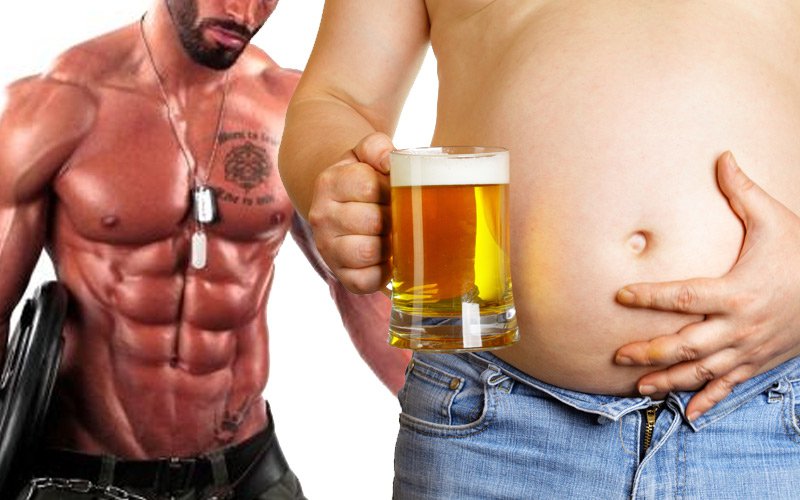
    Once you strip away the fat, the ab muscles are clearly visible. If men drop their body fat percentage into the range of 10-12 percent and women to 15-17 percent (sorry ladies, but you typically hold more belly fat and have a higher body fat percentage than men), your abs will become noticeable. Then you can really begin focusing on ab exercises, such as planks, hanging leg raises, ab wheel roll outs and jackknives on a stability ball.
     
    In the meantime, your focus should be reducing the amount of visceral and subcutaneous fat in your stomach, which is hiding your abs right now.
     
    What is visceral fat and subcutaneous fat?
     
    Visceral fat surrounds your internal organs. It takes more effort to lose and it is dangerous. Excess visceral fat interferes with liver function and metabolic function. This leads to high blood pressure, cardiovascular disease, stroke, diabetes and even some cancers. Research has shown that the size of your belly is a relatively reliable indicator of the health risks linked to visceral fat.
     
    Subcutaneous fat is stored just underneath the skin. It is the type of fat that you can easily pinch or grab hold of, and it is apparent on the stomachs of most people. However, subcutaneous fat is not necessarily unhealthy. It may not look good to you, but it is not nearly as hazardous to your health as is visceral fat.
     
    Obviously, lifestyle choices affect the amount of body fat you carry. Being too sedentary, not exercising enough and eating an unhealthy, high-calorie diet will cause you to store more, and burn less, fat.
     
    Another culprit is a lack of sleep. While the specific amount of sleep that’s best varies by individual, the National Sleep Foundation recommends seven to nine hours a night for most adults. Researchers have found that the number of hours you sleep affects your metabolism. When you’re sleep-deprived, it’s harder to manage blood sugar levels and you may be hungrier for high-carb foods.
     
    Other factors include stress, which causes your body to release certain hormones (such as cortisol, norepinephrine and epinephrine) that cause fat accumulation on the abdomen and make you resistant to weight loss.
     
    Lastly, diet is primary component in fat gain or loss — and it’s fat that’s hiding your “undercover” abs. There’s an old saying: Abs are made in the kitchen, not in the gym. Start by reducing your intake of sugars, bad fats and processed foods.
     
    Good fats include avocados, olives, olive oil, oily fish (such as salmon, mackerel, trout, herring and sardines) nuts (walnuts, pecans, almonds, cashews and pistachios) and flax seed/meal, which are full of omega-3 fatty acids.
     
    Processed foods, which are abundant in the modern American diet, include processed meats (deli and lunch meats, salami, hot dogs and sausages) white rice, white and/or refined bread, chips, sodas, sugary cereals and store-bought cookies, crackers, muffins and cakes.
     
    Adults should get 45 percent to 65 percent of their calories from carbohydrates, 20 percent to 35 percent from fat, and 10 to 35 percent from protein, according to the National Academy of Medicine.
     
    Based on this, I recommend aiming for the lower percentage of fats, 20 percent, and the higher percentage of proteins, 35 percent, leaving the remaining 45 percent to carbohydrates.
     
    Clearly, exercise is important if you want to have a flat stomach, much less ripped abs.
     
    Activities such as running, cycling or jumping rope are all excellent calorie burners and are great for the heart, your most important muscle. Minute per minute, cardio burns more calories than weight training, so it is very effective at reducing fat mass and body mass. However, those last two words — body mass — are critical.
     
    Doing lots of cardiovascular exercise will not only cause you to burn fat; it will also cause you to burn vital muscle mass. Yes, weight loss due to cardiovascular exercise can be the result of muscle loss, as well as fat loss. Yet, muscle is vital to your metabolic rate and calorie/fat burning.
     
    Compound, or multi-joint, weight lifting exercises (such as squats, deadlifts, lunges, pull ups and bench presses) are all great fat burners. What’s more, by building additional muscle you will increase your metabolic rate, allowing you to burn more calories even when you aren’t exercising.
     
    Both weight training and cardiovascular training have numerous health benefits, and both will help you trim fat and reveal that six pack hiding underneath your belly fat.
     
    Just remember that how much you eat will have a far greater impact on your weight status than exercise will. That’s because it’s far easier to take in less energy (calories) than it is to burn significant amounts of energy through exercise.
     
    That said, only weight training will give you a truly sculpted body and the shape that so many of us desire.
  • Why Strength Training is so Vital to Everyone

    Why Strength Training is so Vital to Everyone

    When most people think of weight training they think of big (or bigger) muscles. However, weight training is just a form of strength training, as is resistance training, which might not involve traditional “weights” at all.
     
    Resistance training can also incorporate body weight, bands, elastic tubing, medicine balls or even sandbags — anything that creates resistance. All strength or resistance training is simply a matter of overcoming gravity or tension.
     
    Strength/resistance training can benefit everyone because, muscles aside, it also increases the strength and density of tendons, ligaments and bones. Yes, strength training can prevent osteoporosis by augmenting bone mineral density.
     
    Additionally, strength training can lower blood pressure, improve cholesterol, improve athletic performance and prevent injury. There are also psychological benefits, such as better sleep, reduced stress, improved self esteem and greater confidence.
     
    However, for many people, improved appearance and body composition are the primary motivators. Simply put, muscle burns lots of calories and even body fat.
     
    Strength/resistance training helps maintain and combat the loss of muscle mass. Unfortunately, unless we perform regular strength exercises, we lose more than a half a pound of muscle every year after the age of 25. This loss of muscle results in a corresponding and significant reduction in metabolic rate, and it occurs in every decade of adulthood, which means continually less calorie burning over time.
     
    Think about that for a moment; by age 50, you will have lost at least 12 pounds of muscle, which is vital to functional movement, maintaining good posture and performing daily activities.
     
    Most adults don’t notice muscle loss. What they do notice, however, is the corresponding weight gain, which is actually fat gain. The problem for the average 50-year-old isn’t just that they’ve lost 5 pounds of muscle per decade since age 25; it’s that they’ve added three times as much body fat per decade.
     
    So, even if your eating habits don’t change as you get older, fat can still accumulate (meaning your weight increases) since metabolism usually slows with age. If you’re in your 40s, have been eating exactly the same way for 20 years and can’t understand why you’re gaining weight, it’s because your energy demand (metabolism) has dropped.
     
    Metabolism is the process by which the body uses and makes energy (calories) for everything from the digestion of food, to the cellular absorption of nutrients, to breathing, circulating blood, adjusting hormone levels, and growing and repairing cells.
     
    In the simplest terms, metabolism allows the body to process the nutrients you’ve eaten. Metabolism converts the fuel in the food we eat into the energy needed to power everything we do, from moving to thinking to growing.
     
    The number of calories your body uses to carry out these basic functions is known as your basal metabolic rate (BMR) — what you might call metabolism. Your BMR accounts for about 70 percent of the calories you burn every day. This is critically important since there is no way we can exercise away all the calories we consume each day.
     
    However, metabolism inevitably slows with age — as much as two percent a year. The key to staving off that decline is weight training. Muscle is the single most important predictor of how well you metabolize your food, how well you burn calories and how well you burn body fat.
     
    Strength training your large muscle groups at least twice a week is essential to boosting your metabolism. The effects of a good, consistent strength training program allow you to continue burning calories 24 hours a day — long after you’ve left the gym. Wouldn’t it be nice to burn extra calories while reading, driving or even sleeping?
     
    Without an appropriate training stimulus, our muscles gradually decrease in size and strength (atrophy). Untrained men and women can gain about 2-4 pounds of muscle and 40-60 percent more strength after just two months of regular strength training exercise.
     
    The notion that women shouldn’t lift heavy weights because they will “bulk up” is entirely false. Most women simply do not have the physiological ability to look like a body-builder, no matter how hard they train. That’s because women don’t have nearly as much testosterone in their bodies as men, and testosterone is a primary hormonal driver of muscle growth.
     
    Research shows that testosterone has significant effects on body fat percentage. Higher testosterone levels lead to a leaner body. Conversely, lower testosterone levels result in a fattier body. This is one reason why, generally speaking, women naturally have more body fat than men. It also means that women usually have to work harder than men to build muscle and burn fat.
     
    Muscle also helps to maintain body temperature. Ever notice that women are often colder than men in the same environment? That’s because men naturally have greater muscle composition than women and muscle generates heat (calorie burning). More muscle = more heat.
     
    For women who want to look toned, strength-training is essential, but it will only help if they lift enough weight to properly stress their muscles.
     
    Programs vary, but the American College of Sports Medicine (ACSM) recommends performing 8 to 12 repetitions of a particular strength-training exercise at a weight that completely fatigues the target muscle by the final rep. You should complete 8-10 exercises that challenge all major muscle groups.
     
    It is not necessary to train any longer than 60 minutes per workout. If you aren’t sufficiently tired by then, you aren’t working hard enough. Try increasing the load (weight), the volume (exercises, sets and reps) and/or decreasing the rest time between your sets and exercises.
     
    The ACSM also recommends training the entire body 2-3 days per week (48 hours between workouts for full body). Intermediates should aim for 3 days per week and advanced lifters should workout 4-6 days per week.
     
    If you stop exercising, muscle will not turn to fat. Muscle is muscle and fat is fat; they are entirely different body tissues. However, if you stop strength training you’ll lose muscle mass, which will make your body look less toned. You’ll also slow your metabolism, which will cause you to gain weight. That weight gain will be in the form of fat, which means you’ll likely look more flabby.
     
    In short, there are numerous valuable reasons to engage in strength/resistance training, not the least of which is to maintain your muscle mass and perhaps even gain some.
     
    Your muscles, bones, tendons, ligaments, blood pressure, cholesterol, self esteem, body composition and metabolism will all benefit from it.
     
    Get in Motion. Stay in Motion.