Author: Sean Kennedy
-

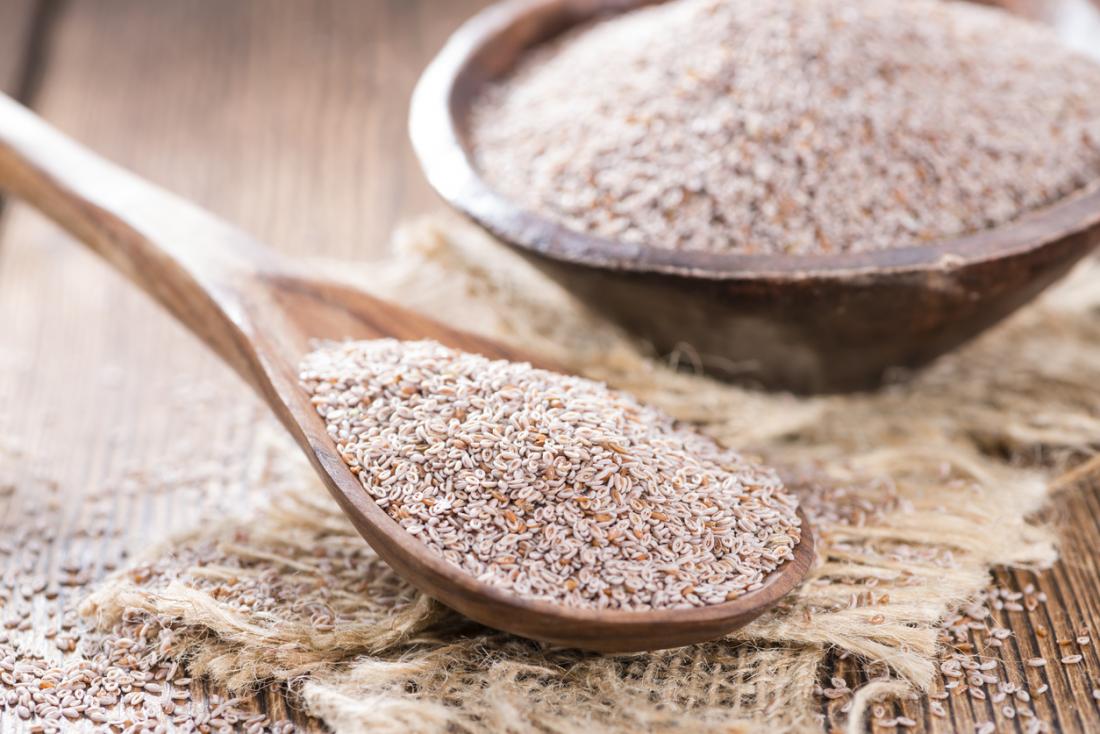
Here’s Why You Should Supplement Your Diet With Psyllium
The most recent edition of the Dietary Guidelines for Americans recommends that adults consume 1.5-2.0 cups of fruit per day and 2-3 cups of vegetables per day.However, about 90 percent of Americans don’t eat enough fruits and vegetables, according to a 2017 CDC report. Specifically, just 12.2 percent of American adults are meeting the recommendation for fruit and only 9.3 percent are meeting the recommendation for vegetables.Aside from being packed with valuable nutrients and phytochemicals (helpful chemical compounds produced by plants), fruits and veggies are also packed with fiber, which aids digestion and can help treat digestive problems. Fiber also helps prevent constipation and can reduce cholesterol levels. Adequate fiber intake may even help protect against heart disease, type 2 diabetes and some forms of cancer.The national fiber recommendations are 30 to 38 grams a day for men between 18 and 50 years old, and 25 grams a day for women of the same age range. However, most of us are falling far short. The average American consumes a mere 14 grams, meaning many of us eat even less than that.A great way to increase your daily fiber intake is by supplementing your diet with psyllium, a natural, water-soluble fiber made from the husks of the Plantago ovata plant. Psyllium can aid our health in each of the following ways:• Lowering cholesterol• Improving digestion• Eliminating toxins and heavy metals (psyllium acts like a sponge, soaking them off the walls of the intestine)• Slowing the production of blood glucose during digestion• Encouraging the growth of healthy intestinal bacteriaFor all these reasons, psyllium is a highly valuable dietary supplement. Here’s more detail on each of the above:Being a soluble fiber, psyllium is able to pass through your digestive system without being completely broken down or absorbed. Instead, it absorbs water and becomes a gel-like substance that slows down the rate at which the stomach empties. As a result, psyllium tends to slow the movement of food through the digestive tract. Since fiber-rich foods take longer to digest, they result in an increased feeling of fullness and satiety. Consequently, psyllium can aid weight loss by reducing the amount of food consumed during meals.In addition, a more gradual absorption slows the entrance of glucose into the blood stream, thereby preventing large blood glucose and insulin spikes. For this reason, psyllium helps control blood sugar levels, which is particularly helpful to diabetics. It’s recommended that you take psyllium with food, rather than on its own, so it has a greater effect on your blood sugar levels.Psyllium has also been shown to help lower blood cholesterol. Soluble fiber binds to bile salts in the gastrointestinal (GI) tract, causing them to be excreted as part of our fecal matter, rather than being re-absorbed by the colon, as they usually are. Since blood cholesterol is needed to make bile, the body must pull more cholesterol out of our blood to make more bile and replace what was lost. This ultimately lowers the amount of cholesterol in our bloodstream.Additionally, psyllium also helps with constipation and diarrhea, and perhaps even benefits blood pressure, according to research.Psyllium is a bulk-forming laxative that also softens stools, which means it makes bowel movements much easier. Quite simply, psyllium promotes regularity and overall digestive health, which matters to millions of people.A total of 60 to 70 million Americans are affected by digestive diseases, according to the National Institute of Health. This means one in five Americans suffers some type of digestive illness. That’s because the modern American diet is so unhealthy. For example, the top sources of calories in the US are grain-based desserts, including cakes, cookies, donuts, pies, crisps, cobblers and granola bars. Americans also consume copious amounts of sodas, candy, potato chips and pizza.Having a healthy gut is vital to our overall health. Psyllium encourages the growth of healthful, “friendly” intestinal bacteria, such as Lactobacillus acidophilous and bifidobacteria.These are among the healthy or “good” bacteria in your GI tract that keep your entire digestive system at its peak, while boosting the health of your immune system. In fact, 80% of your immune system lives within your digestive tract and, obviously, a healthy immune system is vital to your overall well-being.It is crucial for us to maintain a healthy ratio of “good” to “other” bacteria in our GI tract for optimal health. A healthy and balanced digestive system even helps you better regulate your weight.The good bacteria in your GI tract need good nutrition to flourish. Dietary fiber can make a huge difference by feeding these good bacteria, allowing them to grow and proliferate. While the less-than-desirable bacteria like to eat refined sugars and fats, beneficial bacteria love to feed on fiber, such as psyllium.The average recommended dosage for psyllium is about one or two tablespoons with meals, once or twice daily. However, I suggest starting with a lower dose and gradually working up to this level. A tall glass of water should be taken with each dose.The most common brand of psyllium is Metamucil, which has added sugar and ascorbic acid. There are also 100% pure psyllium versions available, without added sugar, which you can find at any health food store. You may find that finely ground, powdered psyllium, which can be mixed with either water or juice, is easiest to drink.It should be noted that Metamucil is different from Citrucel, which is made from man-made cellulose fiber. Citrucel is merely a fiber laxative and does not offer the same health benefits of psyllium.So, there are many good reasons to add psyllium to your diet regimen: it’s all natural, inexpensive, easy to take and has a multitude of health benefits. Ultimately, psyllium is one of the very best supplements to include in your daily diet. -

Exercise Can Help Relieve Depression And Anxiety
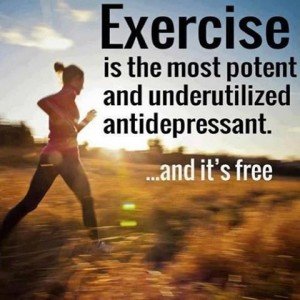
Exercise — it’s good for your mind too.Depression is widespread, affecting people of all backgrounds. Globally, more than 300 million people of all ages suffer from depression, according to the World Health Organization (WHO). Depression is the leading cause of disability worldwide, says WHO, and at its worst can lead to suicide.In the US, nearly 16 million Americans have experienced depression at some point in their lives. Women may be more susceptible than men, though the latter are less likely to report depression to their doctors. The National Survey on Drug Use and Health (NSDUH) found that approximately 8.2 percent of women and 4.8 percent of men in the United States are depressed during a 12-month period.According to the 2014 NSDUH data, depression is most likely to strike adults aged 18 to 25, though there is a second bump in depression rates among the elderly.Though antidepressant medications are commonly prescribed to treat the condition, research shows that exercise is also an effective treatment. For some people, it works as well as antidepressants, according to Harvard Medical School. Like depression, anxiety symptoms also often improve with exercise, as does stress.Regular exercise releases feel-good substances — such as endorphins, seratonin and other natural brain chemicals — that can lift your mood and enhance your sense of well-being. Exercise also spurs the release of proteins called growth factors, which cause nerve cells to grow and make new connections. The resulting improvement in brain function makes you feel better.Though many people begin to feel better after just a few weeks of regular exercise, it is a long-term treatment that cannot be abandoned as soon as you begin feeling well.Aside from improving mood and reducing anxiety, exercise can have other psychological benefits too. It can make you feel accomplished and good about yourself. No one ever regrets or feels guilty about exercising. But we can experience those feelings as a result of not exercising. It’s easy to have regrets about drinking too much, eating too much sugar or other junk foods or just eating too much in general. But no one ever feels guilty about exercising; it’s positive and uplifting.Doing 30 or more minutes of exercise a day, three to five days a week, may significantly improve depression or anxiety symptoms, according to the Mayo Clinic. More-vigorous activities, such as running or stair climbing, may make a difference in as little as 10 to 15 minutes at a time.Performing exercises you enjoy, and a variety of them, will make you more likely to follow through and stick with the program. Simply put, enjoyment will lead to adherence and positive outcomes. Make sure to put exercise into your daily schedule, just as you would with anything that is truly important in your life.Finding a personal trainer can help keep you accountable and dedicated to a well-structured program, which will in turn make you feel better physically, emotionally and psychologically.If you exercise regularly but depression or anxiety symptoms still interfere with your daily living, see your doctor or mental health professional. -

Train to Maintain Strong, Healthy, Stable Shoulders
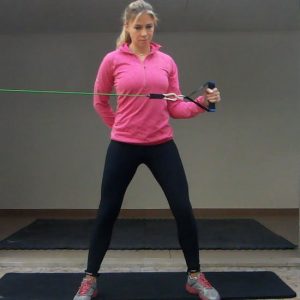
One of the consequences of modern living is that many people have poor posture — most notably, rounded, internally rotated shoulders. This poor posture results in pain, limited movement, and also diminished, shallow breathing, which leaves people oxygen deprived and tired.Everyday things — such as using a smartphone, using a computer, sitting for extended periods, writing, drawing, cooking, driving and carrying heavy objects (including babies and children) — can all lead to rounded shoulders (aka, poor posture) and poor shoulder function.Being hunched forward not only affects appearance (ever see a clothing model or a mannequin with slumped shoulders?), it also increases stress on the shoulder joints and can cause pain around the neck and upper back.A person standing with their arms at their sides has a natural inward arm rotation of about 15 degrees. This is the neutral position of the arm. Problems arise when the arm rotates too far inward, disrupting the shoulder and causing joint pain and injury. Indeed, excessive internal arm rotation is one of the most common musculoskeletal imbalances of the shoulder girdle.Exercises that focus on external rotation of the arm at the shoulder socket (the glenohumeral joint) can help alleviate rounded shoulders, while building strength and stability in the joint.The rotator cuff is a very critical muscle group, but it is also very vulnerable. Many middle-aged and older people have very poor shoulder function because they have a faulty rotator cuff. This is usually attributed to weak rotator cuff muscles (particularly the external rotators) and relatively strong deltoid muscles.In addition to rotating the humerus (upper arm), the rotator cuff is also responsible for stabilization of the humerus inside the shoulder joint.There’s an old axiom about joints: the more stable they are, the less mobile they are (think of your elbow). Conversely, the more mobile they are, the less stable they are (think of your shoulder).One of the primary problems with the shoulder is that it is a highly mobile ball-and-socket joint. Another problem is that the internal rotators of the shoulder are much bigger and stronger than the external rotators. Consequently, the external rotators are typically the weakest link in the shoulder joint.The rotator cuff muscles predominantly stabilize the glenohumeral joint, but also contribute significantly to movement.The four rotator cuff muscles are:• Supraspinatus (the most frequently torn tendon in the shoulder)• Infraspinatus• Teres minor• SubscapularisThe external rotators of the shoulder are the infraspinatus, teres minor and posterior deltoid, the latter of which is not part of the rotor cuff. So, just two of the four rotator cuff muscles perform external rotation of the upper arm.Subscapularis is the main internal rotator of the shoulder. It is also the largest and strongest cuff muscle.The other internal rotators are the latissimus dorsi (the widest muscle in the human body), pectoralis major (a large, powerful muscle), teres major and anterior deltoid.So, the internal rotators outnumber the external rotators five to three.Given the size and strength of the internal rotators, they easily overpower the smaller (and fewer) external rotators. For this reason, regularly strengthening the external rotators is critical to good shoulder health and injury prevention.
However, since the external rotators of the shoulder joint are located on the posterior aspect (back) of the body, many people neglect them when training (out of sight, out of mind).Regular and consistent strengthening of the latissimus dorsi and pectoralis major can result in a shortening and tightening of these internal rotators and, over time, a weakening of the external rotators, particularly if they are ignored. This leads to dysfunctional, imbalanced shoulders.A sound exercise program should include exercises that strengthen the external rotators, which will create joint balance and lessen the chances of shoulder injury. Ideally, your exercises should stabilize, strengthen and protect your shoulder joints, giving you pain-free movement and healthy, highly functional shoulders. -

Some Simple Diet Recommendations
In America today, people are more likely to be overnourished than undernourished.
In 2017, the Centers for Disease Control and Prevention found that almost 40 percent of American adults and nearly 20 percent of adolescents are obese — the highest rates ever recorded for the U.S.
In total, more than 70 percent of Americans are now either overweight or obese, meaning that an unhealthy weight has become the norm, with healthy-weight Americans — who have a BMI of less than 25 — now in the minority.
Yet, while we are a nation of overnourished individuals, many Americans are still malnourished. Despite the overabundance of calories (Americans eat an average of over 3,600 calories a day, according to a report by The Food and Agriculture Organization), many Americans don’t get enough healthy calories.The most recent edition of the Dietary Guidelines for Americans recommends that adults consume 1.5-2 cups of fruit per day and 2-3 cups of vegetables per day.However, about 90 percent of Americans don’t eat enough fruits and vegetables, according to a 2017 CDC report. Specifically, just 12.2 percent of American adults are meeting the standard for fruit and 9.3 percent are meeting the standard for vegetables.Fruits and veggies are nutrient-dense, meaning they are full of beneficial nutrients and minerals, while containing no added sugars or sodium. Every calorie they contain is very beneficial to the human body.These healthy, natural foods are also packed with fiber, which aids digestion and can help treat digestive problems, while preventing constipation and potentially reducing cholesterol levels. Adequate fiber intake may also help protect against heart disease, type 2 diabetes and some forms of cancer.Since the vast majority of Americans are coming up short with their fruit and vegetable intake, many are also missing some key nutrients in their diets.According to the most recent U.S. Dietary Guidelines, there are seven important nutrients in foods that most Americans aren’t getting in sufficient amounts:• Fiber• Calcium• Potassium• Magnesium• Vitamin A• Vitamin C• Vitamin EThough each of the above can be found in the form of nutritional supplements, it’s always best to get all of our nutritional needs met through a well-rounded diet, anchored by fruits, vegetables, whole grains and lean proteins. As the name suggests, supplements are supposed to supplement a healthy diet. Studies have found that they don’t offer as many health benefits as the nutrients naturally found in food. That said, most nutritionists agree that a multivitamin is an inexpensive insurance policy.One macronutrient that most Americans eat in abundance is protein. Proteins are vital components of the human body, critical to the repair of tissue and the building of bones, muscles, cartilage, skin and blood. Proteins also help to regulate hormone production and make us feel full.The U.S. Dietary Guidelines state that adults should take in a minimum of 10 percent of their daily calories from protein. Most Americans take in about 15 percent of their calories from protein. The healthy range for protein extends up to 35 percent of daily calories, according to the guidelines. The current 15 percent protein intake of the average American, combined with regular exercise, is sufficient to maintain muscle, according to Harvard Medical School.Most of us get a significant portion of our protein in the form of animal proteins. However, we’d all be well-served to eat plant proteins more often. Good sources include beans (kidney, pinto, black or white beans), peas (split peas, chickpeas, hummus), soy beans (edamame) or soy products (tofu, tempeh, veggie burgers), as well as nuts and seeds. These are all naturally low in saturated fat and high in fiber.The point is to get our proteins from a wide variety of sources and to make sure we’re getting what are known as “complete proteins.”There are 20 different amino acids that can form a protein, nine of which the body can’t produce on its own. These are called essential amino acids—we need to eat them since we can’t make them ourselves. In order to be considered complete, a protein must contain all nine of these essential amino acids in roughly equal amounts.Examples of complete proteins include meat, poultry, fish, eggs, milk, cheese, yogurt and soybeans.Though most plant proteins are considered to be incomplete, combining them can create complete proteins. We don’t need to ingest every essential amino acid in every meal; we only need a sufficient amount of each amino acid every day.Here are some examples of complete proteins that are also meatless: quinoa, buckwheat, lentils and rice & beans.Vegans and vegetarians may have to work a little harder to consume complete proteins, but the following may be helpful: Every time legumes (such as beans, lentils and peanuts) are combined with grains like wheat, rice and corn, a complete protein is created. Peanut butter on whole wheat is perfect example. This snack provides all the essential amino acids, as well as some healthy fat.That leads us to another vital macronutrient: fats, most especially healthy fats. These include: avocados/avocado oil, nuts (walnuts, pecans, pistachios, cashews and almonds), seeds (flax, sunflower, chia), nut butters, olives/extra virgin olive oil, coconut/coconut oil, and fatty fish (salmon, mackerel, herring, sardines, albacore tuna).Here are some simple recommendations:
Eat a salad every day and have vegetables with every meal. Snack on fruits. Eat more plant-based proteins and make sure to combine them so that they create complete proteins. Limit saturated fats and focus instead on healthier monounsaturated fats (olives, avocados, nuts, seeds) and healthy oils (olive-mono, avocado-mono, flaxseed-poly and grapeseed-poly) and polyunsaturated fats, the latter of which contain the omega-3 fatty acids found in fatty fish, flaxseed and walnuts, for example.
As Hippocrates famously said, “Let food be thy medicine and medicine be thy food.”
-

Closed Chain vs. Open Chain Exercises
Some of my clients have heard me refer to “closed-chain” and “open-chain” kinetic exercises (kinetic relates to movement or motion).The “chain” I’m referring to is the kinetic chain of the body. All of your bones and muscles are connected in a chain; therefore the movements you make are also part of that kinetic chain.Do you remember the song “Dem Bones” from your childhood?Toe bone connected to the foot boneFoot bone connected to the heel boneHeel bone connected to the ankle boneAnkle bone connected to the shin boneShin bone connected to the knee boneKnee bone connected to the thigh boneThigh bone connected to the hip boneHip bone connected to the back boneBack bone connected to the shoulder boneShoulder bone connected to the neck boneNeck bone connected to the head boneDem bones, dem bones gonna walk aroundIt’s true! Our bones, tendons and ligaments are just a series of connected links in our human chain, which is powered and pulled by our muscles.In a closed chain, the end of the chain farthest from the body is fixed. A good example is the squat, in which your feet are fixed on the floor and the rest of the leg chain (and torso) moves. In open-chain exercises, the end is free, such as during a seated leg extension.During open-chain exercises, your hand or foot is free to move, such as when performing a triceps extension or a hamstring curl. These types of movements tend to isolate a single muscle group and a single joint. In an open-chain movement, the end of the chain farthest from the body — usually the hand or foot, and referred to as the “distal aspect of the extremity” — moves freely and is not fixed to an object.When weight is added to an open-chain exercise, it is usually placed at the distal portion of the limb, such as the hand or foot. Examples of open-chain exercises include chest presses, biceps curls, leg curls and leg extensions.In the closed chain, movement at one segment produces movement at all the other joints. For example, during a squat, the movement at the knee joint is accompanied by movement at the hip and ankle joints. In essence, closed-chain exercises work multiple joints and multiple muscle groups at once.During closed-chain exercises, your hands or feet are in a constant, fixed position (usually on the ground), such as when performing pushups. In a closed-chain movement, the distal end of the extremity is fixed, emphasizing joint compression and, in turn, stabilizing the joints.As a result, closed-chain exercises are safer for your joints—especially the knee joint—because the force involved is compressive, meaning it actually stabilizes the joint and helps to strengthen it.In contrast, open-chain leg exercises — such as knee extensions or hamstring curls — produce shear force, which stresses the knee joint (and the ACL) and are more likely to result in injury.I typically refrain from having my clients use the knee-extension machine. This movement is performed with the thigh fixed to the machine, and the force generated by the quadriceps moves the tibia (shin bone) across the femur (thigh bone). I prefer the squat — a closed-chain exercise — in which the trunk, hip and knee extensors act as prime movers, moving the femur across the tibia, which (along with the foot) is the fixed distal segment. The squat is a safer, more real-world exercise, since it better stimulates motor recruitment patterns of the central nervous system (CNS), compared to the knee extension.This is not to say that open-chain exercises are neither safe or useful, because they often are. Some therapists will use open-chain exercises for rehabilitation and these exercises are also ideal when training for a sport that requires the use of open-chain activities, such as throwing a ball.I employ both open-chain and closed-chain exercises in my training sessions, but there is no doubt that I favor the closed-chain variety.Closed-chain exercises work many muscle groups at once, which means that you can get more return from the energy expended. Closed-chain exercises also better mimic activities of daily living, which means they improve your “functional” fitness. They’re also great for athletes because sports require the movement of multiple joints and muscles all at once. Open-chain exercises isolate joints and muscles in a way that is uncommon in many athletic movements or daily activities.Examples of closed-chain exercises include pushups, pull-ups, squats and lunges, all of which can be done with or without added weight.If an athlete, for example, uses an open-chain leg press in attempt to develop explosive strength for sprinting, they will never achieve optimal performance using this alone.However, alternating between open and closed-chain exercises serves to more fully develop both the CNS and the musculature due to the variety of recruitment patterns needed. An example would be performing both squats and leg presses, pull-ups and pull-downs, and/or pushups and chest presses, in the same workout.A variety of movements and exercises will achieve the best results, but the closed-chain exercises should comprise the bulk of your workouts. -

Walking Has Many Benefits, Even for Runners
While running is more physically demanding than walking, the latter is still a good form of exercise and a great recovery tool for runners. Running the same speed and distance each day can lead to plateauing. Walking, which is lower impact, can allow your body to recover and enable better results over the long term.Running will lead to greater cardiorespiratory fitness than walking, as well as more calories burned in an equal period of time. However, walking is a better alternative for people with ankle, knee or back injuries (including recent surgeries), as well as for people who are obese. Walking puts less stress on joints and can reduce the pains associated with running.Like running, walking can improve heart health, improve circulation and improve posture. Walking can also help reduce the risk for high blood pressure, high cholesterol, diabetes, heart disease and even cancer.The key is to walk with a sense of purpose by engaging in at least moderate-intensity walking. Walking can even be a form of interval training. By repeatedly raising and lowering your speed and (if you are on a treadmill) the incline, you can also raise and lower your heart rate intermittently, which is a great calorie burner. You can even intersperse short runs, of say a block or two or a minute or two, into your walks.Walking uphill or on an incline places more demand on the body, particularly the leg muscles. You’ll notice it in your heart rate, as well. The higher you set the incline on the treadmill, the more you activate your glutes, quadriceps and calves, and the more energy you use. That means more calories burned.One common mistake that people make when using a treadmill is holding onto the handrails. This takes away from muscle engagement and the energy required to walk or run at the level you set. Remember, there are no handrails when you walk outside and you manage that quite well!Like running, walking can clear your mind, improve mood,nd alleviate anxiety and depression.So, put on some comfy athletic shoes, get hydrated and get in motion. -

Beware the Liquid Calories
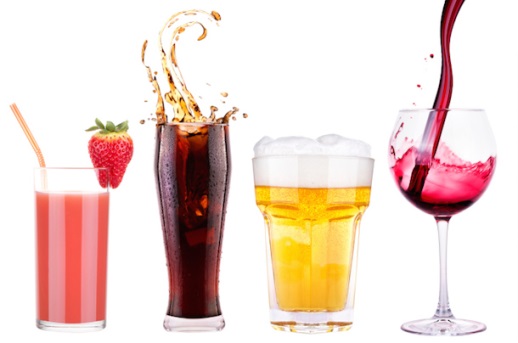
Whether you are trying to lose weight or just maintain it, it’s a good idea to limit your intake of liquid calories. Most Americans only count the calories they get from solid foods, and many are unaware of how liquid calories are sneaking into their diet and affecting their body weight.A study commissioned by the Milk Processor Education Program found that liquids make up 22 percent of calories in the average American’s diet.As of 2016, the average American drank about 39 gallons of soda a year—or about eight 12-ounce cans a week—according to the Beverage Marketing Corp.Yet, soda isn’t the only culprit. Though soda sales have fallen, Americans are still getting lots of unnecessary calories from fruit juice, fruit drinks, sports drinks, energy drinks, sweetened teas and sweetened coffee beverages. In fact, sugar drinks are the single-largest source of calories from added sugar in the American diet.A typical 12-ounce can of regular cola contains nearly 9 teaspoons of added sugars; a 20-ounce bottle contains 15.5 teaspoons of sugars. Yet, the American Heart Association recommends a maximum daily intake of 6 teaspoons of added sugars for women and 9 teaspoons for men.Sodas are the perfect example of empty calories. There is virtually no nutrition or useful quality in soda, which is full of unhealthy additives and preservatives, such as artificial colors, phosphoric acid and bicarbonate. This is why cutting back on liquid calories may be more valuable than cutting back on calories from solid food.Generally speaking, calories from fluids are not satiating and don’t suppress hunger, which means you can consume a lot of liquid calories without ever feeling full. That can lead to overconsumption and weight gain.After you ingest sugar, glucose enters your bloodstream and your pancreas immediately begins making insulin to balance the rush of sugar. Most sweetened drinks contain both glucose and fructose. Glucose is quickly turned into energy, while fructose, which is sweeter, is more likely to turn into fat.Fructose is sent to the liver, where it is converted to be burned as fuel. The excess stored away as fat. There is research on sugar intake suggesting that this fat ends up as belly fat.If you’re trying to lose weight or just trying to maintain it, your best beverage choice is water, which is calorie free. Water helps cleanse your body of unhealthy and unneeded waste, and helps your body function properly. Most of your body — as much as 65 percent — is composed of water.If you get hungry between meals, drink a glass of water and snack on fresh fruits and vegetables. Whole fruits and vegetables contain fiber and are therefore much more filling than juice. Critically, fruits and veggies are nutrient dense, while being low in calories.Although energy drinks are touted as healthy, some can have as much added sugar as sodas. Energy is just another word for calories. In fact, in England, calories are referred to as energy. If you’re not exercising for 45 or more minutes, why would you need an energy drink? If they were called “calorie drinks,” people would be a lot more cautious about consuming them.Other than water, remember that serving sizes matter. Beverage cans and bottles of 6 or 7 ounces were once commonplace. These days, it’s tough to find retail beverages offered in anything less than 12, 16 or even 20 ounce containers. All of those additional ounces represent additional calories.Lastly, if you think you’re doing yourself a favor by drinking artificially sweetened beverages, you’re not. Studies show that artificial sweeteners alter your metabolism and increase your sweet tooth. Artificial sweeteners are synthetic and intensely sweet, much more than regular sugar itself. They make you want more sugar, which means consuming more calories in the long run.Research on these sugar substitutes connects diet soda consumption to metabolic syndrome, Type 2 Diabetes and chronic kidney disease. A nine-year study, which followed older adults who drank diet soda daily, showed a 48 percent higher risk of stroke, heart attack and even death. Steer clear.Remember that liquid calories in just about any form — alcohol, juice or soda — are stealth calories. They are often imperceptible, but they can have an enormous impact on your weight status, as well as your overall health. -

Strength Training Can Prevent Falls
According to a new report from the CDC, 1 in 4 Americans age 65 and older report falling each year, which accounts for the largest percentage of unintentional deaths.There were 18,000 fall-related deaths in 2007 and that rose to 30,000 in 2016. Over that span, the rate of deaths increased by an average of 3 percent annually. Moreover, there are 3 million fall-related emergency room visits annually. This is a worsening problem that needs to be addressed.Being on multiple medicines, including blood thinners, can contribute to falling. However, reduced physical activity, plus age-related changes in gait and balance, also contribute to this problem.Balance and strengthening exercises can help prevent falls. Exercise makes your muscles stronger and more flexible, and it can also improve your balance.A comprehensive 2016 analysis by the British Journal of Sports Medicine found that exercise alone reduces the risk of falls in older adults by an average of 21 percent. What’s more, working out for more than three hours per week was linked to a 39 percent reduction in falls.As we age, our muscle mass declines. The way to thwart this is by performing resistance exercises. According to one Age and Ageing review, 1 in 3 adults age 60 and older suffer from severe muscle loss, called sarcopenia.The strength of the legs, hips and core are all critical to mobility. The loss of muscle mass and strength in the arms and upper body can also make it difficult to catch yourself if you trip and begin to fall.Focus on your body’s largest, most powerful muscle groups, such as your glutes, quads and hamstrings, while also performing single-leg and balancing exercises.A qualified personal trainer can help you perform the necessary exercises to strengthen your legs, hips, core, low back and upper body, as well as improve your coordination and mobility.Don’t wait until you (or your parents) begin falling to act. Be proactive and preventative.Get in Motion. Stay in Motion.