Author: Sean Kennedy

  • Diet vs Nutrition

    Diet vs Nutrition

    While many people continually “go on a diet” (and then another and another), everyone has a diet. I’ve never gone on a diet, but I’ve always had a diet. As I always say, diet should be viewed as a noun, not a verb. It’s a thing you have, not an action you take. Every action has a reaction (intended or otherwise), so any diet plan you initiate can quickly be halted in favor of something else.
     
    If you instead think of your diet as part of your lifestyle, you’re much more likely to stick to it. 
     
    Everyone has a diet, but not everyone gets good nutrition. In the minds of many people, low-calorie means healthy. Yet, this isn’t necessarily true.
     
    For example, a rice cake has just 35 calories. Yet, it is almost entirely devoid of fiber and protein. Though a rice cake has very few calories, it also has very little nutrition, not to mention that it’s entirely processed.
     
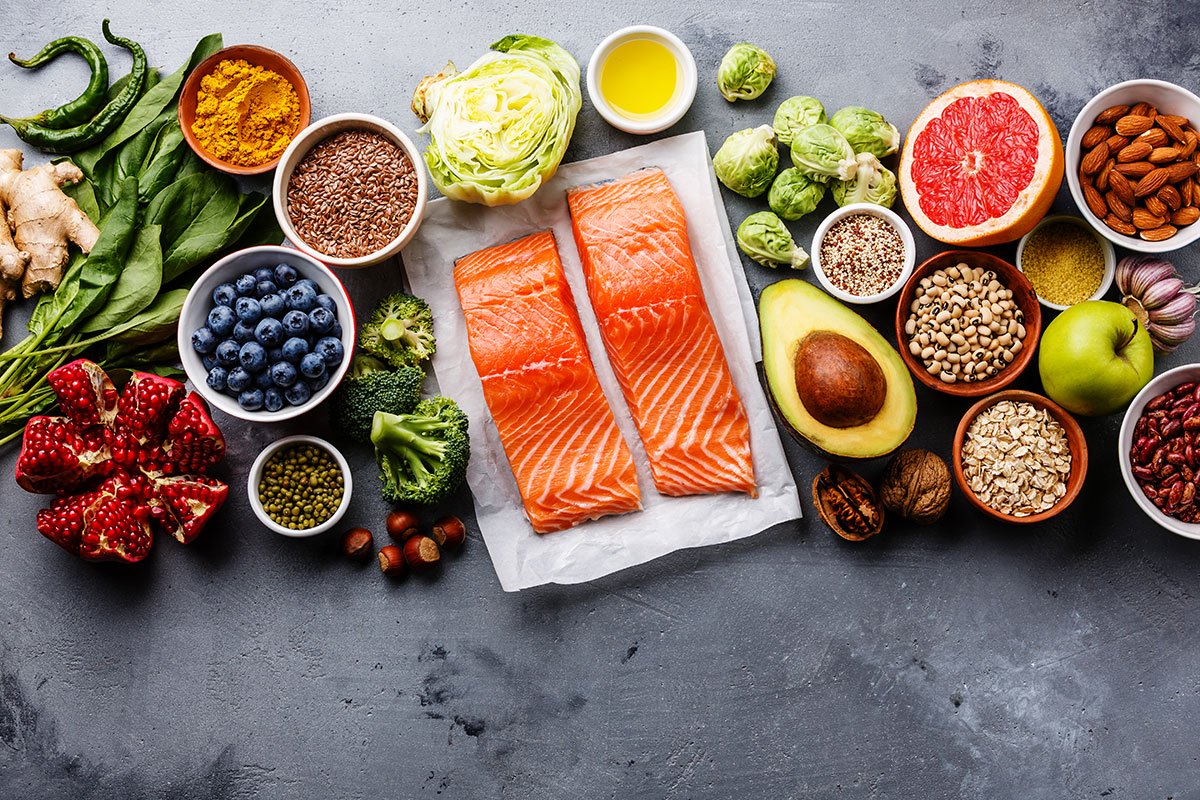
    On the other hand, an avocado, which grows on a tree, is both calorically and nutritionally dense. An avocado can weigh anywhere from 8 ounces to 3 pounds (48 ounces). So, serving size matters.
     
    One cup (8oz) of sliced avocado has 234 calories and 21 grams of fat, most of which is monounsaturated. It is packed with fiber (10g) and potassium (more than a banana), and is also a great source of vitamin-C, folate and B-6. Additionally, it has virtually no sugar (despite being a fruit) and very few carbs (for those who care about such things).
     
    In short, an avocado is loaded with healthy fats, fiber and various important nutrients.
     
    Yet, some people would choose a nutritionally lacking rice cake over an avocado simply because it is lower in calories. Bad move. Caloric content and nutritional content are not necessarily related. 
     
    No one thinks of a Big Mac as health food. Yet, you could eat three Big Macs a day and still lose weight. Don’t believe me? Well, a Big Mac has just 550 calories. Eat three a day and you’d ingest just 1,650 calories. Since the average American now eats a whopping 3,660 calories per day, eating one Big Mac for breakfast, lunch and dinner would cut that average intake by more than half. Do that, and watch the pounds melt away!
     
    However, you’d be missing lots of important nutrition on the Big Mac Diet. McDonald’s signature sandwich has minimal calcium, potassium and fiber, and zero vitamin D. However, it is loaded with sodium (44% of the daily value) and has 11 grams of saturated fat (53% of the daily value). Eat three a day and you’d be ingesting an enormous amount of salt and unhealthy fat.
     
    Oh, and one Big Mac also has nine grams of sugar. Eat three of them and you’d intake 27 grams of sugar, which is above the 24-gram daily limit recommended for women by the American Heart Association.
     
    Yet, on this Big Mac Diet you’d lose weight, and that would ultimately have a positive effect on your health. Scientific evidence shows that losing just 10 pounds can decrease hypertension, improve good cholesterol (HDL), lower triglycerides, decrease insulin resistance, reduce inflammation in blood vessels, improve or reverse sleep apnea, and increase energy and vitality.
     
    That said, there are better, healthier ways to lose weight than the Big Mac Diet. 
     
    The point is that calories and nutrition are not synonymous. You can eat a low-calorie diet that is not healthy. More to the point, you can eat a low-calorie diet and not necessarily be healthy.
     
    On the other hand, you can eat a very healthy diet featuring high-calorie foods that are packed with nutrition (i.e., avocados, nuts, nut-butters, salmon, whole-fat yogurt, etc.). Additionally, high-calorie foods are more filling than most low-calorie foods (like rice cakes), meaning you might ultimately eat less.
     
    Low calorie foods are not necessarily nutritious, beneficial or preferable. And high-calorie foods are not necessarily unhealthy or to be avoided. The goal should be to maximize nutrition at each and every meal, even if you also seek to limit calories.
     
    If you need to lose weight to be more healthy, you can do this by eating healthy, whole foods, such as fruits, vegetables, a wide variety of animal- and/or plant-based proteins, plus whole grains (There’s more than just wheat, people! Try spelt, millet, amaranth, quinoa, black or red rice, whole oats, etc.).
     
    And, yes, you can indeed lose weight by including healthy, high-calorie foods in your diet. You just need to limit your total caloric intake. To do that, you need to track your daily caloric input. And you should also know how many calories you need each day.
     
    As the Twinkie Diet proved, you can eat an unhealthy diet and still lose weight. The Big Mac Diet would be no different.
     
    By the same token, you can have a healthy diet and still gain weight, if your caloric intake is higher than your needs.
     
    To lose weight, it comes down to quality and quantity. You should aim for higher quality foods, and a lower quantity of them, each day.
  • What Is Your Heart Rate Monitor Really Telling You?

    What Is Your Heart Rate Monitor Really Telling You?

    Wrist-based heart-rate monitors are all the rage the days; many of my clients wear them to the gym each day. Yet, aside from the fact that these wrist-based heart-rate monitors are less accurate than the chest-strap versions, especially as you work harder (some models can be off by several beats per minute according to new research), they don’t offer users any perspective.
     
    What does it truly mean if your heart rate is 135, 145 or 155 beats per minute? Unless you know your maximum heart rate (MHR) and what percentage of it you’re working at, that info is useless.
     
    The well-known calculation of 220 minus your age to calculate MHR has long been known to be quite inaccurate. Yet, unfortunately, it remains a common standard for maximum heart rate calculations. For example, a 40-year-old person would subtract 40 from 220, indicating a maximum heart rate of 180 beats per minute.
     
    Known as the Fox formula, this classic maximum heart rate calculation was developed for untrained healthy adult males, though it was also considered valid for untrained healthy adult females and children.
     
    The Fox formula originated in the late 1960s, when William Haskell, an exercise physiologist who is now at Stanford University, and Sam Fox, a cardiologist, came up with a formula to determine the maximum heart rates of people who were having treadmill stress tests for heart disease.
     
    However, it was not really a scientific effort. Rather, it was a suggestion, based on a decidedly non-random and small sample of people. When Haskell and Fox proposed the formula, they never intended to give an absolute number for athletes or people who are used to exercising vigorously.
     
    Yet, it’s now recognized that that an individual’s maximum heart rate can vary widely from what that formula predicts — by as many as 30 beats per minute higher or lower.
     
    In essence, the Fox formula is as likely to be wrong as it is to be right. In fact, this formula’s reliability is 0.51. In other words, it’s reliable about half the time.
     
    The Tanaka formula for maximum heart rate is more accurate. It was developed based on studies of thousands of test subjects, can be used for all age and gender groups, and is considered to be more reliable than the Fox formula.
     
    • Fox: Maximum Heart Rate (beats/minute) = 220 minus Age
    • Tanaka: Maximum Heart Rate (beats/minute) = 208 minus (0.7 x Age)
     
    Using the Tanaka formula, a 40-year-old person would multiply 40 by 0.7, which equals 28. Then they would subtract 28 from 208, indicting a maximum heart rate of 180 beats per minute. You may remember that this is the same figure determined by the Fox formula. However, this is a coincidence, not the norm.
     
    For example:
     
    50-year-old
     
    • Fox formula: maximum heart rate = 170 (220 minus 50)
    • Tanaka formula: maximum heart rate = 173 (208 minus 35)
     
    30-year-old
     
    • Fox formula: maximum heart rate = 190 (220 minus 30)
    • Tanaka formula: maximum heart rate = 187 (208 minus 21)
     
    Ok, so now you can calculate your maximum heart rate. What does that mean? How does that help you?
     
    Reaching your MHR doesn’t mean your heart will explode! And it doesn’t guarantee a heart attack either. People train at this level for brief periods during their workouts every day, and they do it again and again and again.
     
    Most well-trained, fit people can maintain their maximum heart rate for just 1-2 minutes. Yet, world-class athletes may sustain their MHR for 3-4 minutes. On the other hand, a person who is quite out of shape may only be able to sustain their maximum heart rate for about 10 seconds or so.
     
    Yet, the ability to sustain MHR is just one measure of your fitness. How quickly your heart is able to recover from high-intensity exercise, during periods of lower heart-rate work or rest, matters a lot. The ability to recover (lower) your heart rate quickly is also an important measure of fitness.
     
    Familiarity and experience with exercise matters. Someone who works out regularly may be very accustomed to briefly pushing their heart rate to 85, 90 or even 100 percent. Yet, someone who is sedentary may find that pushing their heart rate to 70 percent is excruciating and scary. It’s all about perspective.
     
    It’s important to recognize that you can’t improve or increase your maximum heart rate with exercise. MHR is determined by genetics and age; as we get older, our MHR declines. Furthermore, not every 30-year-old will have the exact same maximum heart rate, nor will all 40-year-olds or 50-year-olds, etc. The calculation is an approximation, not a scientific assurance.
     
    What’s important is not what your maximum heart rate is, but what heart rate you can sustain for an extended period. Someone with a MHR of 190 isn’t necessarily more fit than someone with a MHR of 180. Person A, with the 190 MHR, may only be able to sustain 70 percent of that. Meanwhile, Person B, with the 180 MHR, may be able to sustain 85 percent of that. Person B is more fit, which is what matters — not an age-determined MHR.
     
    It’s important to remember that your heart rate has variability when you’re exerting yourself, such as when you’re working out. Most exercisers can’t simply pin their heart rate at 70, 80 or 90 percent of MHR. That’s because heart rate fluctuates throughout exercise. Your heart rate may rise quickly at the onset of a workout, then level out at a lower number. As you continue to workout, it may, over time, begin to climb again. And the harder you work, the more your heart rate may continue to rise throughout the workout.
     
    This is why you should pick a target heart-rate zone for your workouts, so that it doesn’t go to low or too high.
     
    The target heart rate during moderate intensity activities is about 50-70% of maximum heart rate, while during vigorous physical activity it’s about 70-85% of maximum, according to the American Heart Association.
     
    Of course, you can push your heart rate higher for brief periods and then allow it to recover. This is the essence of high-intensity interval training (HIIT), which is used not only by athletes but also by older folks and those with chronic conditions, such as diabetes or heart disease.
     
    Lastly, another important determinant of fitness is resting heart rate. The average resting heart rate is usually between 60 and 80 beats per minute, though it can even be as high as 100 bpm. Yet, some athletes have resting heart rates as low as 30 to 40 bpm. So, exercise can indeed lower resting heart rate, and this is important because every heart has a pre-determined number of beats from birth. The slower we get there, the better!
     
    In 2013, a team of Danish researchers published16 years of work on just under 5,200 men in the journal BMJ Heart. The researchers determined that higher resting heart rates correlated with a greater chance of dying.
     
    Those participants who ranged between 71 to 80 beats per minute had a 51 percent greater chance of dying prematurely than those with a resting rate of under 50 beats. At 81 to 90 beats per minute, that risk was double. And over 90, it tripled.
     
    So, there’s a lot more to the heart-rate story than just the number flashing on your watch.
     
    In conclusion, if you’re using a heart rate monitor while working out, it’s important to calculate your maximum heart rate, and to know your target heart-rate zone, as well as your resting heart rate. Once you know all of these things, then you’ll have some context for that heart rate number popping up on your watch.
  • Good Habits Can Have a Domino Effect

    Good Habits Can Have a Domino Effect

    We all have various reasons that we work out, assuming we do so at all. For some, it’s to relieve stress and anxiety. Some may feel a great sense of pride and accomplishment afterwards. For others, working out may be a vanity project that provides a sense of confidence and the ability to fit into tight jeans or proudly wear a tank top or a backless dress.
     
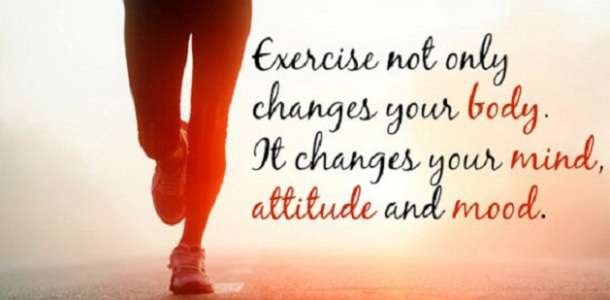
    Yet, health outcomes, not simply appearance, should be your main motivation. It’s well established that the health benefits of exercise go beyond the physical. Once you make exercise part of your routine, you may notice a host of psychological benefits, such as feeling more energized, less stressed, and sleeping better.
     
    As you begin to notice how much better exercise makes you feel, the more you’ll want to do it regularly. At that point, exercise becomes a habit. What’s most important is to perform the activities you really enjoy, which will help you adhere to your program.
     
    It’s said that old habits are hard to break and new habits are hard to form. This is especially true with exercise. If you’re not in the habit of exercising, remaining physically inactive is effortless. To create the habit of exercising, however, takes a lot of resolve, determination and effort.
     
    The more consistent an action is, the more likely it is to become a habit. This means that exercising every day is more likely to result in habit formation. One useful idea is to schedule your exercise for a given time each day, as you would with a personal trainer. Accountability is critical to maintaining your schedule and forming a habit.
     
    As Charles Duhigg, author of The Power of Habit notes, “When people start habitually exercising, even just once per week, they start changing other, unrelated patterns in their lives, often unknowingly. They often start eating better, becoming more productive, smoking less and feeling less stressed. It’s not completely clear why. But, for many people, exercise is a keystone habit that triggers widespread, positive change.”
     
    Researchers asked some study participants to write down what they ate once a week. This keystone habit, food journaling, created a structure that helped other habits to flourish. Six months into the study, these participants had lost twice as much weight as the other study participants.
     
    Unfortunately, 42 percent of Americans are obese, according to the CDC, and another 30 percent or so qualify as overweight. So, roughly three-quarters of our population has an unhealthy bodyweight. Because of this, many people view exercise solely as a means of weight loss. But there’s a whole lot more to it than that. The mental and emotional components of exercise cannot be emphasized enough.
     
    Exercise has been shown to increase grey matter in the brain, according to research published by the Mayo Clinic. Exercise also promotes brain plasticity by stimulating the growth of new connections between cells. Consequently, exercise improves cognitive ability and memory. 
     
    Furthermore, exercise releases chemicals, such as endorphins and serotonin, that improve your mood. As noted, exercise not only enhances self-esteem, it also reduces anxiety and depressed mood.
     
    “There’s good epidemiological data to suggest that active people are less depressed than inactive people. And people who were active and stopped tend to be more depressed than those who maintain or initiate an exercise program,” says James Blumenthal, PhD, a clinical psychologist at Duke University.
     
    Yet, there’s no denying the impact that exercise can have on our physical health and our ability to function well, aka, perform our activities of daily living.
     
    Don’t wait until your doctor tells you to exercise! At that point, too much time will have been lost.
     
    More than 1-in-3 adults, about 92.1 million people, have at least one type of cardiovascular disease, which is preventable.
     
    In fact, many forms of chronic illness are preventable. According to the CDC, the health-risk behaviors we can change include: lack of exercise/physical activity, poor nutrition, tobacco use and excessive alcohol use. These four behaviors cause much of the illness, suffering and early death related to chronic diseases and conditions. In essence, they are bad habits that can be corrected.
     
    It’s important to remember that health is not just about food and exercise. Everyone would benefit from things such as meditation, learning a new skill, developing a new hobby, and/or growing your social network. Each of these things can make you a healthier person in measurable ways. 
     
    If you’re new to exercise or haven’t done it in a long time, start slowly. Don’t take the attitude that you can get fit today or even this week. Allow your body time to adjust to the demands you’re placing on it. Your exercise routine should be progressive, growing in either intensity or duration as your fitness level gradually improves.
     
    The physical effects of exercise — such as weight loss, lower blood pressure or a lower resting heart rate — take time and patience; you may not see your numbers move for weeks to months.
     
    The mood boost from exercise, however, is often immediate, offering near-instant gratification. Alleviating mood disorders, such as anxiety or depression, may take longer, but the mental and emotional effects of exercise are often immediately tangible.
     
    The most important takeaway is that good habits can have a domino effect, with one healthy change leading to another and so on. After committing to a few healthy acts, we’re less likely to back-step and commit unhealthy acts. After all, no one wants to undermine their own progress.
     
    Start with the easiest change you can think of; pick the low hanging fruit first. Once you’ve created a healthy daily habit that lasts a couple of weeks, add another easy-to-achieve step. View these changes as rungs on a ladder; take them one step at a time. Be consistent and be progressive. But don’t take on too much, too soon. 
     
    Small victories lead to a sense of pride, achievement and accomplishment. These are all empowering and rewarding feelings. Ultimately, one good change will lead to another.
  • The Benefits of an Anti-Inflammatory Diet

    The Benefits of an Anti-Inflammatory Diet

    More and more, doctors and researchers are concluding that inflammation is the root of arterial and heart diseases, as well as cancers. In fact, inflammation seems to be at the heart of all kinds of illnesses and maladies.
     
    Of particular concern is chronic inflammation, the common factor in many chronic diseases. Whereas acute inflammation is a healthy response to injury, chronic inflammation causes problems over time. Aside from heart disease and cancers, other common and well-studied conditions associated with chronic inflammation include diabetes, obesity, arthritis, depression, and Alzheimer’s disease.
     
    Chronic inflammation is also said to be the root cause of leaky gut, irritable bowel syndrome (IBS), and insulin resistance. Additionally, inflammation can also be the root of chronic constipation, chronic nausea, fatigue, irregular periods, acne, PMS, weight gain and irregular blood sugar.
     
    Chronic inflammation results when the immune system releases chemicals meant to combat injury and infections (both bacterial and viral), even when there are no foreign invaders to fight off. Inflammation is the body’s natural response to protect itself against harm, but it is meant to be temporary. Chronic inflammation, however, doesn’t simply go away.
     
    Moderate exercise and effective stress management are thought to be central in preventing inflammatory diseases. Yet, dietary interventions are also critical. For many people, chronic inflammation is the result of a poor diet. Inflammatory foods cause our body’s immune response to flare up, creating chronic inflammation.
     
    On the other hand, an anti-inflammatory diet can help prevent or reduce low-grade chronic inflammation, which is notoriously a key risk factor in the host of health problems and major diseases previously noted.
     
    Eating anti-inflammatory foods reduces the inflammation in our body, thus reducing the symptoms caused by inflammation and, ultimately, the risk of chronic disease.
     
    “Many experimental studies have shown that components of foods or beverages may have anti-inflammatory effects,” says Dr. Frank Hu, professor of nutrition and epidemiology in the Department of Nutrition at the Harvard School of Public Health.
     
    This makes sense. After all, food is medicine. Good health starts with good food. Choose the right anti-inflammatory foods and you may be able to reduce your risk of illness. Consistently pick the wrong ones, however, and you could accelerate the inflammatory disease process.
     
    For example, the Mediterranean diet is said to reduce inflammation. This diet emphasizes fish, vegetables, olive oil, fruits, nuts and whole grains.
     
    FOODS THAT FIGHT INFLAMMATION:
     
    • Tomatoes
    • Olive oil
    • Green leafy vegetables, such as spinach, kale and collards
    • Nuts, like almonds and walnuts
    • Fatty fish, like salmon, mackerel, tuna and sardines
    • Fruits, such as strawberries, blueberries, cherries, apples and oranges
     
    Coffee, which contains polyphenols and other anti-inflammatory compounds, may also protect against inflammation.
     
    FOODS THAT CAUSE INFLAMMATION:
     
    • Refined carbohydrates, such as white bread, crackers and pastries
    • French fries and other fried foods
    • Soda and other sugar-sweetened beverages
    • Red meat (burgers, steaks) and processed meat (hot dogs, sausage)
    • Margarine, shortening and lard
     
    The anti-inflammatory diet is thought to curb chronic inflammation and help prevent or treat the following conditions: allergies, Alzheimer’s disease, arthritis, asthma, cancer, depression, diabetes, gout, heart disease, inflammatory bowel disease (such as ulcerative colitis and Crohn’s disease), irritable bowel syndrome (IBS) and stroke.
     
    Research suggests that people with a high intake of vegetables, fruits, nuts, seeds, healthy oils and fish may have a reduced risk for inflammation-related diseases. In addition, substances found in some foods, particularly antioxidants and omega-3 fatty acids, appear to possess anti-inflammatory effects.
     
    Omega-3 fatty acids (found in salmon, flax seed/oil, soy, tofu and nuts) may have anti-inflammatory effects, protecting against various inflammatory diseases. Omega-3 fatty acids may also reduce the incidence of heart disease and benefit intestinal health.
     
    Additionally, elevated blood levels of high-density lipoprotein (HDL) are also an important protective factor against sustained inflammation. HDL cholesterol, often referred to as “good” or healthy cholesterol, picks up excess cholesterol in your blood and returns it to your liver, where it’s broken down and removed from your body.
     
    HDL levels for both men and women should be 60 milligrams per deciliter (mg/dL) or above. When HDL levels dip below 40 mg/dL, your risk of heart disease rises.
     
    People with naturally higher levels of HDL cholesterol are at lower risk of heart attack and stroke. It’s less clear whether that same benefit holds true for people who increase their HDL levels with medications, according to the Mayo Clinic.
     
    Some healthful ways to raise your HDL cholesterol include:
     
    • Consume olive oil
    • Eat fatty fish often
    • Exercise regularly
    • Lose weight
    • Stop smoking
     
    Your dietary goal should simply be to eat more real, whole food and less of the unhealthy, processed, refined junk foods. A healthy diet will help you feel better and also reduce health risks.
     
    The best anti-inflammatory foods include:
     
    • organic fruits and veggies
    • fermented foods rich in probiotics
    • bone broth to heal the gut and boost immunity
    • beans and legumes
    • healthy fats (like salmon, avocados, olive oil, nuts and seeds)
    • spices and herbs (turmeric, ginger, cinnamon, garlic, cayenne, black pepper, clove)
     
    Some additional tips:
     
    Drinking one green smoothie every day is an easy, delicious way to get 2–4 servings of fruits and veggies.
     
    Before or after working out, down a glass of tart cherry juice, or blend it into your smoothie. The antioxidant compounds in the cherries help reduce inflammation.
     
    Magnesium also has anti-inflammatory benefits. Yet, magnesium deficiency is one of the leading nutrient deficiencies in adults, with an estimated 80 percent of us being deficient in this vital mineral. That’s because merely 30% to 40% of dietary magnesium is actually absorbed by the body.
     
    Magnesium is widely found in plant and animal foods. Green leafy vegetables (such as spinach), legumes, nuts, seeds and whole grains are all good sources. In general, foods containing dietary fiber provide magnesium.
     
    The science is clear: Adhering to an anti-inflammatory diet can help protect you from a host of chronic inflammatory diseases. Take the first steps by gradually adding more and more of these anti-inflammatory foods into your diet, which will help to crowd out the inflammatory foods that can lead to illness and disease. Take it one step at a time.
  • How Your BMR and RMR Contribute to Your Weight Status

    How Your BMR and RMR Contribute to Your Weight Status

    If you’ve ever weighed yourself before bed at night and again in the morning, you may have been surprised that you lost anywhere from 1-3 pounds. This is fairly normal. We all lose weight at night while sleeping.
     
    How much we lose overnight depends on whether we get enough sleep, how much water we excrete, and our basal metabolic rate (BMR), which is largely determined by the amount of muscle we have (muscle is quite metabolically active).
     
    The body is in an entirely aerobic state while we’re sleeping, since it uses only fat to operate in such a low-energy state (carbohydrates are used only for higher energy demands). Our heart, brain and other organs all need energy to maintain basic functions while we’re sleeping.
     
    In one hour of sleep, most people burn 0.4 to 0.5 calorie for every pound of body weight. For example, a 150-pound person would multiply 150 by 0.4 or 0.5 to get 60 to 75 calories used in one hour of sleep. After eight hours of sleep, that person has burned 480 to 500 calories.
     
    A 200-pound person would burn 80-100 calories per hour, or 640-800 calories during eight hours of sleep.
     
    This may seem unbelievable, but it’s true. You’re burning calories all day long — even while sleeping — just to stay alive; that’s your BMR. Additionally, energy is also expended by digesting your food and from non-exercise daily movements, such as brushing your teeth, getting dressed and pouring your morning coffee. This additional expenditure is known as your resting metabolic rate (RMR).
     
    For American women, the average BMR is 1,493 calories. For American men, the average BMR is 1,662 calories.
     
    Your BMR accounts for about 70 percent of the calories you burn every day (in general, men have a higher BMR than women). This is critically important since there is no way we can exercise away all the calories we consume each day.
     
    Muscle is the single most important predictor of how well you metabolize your food, burn calories, and burn body fat. However, beginning in our late 20s, we start losing muscle, which means our metabolism also starts declining. A consistent weight training program can stop this decline and even reverse it.
     
    There are approximately 3,500 calories in a pound of stored body fat. If you subtract 3,500 calories each week through diet, exercise or a combination of both, you will lose one pound of body weight.
     
    On average, 75 percent of this is fat and 25 percent is lean tissue, which is why it’s so important to strength train while attempting to lose weight; you don’t want to lose your precious muscle along with that unwanted fat. Muscles at rest burn three times more calories than fat, so maintaining or increasing muscle mass influences BMR.
     
    In simple terms, if you’re seeking to lose weight, aim for a 500-calorie deficit each day of the week (7 x 500 = 3,500).
     
    As a guide, the American College of Sports Medicine (ACSM) recommends that women never drop their calorie-intake level below 1,200 per day and men should not go below 1,800 calories per day.
     
    So, back to where we started: it’s possible for a 150-pound person to lose about 1 pound each week simply by sleeping eight hours every night. Remember, a person of this weight burns roughly 500 calories while sleeping each night. Sleep is very valuable!  In fact, sleep deprivation has been linked to an increase in weight.
     
    Clearly, much of this 1-pound of weight loss is water, not just fat (we lose water gradually each night through respiration and perspiration), but burning 500 calories overnight while sleeping is no small matter.
     
    The average person eliminates about 1.2 liters of water in urine each day, and also eliminates about 1 liter a day through perspiration and respiration. That’s 2.2 kilograms (almost 5 pounds) of weight fluctuation happening throughout the day.
     
    So, don’t get caught up in the daily fluctuations of your body weight. You can gain up to 5 pounds during the day just from your food and beverage intake — but it’s not all fat!
     
    Your BMR, non-exercise daily movements, and your daily exercise routine should allow you to at least maintain your present weight. To lose weight, however, you’ll have to reduce your daily caloric intake.
     
    You weigh less in the morning than during the rest of the day because you don’t (normally, at least) eat and drink during the night. Remember that two cups of water (16 ounces or one pint) weighs one pound, so drinking a tall glass of water will temporarily be reflected in your weight.
     
    The most accurate time to weigh yourself is first thing in the morning, when you have an empty stomach. Weighing yourself while naked will also give you a more accurate reflection of your weight. 
     
    Lastly, always weigh yourself on the same scale. Even if it’s off by a pound or so, it will be relative to itself and still reveal any upward or downward movements. Different scales may give you different results, which can be misleading or even maddening.
  • Exercise to Be Happier and More Fulfilled

    Exercise to Be Happier and More Fulfilled

    There are many reasons that people exercise. In my view — and this is what I try to impart to my clients — it’s not about having the best butt or bigger biceps; it’s about being a happier, more fulfilled, more self-satisfied person.  

    I’ve been in the been in the business of health, wellness and fitness for over 20 years, and I have to admit that my definition of health and wellness has certainly broadened over the years. Once upon a time, if you asked me to define health, I would have listed these parameters: an absence of chronic disease (i.e. coronary artery disease; hypertension; metabolic syndrome; diabetes, etc.), a healthy resting heart rate, low triglycerides, and an absence of obesity. 
     
    However, over the years, I’ve come to recognize that physical wellbeing is only part of the health equation. Mental and emotional wellbeing are vitally important, and our social wellbeing plays a significant role in both.
     
    First, let’s define these terms:
     
    Physical well-being relates to vigor and vitality, feeling very healthy and full of energy.
     
    Mental well-being includes being satisfied with one’s life; balancing positive and negative emotions; accepting one’s self; finding purpose and meaning in one’s life; seeking personal growth, autonomy and competence; believing one’s life and circumstances are under one’s control; and generally experiencing optimism.
     
    Social well-being involves providing and receiving quality support from family, friends and others.
     
    When assessing overall wellbeing, it’s important to assess: the quality of our relationships; our positive emotions and resilience; whether we’re realizing our potential; and our overall satisfaction with life.
     
    Though there are many factors that can contribute to our overall wellness, exercise is critical. There is abundant scientific research showing that exercise improves mood and makes participants happier. 
     
    Exercise promotes chemicals in the brain that improve your mood and make you more relaxed. Specifically, the brain releases feel-good chemicals called endorphins throughout the body. Physical activity also reduces anxiety and depressed mood.
     
    Exercise provides numerous other psychological benefits, such as better sleep, reduced stress, improved self-esteem and greater confidence.
     
    There are so many behaviors that can lead us to feelings of guilt: eating too many sweets or too much junk food; overeating in general; drinking too much; smoking; drug use; sleeping too little; being sedentary; not exercising, etc. With any of the aforementioned, it’s easy to say afterward, “I shouldn’t have done that.” Regrets are not fun. 
     
    But, other than the rare instance of injury, no one ever finishes a workout and says, “Man, I shouldn’t have done that.” Nobody feels guilty after a workout.
     
    There is an undeniable positive-emotion component to exercise. It makes us feel like we did something very worthwhile for ourselves, when so many of our other behaviors can make us feel unworthy. 
     
    Many adults may feel that their lives are in service to others: their kids, their spouse, their aging parents, their boss, etc. When we exercise, we feel that we are in service to ourselves; it’s our time for ourselves.
     
    Regular exercise is a great confidence and morale booster. You don’t necessarily need to aim for a particular weight-loss goal. Just aim for just feeling better about yourself, physically and emotionally.
     
    Exercise even helps your brain grow new neurons. In this process, called neurogenesis, new neurons (brain cells) develop in the hippocampus, the brain region responsible for learning information, storing long-term memories, and regulating emotions.
     
    Exercise also promotes brain plasticity by stimulating growth of new connections between cells in many important cortical areas of the brain. 
     
    Yes, exercise leads to a happier, healthier brain!
     
    A regular exercise program may also have a domino effect, leading you to other healthier habits, such as eating more whole foods. Those two behaviors, in tandem, will ultimately change your physique, but they will also make you feel better physically and mentally. Everyone would feel better if they knew they were taking positive steps in their lives and working on self-improvement.
     
    So, don’t set a specific weight-loss target or make sculpted arms or chiseled abs your goal. Simply set a goal to feel happier, more positive and better about yourself. Exercise can serve those agendas.
     
    What better goals could anyone have? After all, there’s so much more to exercise than just how you look.
  • The Benefits of Intermittent Fasting

    The Benefits of Intermittent Fasting

    A lack of sleep may be a big contributor to America’s considerable weight problem.
     
    The National Sleep Foundation (NSF) recommends 7-9 hours of sleep each night for adults, ages 18-64. Yet, more than a third of American adults are not getting enough sleep on a regular basis, according to a CDC study.
     
    Sleeping less than seven hours per day is associated with an increased risk of developing chronic conditions such as obesity, diabetes, high blood pressure, heart disease, stroke and frequent mental distress, according to the CDC.
     
    The hunger hormones leptin and ghrelin have gotten a lot of attention in recent years. Though you may have heard of them, you may not be familiar with their functions.
     
    Think of the ‘l’ in leptin standing for lose. Leptin suppresses appetite and therefore contributes to weight loss. Think of the ‘g’ in ghrelin standing for gain. Ghrelin is a fast-acting hormone that increases hunger and leads to weight gain.
     
    When you’re sleep deprived, research shows, ghrelin levels surge while leptin plummets. The result is an increase in hunger.
     
    The key to reducing your nighttime cravings is to get more sleep; 7-9 hours.
     
    Another key to successful weight loss technique is intermittent fasting or time-restricted eating.
     
    Recent research shows the benefits of intermittent fasting, and those who have tried it often view it as a sustainable, long-term solution.
     
    In the simplest form, intermittent fasting would amount to 12 hours on and 12 hours off. For example, food can be eaten only between 7am and 7pm or 8am and 8pm.
     
    However, research shows that the sweet spot seems to be 10 hours on and 14 hours off. For example, eating only from 9am to 7pm, and then fasting until 9am the next day.
     
    Some intermittent-fasting proponents use only an eight-hour feeding window, with 16 hours of continual fasting each day. For example, eating meals between 12pm and 8pm each day, and fasting at all other times.
     
    This helps to thwart any late-night snacking habits.
     
    The benefit of time-restricted eating is that it allows you to naturally reduce your food intake without counting calories. That’s preferable to most people.
     
    Ultimately, intermittent fasting is about the “when” of eating, not the “what” or “how much.”
     
    Some researchers believe that the rise of later nighttime eating may have thrown off our evolutionary circadian rhythm, the 24-hour cycle that governs the physiological processes of humans and most other living beings, which may be contributing significantly to increases in obesity.
     
    Some studies suggest that by honoring the circadian rhythm and restricting feeding primarily to the daylight hours, we can improve our health and prevent disease.
     
    Fasting allows us to eat in harmony with our circadian rhythm. Circadian rhythms — which determine the sleeping and feeding patterns of all animals, including humans — can be modulated by external cues, such as sunlight.
     
    However, living in the 21st Century has disrupted our circadian rhythms. There is so much artificial light at night that the mind can confuse it with daytime. We also spend an exceptional amount of time (up to 12 hours a day) in front of screens (TVs, computers, tablets and smart phones) that emit blue light, which stimulates the retinal nerves and brain.
     
    21st Century adults spend, on average, 87%-93% of our 24-hours indoors and less than 5% of hours outdoors during the day. This light-dark rhythm disruption leads to less daytime alertness, and promotes depression (especially in older adults) and ADHD.
     
    This has resulted in circadian misalignment, in which our central and peripheral clocks are out of synch. Examples: too much light at night, sleep during daytime and food intake at night.
     
    Time-restricted feeding (12-16 hours of non-feeding) has proven to be the best match to our circadian clocks. The key is to eliminating nocturnal eating. The health benefits of time-restricted feeding double every extra hour of non-feeding time beyond 12 hours, up to 16 hours.
     
    While it is certainly wise to eat a variety of whole foods with high-quality sources of protein, fat and carbohydrate, timing may be the most crucial element when it comes to our eating habits.
     
    Another key is mindfulness. Being a more conscious (mindful) eater also helps you make healthier decisions during your eating window each day, so that you have adequate protein, fiber and water in your diet.
     
    In one study (by Dr. Satchidananda Panda, PhD), participants who adjusted their feeding time from their typical 14–15 hours down to 10 hours not only shed an average of 4% of their body weight, but also reported significantly improved energy levels and more satisfying sleep. Most remarkably, they ate their normal foods and didn’t change their exercise habits.
     
    Choosing to commit to intermittent fasting is easier if you do it with your partner/spouse or family. Any lifestyle change made in conjuncture with someone you live with can make a big difference. It creates a support system and can help keep you accountable.
     
    At the least, focus on getting 7-9 hours of sleep each night and eliminate nighttime snacking. However, you may want to try intermittent fasting / time-restricted eating for about a month to see how it works for you.
     
    It’s not very challenging. I do it and it’s made a difference for me. In fact, I highly recommend it.
  • Here’s Why Rotational Exercises Are So Critical

    Here’s Why Rotational Exercises Are So Critical

    Look around any gym and you’ll see workout enthusiasts performing some very common exercises, such as the bench press, shoulder press, pull downs, rows, bicep curls, squats and lunges, for example. However, all of these exercises occur in just two planes of motion: sagittal (mostly) and frontal.
     
    Yet, human movement occurs in all three planes of motion: sagittal, frontal and transverse. Nevertheless, many people forget about or ignore the transverse plane, which is ill-advised. In fact, it is the most overlooked plane of motion.
     
    Let’s quickly examine the three planes of movement:
     
    The sagittal plane divides the body into left and right halves, using an imaginary line. Any forward or backward movement occurs in the sagittal plane.
     
    The frontal plane divides the body into front and back halves. Any lateral (side) movement occurs in the frontal plane.
     
    Last, but certainly not least, the transverse plane divides the body into superior (upper) and inferior (lower) halves. Rotational movements, such as spinal and limb rotation, occur in the transverse plane.
     
    Certain activities — such as swinging a golf club, a baseball bat or a tennis racket and throwing a punch, for example — generate spinal rotation in the transverse plane.
     
    Exercises that focus on rotation and anti-rotation are critical to good spinal health and stability. Anti-rotation exercises create stability through the core, without moving at the spine. In essence, these exercises create the necessary strength to prevent trunk rotation from occurring when it shouldn’t.
     
    One of the main functions of the core is to stabilize the spine and pelvis, which enhances power transfer and reduces shear loading on the spinal disks. Ultimately, a strong and functional core reduces injuries by stabilizing the spine.
     
    On the other hand, a weak core leads to general weakness. The point of having a strong core is not have “ripped abs.” The point is to have greater strength and stability when performing all functional, daily movements and exercises.
     
    For example, the limiting factor when performing a standing cable chest press is a lack of core strength and stability, not a lack of chest and shoulder strength.
     
    Human movement is a complex interplay of all three planes of motion, so rotational training shouldn’t be an afterthought.
     
    Exercises such as the side plank and bird dog are fundamental to any good workout program. There are even more advanced exercises that can be be added to your program over time.
     
    Your trainer or strength coach should be incorporating rotational training into your program. Regardless of your fitness level or goals, your trainer must understand the importance of transverse-plane movement to help you maximize your performance and to reduce the chance of injury during your day-to-day life.
     
    If you need assistance with this, I can help. The functional training programs I utilize place great emphasis on training in the transverse plane. This will help build your core strength, stabilize your spine and improve your ability to move well.  
     
    Get in Motion. Stay in Motion.