Category: anti-inflammatory
-

Why It’s Critical to Manage Your Stress
There may be an even greater risk to your heart’s health than high blood pressure, high LDL cholesterol, smoking, diabetes, obesity and physical inactivity. Chronic psychological stress may be more dangerous to heart health than each of these traditional cardiac risk factors.A recent study, published in JAMA, found that mental stress took a significantly greater toll on the hearts and lives of heart patients than did physical stress. The patients were more likely to suffer a non-fatal heart attack or die of cardiovascular disease in the years that followed.A previous study of patients from 52 countries found that those who experienced a high level of psychological stress during the year before they entered the study were more than twice as likely to suffer a heart attack during an average follow-up of five years, even when traditional risk factors were taken into account.The study, known as Interheart, showed that psychological stress is an independent risk factor for heart attacks, similar in heart-damaging effects to the more commonly measured cardiovascular risks.Stress is a profound, yet underrated, factor in the development of cardiovascular disease (CVD). Stress, itself, exacerbates cholesterol levels, raises blood pressure and heart rate, and often creates the kind of pressure that prevents a person from engaging in adequate self-care activities.Science has shown that an unrelenting barrage of stress hormones can break down the body, leading to obesity, disease, depression and more. Stress hormones have a profound effect on the brain. They actually change the brain, alter behavior and impact mental health. There’s growing evidence indicating that depressive illness and hostility are both associated with cardiovascular disease (CVD) and other systemic disorders.Ultimately, stress affects us in every way — body, mind, emotions and behavior. Here’s how:Stress can negatively affect the immune system, skin, hormones, bones, brain, heart, gut and muscles.The effects of stress in the body can manifest in many ways: headaches, frequent infections, tight muscles, muscle twitches, fatigue, skin irritations and poor breathing, for example.Stress can also affect our minds in the form of: worrying, impaired judgement, nightmares, indecision, negativity and hasty decisions, for example.Stress affect our emotions in the the following ways: loss of confidence, irritability, depression, apathy, alienation and apprehension, for example.Stress can also affect our behavior in the following ways: insomnia, restlessness, drinking more, smoking more, loss of appetite and loss of sex drive, for example.Stress affects our nervous system and raises cortisol levels, which can affect metabolism, blood pressure, heart rate and the immune system. Continually high cortisol levels result in weight gain, digestive problems, heart disease and a suppressed immune system.The immune system is designed to ward off these problems. However, the stress hormone cortisol is known to interfere with immune functioning. So, it’s important to find healthy ways to mitigate and manage your stress.It should be noted that not all stress is bad, however. Good stress allows us to respond to an immediate challenge with a burst of energy that focuses the mind. And transient stress is a response to daily frustrations that resolve quickly. The problem is chronic stress, which results from a toxic, unrelenting barrage of challenges that eventually breaks down the body.What can you do to mitigate the effects of chronic stress and/or anxiety?Regular physical exercise can help to tamp down stress and the body-wide inflammation it can cause. Research shows that exercise lowers anxiety levels, and it does it rather quickly — in about 10 minutes. Exercise is a great way to bring wellness to your brain. A single workout increases neurotransmitters like dopamine, serotonin and noradrenaline, and these mood boosters can also improve your memory and focus for up to three hours afterwards. So, exercise helps your mental health, as well as your cognition.A healthy, balanced diet can also help to relieve stress. What you put into your body affects you, for better or worse, in myriad ways. Sugar and processed foods can lead to inflammation throughout the body and brain, which may contribute to mood disorders, including anxiety and depression. Yet, when we’re feeling stressed or depressed, it’s often processed foods that we reach for as a means of coping. This just creates a feedback loop.Adequate nightly sleep is also a stress reliever. On the other hand, poor sleep increases stress and promotes arterial inflammation. For this reason, developing good sleep habits can also reduce the risk of cardiovascular damage. Adopt a consistent pattern of bedtime and awakening, and avoid exposure at bedtime to screens that emit blue light, like smartphones and computers, or use blue-light filters for such devices.Maintaining a healthy social support network is also a critical means of stress management. Loneliness and isolation have been scientifically proven to be really bad for our health.Relaxation techniques, such as meditation, can result in a rebalancing of your hormone levels, including: increased serotonin (happiness hormone), increased endorphins (pain relief hormone), increased melatonin (sleep hormone), decreased adrenaline (action hormone), and deceased norepinephrine (fight or fight hormone), as well as the enhancement of your immune system. Simply put, meditation helps people reduce stress and build resilience.Controlled breathing has also been shown to reduce stress, increase alertness, and boost your immune system. Yogis have for ages long used breath control, or pranayama, to promote concentration and improve vitality.Studies have found that breathing practices can help reduce symptoms associated with anxiety, insomnia, post-traumatic stress disorder, depression and attention deficit disorder.Consciously slowing your breath can turn on the parasympathetic nervous system, which can slow heart rate and promote feelings of calm and relaxation.A 2011 review article in Health Science Journal identified some of the potential health benefits of deep breathing techniques, particularly for deep breathing from the diaphragm. These include:• Reduced anxiety• Better stress management• Reduced hypertension• Decreased fatigue• Improved migraine symptoms• Reduced aggressive behavior in adolescent males• Reduced symptoms of asthma in children and adolescentsUltimately, techniques such as meditation and controlled breathing activate the parasympathetic nervous system, which calms the brain and body. These techniques can help you become calmer, while relieving anxiety and stress, which can lead to healthier physical, mental and emotional outcomes.We will never eliminate all stress from our lives, but we can seek to reduce it, better tolerate it, and recover from it. Whatever you do, find ways to lessen and manage your stress. It can have a significant impact on your health.Although stress is a part of life, doing the following things can help you manage your stress:• Recognize your stress• Take time for yourself• Practice deep breathing• Meditate• Exercise• Put Joy and laughter into your life• Eat healthy, nutritious foods• Avoid putting anything unhealthy in your body• Have good sleep habits -

Here’s Why, Perhaps, You Should Be Supplementing With Vitamin D
Vitamin D is a fat-soluble vitamin that serves a number critical functions in the body. However, there’s a good chance you’re not getting enough of it.
Vitamin D plays an important role in immune function. Not only does vitamin D enhance our immune systems, it also prevents our immune systems from becoming dangerously overactive. An overactive immune system leads to many autoimmune disorders in which your body can’t tell the difference between your healthy, normal cells and invaders.
Additionally, a new study by researchers at University of South Australia finds that people with vitamin D deficiency are more likely to suffer from heart disease and higher blood pressure than those with normal levels of vitamin D. For study participants with the lowest concentrations of vitamin D, the risk of heart disease was more than double that seen for those with sufficient concentrations.
Vitamin D is also very important for people with joint pain, and research shows that people with low levels of vitamin D may indeed suffer more joint pain. In fact, vitamin D deficiency can cause subtle widespread pain that may be misdiagnosed as fibromyalgia and/or chronic fatigue syndrome, including symptoms like muscle and bone aching, fatigue and weakness, a lower pain threshold, and more acute soreness after exercise that is slower to resolve.
Though vitamin D is important for everyone, it is particularly vital for those who exercise vigorously and regularly. Vitamin D dramatically reduces muscle fatigue and studies show it decreases muscle recovery time by 20%. It can also reduce inflammation and increase muscle protein.
High levels of vitamin D in the blood are also linked with better fitness, according to research from the Virginia Commonwealth University School of Medicine. In the study, published in the European Journal of Preventive Cardiology, 20- to 49-year-olds with better vitamin D status also tended to have greater cardiorespiratory fitness, a measure of aerobic fitness often determined by measuring maximal oxygen consumption (VO2max) during exertion.
Lastly, vitamin D and calcium work together to protect your bones; calcium helps build and maintain bones, while vitamin D helps your body effectively absorb calcium. So even if you’re taking in enough calcium, it could be going to waste if you’re deficient in vitamin D. Ultimately, vitamin D is necessary for strong bones and it reduces the risk of fractures. If you don’t get enough vitamin D, you’re more likely to break bones as you age.
Though your body needs vitamin D to absorb calcium, you don’t need to take vitamin D at the same time as a calcium supplement.
But don’t forget magnesium! Vitamin D can’t be metabolized without sufficient magnesium levels, meaning vitamin D remains stored and inactive for as many as 50 percent of Americans. In addition, vitamin D supplements can increase a person’s calcium and phosphate levels even while that person remains vitamin D deficient.
Vitamin D deficiency is more common than once suspected. Nearly 1 in 4 people in the US have vitamin D blood levels that are too low or inadequate for bone and overall health, according to the National Institutes for Health.
The daily recommended amount of vitamin D for adults is 600 IU, but the upper limit is 4,000 IU. Some studies suggest that a higher daily intake of 1000–4000 IU is needed to maintain optimal blood levels. Going above 4000 IU may be toxic and should only be done under the supervision of a doctor or Registered Dietician.
There are two major types of vitamin D:
• Vitamin D2 (ergocalciferol) – which is synthesized by plants and is not produced by the human body
• Vitamin D3 (cholecalciferol) – which is made in large quantities in the skin when sunlight strikes bare skin. It can also be ingested from animal sources
Evidence suggests that vitamin D3 is approximately three times more effective at maintaining serum concentrations because the binding protein has a higher affinity to vitamin D3 than vitamin D2. This allows vitamin D3 to reside in the circulatory system longer and increase the concentration to sufficient levels more quickly.
Most over-the-counter vitamin/multivitamin preparations use vitamin D3.
Since vitamin D is fat-soluble, it is better to choose oil-based supplements or take it with food that contains some fat.
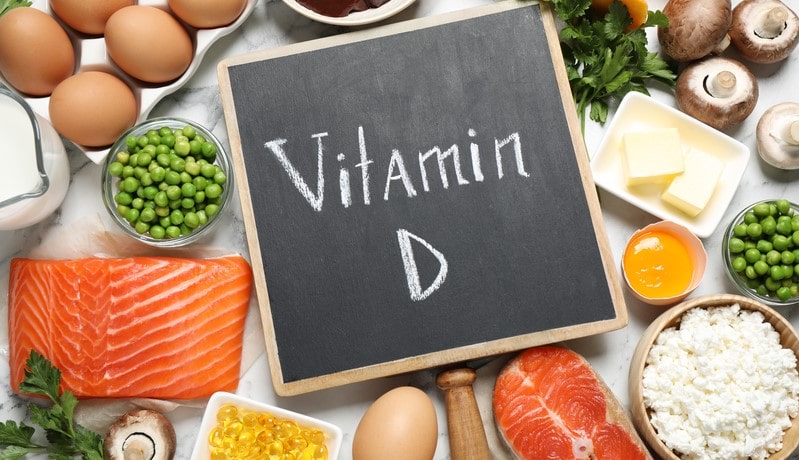
Good dietary sources include fatty fish, fish oils, egg yolk, butter and liver. All of these contain fat.
Vitamin D is special: It’s the only vitamin that we can make ourselves—our bodies create vitamin D in the form of a hormone when we process sunlight. When your skin is exposed to sunlight, it makes vitamin D from cholesterol. That’s why getting enough sunlight is very important for maintaining optimal vitamin D levels.
Factors that impact the ability of the body to synthesize vitamin D through the skin include: time of year, time of day, the presence of clouds and/or smog, skin melanin content, the application of sunscreen, and geographic latitude. For example, residents at 42° N latitude or higher are unable to synthesize vitamin D via the skin during the winter months (from November through February).
Assuming your diet is decent, if there’s only one supplement you should take for your health, it’s probably vitamin D.
-

Sugar: The Biggest Dietary Threat to Your Health
For decades, Americans were warned to reduce their fat and cholesterol intake in order to prevent heart disease, the nation’s No. 1 killer of both men and women. However, it is now known that sugar is the greater threat to our national health.The link between sugar and heart disease was purposefully obscured for decades. In 1964, after studies began linking sugar with heart disease, the Sugar Association (a sugar industry trade group) began funding research that cast doubt on sugar’s role in heart disease, in part by pointing the finger at fat.First, we should note the difference between naturally occurring sugar and added sugar, which is the real threat.Sugar occurs naturally in all foods that contain carbohydrates, such as fruits and vegetables, grains and dairy. Consuming whole foods that contain naturally occurring sugar is okay. Plant foods also have high amounts of fiber, essential vitamins, minerals and antioxidants, and dairy foods contain protein and calcium.Since your body digests these foods slowly, the sugar in them offers a steady supply of energy to your cells. A high intake of fruits, vegetables, and whole grains also has been shown to reduce the risk of chronic diseases, such as diabetes, heart disease, and some cancers.However, problems occur when you consume too much added sugar — that is, the sugar food manufacturers add to their products to increase flavor and/or extend shelf life. The added sugar in our food is generally regular table sugar (sucrose) and high-fructose corn syrup (a mix of fructose and glucose).Remarkably, sugar is the most popular ingredient added to foods in the US. In fact, about 80% of all sugar found in US foods has been added by the food industry. The top sources of sugar in the American diet are soft drinks, fruit drinks, flavored yogurts, cereals, cookies, cakes, candy, and other processed foods.Yet, added sugar is also present in items you may not think of as sweetened, such as soups, cured meats, and ketchup. Yes, sugar isn’t merely found in sweets; it’s also added to many other processed foods, such as crackers, breads, peanut butter, and salad dressings. In fact, most processed foods contain sugar.While you might not think you’re eating much sugar, chances are you’re eating a lot more than you realize. Added sugar lurks in nearly 70% of packaged foods and is found in many sauces, snacks, most breakfast foods, and even many so-called ‘health foods’.The result: we consume way too much added sugar.Today, the average American consumes 66 pounds of added sugar each year, according to government data. That’s more than one pound of sugar each week!This is of great concern since too much added sugar is among the greatest threats to cardiovascular disease. Eating and drinking too many added sugars can also contribute to other health problems, such as type-2 diabetes and obesity.“Sugar is actually more addictive than even cocaine, so it is probably the most consumed addictive substance around the world and it is wreaking havoc on our health,” says cardiovascular researcher James DiNicolantonio.Sugar’s impact on heart health has long been researched by Dr. Frank Hu, professor of nutrition at the Harvard T.H. Chan School of Public Health.In a study published in 2014 in JAMA Internal Medicine, Dr. Hu and his colleagues found an association between a high-sugar diet and a greater risk of dying from heart disease. Over the course of the 15-year study, people who got 17% to 21% of their calories from added sugar had a 38% higher risk of dying from cardiovascular disease compared with those who consumed 8% of their calories as added sugar.“Basically, the higher the intake of added sugar, the higher the risk for heart disease,” says Dr. Hu.High amounts of sugar overload the liver, potentially leading to fatty liver disease, a contributor to diabetes, which also raises your risk for heart disease.Consuming too much added sugar can also raise blood pressure and increase chronic inflammation, both of which are pathological pathways to heart disease.“The effects of added sugar intake — higher blood pressure, inflammation, weight gain, diabetes, and fatty liver disease — are all linked to an increased risk for heart attack and stroke,” says Dr. Hu.Diabetes has reached epidemic proportions in the US. It kills more Americans each year than AIDS and breast cancer combined, according to the American Diabetes Association.More than 100 million US adults are now living with diabetes or pre-diabetes, according to a 2017 CDC report. Pre-diabetes is a condition that, if not treated, often leads to type-2 diabetes within five years. Despite the fact that more than a third of US adults have pre-diabetes, the majority don’t know it, says the CDC.Even a relatively small amount of sugar can do a lot of damage to your health. People who add 150 calories of sugar to their daily diet — from sources such as a 12-ounce can of Coke or an ounce of M&Ms — have 10 times greater risk of developing diabetes.Additionally, people who consume a diet high in fructose risk damaging their immune systems, a new study suggests. The study shows that fructose, which is commonly found in sugary drinks, sweets and processed foods, causes the immune system to become inflamed.Furthermore, researchers say that consuming too much added sugar (as well as artificial sweetener, fast foods, fried foods, processed foods, and alcohol) can harm your gut microbiome.The American Heart Association (AHA) has long suggested that men consume no more than nine teaspoons (36 grams) of added sugar per day. That’s close to the amount in a 12-ounce can of soda. Women are advised to limit added sugars to no more than six teaspoons a day (24 grams).However, the average American still eats about 17 teaspoons (19 for men, 15 for women) of added sugar a day, according to the CDC. That’s about double the recommended limit for men (nine teaspoons) and two-and-a-half times the limit for women (six teaspoons). This doesn’t include the sugars that occur naturally in foods like fruit or dairy products.In other words, American adults consume an average of 77 grams of added sugar per day. Again, that’s more than two times the recommended amount for men and two-and-a-half times the recommended amount for women.Recognizing the problem, the AHA now recommends that sugar intake be limited to less than 6% of daily calories, and the Dietary Guidelines Advisory Committee agrees.Yet, roughly 90% of Americans still get more than 10% of daily calories from sugar, and the top 10% of sugar-consumers ingest a whopping 40% of their calories from sugar!Beverages are the leading source of added sugars, accounting for 47% of the total. Examples of sugary beverages include regular soda, fruit drinks, sports drinks, energy drinks, sweetened waters, and coffee and tea beverages with added sugars.The US ranks third in the world in sales of sugary drinks. In 2013, the average American drank just over 38 gallons of soda a year — or about eight 12-ounce cans a week.Reading food labels is one of the best ways to monitor your intake of added sugar. Total sugar, which includes added sugar, is often listed in grams. Note the number of grams of sugar per serving as well as the total number of servings. The package might only say 5 grams of sugar per serving, but if the normal amount is three or four servings, you can easily consume 20 grams of sugar. That’s a lot of added sugar.By simply being more aware, you can substantially reduce the amount of added sugar in your diet. It would certainly be worth your while. -

The Benefits of an Anti-Inflammatory Diet
More and more, doctors and researchers are concluding that inflammation is the root of arterial and heart diseases, as well as cancers. In fact, inflammation seems to be at the heart of all kinds of illnesses and maladies.Of particular concern is chronic inflammation, the common factor in many chronic diseases. Whereas acute inflammation is a healthy response to injury, chronic inflammation causes problems over time. Aside from heart disease and cancers, other common and well-studied conditions associated with chronic inflammation include diabetes, obesity, arthritis, depression, and Alzheimer’s disease.Chronic inflammation is also said to be the root cause of leaky gut, irritable bowel syndrome (IBS), and insulin resistance. Additionally, inflammation can also be the root of chronic constipation, chronic nausea, fatigue, irregular periods, acne, PMS, weight gain and irregular blood sugar.Chronic inflammation results when the immune system releases chemicals meant to combat injury and infections (both bacterial and viral), even when there are no foreign invaders to fight off. Inflammation is the body’s natural response to protect itself against harm, but it is meant to be temporary. Chronic inflammation, however, doesn’t simply go away.Moderate exercise and effective stress management are thought to be central in preventing inflammatory diseases. Yet, dietary interventions are also critical. For many people, chronic inflammation is the result of a poor diet. Inflammatory foods cause our body’s immune response to flare up, creating chronic inflammation.On the other hand, an anti-inflammatory diet can help prevent or reduce low-grade chronic inflammation, which is notoriously a key risk factor in the host of health problems and major diseases previously noted.Eating anti-inflammatory foods reduces the inflammation in our body, thus reducing the symptoms caused by inflammation and, ultimately, the risk of chronic disease.“Many experimental studies have shown that components of foods or beverages may have anti-inflammatory effects,” says Dr. Frank Hu, professor of nutrition and epidemiology in the Department of Nutrition at the Harvard School of Public Health.This makes sense. After all, food is medicine. Good health starts with good food. Choose the right anti-inflammatory foods and you may be able to reduce your risk of illness. Consistently pick the wrong ones, however, and you could accelerate the inflammatory disease process.For example, the Mediterranean diet is said to reduce inflammation. This diet emphasizes fish, vegetables, olive oil, fruits, nuts and whole grains.FOODS THAT FIGHT INFLAMMATION:• Tomatoes• Olive oil• Green leafy vegetables, such as spinach, kale and collards• Nuts, like almonds and walnuts• Fatty fish, like salmon, mackerel, tuna and sardines• Fruits, such as strawberries, blueberries, cherries, apples and orangesCoffee, which contains polyphenols and other anti-inflammatory compounds, may also protect against inflammation.FOODS THAT CAUSE INFLAMMATION:• Refined carbohydrates, such as white bread, crackers and pastries• French fries and other fried foods• Soda and other sugar-sweetened beverages• Red meat (burgers, steaks) and processed meat (hot dogs, sausage)• Margarine, shortening and lardThe anti-inflammatory diet is thought to curb chronic inflammation and help prevent or treat the following conditions: allergies, Alzheimer’s disease, arthritis, asthma, cancer, depression, diabetes, gout, heart disease, inflammatory bowel disease (such as ulcerative colitis and Crohn’s disease), irritable bowel syndrome (IBS) and stroke.Research suggests that people with a high intake of vegetables, fruits, nuts, seeds, healthy oils and fish may have a reduced risk for inflammation-related diseases. In addition, substances found in some foods, particularly antioxidants and omega-3 fatty acids, appear to possess anti-inflammatory effects.Omega-3 fatty acids (found in salmon, flax seed/oil, soy, tofu and nuts) may have anti-inflammatory effects, protecting against various inflammatory diseases. Omega-3 fatty acids may also reduce the incidence of heart disease and benefit intestinal health.Additionally, elevated blood levels of high-density lipoprotein (HDL) are also an important protective factor against sustained inflammation. HDL cholesterol, often referred to as “good” or healthy cholesterol, picks up excess cholesterol in your blood and returns it to your liver, where it’s broken down and removed from your body.HDL levels for both men and women should be 60 milligrams per deciliter (mg/dL) or above. When HDL levels dip below 40 mg/dL, your risk of heart disease rises.People with naturally higher levels of HDL cholesterol are at lower risk of heart attack and stroke. It’s less clear whether that same benefit holds true for people who increase their HDL levels with medications, according to the Mayo Clinic.Some healthful ways to raise your HDL cholesterol include:• Consume olive oil• Eat fatty fish often• Exercise regularly• Lose weight• Stop smokingYour dietary goal should simply be to eat more real, whole food and less of the unhealthy, processed, refined junk foods. A healthy diet will help you feel better and also reduce health risks.The best anti-inflammatory foods include:• organic fruits and veggies• fermented foods rich in probiotics• bone broth to heal the gut and boost immunity• beans and legumes• healthy fats (like salmon, avocados, olive oil, nuts and seeds)• spices and herbs (turmeric, ginger, cinnamon, garlic, cayenne, black pepper, clove)Some additional tips:Drinking one green smoothie every day is an easy, delicious way to get 2–4 servings of fruits and veggies.Before or after working out, down a glass of tart cherry juice, or blend it into your smoothie. The antioxidant compounds in the cherries help reduce inflammation.Magnesium also has anti-inflammatory benefits. Yet, magnesium deficiency is one of the leading nutrient deficiencies in adults, with an estimated 80 percent of us being deficient in this vital mineral. That’s because merely 30% to 40% of dietary magnesium is actually absorbed by the body.Magnesium is widely found in plant and animal foods. Green leafy vegetables (such as spinach), legumes, nuts, seeds and whole grains are all good sources. In general, foods containing dietary fiber provide magnesium.The science is clear: Adhering to an anti-inflammatory diet can help protect you from a host of chronic inflammatory diseases. Take the first steps by gradually adding more and more of these anti-inflammatory foods into your diet, which will help to crowd out the inflammatory foods that can lead to illness and disease. Take it one step at a time.