Category: depression

  • Know Your Health; Know Your Biomarkers

    Know Your Health; Know Your Biomarkers

    America is not a healthy nation. The US spends more on health care than any other high-income country but still has the lowest life expectancy at birth and the highest rate of people with multiple chronic diseases, according to a 2023 report from The Commonwealth Fund, an independent research group. In fact, America is ranked No. 35 out of 169 countries in terms of overall citizen health, according to the Bloomberg Healthiest Country Index. This means that 34 countries are ahead of us.

    It’s easy to see why. Nearly 60% adults in the United States have at least one chronic disease, with the most common being heart disease, cancer, diabetes, arthritis, and obesity, according to the CDC. Consequently, biomarkers — objective measures of normal or abnormal processes or conditions or diseases —really matter. These might include blood pressure, resting heart rate, blood sugar levels, cholesterol levels, and body fat percentage, for example.

    Essentially half (47%) of American adults have high blood pressure (hypertension), according to the American Heart Association. That amounts to a whopping 122.4 million people. A normal blood pressure is less than 120/80 mmHg. A blood pressure of 140/90 mmHg or more is too high. People with levels from 120/80 mmHg to 139/89 mmHg have a condition called pre-hypertension, which means they are at high risk for high blood pressure.

    Having high blood pressure puts you at risk for heart disease and stroke, which are leading causes of death in the United States. However, most people who have hypertension do not experience any symptoms. People usually discover that they have hypertension following a routine blood pressure check.

    Another all-too-common disease in the US is diabetes, which is diagnosed when a person’s A1C levels are 6.5% or higher.

    According to the CDC, 11.3% of the US population has diabetes, and 23% of adults are undiagnosed. This means that more 34% of the adult population likely has diabetes. Yet, about 90-95% of people with diabetes have type-2, which is preventable. Additionally, about 98 million American adults (more than 1 in 3) have pre-diabetes. If you get the sense that diabetes is a crisis in the US, you’re right. Having diabetes also raises the risks for other chronic conditions.

    For example, if you have diabetes, you are twice as likely to have high blood pressure. Chronic diseases are often linked.
    Diabetes is the top cause of kidney failure, causing nearly half (47%) of new cases. About 1 in 3 adults with diabetes may have kidney disease. High blood pressure is the second most common cause of kidney failure, causing 27% of new cases. In fact, 1 in 5 adults with high blood pressure may have kidney disease. Are you getting the sense that many of the most common chronic diseases are linked?

    Quite astonishingly, as many as 37 million Americans have kidney disease, meaning it affects 14% of American adults. In fact, kidney disease is the fastest-growing noncommunicable disease in the US, and it’s one of the top 10 causes of death.

    The kicker is that all of the above are preventable; it’s within our hands to heal or prevent them. But there’s more.

    High LDL (bad) cholesterol levels in the bloodstream may increase the risk of heart disease and cardiovascular events like stroke. Normal cholesterol in adults is less than 200 mg/dL; borderline high is 200 to 239 mg/dL. Yet, about 86 million US adults age 20 or older have total cholesterol levels above 200 mg/dL, according to the CDC. And nearly 25 million adults in the US have total cholesterol levels above 240 mg/dL.

    The latest data indicate that 39.6% of US adults are obese, and another 31.6% are overweight. Taken together, 71.2%, or nearly three-quarters, of American adults are either overweight or obese. This comes at a tremendous cost to our national wellbeing. Overweight and obesity may increase your risk for developing health problems, such as diabetes, heart disease, stroke, and certain cancers, according to the National Institutes of Health.

    Excess body fat is associated with high levels of LDL (bad) cholesterol and triglycerides, as well as low levels of HDL (good) cholesterol. It also impairs the body’s responsiveness to insulin, raising blood sugar and insulin levels. Excess body fat contributes to major causes of death and disability, including heart attacks, strokes, high blood pressure, cancer, diabetes, osteoarthritis, fatty liver, and depression. Yet, when it comes to health, the issue is not how much you weigh but how much abdominal fat you have. Research shows that abdominal fat is the worst of the worst because it is a major contributor to cardiovascular disease.

    Waist circumference is an indicator of the health risks associated with excess fat around the waist. A waist circumference of 40 inches or more in men, or 35 inches or more in women, is associated with health problems such as type 2 diabetes, heart disease, and high blood pressure. Ideally, everyone should aim to keep their waist measurement less than half that of their height, according to scientists. That means a 6ft (72 inch) tall man should aim to keep his waist less than 36 inches, while a 5ft 4in (64 inch) woman should keep hers under 32 inches.

    Metabolic syndrome is a cluster of conditions that increases the risk of heart disease, stroke and diabetes. Metabolic syndrome includes obesity, high blood pressure, high blood sugar, high triglycerides, and irregular cholesterol levels. The risk of metabolic syndrome increases with age, and about 1 in 3 adults have metabolic syndrome.

    Heart disease remains the leading cause of death in the US, as it has been for the past 100 years. Stroke is the fifth leading cause of death. Together, they claimed more lives in 2021 in the U.S. than all forms of cancer and chronic lower respiratory disease combined. High blood pressure, high blood cholesterol, and smoking are key risk factors for heart disease. Yet, diabetes, overweight and obesity can also put people at a higher risk for heart disease.

    The links between all of these chronic diseases is striking. Having high blood pressure puts you at risk for heart disease and stroke. If you have diabetes, you are twice as likely to have high blood pressure. Yet, people with high blood pressure usually have insulin resistance and have an increased risk of developing diabetes compared to those with normal blood pressure. So the relationship between diabetes and high blood pressure is a two-way street. Diabetes is the top cause of kidney failure. High blood pressure is the second most common cause of kidney failure. High LDL (bad) cholesterol levels in the bloodstream may increase the risk of heart disease and stroke. Overweight and obesity may increase your risk for developing a wide array health problems, such as diabetes, heart disease, stroke, and certain cancers.

    Link after link after link. The connection between chronic conditions is stark.

    Yet, being thin doesn’t necessarily mean that you’re healthy. Thin people might still have cancer, diabetes or heart disease, for example.

    Health is comprehensive and encompasses a number of factors including nutrition, exercise, sleep, stress levels, lifestyle choices, and more. Weight is just one small piece of the puzzle and should never be used as the sole indicator of overall health.

    Wellness requires us to think holistically and address all indicators of health. Obsessing and stressing over one factor, such as weight status, can stunt progress and lead to decreased mental wellbeing.

    It’s important to recognize that medical interventions contribute less than 10% to overall health. Meanwhile, nutritional status accounts for a remarkable 80%. Nutrition addresses the root causes of diseases, whereas drugs often only alleviate symptoms. What we eat really matters… a lot.

    We know that exercise certainly improves health and wellness. Yet, a staggering 80% of US adults and adolescents are insufficiently active, according to the Journal of the American Medical Association. What’s more, those leading sedentary lifestyles face a 20-30% higher risk of mortality compared to those who participate in at least 30 minutes of moderate exercise most days of the week, according to the World Health Organization.

    Numerous studies show that consistent exercise decreases the risk of cardiovascular disease, type 2 diabetes, many cancers, cognitive decline and mental illness. Meanwhile, a sedentary life is associated with an increase in cardiometabolic disease and shortened lifespans.

    While there are many reasons that people exercise, in my view it shouldn’t be about having the best butt or bigger biceps; it’s about being a happier, more fulfilled, more self-satisfied person. Everyone recognizes that exercise can change your body, but it can also change your mood, your attitude, and even your mind.

    Wellbeing is not just the absence of disease or illness. It’s a complex combination of a person’s physical, mental, emotional, and social health factors. Wellbeing is strongly linked to happiness and life satisfaction. In short, wellbeing could be described as how you feel about yourself and your life.

    Researchers agree that health-related quality of life is multi-dimensional and includes domains that are related to physical, mental, emotional and social functioning, and the social context in which people live. That said, loneliness and social disconnectedness are two of the greatest challenges of the modern era. Social isolation and loneliness are now considered demonstrated risk factors for depression and cancer. Our social connections, or lack thereof, really affect our health.

    Loneliness takes a toll on our health. It can lead to high blood pressure, and an increased risk of cardiovascular disease and stroke. Loneliness has been linked to the progression of Alzheimer’s, raising the likelihood of dementia by 40%. And it can also double the risk of Type-2 diabetes. One study found that loneliness can be as much of a long-term risk factor as smoking. As a consequence, chronically lonely people tend to have an 83% higher mortality risk than those who feel less isolated.

    Brigham Young University researchers have revealed that loneliness is deadlier than obesity and should now be considered a major public health hazard. They discovered that lonely people had a 50% increased risk of early death, compared to those with good social connections. In contrast, obesity raises the chance of dying before the age of 70 by around 30%. Humans are social animals. We need community, we need friends. While solitude may be nice sometimes, loneliness isn’t.

    Research also shows that mindset really matters when it comes to health, and it can even extend your life. A classic study found that people who were optimistic about aging lived seven and a half years longer than those who had negative perceptions of it.

    The takeaway is that our health is mostly in our own hands. We can be proactive and we can largely control our own destiny. We are not fated to ill health, even if our parents or grandparents had specific diseases. Most of the diseases that modern Americans suffer from are lifestyle disease, meaning they’re the result of the way we live and the choices we make.

    We can make better choices to improve our health, the quality of our life, and even our life expectancy. We also need to remember that stress reduction and social connection play a big role in our wellbeing. We can do better, and we must do better. Our very lives depend on it.

    It’s preferable that your doctor tells you that you look better on the inside than on the outside. Your biomarkers really matter, and you should know them.

  • Loneliness Has Become Endemic and It’s Harming Our Health

    Loneliness Has Become Endemic and It’s Harming Our Health

    lone·li·ness| ˈlōnlēnəs | noun
    sadness because one has no friends or company: feelings of depression and loneliness. 
    • the fact of being without companions; solitariness: the loneliness of a sailor’s life.
     
    We’ve all felt lonely from time to time in our lives. But there’s something much deeper going right now, and it’s really troubling.
     
    Loneliness rates are now at unprecedented highs. Multiple studies show that we’re in the midst of a growing loneliness epidemic. Even before the pandemic, nearly half of all Americans said they were lonely. 
     
    Covid only made the problem worse. Data collected in December 2021 found that 58% of US adults considered themselves lonely. Yet, the end of the pandemic surely hasn’t made loneliness go away.
     
    With young adults, the problem of loneliness is even more pervasive. In a recent survey conducted by Cigna, researchers found that almost 80% of young adults from the ages of 18 to 24 reported feeling lonely.  
     
    However, loneliness isn’t just an American phenomena. It’s becoming a public health emergency in other nations too, so much so that countries like Japan and the United Kingdom have appointed Ministries of Loneliness to tackle the problem in recent years. There are good reasons for these concerted national efforts.
     
    Chronic loneliness and isolation can harm both mental and physical health, contributing to conditions such as obesity, inactivity, high blood pressure, high cholesterol, anxiety and poor sleep, which increase the risk of cardiovascular disease and stroke.
     
    Yes, loneliness actually takes a toll on our physical health. Loneliness can double the risk of Type 2 diabetes and has been linked to increased inflammation, heart disease, stroke and even premature death. Quite famously, a 2010 study by Brigham Young University found that loneliness shortens a person’s life by 15 years. Remarkably, chronically lonely people tend to have an 83% higher mortality risk than those who feel less isolated.
     
    “Our epidemic of loneliness and isolation has been an underappreciated public health crisis that has harmed individual and societal health,” says US Surgeon General Dr. Vivek Murthy. He details how much social disconnection increases the risk of certain health issues: heart disease (29 percent), stroke (32 percent) and dementia (50 percent). All because we lack connection with others. We are fundamentally built for social connection. It’s hardwired into our human operating system. 

    Facebook, Twitter, and Instagram were supposedly going to solve this, but it seems just the opposite has happened. Studies reveal that the more time people spend on their devices, the more lonely they often feel. People are more connected now than ever — through phones, social media, Zoom, etc. — yet loneliness continues to rise. Among the most digitally connected — teenagers and young adults — loneliness nearly doubled between 2012-2018, coinciding with the explosion in social media use.
     
    Anywhere you go in the world, the evidence shows that people who are more socially connected, people who interact and intentionally spend time with their friends and family members, are happier.
     
    Neuroscience has validated the importance of connections and illustrates how the human brain is hardwired to form personal connections. For example, scientists describe how people’s experiences leave a physical imprint on their brains.
     
    Experiences involving important social connections, such as love, friendship and family bonds, or those involving shame and trauma, physically register in the brain along neuropathways. Studies validate the influence of relational connections on physical and emotional well-being.
     
    Social connections are so essential to the health and well-being of humans that they share a neurological pathway with physical pain. The human body and mind do not differentiate between physical pain and social rejection or isolation in terms of the amount of stress placed on the body. Brain‐imaging studies have demonstrated that neglect by one’s peers stimulates the same areas of the brain as does physical pain.
     
    This is a real problem because less than half of American men report being satisfied with their friendships, and only about 1 in 5 said they had received emotional support from a friend in the last week, compared with 4 in 10 women, according to a 2021 survey from the Survey Center on American Life.
     
    Thirty years ago, a majority of men (55%) reported having at least six close friends. Today, that number has been cut in half. Slightly more than one in four (27%) men now have six or more close friends. Fifteen percent of men have no close friendships at all, a fivefold increase since 1990. 
     
    One large survey showed that the number of Americans who say they have zero close friends has quadrupled in the past 30 years. The numbers are especially bleak for men, with only 48% saying they are satisfied with the number of friends they have. 
     
    It’s important to get connected with real people in real life, not just online or on social media. Reach out to old friends and re-cultivate lost or faded friendships. When you do go online, look for local groups that share your interests; Meet Up is a good example. There are men’s groups and men’s circles, for example, that provide a sense of kinship and belonging. 
     
    There are many, many reasons to avoid isolation and loneliness. Reach out. Get connected. 
  • Why It’s Critical to Manage Your Stress

    Why It’s Critical to Manage Your Stress

    There may be an even greater risk to your heart’s health than high blood pressure, high LDL cholesterol, smoking, diabetes, obesity and physical inactivity. Chronic psychological stress may be more dangerous to heart health than each of these traditional cardiac risk factors.
     
    A recent study, published in JAMA, found that mental stress took a significantly greater toll on the hearts and lives of heart patients than did physical stress. The patients were more likely to suffer a non-fatal heart attack or die of cardiovascular disease in the years that followed.
     
    A previous study of patients from 52 countries found that those who experienced a high level of psychological stress during the year before they entered the study were more than twice as likely to suffer a heart attack during an average follow-up of five years, even when traditional risk factors were taken into account.
     
    The study, known as Interheart, showed that psychological stress is an independent risk factor for heart attacks, similar in heart-damaging effects to the more commonly measured cardiovascular risks.
     
    Stress is a profound, yet underrated, factor in the development of cardiovascular disease (CVD). Stress, itself, exacerbates cholesterol levels, raises blood pressure and heart rate, and often creates the kind of pressure that prevents a person from engaging in adequate self-care activities.
     
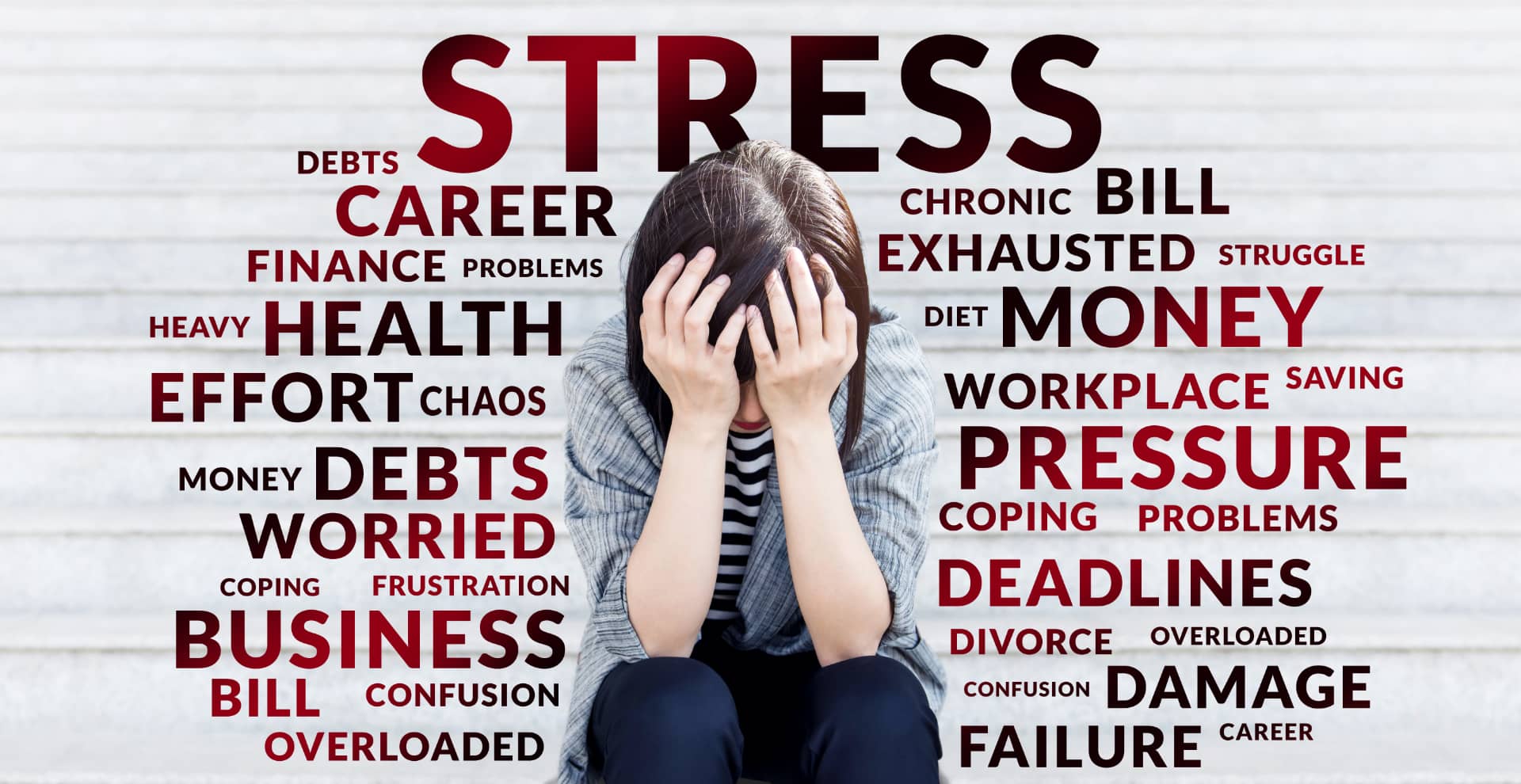
    Science has shown that an unrelenting barrage of stress hormones can break down the body, leading to obesity, disease, depression and more. Stress hormones have a profound effect on the brain. They actually change the brain, alter behavior and impact mental health. There’s growing evidence indicating that depressive illness and hostility are both associated with cardiovascular disease (CVD) and other systemic disorders.
     
    Ultimately, stress affects us in every way — body, mind, emotions and behavior. Here’s how:
     
    Stress can negatively affect the immune system, skin, hormones, bones, brain, heart, gut and muscles.
     
    The effects of stress in the body can manifest in many ways: headaches, frequent infections, tight muscles, muscle twitches, fatigue, skin irritations and poor breathing, for example.
     
    Stress can also affect our minds in the form of: worrying, impaired judgement, nightmares, indecision, negativity and hasty decisions, for example.
     
    Stress affect our emotions in the the following ways: loss of confidence, irritability, depression, apathy, alienation and apprehension, for example.
     
    Stress can also affect our behavior in the following ways: insomnia, restlessness, drinking more, smoking more, loss of appetite and loss of sex drive, for example.
     
    Stress affects our nervous system and raises cortisol levels, which can affect metabolism, blood pressure, heart rate and the immune system. Continually high cortisol levels result in weight gain, digestive problems, heart disease and a suppressed immune system.
     
    The immune system is designed to ward off these problems. However, the stress hormone cortisol is known to interfere with immune functioning. So, it’s important to find healthy ways to mitigate and manage your stress.
     
    It should be noted that not all stress is bad, however. Good stress allows us to respond to an immediate challenge with a burst of energy that focuses the mind. And transient stress is a response to daily frustrations that resolve quickly. The problem is chronic stress, which results from a toxic, unrelenting barrage of challenges that eventually breaks down the body.
     
    What can you do to mitigate the effects of chronic stress and/or anxiety?
     
    Regular physical exercise can help to tamp down stress and the body-wide inflammation it can cause. Research shows that exercise lowers anxiety levels, and it does it rather quickly — in about 10 minutes. Exercise is a great way to bring wellness to your brain. A single workout increases neurotransmitters like dopamine, serotonin and noradrenaline, and these mood boosters can also improve your memory and focus for up to three hours afterwards. So, exercise helps your mental health, as well as your cognition.
     
    A healthy, balanced diet can also help to relieve stress. What you put into your body affects you, for better or worse, in myriad ways. Sugar and processed foods can lead to inflammation throughout the body and brain, which may contribute to mood disorders, including anxiety and depression. Yet, when we’re feeling stressed or depressed, it’s often processed foods that we reach for as a means of coping. This just creates a feedback loop. 
     
    Adequate nightly sleep is also a stress reliever. On the other hand, poor sleep increases stress and promotes arterial inflammation. For this reason, developing good sleep habits can also reduce the risk of cardiovascular damage. Adopt a consistent pattern of bedtime and awakening, and avoid exposure at bedtime to screens that emit blue light, like smartphones and computers, or use blue-light filters for such devices.
     
    Maintaining a healthy social support network is also a critical means of stress management. Loneliness and isolation have been scientifically proven to be really bad for our health.
     
    Relaxation techniques, such as meditation, can result in a rebalancing of your hormone levels, including: increased serotonin (happiness hormone), increased endorphins (pain relief hormone), increased melatonin (sleep hormone), decreased adrenaline (action hormone), and deceased norepinephrine (fight or fight hormone), as well as the enhancement of your immune system. Simply put, meditation helps people reduce stress and build resilience.
     
    Controlled breathing has also been shown to reduce stress, increase alertness, and boost your immune system. Yogis have for ages long used breath control, or pranayama, to promote concentration and improve vitality.
     
    Studies have found that breathing practices can help reduce symptoms associated with anxiety, insomnia, post-traumatic stress disorder, depression and attention deficit disorder.
     
    Consciously slowing your breath can turn on the parasympathetic nervous system, which can slow heart rate and promote feelings of calm and relaxation.
     
    A 2011 review article in Health Science Journal identified some of the potential health benefits of deep breathing techniques, particularly for deep breathing from the diaphragm. These include:
     
    • Reduced anxiety
    • Better stress management
    • Reduced hypertension
    • Decreased fatigue
    • Improved migraine symptoms
    • Reduced aggressive behavior in adolescent males
    • Reduced symptoms of asthma in children and adolescents
     
    Ultimately, techniques such as meditation and controlled breathing activate the parasympathetic nervous system, which calms the brain and body. These techniques can help you become calmer, while relieving anxiety and stress, which can lead to healthier physical, mental and emotional outcomes.
     
    We will never eliminate all stress from our lives, but we can seek to reduce it, better tolerate it, and recover from it. Whatever you do, find ways to lessen and manage your stress. It can have a significant impact on your health.
     
    Although stress is a part of life, doing the following things can help you manage your stress:
     
    • Recognize your stress
    • Take time for yourself
    • Practice deep breathing
    • Meditate
    • Exercise
    • Put Joy and laughter into your life
    • Eat healthy, nutritious foods
    • Avoid putting anything unhealthy in your body
    • Have good sleep habits
  • The Risks of Excessive Screen Time and ‘Sitting Disease’

    The Risks of Excessive Screen Time and ‘Sitting Disease’

    Always listen to your body. Never ignore the things it’s telling you; it has important information that you need to know and acknowledge. Pay attention to its cues. 
     
    As a 21st Century society, we sit far too much. Beware of so-called “sitting disease,” also known as the “desk sentence.”
     
    Constant sitting decreases your metabolism and is associated with increased risk of diabetes, cardiovascular disease, and cancer.
     
    Sitting disease:
     
    • Impairs your circulation
    • Compresses vital fluids (such as lymphatic fluid) and impacts cell growth
    • Leads to joint stiffness, low back pain, sciatica, hip pain, neck pain, and shoulder pain
     
    Over-eating and obesity are distress signals from your body; don’t ignore them. The health risks from over-eating and obesity are numerous and widely reported. Mindless over-eating is often associated with excessive screen time.
     
    Depriving yourself of sleep leads to cognitive impairment, a less efficient brain, over-eating, higher emotionality, increased anxiety, and delayed production of melatonin (the sleep hormone). Many people are sleep deprived due to an inability to limit screen time.
     
    As of 2020, it is estimated that one-third of the world’s population (2.6 billion) has myopia and that by 2050 it will affect half the global population. This short-sightedness is typically associated with excessive screen time and, in the worst cases, leads to blindness. Think I’m overstating the problem? Well, by 2050 myopia is projected to become the leading cause of permanent blindness worldwide. 
     
    Our inability to unplug and disengage from our digital devices is causing widespread stress, anxiety and self-reported depression. At this point, many people are all too familiar with “Zoom fatigue” and the associated energy loss. Many people feel they have no autonomy to determine when to disconnect. They even wake up at night to check work emails and/or text messages.
     
    This inability to disconnect has led to a lack of work/life balance, and longer work days that are uncompensated. This, in turn, has led to a long term loss of motivation.
     
    The overuse of social media has also led to more radical emotions, such as fear and outrage. It’s even led to lower self-esteem and body image.
     
    People are suffering from digital burnout and it’s little surprise that depression has risen. Researchers in a 2017 study found that adults who watched TV or used a computer for more than 6 hours per day were more likely to experience moderate to severe depression.
     
    The pandemic only made the situation worse.
     
    During the first year of the pandemic, April 2020-April 2021, the prevalence of people with depression or anxiety symptoms in America increased substantially — from about 11 percent of people in 2019 to close to 40 percent.
     
    We leave ourselves little to no time to recover from our digital overload because almost everything in our lives revolves around screen time. Consider all the things that people now do online:
     
    • Shopping
    • School
    • Mail
    • Work
    • Meetings
    • News
    • Arts
    • Sex
    • Movies
    • Bills
    • Chatting
    • Leisure/social media scrolling
     
    Some of these activities amount to using tech to relax from too much tech, which has led to what is called the “digital fatigue paradox.” More engagement simply leads to more stress. This is digital burnout.
     
    Give yourself a digital detox. Set aside time in the day when you check out and stop all screen time; give your eyes and brain a rest. Set a nighttime digital curfew. Turn off your phone at night and keep it off until the next morning. These aren’t novel ideas; this was normal, everyday life prior to the 21st Century.
     
    Take the initiative to get up and move more. A four-year study published in the Annals of Internal Medicine suggest that getting up and moving around every 30 minutes could help you avoid some of the health woes that come with sitting all day.
     
    Just set your phone alarm, Apple Watch or Fitbit to alert yourself to get up and move every 30 minutes (a paradox, huh?). It doesn’t need to be for more than a few minutes, but just the simple act of standing up and moving around will do you a lot of good.
     
    Even if you exercise vigorously on multiple days of the week, taking a daily 30-minute walk has enormous health benefits and can prevent chronic disease as you age. Walking is good for us orthopedically; we are meant to move.
     
    Just the simple act of walking also reduces stress, cheers you up (walking releases endorphins, your body’s happy hormones), and increases self-esteem. You’ll feel better about yourself just for doing it. And, if you leave your phone at home, it forces you to disconnect from screen time.
     
    We have more control over our health destiny than we might realize. We just need to take the wheel and steer.
  • Stress Management Key to Life Management

    Stress Management Key to Life Management

    In 2018, Americans ranked among the most stressed people in the world, according to a Gallup Poll. Americans reported feeling stress, anger and worry at the highest levels in a decade, according to the survey.
     
    At the time, about 55 percent of adults said they had experienced stress during “a lot of the day” prior, compared with just 35 percent globally. About 45 percent of the Americans surveyed said they had felt “a lot” of worry the day before, compared with a global average of 39 percent.
     
    Mind you, this was pre-pandemic.
     
    Stress is problematic because it affects all of the body’s organ systems, including the brain and nervous system, the cardiovascular system, the musculoskeletal system, the immune system and the digestive system. Stress can even affect our perceptions, thoughts, beliefs and feelings.
     
    There is mounting evidence that chronic stimulation of the sympathetic nervous system can lead to long-term physiological dis-regulation, resulting in problems such as increased blood pressure, cardiac arrhythmias, digestive problems, chronic headaches, back aches and sleep disorders, as well as psychological disorders such as chronic anxiety, depression or both.
     
    While stress is often unhealthy, we often habitually and automatically react to it in ways that are also unhealthy.
     
    About 38 percent of adults in 2017 battled an illicit drug use disorder, according to the National Survey on Drug Use and Health, which is stunning.
     
    This included use of illegal drugs, prescription drugs, alcohol and tobacco, and the misuse of prescription drugs.
     
    Food is often used to cope with stress and emotional discomfort. Many people eat whenever they feel anxious or depressed. Food is often used as a means to fill an emptiness inside. Foods high in fat and sugar, the so-called comfort foods, are most commonly used to deliver stress relief.
     
    Yet, there are other unhealthy strategies that people utilize to cope with stress. One is to simply deny that there is any problem at all. Another is workaholism; if one feels stressed by family life, working provides an excuse to not be at home.
     
    These are all examples of maladaptive coping attempts; while they may give some relief in the short run, they can compound stress in the long run. They don’t ultimately make us healthier or happier. Your body can tell you some important things, if you’re willing to listen to it rather than tuning out.
     
    It is not the particular stressor itself but how you perceive it, then how you handle it, that will determine whether or not it will lead to stress. Your perception and how you handle the stressor makes all the difference in how much stress you will experience. If we can change the way we see, we can change the way we respond, thereby significantly lowering our stress, as well as its short- and long-term consequences for our health and wellbeing.
     
    In the end, we are well-advised to stop reacting to stress and to instead start responding to it. Responding to stress with greater mindfulness instead of reacting to it habitually and automatically can dramatically reduce the negative effects of stress.
     
    We can become more resistant to stress, more resilient, if we build up our resources and enhance our physical and psychological wellbeing via meditation, regular exercise, adequate sleep, and a sense of deep connectedness with others, to name four of the most important.
     
    This bears repeating. Healthy coping strategies include: meditating, exercising regularly, practicing yoga, praying, sharing your feelings with close friends, and having hobbies or interests that take your mind off your troubles. People who do these things tend to be stress hardy.
     
    Having a healthy strategy to manage pressure or stress can reduce our dependence on the common maladaptive coping strategies that we so often resort to, and get stuck in, when we feel tense.
     
    Greater resilience in the face of stressors and reduced stress reactivity are characteristic of people who practice meditation regularly. This has been demonstrated in a large number of studies.
     
    This is why I practice meditation daily, and why I teach it to others. If you’re interested in beginning a meditation practice, reach out and let me know. I have many years of experience and can help you get started.
  • Sean Kennedy: Health & Happiness Coach

    Sean Kennedy: Health & Happiness Coach

    Though my professional titles have long been Certified Strength & Conditioning Specialist and National Board Certified Health & Wellness Coach (what a mouthful!), I’ve long thought of myself as a Health & Happiness Coach.
     
    I’m less interested in helping people build a physical monument to themselves (or their egos) than I am in helping them be happier, more confident and more self-fulfilled. I try to get people to focus less on the amount of fat or muscle on their bodies and more on reducing stress, improving self-esteem, sleeping better, lowering blood pressure and resting heart rate, developing better mobility and balance, and building stronger bones, ligaments and tendons, as well as muscles.
     
    A single workout increases neurotransmitters like dopamine, serotonin and noradrenaline, and these mood boosters can also improve your memory and focus for up to three hours afterwards. Research shows that exercise even lowers anxiety levels, and it does it rather quickly — in about 10 minutes. So, exercise helps your mental health, as well as your cognition. Even a brisk walk can help boost your neurotransmitters and mood.
     
    Scientists at Duke University Medical Center tested three groups with depression. One was prescribed exercise; one was prescribed Zoloft; and the third was prescribed a combination of the two. Remarkably, the group that just exercised had the best results. And exercise seemed to do a better job of keeping the depression symptoms from coming back.
     
    Indeed, exercise has a multitude of positive effects; it even helps your brain grow new neurons. During a process called neurogenesis, new neurons (brain cells) develop in the hippocampus, the brain region responsible for learning information, storing long-term memories, and regulating emotions.
     
    Exercise also promotes brain plasticity by stimulating growth of new connections between cells in many important cortical areas of the brain.
     
    Yes, exercise even leads to a happier, healthier brain!
     
    The physical, emotional and mental benefits of exercise are numerous. So, there are bountiful reasons make regular exercise part of your weekly or even daily life.
     
    Yet, our wellbeing can be affected by more than just exercise.
     
    For example, there is a vital connection between the brain and the gut, where 90% of our serotonin receptors are located. The truth is, the foods we eat not only affect our physical health, but also our emotional wellbeing.
     
    Ultra-processed foods and foods that contain chemical additives negatively affect our gut health and increases our risk of illness. Ultra-processed foods, such as fast foods, are typically cheap, and they’re scientifically designed to be extra tasty and make you overeat. Even worse, ultra-processed foods are known cause inflammation and disease.
     
    On the other hand, a recent study found that fiber might be linked with a reduced risk of depression, especially in pre-menopausal women. Previous studies had already suggested the benefits of fiber for mental health. The link between dietary fiber and depression may be partially explained by gut-brain interactions, since fiber improves the richness and diversity of gut microbiota. It’s theorized that changes in gut-microbiota composition may affect neurotransmission.
     
    Additionally, according to the Cleveland Clinic, protein consumption (from foods like fish, beef, chicken, turkey, tofu, beans, eggs and unsweetened yogurt) has been linked to higher levels of dopamine and norepinephrine, the brain chemicals that play a role in your mood, motivation and concentration.
     
    So, our diets can indeed affect our mood state and mental wellbeing, as well as our physical wellbeing.
     
    Finding healthy ways to manage our stress is also very important. The stress hormone cortisol is known to interfere with immune functioning and even the workings of the cardiovascular system. In fact, stress is an underrated, yet profound, factor in the development of cardiovascular disease. Stress exacerbates cholesterol levels, raises blood pressure and heart rate, and it often creates the kind of pressure that prevents a person from engaging in enough healthy self-care activities.
     
    So, it’s important to find healthy ways to mitigate and manage stress. Lowering your stress levels with relaxation techniques, such as meditation, can reduce your risk of health problems.
     
    However, people often turn to unhealthy coping mechanisms, such as food, alcohol, drugs and impulsive shopping to cope with life’s stresses. Yet, these things ultimately make our stresses even worse in the long run. Meditation, on the other hand, can be helpful in managing stress and anxiety, as well as a variety of other health conditions. Research studies have shown that regular meditation can actually change the physical structure and cognitive function of the brain.
     
    Ultimately, true wellness requires a comprehensive, holistic approach, where all of these factors are considered and implemented.
     
    It may seem intuitive or self-evident that being unhealthy could make someone unhappy, and there’s evidence to support that notion. A study at George Mason University found that the degree to which a disease disrupts daily functioning is associated with reduced happiness. According to the lead author of the study, “these results support the notion that health status is one of the most important predictors of happiness.”
     
    A study of the “Economic Determinants of Happiness,” based on data gathered by the U.S. Census, revealed that health is a far more powerful determinant of an individual’s happiness than his or her income, marital status, age or any other factor. In fact, self-described “healthy” people are 20 percent happier than average, while “unhealthy” people are 8.25 percent less happy.
     
    Okay, but how about the inverse? Can being happy make you more healthy?
     
    According to researchers at Southern Methodist University, there is plenty of evidence to suggest that people’s overall sense of life satisfaction and typical levels of happiness are linked to physical health.
     
    And, according to Harvard Medical School, scientific evidence suggests that positive emotions can help make life longer and healthier.
     
    Furthermore, according to Northwestern Medicine, happiness lowers your risk for cardiovascular disease, lowers your blood pressure, enables better sleep, improves your diet, allows you to maintain a normal body weight through regular exercise and reduces stress.
     
    Clearly, happiness and health are interrelated. And most research suggests that the connection between happiness and health is bidirectional. This means that greater wellbeing leads to better physical health, and better physical health leads to greater wellbeing. One thing leads to the other.
     
    This is why I have always taken a “whole-being” approach to health and wellness. We can’t simply focus on having a little less body fat, bigger biceps or a better butt and expect to be necessarily healthier and/or happier. Certainly, seeing improvements in your physique can be positive and uplifting. But adequate sleep, good nutrition and stress reduction are also vital to our overall wellbeing.
     
    Seeing verifiable improvements in your biomarkers (i.e., blood pressure, resting heart rate, LDL cholesterol, etc.) is not only a clear indication of improving physical health, it also gives you a big boost emotionally and mentally — even if your biceps don’t get any bigger or your butt doesn’t necessarily look better.
     
    Ultimately, exercise, a nutritious diet, meditation, and other forms of self-care can make us healthier, happier, and mentally sharper, all of which are very worthwhile pursuits.
     
    If you’d like help in forging a healthier lifestyle, please reach out to me. It could very well make you happier, too!
  • Good Habits Can Have a Domino Effect

    Good Habits Can Have a Domino Effect

    We all have various reasons that we work out, assuming we do so at all. For some, it’s to relieve stress and anxiety. Some may feel a great sense of pride and accomplishment afterwards. For others, working out may be a vanity project that provides a sense of confidence and the ability to fit into tight jeans or proudly wear a tank top or a backless dress.
     
    Yet, health outcomes, not simply appearance, should be your main motivation. It’s well established that the health benefits of exercise go beyond the physical. Once you make exercise part of your routine, you may notice a host of psychological benefits, such as feeling more energized, less stressed, and sleeping better.
     
    As you begin to notice how much better exercise makes you feel, the more you’ll want to do it regularly. At that point, exercise becomes a habit. What’s most important is to perform the activities you really enjoy, which will help you adhere to your program.
     
    It’s said that old habits are hard to break and new habits are hard to form. This is especially true with exercise. If you’re not in the habit of exercising, remaining physically inactive is effortless. To create the habit of exercising, however, takes a lot of resolve, determination and effort.
     
    The more consistent an action is, the more likely it is to become a habit. This means that exercising every day is more likely to result in habit formation. One useful idea is to schedule your exercise for a given time each day, as you would with a personal trainer. Accountability is critical to maintaining your schedule and forming a habit.
     
    As Charles Duhigg, author of The Power of Habit notes, “When people start habitually exercising, even just once per week, they start changing other, unrelated patterns in their lives, often unknowingly. They often start eating better, becoming more productive, smoking less and feeling less stressed. It’s not completely clear why. But, for many people, exercise is a keystone habit that triggers widespread, positive change.”
     
    Researchers asked some study participants to write down what they ate once a week. This keystone habit, food journaling, created a structure that helped other habits to flourish. Six months into the study, these participants had lost twice as much weight as the other study participants.
     
    Unfortunately, 42 percent of Americans are obese, according to the CDC, and another 30 percent or so qualify as overweight. So, roughly three-quarters of our population has an unhealthy bodyweight. Because of this, many people view exercise solely as a means of weight loss. But there’s a whole lot more to it than that. The mental and emotional components of exercise cannot be emphasized enough.
     
    Exercise has been shown to increase grey matter in the brain, according to research published by the Mayo Clinic. Exercise also promotes brain plasticity by stimulating the growth of new connections between cells. Consequently, exercise improves cognitive ability and memory. 
     
    Furthermore, exercise releases chemicals, such as endorphins and serotonin, that improve your mood. As noted, exercise not only enhances self-esteem, it also reduces anxiety and depressed mood.
     
    “There’s good epidemiological data to suggest that active people are less depressed than inactive people. And people who were active and stopped tend to be more depressed than those who maintain or initiate an exercise program,” says James Blumenthal, PhD, a clinical psychologist at Duke University.
     
    Yet, there’s no denying the impact that exercise can have on our physical health and our ability to function well, aka, perform our activities of daily living.
     
    Don’t wait until your doctor tells you to exercise! At that point, too much time will have been lost.
     
    More than 1-in-3 adults, about 92.1 million people, have at least one type of cardiovascular disease, which is preventable.
     
    In fact, many forms of chronic illness are preventable. According to the CDC, the health-risk behaviors we can change include: lack of exercise/physical activity, poor nutrition, tobacco use and excessive alcohol use. These four behaviors cause much of the illness, suffering and early death related to chronic diseases and conditions. In essence, they are bad habits that can be corrected.
     
    It’s important to remember that health is not just about food and exercise. Everyone would benefit from things such as meditation, learning a new skill, developing a new hobby, and/or growing your social network. Each of these things can make you a healthier person in measurable ways. 
     
    If you’re new to exercise or haven’t done it in a long time, start slowly. Don’t take the attitude that you can get fit today or even this week. Allow your body time to adjust to the demands you’re placing on it. Your exercise routine should be progressive, growing in either intensity or duration as your fitness level gradually improves.
     
    The physical effects of exercise — such as weight loss, lower blood pressure or a lower resting heart rate — take time and patience; you may not see your numbers move for weeks to months.
     
    The mood boost from exercise, however, is often immediate, offering near-instant gratification. Alleviating mood disorders, such as anxiety or depression, may take longer, but the mental and emotional effects of exercise are often immediately tangible.
     
    The most important takeaway is that good habits can have a domino effect, with one healthy change leading to another and so on. After committing to a few healthy acts, we’re less likely to back-step and commit unhealthy acts. After all, no one wants to undermine their own progress.
     
    Start with the easiest change you can think of; pick the low hanging fruit first. Once you’ve created a healthy daily habit that lasts a couple of weeks, add another easy-to-achieve step. View these changes as rungs on a ladder; take them one step at a time. Be consistent and be progressive. But don’t take on too much, too soon. 
     
    Small victories lead to a sense of pride, achievement and accomplishment. These are all empowering and rewarding feelings. Ultimately, one good change will lead to another.
  • Exercise to Be Happier and More Fulfilled

    Exercise to Be Happier and More Fulfilled

    There are many reasons that people exercise. In my view — and this is what I try to impart to my clients — it’s not about having the best butt or bigger biceps; it’s about being a happier, more fulfilled, more self-satisfied person.  

    I’ve been in the been in the business of health, wellness and fitness for over 20 years, and I have to admit that my definition of health and wellness has certainly broadened over the years. Once upon a time, if you asked me to define health, I would have listed these parameters: an absence of chronic disease (i.e. coronary artery disease; hypertension; metabolic syndrome; diabetes, etc.), a healthy resting heart rate, low triglycerides, and an absence of obesity. 
     
    However, over the years, I’ve come to recognize that physical wellbeing is only part of the health equation. Mental and emotional wellbeing are vitally important, and our social wellbeing plays a significant role in both.
     
    First, let’s define these terms:
     
    Physical well-being relates to vigor and vitality, feeling very healthy and full of energy.
     
    Mental well-being includes being satisfied with one’s life; balancing positive and negative emotions; accepting one’s self; finding purpose and meaning in one’s life; seeking personal growth, autonomy and competence; believing one’s life and circumstances are under one’s control; and generally experiencing optimism.
     
    Social well-being involves providing and receiving quality support from family, friends and others.
     
    When assessing overall wellbeing, it’s important to assess: the quality of our relationships; our positive emotions and resilience; whether we’re realizing our potential; and our overall satisfaction with life.
     
    Though there are many factors that can contribute to our overall wellness, exercise is critical. There is abundant scientific research showing that exercise improves mood and makes participants happier. 
     
    Exercise promotes chemicals in the brain that improve your mood and make you more relaxed. Specifically, the brain releases feel-good chemicals called endorphins throughout the body. Physical activity also reduces anxiety and depressed mood.
     
    Exercise provides numerous other psychological benefits, such as better sleep, reduced stress, improved self-esteem and greater confidence.
     
    There are so many behaviors that can lead us to feelings of guilt: eating too many sweets or too much junk food; overeating in general; drinking too much; smoking; drug use; sleeping too little; being sedentary; not exercising, etc. With any of the aforementioned, it’s easy to say afterward, “I shouldn’t have done that.” Regrets are not fun. 
     
    But, other than the rare instance of injury, no one ever finishes a workout and says, “Man, I shouldn’t have done that.” Nobody feels guilty after a workout.
     
    There is an undeniable positive-emotion component to exercise. It makes us feel like we did something very worthwhile for ourselves, when so many of our other behaviors can make us feel unworthy. 
     
    Many adults may feel that their lives are in service to others: their kids, their spouse, their aging parents, their boss, etc. When we exercise, we feel that we are in service to ourselves; it’s our time for ourselves.
     
    Regular exercise is a great confidence and morale booster. You don’t necessarily need to aim for a particular weight-loss goal. Just aim for just feeling better about yourself, physically and emotionally.
     
    Exercise even helps your brain grow new neurons. In this process, called neurogenesis, new neurons (brain cells) develop in the hippocampus, the brain region responsible for learning information, storing long-term memories, and regulating emotions.
     
    Exercise also promotes brain plasticity by stimulating growth of new connections between cells in many important cortical areas of the brain. 
     
    Yes, exercise leads to a happier, healthier brain!
     
    A regular exercise program may also have a domino effect, leading you to other healthier habits, such as eating more whole foods. Those two behaviors, in tandem, will ultimately change your physique, but they will also make you feel better physically and mentally. Everyone would feel better if they knew they were taking positive steps in their lives and working on self-improvement.
     
    So, don’t set a specific weight-loss target or make sculpted arms or chiseled abs your goal. Simply set a goal to feel happier, more positive and better about yourself. Exercise can serve those agendas.
     
    What better goals could anyone have? After all, there’s so much more to exercise than just how you look.
  • Exercise Can Help Relieve Depression And Anxiety

    Exercise Can Help Relieve Depression And Anxiety


    Exercise — it’s good for your mind too.
     
    Depression is widespread, affecting people of all backgrounds. Globally, more than 300 million people of all ages suffer from depression, according to the World Health Organization (WHO). Depression is the leading cause of disability worldwide, says WHO, and at its worst can lead to suicide.
     
    In the US, nearly 16 million Americans have experienced depression at some point in their lives. Women may be more susceptible than men, though the latter are less likely to report depression to their doctors. The National Survey on Drug Use and Health (NSDUH) found that approximately 8.2 percent of women and 4.8 percent of men in the United States are depressed during a 12-month period.
     
    According to the 2014 NSDUH data, depression is most likely to strike adults aged 18 to 25, though there is a second bump in depression rates among the elderly.
     
    Though antidepressant medications are commonly prescribed to treat the condition, research shows that exercise is also an effective treatment. For some people, it works as well as antidepressants, according to Harvard Medical School. Like depression, anxiety symptoms also often improve with exercise, as does stress.
     
    Regular exercise releases feel-good substances — such as endorphins, seratonin and other natural brain chemicals — that can lift your mood and enhance your sense of well-being. Exercise also spurs the release of proteins called growth factors, which cause nerve cells to grow and make new connections. The resulting improvement in brain function makes you feel better.
     
    Though many people begin to feel better after just a few weeks of regular exercise, it is a long-term treatment that cannot be abandoned as soon as you begin feeling well.
     
    Aside from improving mood and reducing anxiety, exercise can have other psychological benefits too. It can make you feel accomplished and good about yourself. No one ever regrets or feels guilty about exercising. But we can experience those feelings as a result of not exercising. It’s easy to have regrets about drinking too much, eating too much sugar or other junk foods or just eating too much in general. But no one ever feels guilty about exercising; it’s positive and uplifting.
     
    Doing 30 or more minutes of exercise a day, three to five days a week, may significantly improve depression or anxiety symptoms, according to the Mayo Clinic. More-vigorous activities, such as running or stair climbing, may make a difference in as little as 10 to 15 minutes at a time.
     
    Performing exercises you enjoy, and a variety of them, will make you more likely to follow through and stick with the program. Simply put, enjoyment will lead to adherence and positive outcomes. Make sure to put exercise into your daily schedule, just as you would with anything that is truly important in your life.
     
    Finding a personal trainer can help keep you accountable and dedicated to a well-structured program, which will in turn make you feel better physically, emotionally and psychologically.
     
    If you exercise regularly but depression or anxiety symptoms still interfere with your daily living, see your doctor or mental health professional.