Category: Ponte Vedra personal trainers
-

Loneliness Has Become Endemic and It’s Harming Our Health
lone·li·ness| ˈlōnlēnəs | nounsadness because one has no friends or company: feelings of depression and loneliness.• the fact of being without companions; solitariness: the loneliness of a sailor’s life.We’ve all felt lonely from time to time in our lives. But there’s something much deeper going right now, and it’s really troubling.Loneliness rates are now at unprecedented highs. Multiple studies show that we’re in the midst of a growing loneliness epidemic. Even before the pandemic, nearly half of all Americans said they were lonely.Covid only made the problem worse. Data collected in December 2021 found that 58% of US adults considered themselves lonely. Yet, the end of the pandemic surely hasn’t made loneliness go away.With young adults, the problem of loneliness is even more pervasive. In a recent survey conducted by Cigna, researchers found that almost 80% of young adults from the ages of 18 to 24 reported feeling lonely.However, loneliness isn’t just an American phenomena. It’s becoming a public health emergency in other nations too, so much so that countries like Japan and the United Kingdom have appointed Ministries of Loneliness to tackle the problem in recent years. There are good reasons for these concerted national efforts.Chronic loneliness and isolation can harm both mental and physical health, contributing to conditions such as obesity, inactivity, high blood pressure, high cholesterol, anxiety and poor sleep, which increase the risk of cardiovascular disease and stroke.Yes, loneliness actually takes a toll on our physical health. Loneliness can double the risk of Type 2 diabetes and has been linked to increased inflammation, heart disease, stroke and even premature death. Quite famously, a 2010 study by Brigham Young University found that loneliness shortens a person’s life by 15 years. Remarkably, chronically lonely people tend to have an 83% higher mortality risk than those who feel less isolated.“Our epidemic of loneliness and isolation has been an underappreciated public health crisis that has harmed individual and societal health,” says US Surgeon General Dr. Vivek Murthy. He details how much social disconnection increases the risk of certain health issues: heart disease (29 percent), stroke (32 percent) and dementia (50 percent). All because we lack connection with others. We are fundamentally built for social connection. It’s hardwired into our human operating system.
Facebook, Twitter, and Instagram were supposedly going to solve this, but it seems just the opposite has happened. Studies reveal that the more time people spend on their devices, the more lonely they often feel. People are more connected now than ever — through phones, social media, Zoom, etc. — yet loneliness continues to rise. Among the most digitally connected — teenagers and young adults — loneliness nearly doubled between 2012-2018, coinciding with the explosion in social media use.Anywhere you go in the world, the evidence shows that people who are more socially connected, people who interact and intentionally spend time with their friends and family members, are happier.Neuroscience has validated the importance of connections and illustrates how the human brain is hardwired to form personal connections. For example, scientists describe how people’s experiences leave a physical imprint on their brains.Experiences involving important social connections, such as love, friendship and family bonds, or those involving shame and trauma, physically register in the brain along neuropathways. Studies validate the influence of relational connections on physical and emotional well-being.Social connections are so essential to the health and well-being of humans that they share a neurological pathway with physical pain. The human body and mind do not differentiate between physical pain and social rejection or isolation in terms of the amount of stress placed on the body. Brain‐imaging studies have demonstrated that neglect by one’s peers stimulates the same areas of the brain as does physical pain.This is a real problem because less than half of American men report being satisfied with their friendships, and only about 1 in 5 said they had received emotional support from a friend in the last week, compared with 4 in 10 women, according to a 2021 survey from the Survey Center on American Life.Thirty years ago, a majority of men (55%) reported having at least six close friends. Today, that number has been cut in half. Slightly more than one in four (27%) men now have six or more close friends. Fifteen percent of men have no close friendships at all, a fivefold increase since 1990.One large survey showed that the number of Americans who say they have zero close friends has quadrupled in the past 30 years. The numbers are especially bleak for men, with only 48% saying they are satisfied with the number of friends they have.It’s important to get connected with real people in real life, not just online or on social media. Reach out to old friends and re-cultivate lost or faded friendships. When you do go online, look for local groups that share your interests; Meet Up is a good example. There are men’s groups and men’s circles, for example, that provide a sense of kinship and belonging.There are many, many reasons to avoid isolation and loneliness. Reach out. Get connected. -

Adverse Childhood Experiences Have Adverse Effects on Adult Health
In 1985, Dr. Vincent Felitti was running an obesity program at his San Diego-based clinic. He discovered that the people most likely to drop out of the program were the ones successfully losing weight. Upon further inquiry, Dr. Felitti found that 55% of the people in the program acknowledged a history of childhood sexual abuse. Many of the women indicated that they believed their physical size helped to ward off sexual advances from men. For these women, excess weight was meant to be protective. For them, losing weight was not deemed helpful.Backing Felitti’s findings, longitudinal studies suggest that self-reported physical and sexual abuse during childhood greatly increase one’s risk for severe obesity in adulthood. One analysis using data from the National Longitudinal Study of Adolescent Health found more than double the risk for abused females and more than triple for abused males, compared to individuals with no history of abuse.This made Dr. Felitti, the founder of the Department of Preventive Medicine at Kaiser Permanente, wonder whether adverse experiences prior to one’s 18th birthday could be related to other negative health outcomes in adulthood. So, he initiated a study to find out.Now one of the world’s foremost experts on childhood trauma, Dr. Felitti is the co-principal investigator of the internationally recognized Adverse Childhood Experiences (ACE) Study, a long-term, in-depth, analysis of more than 17,000 middle-class adults, 75% of whom were white. Done in conjunction with the CDC, the ACE study was conducted at Kaiser Permanente from 1995 to 1997.Again, the participants were largely white, middle-class adults, and they were mostly educated people. In fact, 39.3% were college graduates or higher, and 35.9% had attended at least some college.The ACE study found that traumatic experiences in childhood, which are often protected for many years by shame and secrecy, can play out a half-century later in terms of emotional state, disease, and even life expectancy. The ACE study examined 10 categories of adverse childhood experiences due to their prevalence:1. Physical abuse2. Sexual abuse3. Verbal/emotional abuse4. Physical neglect5. Emotional neglect6. Witnessing a mother being abused7. A family member who is depressed, suicidal or diagnosed with other mental illness8. A family member who is addicted to alcohol or another substance9. Losing a parent to separation, divorce or death10. A family member who is in prisonThe ACEs study found a strong association between the number of adverse childhood experiences and later-life mental and physical health problems, such as heart disease, COPD, higher rates of STDs, and even premature death.Adverse childhood experiences dramatically increase the risk for seven of the 10 leading causes of death in the US. In high doses, they affect brain development, the immune system, hormonal systems, and even the way that DNA is read and transcribed. People who are exposed to very high doses have triple the lifetime risk of heart disease and lung cancer, and a significant difference in life expectancy.The ACEs study found that 67% of the population had at least one ACE; almost 25% of American adults have been exposed to three or more ACEs; and 12.6% (1 in 8) had four or more ACEs. The higher the ACE score, the worse the health outcomes are.In a middle-class population, one in 11 people experienced six or more of those adverse experiences in childhood. A so-called ACE score of six (experiencing any six of the 10 categories) made that person 4,600% more likely to become an IV drug user than a person who had experienced none of those categories. An ACE score of six also produces a likelihood of attempting suicide that is between 3,100%-5,000% greater than someone with none of these categories.An ACE score of six also shortens life expectancy by about 20 years.The findings showed that people who experienced four or more adverse childhood events (1 in 8 people) had:• Increased risk for smoking, alcoholism and drug abuse• Increased risk for depression and suicide attempts• Poor self-rated health• 50 or more sexual partners• Greater likelihood of sexually transmitted disease• Challenges with physical inactivity and severe obesityThese individuals end up with a great likelihood of disease states in adulthood for two primary reasons:1. The use of various coping devices (i.e., smoking, drinking and overeating) that become destructive over time and2. The effect of chronic, major unrelieved stress on the brain and CNS can produce a chronic release of pro-inflammatory chemicals into the body and suppress the immune system.The good news is that ACEs can be screened, prevented and healed. Validating one’s existing strengths and protective factors is important. Some of the strategies that can be employed include:• Supportive relationships, including other family members and peers• High-quality, sufficient sleep• Balanced nutrition• Regular physical activity• Mindfulness and meditation• Experiencing nature• Mental health care, including psychotherapy or psychiatric care, and substance use disorder treatment, when indicatedThe widespread nature of adverse childhood experiences is a reminder that you never know what someone is going through at any given moment or why. It’s a reminder for us to refrain from judgement, and to always be kind. -

Why It’s Critical to Manage Your Stress
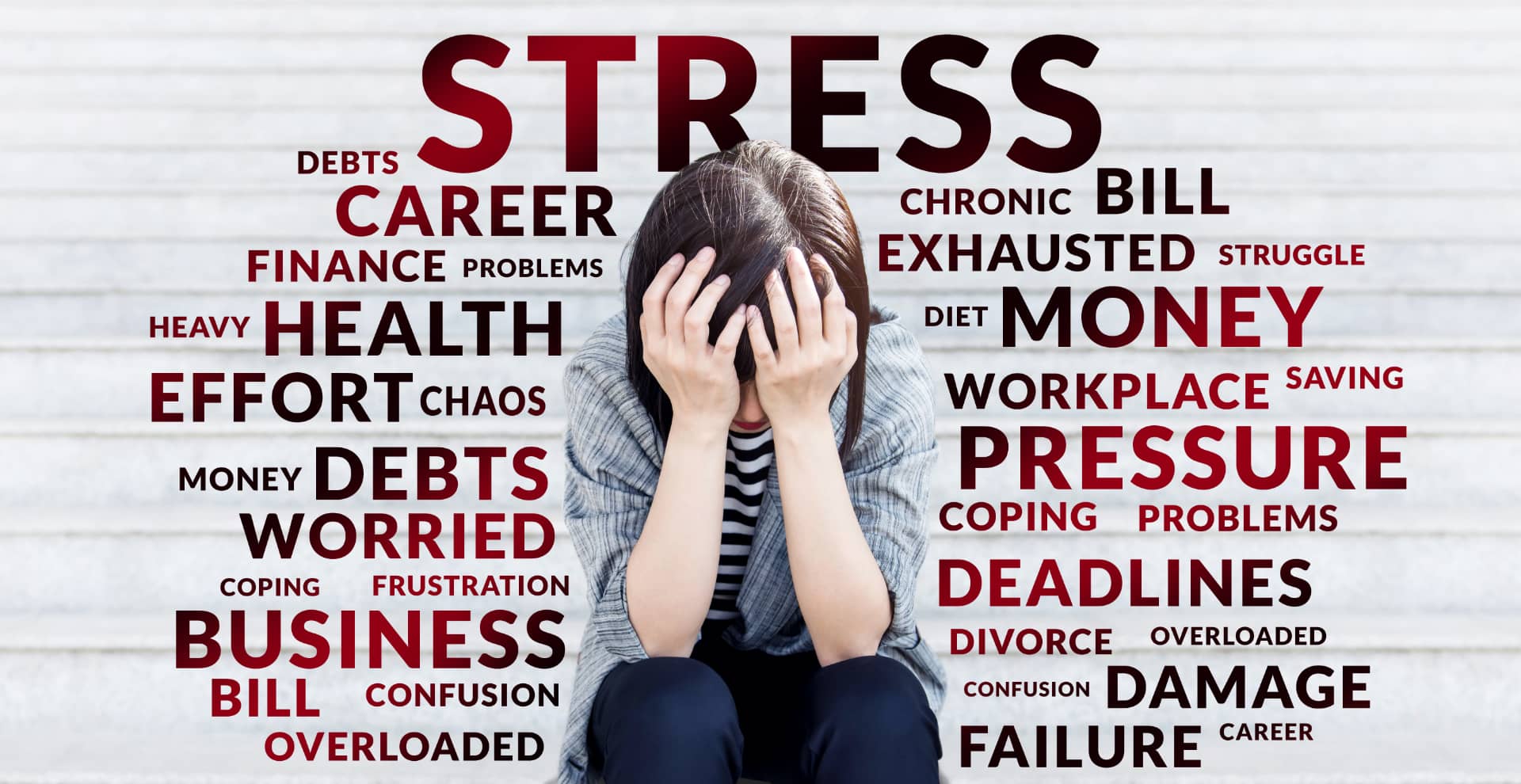
There may be an even greater risk to your heart’s health than high blood pressure, high LDL cholesterol, smoking, diabetes, obesity and physical inactivity. Chronic psychological stress may be more dangerous to heart health than each of these traditional cardiac risk factors.A recent study, published in JAMA, found that mental stress took a significantly greater toll on the hearts and lives of heart patients than did physical stress. The patients were more likely to suffer a non-fatal heart attack or die of cardiovascular disease in the years that followed.A previous study of patients from 52 countries found that those who experienced a high level of psychological stress during the year before they entered the study were more than twice as likely to suffer a heart attack during an average follow-up of five years, even when traditional risk factors were taken into account.The study, known as Interheart, showed that psychological stress is an independent risk factor for heart attacks, similar in heart-damaging effects to the more commonly measured cardiovascular risks.Stress is a profound, yet underrated, factor in the development of cardiovascular disease (CVD). Stress, itself, exacerbates cholesterol levels, raises blood pressure and heart rate, and often creates the kind of pressure that prevents a person from engaging in adequate self-care activities.Science has shown that an unrelenting barrage of stress hormones can break down the body, leading to obesity, disease, depression and more. Stress hormones have a profound effect on the brain. They actually change the brain, alter behavior and impact mental health. There’s growing evidence indicating that depressive illness and hostility are both associated with cardiovascular disease (CVD) and other systemic disorders.Ultimately, stress affects us in every way — body, mind, emotions and behavior. Here’s how:Stress can negatively affect the immune system, skin, hormones, bones, brain, heart, gut and muscles.The effects of stress in the body can manifest in many ways: headaches, frequent infections, tight muscles, muscle twitches, fatigue, skin irritations and poor breathing, for example.Stress can also affect our minds in the form of: worrying, impaired judgement, nightmares, indecision, negativity and hasty decisions, for example.Stress affect our emotions in the the following ways: loss of confidence, irritability, depression, apathy, alienation and apprehension, for example.Stress can also affect our behavior in the following ways: insomnia, restlessness, drinking more, smoking more, loss of appetite and loss of sex drive, for example.Stress affects our nervous system and raises cortisol levels, which can affect metabolism, blood pressure, heart rate and the immune system. Continually high cortisol levels result in weight gain, digestive problems, heart disease and a suppressed immune system.The immune system is designed to ward off these problems. However, the stress hormone cortisol is known to interfere with immune functioning. So, it’s important to find healthy ways to mitigate and manage your stress.It should be noted that not all stress is bad, however. Good stress allows us to respond to an immediate challenge with a burst of energy that focuses the mind. And transient stress is a response to daily frustrations that resolve quickly. The problem is chronic stress, which results from a toxic, unrelenting barrage of challenges that eventually breaks down the body.What can you do to mitigate the effects of chronic stress and/or anxiety?Regular physical exercise can help to tamp down stress and the body-wide inflammation it can cause. Research shows that exercise lowers anxiety levels, and it does it rather quickly — in about 10 minutes. Exercise is a great way to bring wellness to your brain. A single workout increases neurotransmitters like dopamine, serotonin and noradrenaline, and these mood boosters can also improve your memory and focus for up to three hours afterwards. So, exercise helps your mental health, as well as your cognition.A healthy, balanced diet can also help to relieve stress. What you put into your body affects you, for better or worse, in myriad ways. Sugar and processed foods can lead to inflammation throughout the body and brain, which may contribute to mood disorders, including anxiety and depression. Yet, when we’re feeling stressed or depressed, it’s often processed foods that we reach for as a means of coping. This just creates a feedback loop.Adequate nightly sleep is also a stress reliever. On the other hand, poor sleep increases stress and promotes arterial inflammation. For this reason, developing good sleep habits can also reduce the risk of cardiovascular damage. Adopt a consistent pattern of bedtime and awakening, and avoid exposure at bedtime to screens that emit blue light, like smartphones and computers, or use blue-light filters for such devices.Maintaining a healthy social support network is also a critical means of stress management. Loneliness and isolation have been scientifically proven to be really bad for our health.Relaxation techniques, such as meditation, can result in a rebalancing of your hormone levels, including: increased serotonin (happiness hormone), increased endorphins (pain relief hormone), increased melatonin (sleep hormone), decreased adrenaline (action hormone), and deceased norepinephrine (fight or fight hormone), as well as the enhancement of your immune system. Simply put, meditation helps people reduce stress and build resilience.Controlled breathing has also been shown to reduce stress, increase alertness, and boost your immune system. Yogis have for ages long used breath control, or pranayama, to promote concentration and improve vitality.Studies have found that breathing practices can help reduce symptoms associated with anxiety, insomnia, post-traumatic stress disorder, depression and attention deficit disorder.Consciously slowing your breath can turn on the parasympathetic nervous system, which can slow heart rate and promote feelings of calm and relaxation.A 2011 review article in Health Science Journal identified some of the potential health benefits of deep breathing techniques, particularly for deep breathing from the diaphragm. These include:• Reduced anxiety• Better stress management• Reduced hypertension• Decreased fatigue• Improved migraine symptoms• Reduced aggressive behavior in adolescent males• Reduced symptoms of asthma in children and adolescentsUltimately, techniques such as meditation and controlled breathing activate the parasympathetic nervous system, which calms the brain and body. These techniques can help you become calmer, while relieving anxiety and stress, which can lead to healthier physical, mental and emotional outcomes.We will never eliminate all stress from our lives, but we can seek to reduce it, better tolerate it, and recover from it. Whatever you do, find ways to lessen and manage your stress. It can have a significant impact on your health.Although stress is a part of life, doing the following things can help you manage your stress:• Recognize your stress• Take time for yourself• Practice deep breathing• Meditate• Exercise• Put Joy and laughter into your life• Eat healthy, nutritious foods• Avoid putting anything unhealthy in your body• Have good sleep habits -

How to Slow Your Heart Rate and Promote Feelings of Calm
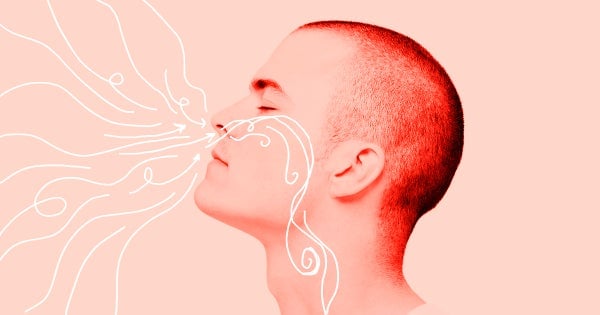
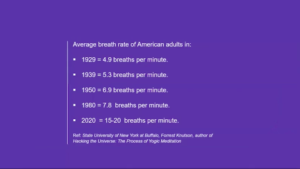
Our breath is the fundamental element of our life.Most people can comfortably hold their breath for 30 to 60 seconds. Some can safely hold it for as long 2 minutes. However, permanent brain damage usually begins after only 4 minutes without oxygen, and death can occur as soon as 4 to 6 minutes after that.Obviously, our breath is vital. Yet, we’re rarely conscious of it. Breathing is part of the autonomic nervous system, meaning that it is automatic and unconscious. The autonomic nervous system has two primary branches: The sympathetic nervous system and the parasympathetic nervous system.The sympathetic nervous system prepares the body for the “fight or flight” response during any potential danger. On the other hand, the parasympathetic nervous system inhibits the body from overworking and restores it to a calm and composed state. So, we can think of the sympathetic nervous system as the gas pedal and the parasympathetic nervous system as the brake pedal.The breath is really the quickest and most efficient way to affect and control the nervous system. By extending the exhalation longer than the inhalation, you generate parasympathetic activation and often a soothing, calming, steadying effect. This natural phenomenon is called respiratory sinus arrhythmia. As you exhale, the vagus nerve will slow down the heartbeat.So, consciously slowing your breath can ease the parasympathetic nervous system, which can slow your heart rate and promote feelings of calm.Studies have found that breathing practices can help reduce symptoms associated with anxiety, insomnia, post-traumatic stress disorder (PTSD), depression, and attention deficit disorder (ADD).Normal respiration rates for adults at rest range from 12 to 16 breaths per minute, according to Johns Hopkins. It should be noted that 12 breaths per minute amounts to one breath every 5 seconds. Exceeding 12 breaths per minute is a sign of quick and shallow breathing.Unfortunately, we breathe a lot faster than previous generations did, and it’s really not good for us. Most American adults now breathe at a rate of 15-20 per minute. Yet, any breath rate above 12 per minute activates the sympathetic nervous system (fight or flight). This means that most of us are in a constant state of fight or flight activation simply due to the way we breathe.
Scientists are finding that breathing at the rate of about six exhalations per minute can be especially restorative, triggering a relaxation response in the brain and body. Some people can reduce their respiratory rate to this level using slow, mindful breathing techniques.There is a direct relationship between respiration rate and heart rate. Exhalation – particularly when sustained longer than inhalation – slows your heart. Meanwhile, inhalation accelerates your heart. And the more your heart beats, the more respiration occurs. As the heart beats faster, it uses more energy and sends more oxygen to the body. For example, during exercise the respiratory rate will increase to about 40–60 breaths per minute.Breathing with your mouth, especially when you’re not exercising vigorously, is a sign of dysfunctional breathing.Nose breathing is more beneficial than mouth breathing, which is unnatural. Breathing through your nose can help filter out dust and allergens, boost your oxygen uptake, and humidify the air you inhale. Mouth breathing, on the other hand, can dry out your mouth, which may increase your risk of bad breath and gum inflammation.The nose produces nitric oxide, which improves your lungs’ ability to absorb oxygen. Nitric oxide also increases your ability to transport oxygen throughout your body, including inside your heart. It relaxes vascular smooth muscle and allows blood vessels to dilate.Nitric oxide is also antifungal, antiviral, antiparasitic, and antibacterial. Simply put, it helps the immune system fight infections.It is also believed that you absorb oxygen around 15 percent better when you exhale through your nose when compared to mouth breathing.So, breathing with your nose is preferable in many ways. Meanwhile, mouth breathing, as previously stated, is a sign of dysfunctional breathing.Inhaling with your chest is another common sign of dysfunctional breathing. If you notice that your chest is the first thing to move when you begin inhaling, it’s a sign that you’re engaging in shallow, upper chest breathing.A shallow or a quick breathing pattern is a sign that your diaphragmatic muscles may not be actively stabilizing your trunk, which can lead to poor posture and instability in your low back.Poor diaphragmatic control can cause the muscles in your chest and the front of your shoulders to become short and tight. If you find yourself slouching your head or shoulders forward, this can be a sign that you’re not activating your diaphragm when you breathe.You should be able to limit shoulder movement while breathing, keeping the shoulders from elevating. Elevating your shoulders when breathing causes upper chest breathing.Tight neck, chest, and shoulder muscles can cause shallow breathing. If you carry lots of tension in your shoulders and neck, this can be a sign that you engage in stressed and shallow breathing.Practice contracting your abdominal muscles as you breathe. Using your abdominals (part of your core) can help you breathe better. You should feel your abdominal muscles moving in and out as you breathe.A healthy breathing pattern allows your body to maintain a high metabolism and deliver oxygen to vital tissues. Shallow breathing increases both blood pressure and heart rate. In addition, if you breathe too fast or don’t inhale deeply enough, you can increase the pH of your blood, which can decrease the amount of blood getting to your brain and muscles, and result in less oxygen being released by the blood. This can make you feel tired and fatigued.So, though we typically take breathing for granted and pay little, if any, attention to it (unless we’re exercising), it really is a critical and fundamental element to good health and lower stress levels.The fact that slow, measured breathing can slow heart rate, promote feelings of calm, and help reduce symptoms associated with anxiety, insomnia, PTSD, depression, and ADD is all the reason we need to begin a regular, deliberate practice. Begin with the following:1. While standing or sitting, draw your elbows back slightly to allow your chest to expand.2. Take a deep inhalation through your nose for a count of four.3. Retain/hold your breath for a count of four.4. Using your belly muscles, exhale through your nose for a count of eight.5. Continue to breath like this for 2-5 minutes. See if you can eventually work your way up to 10 minutes.Utilizing this method should bring your breathing down to a rate of about six exhalations per minute, which scientists are finding to be especially restorative, triggering a relaxation response in the brain and body.Another useful technique is alternate nostril breathing, known as pranayama in India. This yogic technique also promotes relaxation and lowers heart rate.Alternate nostril breathing is best practiced on an empty stomach. Avoid the practice if you’re feeling sick or congested. Keep your breath smooth and even throughout the practice.1. Choose a comfortable seated position.2. After an exhale, use your right thumb to gently close your right nostril.3. Inhale through your left nostril and then close your left nostril with your middle or index finger.4. Release your thumb and exhale out through your right nostril.5. Inhale through your right nostril and then close this nostril.6. Release your finger to open your left nostril and exhale through this side.7. This is one cycle.8. Continue this breathing pattern for up to 5 minutes.9. Finish your session with an exhale on the left side.You can utilize these techniques any time you’re feeling stressed or anxious throughout the day. Try them both, or least one, every day. Naturally, you should discontinue these practices if you experience any feelings of discomfort or agitation. -

How Much Muscle Can You Gain in a Year?
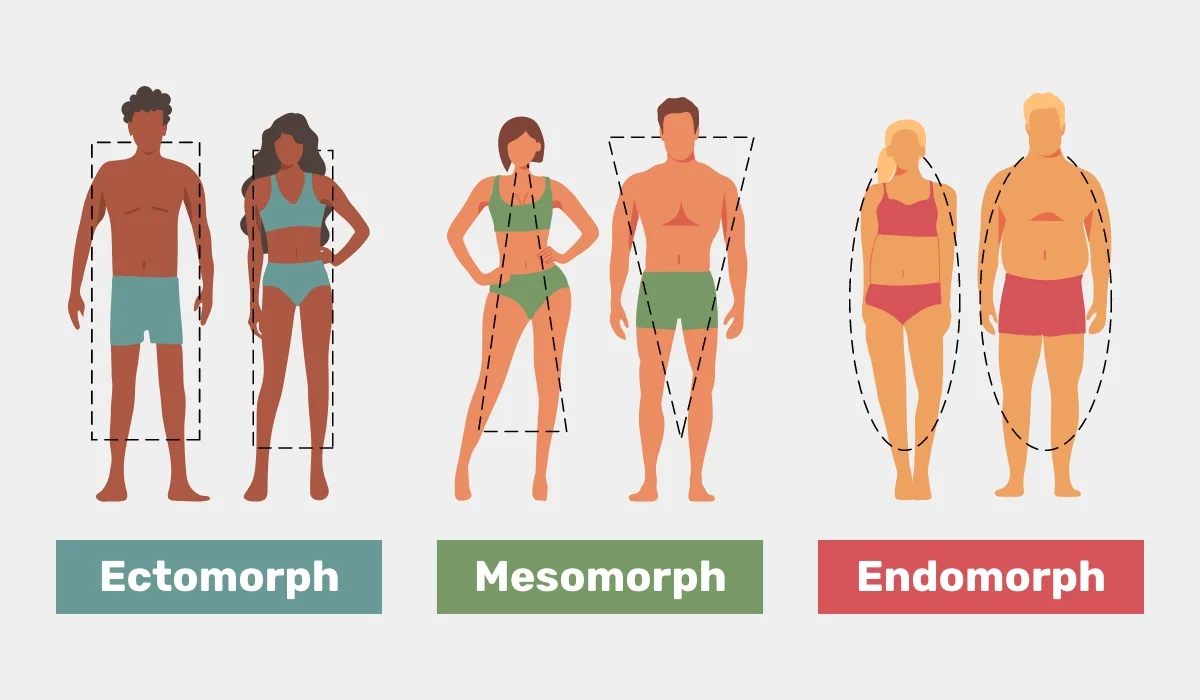
When people gain weight through a committed strength training program, it involves more than just added muscle mass. A 10-to 20-pound weight gain typically includes not only muscle, but also fat, water, and carbohydrate storage. In short, it usually isn’t all lean muscle.The ability to gain muscle, and how much one gains, is dependent on age, sex, physical condition, genetics, diet quality and, of course, training program. As we get older, hormone levels can drop, and men tend to put on muscle more easily than women due to their higher testosterone levels.A good rule of thumb is that most healthy individuals can gain 1 to 2 pounds of lean muscle mass per month, at least in the early stages. After the first three months, a monthly increase of about half a pound is more likely over the longer run.Stuart Phillips, Ph.D., who has conducted many studies at McMaster University in Ontario, says he expects the average guy to gain 4 to 7 pounds of muscle in the first three months. Yet, that’s only if he’s either new to lifting or returning from a layoff. The more experienced and dedicated you are, the less you can gain. In other words, there are diminishing returns over time and the gains become harder to achieve.By Phillips’ measure, the average guy can expect to gain about 8-12 pounds of muscle over the course of a year. However, some guys may gain more or less than that.Regardless of the program or the supplements used, Phillips never sees average gains exceeding about a half-pound a week, which amounts to 26 pounds over the course of a year. But those guys are the genetic freaks, the ones everyone would like to be.Whether muscle comes easily to you or you’re a hard gainer, it all comes down to genetics. Some people have a predisposition and propensity to gain muscle easily, while others find such gains very difficult to come by.Building muscle usually equates to gaining weight, which requires eating more than your body needs to maintain its current size. That’s not desirable for someone who’s already overweight. And no, you cannot turn fat into muscle anymore than you can turn blood into bone. If you plan to gain muscle, prepare to gain weight, and some of it will be fat.Building muscle requires a very dedicated program of lifting at least three days per week, working all of the large muscle groups for 3-6 sets of 8-12 reps to failure. It’s important to give each muscle group a 48-hour break before training it again (i.e., Monday, Wednesday. Friday)It’s also critical to get eight hours of sleep every night, with essentially the same bed and wake times. Your body releases more growth hormone (GH) during sleep than at any other time. Research shows that 70% of the growth hormone humans release occurs during deep sleep (from 10pm-2am), and the more deep sleep you get, the more growth hormone you produce. Growth hormone is a vital part of muscle repair. Protein synthesis also occurs during sleep, which leads to the last factor for muscle growth.A high-protein diet is essential for muscle growth to occur. A common recommendation for gaining muscle is 1 gram of protein per pound of body weight. Though there are varying recommendations, this is a simple, easy formula to remember. Remember that in addition to animal sources, protein can be found in lots of non-animal sources, such as beans, legumes, seeds, nuts and nut butters. Then there’s also eggs and dairy. A whey-protein powder supplement can also be useful between meals and before bed.So, be prepared to train hard and often, to sleep well every night, and to eat plenty of calories, particularly protein. Always set realistic goals and remember that the one factor you can’t control is your genetics.