Category: Ponte Vedra personal trainers

  • Why You Need to Control Glucose and Insulin Spikes

    Why You Need to Control Glucose and Insulin Spikes

    Glucose is the main type of sugar in the blood and the major source of energy for the body’s cells. Glucose comes from the carbohydrates we eat, such as bread, potatoes and fruit. Though the body can also make glucose from fats and proteins, this process is neither rapid or efficient. Glucose is the body’s preferred fuel source and it produces ATP, which is the basic energy we need to live and function at the cellular level.

    When the body doesn’t need ingested glucose for energy, it stores it in the liver and muscles in the form of glycogen. When the body needs glucose again, it converts the glycogen back into glucose. This conversion process is designed to be a very efficient system.  

    If the amount of glucose released into your bloodstream after eating is more than your cells need and more than your liver can store as glycogen, excess glucose is stored as saturated fatty acids. This is why you may gain weight if you consume too much sugar. It should be noted that fiber and healthy fats help to slow the breakdown and release of sugar into the blood.

    The majority of glycogen is stored in skeletal muscles (∼500 g) and the liver (∼100 g). Fatigue develops during exercise when the glycogen stores are depleted in the active muscles.

    This brings us to insulin, which has a symbiotic relationship with glucose. Insulin, a hormone produced in the pancreas, moves glucose into muscle and liver cells. While both glucose and insulin are critical to normal, healthy body functions, they must remain within strict limits. Too much or too little of either can be very dangerous, even deadly. 

    Eating a large amount of high glycemic index foods, such as refined sugars and simple carbohydrates—common in the typical American diet—causes your pancreas to pump out lots of insulin to remove excess glucose from your blood. However, that exposes your cells to too much insulin, which is also damaging to your health. 

    Excess insulin in your bloodstream can affect the arteries all over your body. It causes the arterial walls to get inflamed, grow thicker than normal and more stiff, which stresses and damages your heart over time.

    This is why it’s so important to avoid the constant cycle of glucose and insulin upswings. Ultimately, the pancreas can become exhausted and produces less insulin when glucose is high. The body may even become resistant to insulin. This is what happens to people with type-2 diabetes and pre-diabetes. Insulin resistance is common in people who are overweight since they tend to eat more calories and their pancreas becomes overwhelmed.

    Stress can also cause a spike in insulin, increasing the prospects of insulin resistance. Chronic stress, whether physical or psychological, can affect your whole body. As part of the stress response, the adrenal glands pump out cortisol, the body’s main anti-stress hormone. Cortisol is released not only when you are physically stressed but also when you are psychologically stressed. 

    As your body perceives stress, your adrenal glands make and release cortisol into your bloodstream. Often called the “stress hormone,” cortisol causes an increase in your heart rate and blood pressure. Excess cortisol causes high blood pressure, aka hypertension. Higher cortisol levels are linked to an increased risk of cardiovascular events, including heart attack and stroke, according to the American Heart Association. 

    Cortisol and insulin are intimately linked, as are stress and insulin resistance. One of the main functions of cortisol is to regulate blood sugar levels. Eating too much glucose-rich food causes a spike in blood sugar, which causes a subsequent spike in insulin, which causes a subsequent crash in blood sugar levels. This roller coaster-like effect is a huge stressor on your system and triggers the release of cortisol, which raises blood sugar levels by breaking down glycogen stores and stimulating cravings for sugary foods. Thus the cycle begins again.

    Ultimately, the ups and downs of blood sugar result in the ups and downs of insulin and cortisol. This tumultuous process exhausts both the pancreas and the adrenal glands.

    Reducing or managing psychological stress will not only help your adrenal glands recover, but can also help with reducing insulin resistance.

    One way to help assure healthy adrenal function is to adhere to a diet that is low in sugar, caffeine and junk food, as well as following a healthy sleep schedule. 

    Aside from limiting simple sugars and refined carbohydrates, the best way to manage your glucose levels is through exercise.

    Your body’s ability to uptake glucose and store it as glycogen (glycogen synthesis) is increased after exercise. The reduced glycogen stores in skeletal muscles after exercise allow carbohydrates to be stored as muscle glycogen. 

    Ultimately, the reduction of glycogen in skeletal muscle after exercise allows a healthy storage of carbohydrates after meals and helps prevent the development of type-2 diabetes. 

    Exercise improves insulin sensitivity in both healthy people and insulin-resistant people. Moreover, the risk for development of type-2 diabetes is reduced by regular exercise.

    Exercise offers three means to remove glucose from the blood: 

    1. Exercise uses lots of glucose for fuel. 
    2. Skeletal muscle is large and, therefore, serves as a significant reservoir for glycogen storage (80% of the glycogen is stored in skeletal muscles). 
    3. Exercise increases the glycogen storage capacity in skeletal muscles. More muscle, more storage.

    To recap, the keys are to avoid reactionary spikes in glucose, insulin and cortisol are: 

    1. Reduce your intake of simple sugars and refined carbohydrates 
    2. Exercise moderately every day
    3. Utilize proven methods to reduce stress (i.e., meditation, yoga, time in nature, etc.) 

    We can’t control everything, but we have the ability to control our food intake, the hormones affected by it, and our activity level.


  • The Benefits of Whey Protein, and Why You Should Supplement

    The Benefits of Whey Protein, and Why You Should Supplement

    According to the Institute of Medicine, we all should consume between 10% to 35% of our daily calories from protein. Athletes and those who engage in regular strength training should aim toward the higher end of that range.  
     

    Though proteins are best derived from whole foods, if your diet is solid and you’re simply trying to add a protein supplement between meals, protein powder can be a useful addition to your diet.

    Most people eat about 10% of their protein at breakfast, about 20% at lunch and about 70% at dinner. However, protein intake should be spread out more evenly to increase protein synthesis, and protein powder can help you achieve that goal. What type of protein powder, you ask?


    Whey is one of the richest sources of branched-chain amino acids (BCAAs), including leucine, isoleucine and valine. These three gems have been shown to be absolutely critical for muscle growth, and even energy during workouts.

    Whey protein also provides antioxidant benefits, boosts immune function, and enhances muscle recovery and growth.

     
    Whey is the liquid remaining after milk has been curdled and strained. The most common whey protein foods include dairy foods such as yogurt, cottage cheese and ricotta.
     

    When you were a kid and read about Little Miss Muffet “eating her curds and whey,” she was actually eating cottage cheese, a great source of whey protein.

    Yet, many athletes and exercisers ingest much of their whey in the form of protein powder. However, not all whey protein powders are created equally. Some are made from concentrates, which are high in lactose.

    If you are lactose intolerant or can’t digest lactose properly (i.e., you get stomach cramps, gas and diarrhea), but you want a high-quality protein powder with excellent bioavailability, you might try a 100% whey protein isolate powder.

    The amount of lactose in whey protein isolate is quite low. The processing of whey into 100% isolate removes the lactose, lessening your chance of feeling gassy and bloated.

    What separates whey protein from other forms of protein is its digestion rate; whey digests very rapidly. In fewer than 30 minutes it can fast-track a good portion of its amino acids to your muscles, and that rapid delivery of aminos to muscle cells has been shown to be important for enhancing muscle growth.

    To be considered a great, whey protein the product MUST list whey protein isolate or hydrolyzed whey protein isolate as the very first ingredient. That’s because whey protein isolates are the purest form of protein you can get, with some being more than 90% protein. And “hydrolyzed whey protein isolate” means that high-quality whey has been pre-digested into smaller protein fragments for even faster digestion than regular whey isolate.


    Whey protein concentrate, on the other hand, goes through less filtering, which means fewer of the natural carbohydrates found in milk are removed. The result is a whey product that is much lower in protein content. Although most whey protein concentrates are somewhere between 70-80% protein, some can be less than 35% protein. This is why isolates and hydrolysates generally cost more.

    In order to know if a whey protein powder is top notch, you’ll need to do some math. Take the grams of protein per serving listed on the supplement facts panel and divide it by the serving size (in grams). This will give you the percentage of protein in each serving. To be considered a great whey protein powder, the percent protein per serving (or scoop) should be 80% or greater.

     
    If you are vegan, you might choose a non-dairy protein powder, preferably the organic variety. Pea protein powder and soy protein isolate are good choices. However, it’s important to recognize that not all plant proteins contain each of the nine essential amino acids (EEAs).
     
    EEAs cannot be made by the body. As a result, they must come from food. Animal-based foods have all nine of the EAAs and they are also higher in bioavailability, which is their ability to be absorbed and used by the body. Plant-based foods have lower bioavailability. 
     
    Soy is the only complete plant protein. Soy foods are also rich in vitamins and minerals. 
     
    It’s worth noting that plant proteins generally have less leucine, which is an essential amino acid. Leucine can: increase muscle growth and lean body mass, help in healing skin and bonesincrease production of human growth hormone (HGH), and may help control blood sugar.
     
    However, the following protein powders are good plant-based sources of leucine:
     
    • Soy protein isolate
    • Pea protein powder
    • Peanut powder
     
    Nonetheless, because it contains all of the essential amino acids and is easily digested, whey protein (including whey protein powder) is considered the gold standard. Add in the facts that whey protein can aid wound healing, boost immune function, provide antioxidant benefits, moderate blood sugar, and might even lower blood pressure, and whey protein should be your go-to powder. 
     
    Yet, what likely matters most to athletes and weight trainers is that whey is a complete, high-quality protein that promotes muscle growth. To that end, some studies show that whey protein may be slightly better than other types of protein, such as casein or soy.
     
    When choosing a hydrolyzed whey protein isolate, make sure to select one with no additives, preservatives or artificial sweeteners. You might want a natural vanilla or chocolate flavor, for example, but you don’t need any of the other junk that may be added. If the only ingredient is whey protein isolate or hydrolyzed whey protein, you’re getting purity, without any other fillers or low-quality garbage. 
  • Sleep Is Vital to Good Health, Yet Many of Us Aren’t Getting Enough

    Sleep Is Vital to Good Health, Yet Many of Us Aren’t Getting Enough

    One-third of U.S. adults are struggling to get a good night’s rest, according to a jointly conducted web survey by Gallup and mattress retailer Casper. This suggests that nearly 84 million Americans are not getting adequate sleep.
     
    Moreover, 65% said they were unable to get the recommended seven to nine hours of sleep a night.
     
    This sleep deficit has negative health consequences. Research confirms that not getting the recommended 7-9 hours of sleep per night, or getting poor quality sleep, increases risks for high blood pressure, elevated cholesterol and atherosclerosis, which happens when fatty deposits build up in arteries. Not getting enough sleep is linked to weight gain, diabetes and inflammation, all of which can worsen cardiovascular disease.
     
    The survey of more than 3,000 adults indicated that stress is a major factor in this epidemic of sleepless. If the word epidemic sounds hyperbolic, that’s exactly how the CDC describes it.
     
    Two years of the coronavirus pandemic drove stress levels to extraordinary levels and even as that now begins to wane, new stressors seem to have supplanted it. An American Psychological Association study recently found that Americans are feeling more anxious about inflation, global uncertainty, and the war in Ukraine.
     
    Our emotional and mental states are major contributing factors to how easily we fall asleep and whether we stay asleep all night.
     
    There are strategies you can utilize to help improve your sleep. For example, 30 minutes of daily exercise improves your odds of a great night’s sleep by 30%. That’s because exercise helps work off stress and anxiety. Moving your body and raising your heart rate help ensure a better night’s sleep.
     
    Creating some form of ambient white noise, such as with a fan or noise machine that creates nature sounds, can also be calming, soothing and sleep inducing.
     
    Healthy nutrition, meditation and/or breathing exercises can also be quite helpful. For example, you can count your in-breaths or out-breaths from one to 10. You can then count them backwards from 10 to one. If your mind wanders, bring your attention back to your breathing and start counting from one again. Focused breathing is relaxing in and of itself, but it can also help stop the mind from wandering. If you practice while lying in bed, eventually you’ll fall asleep while counting your breaths.
     
    Another useful strategy is to have a specific bedtime routine that you follow every night. Varying bedtimes and wake times put your body’s internal clock, the circadian clock, out of cycle. Going to bed and getting up at the same time every day, even on weekends, prevents this disruption. Changes in your sleep schedule thwart a natural sleep pattern, which throws off your circadian cycle.
     
    A regular bed time is critical for your health and wellness, as is a regular waking time. Additionally, sleeping too long can affect your ability to fall asleep that night. After a good night’s sleep, most people need to be awake around 16 hours before they feel sleepy again.
     
    Going to sleep between 10:00 pm and 11:00 pm is associated with a lower risk of developing heart disease compared to earlier or later bedtimes, according to a new study by the European Society of Cardiology. Early or late bedtimes may be more likely to disrupt the body’s circadian clock, with adverse consequences for cardiovascular health, according to the study’s authors.
     
    The incidence of cardiovascular disease was highest in those with sleep times at midnight or later (25% higher risk) and lowest in those with sleep onset from 10:00 to 10:59 pm. There was a 24% higher risk for falling asleep before 10:00 pm.
     
    When it gets dark, your brain ramps up its production of melatonin, a hormone that regulates your sleep-wake cycle. Essentially, melatonin helps you fall asleep — and stay asleep. On the other hand, light signals your brain to stop making melatonin, which helps you wake up and feel alert in the morning.
     
    Too much light just before bedtime, especially the blue light from electronic devices, can also disrupt our internal clocks. The brain’s nighttime surge of melatonin is known as melatonin onset. This naturally occurs as the sun sets and your environment literally starts to dim.
     
    However, modern humans no longer live by the sun’s daily cycle. We now have the ability to artificially keep our home environments bright at night. All that light signals to your body that it’s still daytime, which definitely doesn’t help you fall asleep. For this reason, it’s best to turn off screens and other intense lights a half-hour or so before bedtime. Reading by a dim light just before bed is a great way to ready the brain and induce sleep.
     
    Eliminating light in your bedroom is also a key requisite to a good night’s sleep. Even small sources of light, such as from your alarm clock or smoke detector can be disruptive, according to sleep research. There are tiny receptor cells in your retina that look for light intensity. Sleeping in a pitch-black environment helps ensure that those retinal receptors don’t find any light — until you’re ready to wake up in the morning.
     
    However, totally blacking out your room, such as with blackout curtains, in order to create a perfect sleep chamber may not be realistic for you. Yet, most of us can wear a sleep mask.
     
    Wearing a sleep mask could actually benefit your health. A small study at Northwestern University found that participants who slept in a dimly lit room had a continuously elevated heart rate. And in the morning, they also had more trouble getting their blood sugar into a normal range, a condition known as insulin resistance.
     
    These physiological changes happened even though their actual sleep wasn’t really disturbed. In fact, the participants generally said they slept fine. Yet, their brains and hearts knew that the lights were on, even though these people were sleeping. Even a relatively small amount of light was enough to shift their nervous systems into a more alert and activated state. The study provides evidence that sleeping with even relatively dim light exposure can be disruptive to our sleep-wake cycle.
     
    The resulting risk of chronic diseases like insulin resistance, diabetes, other cardio-metabolic problems is real. One five-year observational study of more than 40,000 women found that having a light or TV on while sleeping was associated with an increased risk of gaining more than 10 pounds.
     
    Furthermore, research shows that a lack of sleep can:
     
    • Affect cognition, decreasing focus and work productivity
    • Sap your energy and desire to work out
    • Elevate appetite and food cravings
    • Lead to more impulsive decisions, impacting food choices
    • Boost irritability, straining relationships
    • Increase stress levels (which makes sleep more difficult)
     
    In summation, for all these reasons, it’s best to:
     
    • Exercise daily, even if it’s just a walk
    • Create a cool, dark bedroom environment that’s conducive to sleep
    • Prepare for sleep by dimming lights and not using blue-light emitting devices 30 minutes before bed
    • Stop watching news or other distressing content before bed
    • Use breathing exercises when you’re having trouble sleeping
    • Keep specific bed and wake times
    • Wear a sleep mask
     
    Follow these tips, and you’ll enjoy a continually better night’s rest and, ultimately, a better quality of life.
  • Here’s Why, Perhaps, You Should Be Supplementing With Vitamin D

    Here’s Why, Perhaps, You Should Be Supplementing With Vitamin D

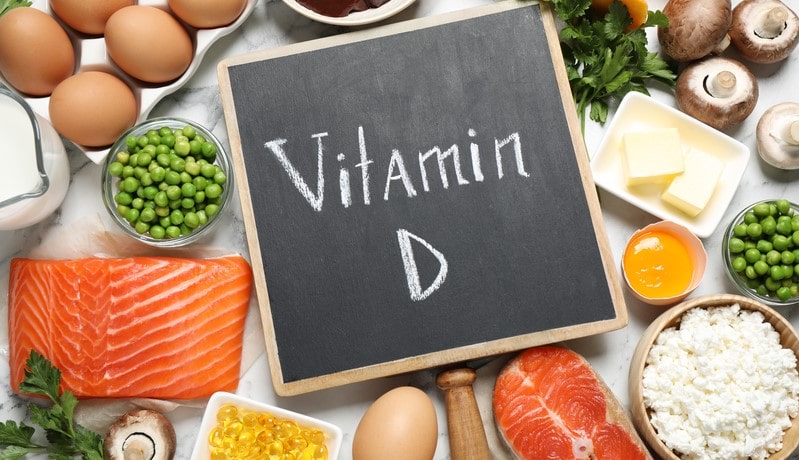
    Vitamin D is a fat-soluble vitamin that serves a number critical functions in the body. However, there’s a good chance you’re not getting enough of it.

    Vitamin D plays an important role in immune function. Not only does vitamin D enhance our immune systems, it also prevents our immune systems from becoming dangerously overactive. An overactive immune system leads to many autoimmune disorders in which your body can’t tell the difference between your healthy, normal cells and invaders.

    Additionally, a new study by researchers at University of South Australia finds that people with vitamin D deficiency are more likely to suffer from heart disease and higher blood pressure than those with normal levels of vitamin D. For study participants with the lowest concentrations of vitamin D, the risk of heart disease was more than double that seen for those with sufficient concentrations.

    Vitamin D is also very important for people with joint pain, and research shows that people with low levels of vitamin D may indeed suffer more joint pain. In fact, vitamin D deficiency can cause subtle widespread pain that may be misdiagnosed as fibromyalgia and/or chronic fatigue syndrome, including symptoms like muscle and bone aching, fatigue and weakness, a lower pain threshold, and more acute soreness after exercise that is slower to resolve.

    Though vitamin D is important for everyone, it is particularly vital for those who exercise vigorously and regularly. Vitamin D dramatically reduces muscle fatigue and studies show it decreases muscle recovery time by 20%. It can also reduce inflammation and increase muscle protein.

    High levels of vitamin D in the blood are also linked with better fitness, according to research from the Virginia Commonwealth University School of Medicine. In the study, published in the European Journal of Preventive Cardiology, 20- to 49-year-olds with better vitamin D status also tended to have greater cardiorespiratory fitness, a measure of aerobic fitness often determined by measuring maximal oxygen consumption (VO2max) during exertion.

    Lastly, vitamin D and calcium work together to protect your bones; calcium helps build and maintain bones, while vitamin D helps your body effectively absorb calcium. So even if you’re taking in enough calcium, it could be going to waste if you’re deficient in vitamin D. Ultimately, vitamin D is necessary for strong bones and it reduces the risk of fractures. If you don’t get enough vitamin D, you’re more likely to break bones as you age.

    Though your body needs vitamin D to absorb calcium, you don’t need to take vitamin D at the same time as a calcium supplement.

    But don’t forget magnesium! Vitamin D can’t be metabolized without sufficient magnesium levels, meaning vitamin D remains stored and inactive for as many as 50 percent of Americans. In addition, vitamin D supplements can increase a person’s calcium and phosphate levels even while that person remains vitamin D deficient.

    Vitamin D deficiency is more common than once suspected. Nearly 1 in 4 people in the US have vitamin D blood levels that are too low or inadequate for bone and overall health, according to the National Institutes for Health.

    The daily recommended amount of vitamin D for adults is 600 IU, but the upper limit is 4,000 IU. Some studies suggest that a higher daily intake of 1000–4000 IU is needed to maintain optimal blood levels. Going above 4000 IU may be toxic and should only be done under the supervision of a doctor or Registered Dietician.

    There are two major types of vitamin D:

    • Vitamin D2 (ergocalciferol) – which is synthesized by plants and is not produced by the human body

    • Vitamin D3 (cholecalciferol) – which is made in large quantities in the skin when sunlight strikes bare skin. It can also be ingested from animal sources

    Evidence suggests that vitamin D3 is approximately three times more effective at maintaining serum concentrations because the binding protein has a higher affinity to vitamin D3 than vitamin D2. This allows vitamin D3 to reside in the circulatory system longer and increase the concentration to sufficient levels more quickly.

    Most over-the-counter vitamin/multivitamin preparations use vitamin D3.

    Since vitamin D is fat-soluble, it is better to choose oil-based supplements or take it with food that contains some fat.

    Good dietary sources include fatty fish, fish oils, egg yolk, butter and liver. All of these contain fat.

    Vitamin D is special: It’s the only vitamin that we can make ourselves—our bodies create vitamin D in the form of a hormone when we process sunlight. When your skin is exposed to sunlight, it makes vitamin D from cholesterol. That’s why getting enough sunlight is very important for maintaining optimal vitamin D levels.

    Factors that impact the ability of the body to synthesize vitamin D through the skin include: time of year, time of day, the presence of clouds and/or smog, skin melanin content, the application of sunscreen, and geographic latitude. For example, residents at 42° N latitude or higher are unable to synthesize vitamin D via the skin during the winter months (from November through February).

    Assuming your diet is decent, if there’s only one supplement you should take for your health, it’s probably vitamin D.

  • Protein Isn’t Just Meat; There Are Lots of Non-Meat Protein Options

    Protein Isn’t Just Meat; There Are Lots of Non-Meat Protein Options

    Americans are pretty protein obsessed. So, as a result, few of us are protein deficient.

    Across the spectrum, for every gender and age group, people are eating about 15-20% of their calories from protein, which is well within the Acceptable Macronutrient Distribution Range (AMDR).
     
    The AMDR for protein is anywhere from 10-35% of total daily energy intake, according to the Institute of Medicine. On a 2,000 calorie/day diet, this amounts to 50-175 grams per day. That’s a very wide range.
     
    An average-protein diet would include 15% protein. A high-protein diet would include at least 25% protein, and the healthy range for protein extends up to 35% of daily calories, according to the U.S. Dietary Guidelines. So, any diet that has an intake of 25-35% protein would be considered a high-protein diet.
     
    If you prefer measurable amounts of protein to percentages, consider the following:
     
    Sedentary, generally healthy adults need about 0.8 grams of protein per kilogram of body mass, which is considered the recommended daily allowance (RDA). This means 55 grams for a 150-pound person and 72 grams for a 200-pound person. (To convert your weight in pounds to kilos, divide it by 2.2).
     
    That amount should allow protein turnover and prevent protein malnutrition; but that’s the bare minimum. Our protein requirements go up if we’re training hard, have a physical job, are injured, sick or recovering from surgery, and if we are losing protein due to chronic physical stress or poor digestion.
     
    For an athlete, the American College of Sports Medicine and Academy of Nutrition and Dietetics recommends 1.2 to 1.7 grams per kilogram of body mass, whereas the International Society of Sports Nutrition recommends 1.4 to 2 grams of protein per kilogram of body mass. Again, that’s a wide range and it provides some room for athletes to experiment. 
     
    Unfortunately, we can’t store protein like we store fat and carbohydrates, and our bodies are always breaking down and building up new proteins. This means protein is essential to our nutritional intake.
     
    It’s important to get a wide variety of protein sources because our body can’t make 9 of the essential amino acids that we require from food.
     
    I often have to remind my weight-training clients that there’s more to protein than just chicken and eggs; there are lots of excellent plant-based proteins as well. On the other hand, I have to remind vegetarian and vegan clients of these very same plant-based proteins, and to make sure that they meet their daily needs. Vegetarians and vegans just need to work a little harder to do so.
     
    What’s the difference between vegetarian and vegan diets?
     
    A vegetarian diet excludes meat, poultry, fish and seafood. A vegan diet excludes all meat and animal products, including dairy and eggs.
     
    Almost all foods actually contain protein and even though they’re not designated under the protein category, they contribute. For example, a fist-sized portion of broccoli has 3 grams of protein, a thumb-sized portion of peanut butter has about 3 grams, and a cupped handful of quinoa has about 5 grams.
     
    So, protein isn’t limited to beef, pork, poultry and fish, although these are all great animal sources.
     
    Excellent vegetarian sources of protein include: eggs; dairy, such as cottage cheese or plain Greek yogurt; and whey protein powder. These non-meat options offer a significant amount of protein.
     
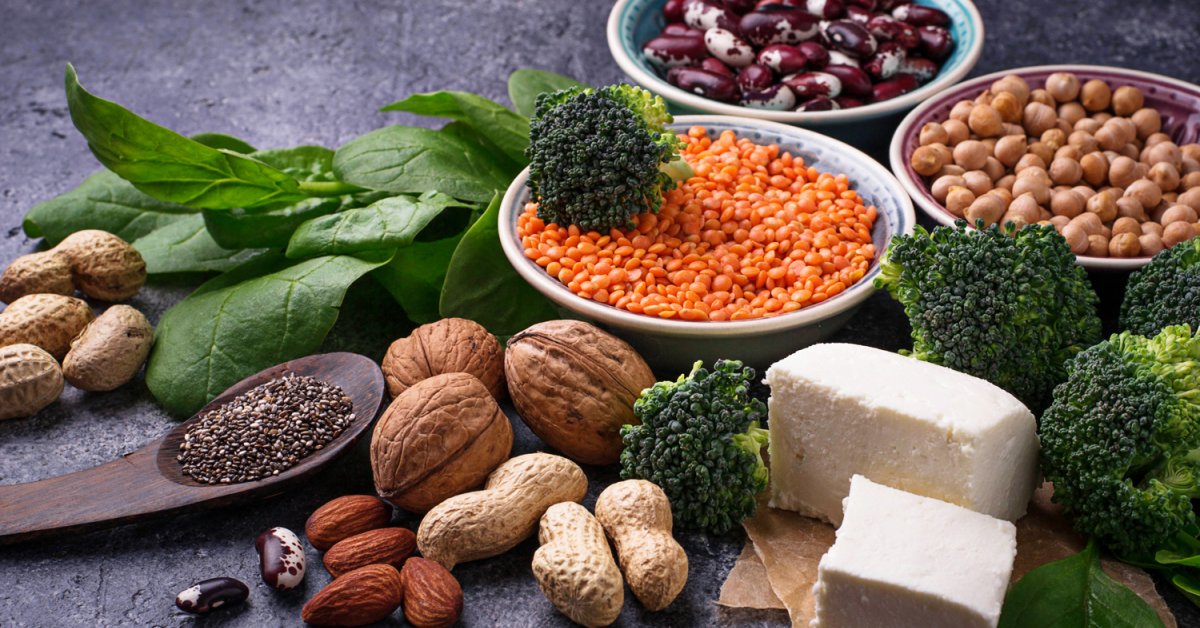
    Vegan and vegetarian protein sources include: vegan protein powders, beans and legumes, tempeh, edamame and tofu.
     
    Beans and legumes deserve extra consideration because they are such excellent sources of protein, vitamins, minerals and fiber. Consequently, both are considered nutritional powerhouses. This makes them great alternatives to meat-based proteins.
     
    Most people are familiar with common varieties of beans, such as Great Northern, kidney, navy, pinto, white beans and black beans, for instance. Examples of legumes include peanuts, lentils, soybeans, green beans, peas, black-eyed peas and chickpeas (aka, garbanzo beans), which are used to make hummus.
     
    In addition to protein and fiber, most types of beans are excellent sources of other vital nutrients too, including potassium, selenium, zinc, iron, copper, phosphorus, manganese and magnesium.
     
    Simply put, beans and legumes are nutrient-dense foods that also happen to be low in calories (about 245 calories per cup). Yet, protein and fiber make you feel full longer, so this combination can have a double-whammy effect.
     
    A review of 26 studies found that a diet rich in beans and legumes can significantly lower LDL (bad) cholesterol, which is an important risk factor for heart disease. Additionally, eating beans has also been linked to higher HDL (good) cholesterol levels, as well as reduced inflammation, due to their high antioxidant levels.
     
    Some people may be concerned about the stomach gas often associated with beans, which is the result of a fiber known as raffinose. However, soaking and boiling beans reduces raffinose levels by up to 75 percent. Of note, canned beans, which most people are more likely to eat, come pre-soaked and boiled. The digestive tracts of those who eat beans regularly are likely well-adapted, eliminating those embarrassing emissions. If you don’t eat beans regularly, your gut flora (microbiome) will quickly adjust in about a week and any gassiness should soon subside.
     
    Though canned beans contain a significant amount of added sodium, thoroughly rinsing and draining them can cut the sodium content by about 40 percent.
     
    Beans are also inexpensive and easy to prepare, usually requiring nothing more than heating and, perhaps, seasoning.
     
    On the whole, beans and legumes are highly nutritious foods, offering numerous health benefits. They are a worthy staple of any good diet.
     
    Yet, there are many more excellent vegetarian protein sources.
     
    The following non-meat foods also contain plenty of protein:
     
    • Nuts and seeds (4-10 grams per 1 ounce serving): walnuts, cashews, pumpkin seeds, pistachios, sunflower seeds, almond butter, hemp, chia and flax seeds.
     
    • Grains (5-8 grams per cup): quinoa, brown rice, oats, millet and barley.
     
    • Soy (9-16 grams per ½ cup): tofu, edamame and tempeh.
     
    • Fruits and veggies such as avocado (4 grams per cup), dark leafy greens (about 5 grams per cup) and broccoli (4 grams per cup).
     
    • Dairy (milk, yogurt, cheese) and eggs provide 6-9 grams of protein per serving.
     
    There are many benefits to eating a well-balanced diet that includes vegetarian protein sources, including loads of fiber (which aids in digestion), and a wider variety of vitamins and minerals proven to reduce diabetes, cancer and heart disease.
     
    Here are some plant-based proteins that are also complete proteins, meaning they contain adequate amounts of all nine essential amino acids:
     
    • Tofu, Tempeh and Edamame
     
    Each of these is made from soybeans and all are excellent plant-based protein sources.
     
    A 3-ounce serving of tofu provides approximately 8 grams of protein.
     
    Three ounces of tempeh (made from fermented soybeans) contain 11 grams of protein.
     
    A 1/2 cup (4 oz) of whole edamame provides 8 grams of protein.
     
    These soy products also contain fiber, calcium, potassium and iron.
     
    • Quinoa
     
    One cup (8 ounces) of cooked quinoa provides approximately 8 grams of protein.
     
    In addition to being a complete protein, quinoa provides more magnesium, iron, fiber, and zinc than many common grains.
     
    • Amaranth
     
    This pseudocereal is a complete source of protein and has become a popular gluten-free grain alternative.
     
    One cup (8 oz) of cooked amaranth provides approximately 9 grams of protein.
     
    Amaranth is also an excellent source of manganese, magnesium phosphorus, and iron.
     
    • Buckwheat
     
    Though not as high in protein as quinoa or amaranth, the pseudocereal buckwheat is another plant-based complete protein. Despite its name, buckwheat is not a type of wheat. Therefore, it is gluten-free. Officially, buckwheat is not even a grain but rather a seed.
     
    One cup (8 oz) of cooked buckwheat groats provides approximately 6 grams of protein.
     
    Buckwheat is also a good source of many essential minerals, including phosphorus, manganese, copper, magnesium, and iron.
     
    • Spirulina
     
    A type of blue-green algae, this complete protein source can be easily added to smoothies for a boost of nutrition.
     
    Just 1 tablespoon of dried spirulina provides 4 grams of protein.
     
    Spirulina is rich in antioxidants and is a good source of several B vitamins, copper, and iron.
     
    • Hemp seeds
     
    Technically a nut, the edible whites inside of hemp seeds are referred to as hemp hearts and incredibly nutritious. Hemp hearts have a mild nutty flavor and can be sprinkled over yogurt or salads or added to smoothies.
     
    In addition to being a source of complete protein, hemp hearts are particularly rich in the essential fatty acids linoleic acid (omega-6) and alpha-linolenic acid (omega-3).
     
    Three tablespoons (30 grams) of raw, hulled hemp seeds boast an impressive 10 grams of protein.
     
    • Chia seeds
     
    Two tablespoons of chia seeds provide 4 grams of protein. They’re also a good source of omega-3s, iron, calcium, magnesium, and selenium.
     
    Chia seeds can be used raw as a topping for oatmeal or salads, mixed into baked goods, or added to yogurt and smoothies.
     
    The takeaway is that there are lots of healthful, nutritious, non-meat protein sources. This is important for omnivores, vegetarians and vegans alike. Omnivores have a lot of options in meeting their protein requirements. Vegetarians and vegans just need to be more focused. 
     
    Having lots of options makes meal planning easier. After all, as the old saying goes, variety is the spice of life.
  • Sugar: The Biggest Dietary Threat to Your Health

    Sugar: The Biggest Dietary Threat to Your Health

    For decades, Americans were warned to reduce their fat and cholesterol intake in order to prevent heart disease, the nation’s No. 1 killer of both men and women. However, it is now known that sugar is the greater threat to our national health.
     
    The link between sugar and heart disease was purposefully obscured for decades. In 1964, after studies began linking sugar with heart disease, the Sugar Association (a sugar industry trade group) began funding research that cast doubt on sugar’s role in heart disease, in part by pointing the finger at fat.
     
    First, we should note the difference between naturally occurring sugar and added sugar, which is the real threat.
     
    Sugar occurs naturally in all foods that contain carbohydrates, such as fruits and vegetables, grains and dairy. Consuming whole foods that contain naturally occurring sugar is okay. Plant foods also have high amounts of fiber, essential vitamins, minerals and antioxidants, and dairy foods contain protein and calcium.
     
    Since your body digests these foods slowly, the sugar in them offers a steady supply of energy to your cells. A high intake of fruits, vegetables, and whole grains also has been shown to reduce the risk of chronic diseases, such as diabetes, heart disease, and some cancers.
     
    However, problems occur when you consume too much added sugar — that is, the sugar food manufacturers add to their products to increase flavor and/or extend shelf life. The added sugar in our food is generally regular table sugar (sucrose) and high-fructose corn syrup (a mix of fructose and glucose).
     
    Remarkably, sugar is the most popular ingredient added to foods in the US. In fact, about 80% of all sugar found in US foods has been added by the food industry. The top sources of sugar in the American diet are soft drinks, fruit drinks, flavored yogurts, cereals, cookies, cakes, candy, and other processed foods. 
     
    Yet, added sugar is also present in items you may not think of as sweetened, such as soups, cured meats, and ketchup. Yes, sugar isn’t merely found in sweets; it’s also added to many other processed foods, such as crackers, breads, peanut butter, and salad dressings. In fact, most processed foods contain sugar.
     
    While you might not think you’re eating much sugar, chances are you’re eating a lot more than you realize. Added sugar lurks in nearly 70% of packaged foods and is found in many sauces, snacks, most breakfast foods, and even many so-called ‘health foods’.
     
    The result: we consume way too much added sugar.
     
    Today, the average American consumes 66 pounds of added sugar each year, according to government data. That’s more than one pound of sugar each week!
     
    This is of great concern since too much added sugar is among the greatest threats to cardiovascular disease. Eating and drinking too many added sugars can also contribute to other health problems, such as type-2 diabetes and obesity. 
     
    “Sugar is actually more addictive than even cocaine, so it is probably the most consumed addictive substance around the world and it is wreaking havoc on our health,” says cardiovascular researcher James DiNicolantonio.
     
    Sugar’s impact on heart health has long been researched by Dr. Frank Hu, professor of nutrition at the Harvard T.H. Chan School of Public Health.
     
    In a study published in 2014 in JAMA Internal Medicine, Dr. Hu and his colleagues found an association between a high-sugar diet and a greater risk of dying from heart disease. Over the course of the 15-year study, people who got 17% to 21% of their calories from added sugar had a 38% higher risk of dying from cardiovascular disease compared with those who consumed 8% of their calories as added sugar.
     
    “Basically, the higher the intake of added sugar, the higher the risk for heart disease,” says Dr. Hu.
     
    High amounts of sugar overload the liver, potentially leading to fatty liver disease, a contributor to diabetes, which also raises your risk for heart disease.
     
    Consuming too much added sugar can also raise blood pressure and increase chronic inflammation, both of which are pathological pathways to heart disease.
     
    “The effects of added sugar intake — higher blood pressure, inflammation, weight gain, diabetes, and fatty liver disease — are all linked to an increased risk for heart attack and stroke,” says Dr. Hu.
     
    Diabetes has reached epidemic proportions in the US. It kills more Americans each year than AIDS and breast cancer combined, according to the American Diabetes Association.
     
    More than 100 million US adults are now living with diabetes or pre-diabetes, according to a 2017 CDC report. Pre-diabetes is a condition that, if not treated, often leads to type-2 diabetes within five years. Despite the fact that more than a third of US adults have pre-diabetes, the majority don’t know it, says the CDC.
     
    Even a relatively small amount of sugar can do a lot of damage to your health. People who add 150 calories of sugar to their daily diet — from sources such as a 12-ounce can of Coke or an ounce of M&Ms — have 10 times greater risk of developing diabetes.
     
    Additionally, people who consume a diet high in fructose risk damaging their immune systems, a new study suggests. The study shows that fructose, which is commonly found in sugary drinks, sweets and processed foods, causes the immune system to become inflamed.
     
    Furthermore, researchers say that consuming too much added sugar (as well as artificial sweetener, fast foods, fried foods, processed foods, and alcohol) can harm your gut microbiome.
     
    The American Heart Association (AHA) has long suggested that men consume no more than nine teaspoons (36 grams) of added sugar per day. That’s close to the amount in a 12-ounce can of soda. Women are advised to limit added sugars to no more than six teaspoons a day (24 grams).
     
    However, the average American still eats about 17 teaspoons (19 for men, 15 for women) of added sugar a day, according to the CDC. That’s about double the recommended limit for men (nine teaspoons) and two-and-a-half times the limit for women (six teaspoons). This doesn’t include the sugars that occur naturally in foods like fruit or dairy products.
     
    In other words, American adults consume an average of 77 grams of added sugar per day. Again, that’s more than two times the recommended amount for men and two-and-a-half times the recommended amount for women. 
     
    Recognizing the problem, the AHA now recommends that sugar intake be limited to less than 6% of daily calories, and the Dietary Guidelines Advisory Committee agrees.
     
    Yet, roughly 90% of Americans still get more than 10% of daily calories from sugar, and the top 10% of sugar-consumers ingest a whopping 40% of their calories from sugar!
     
    Beverages are the leading source of added sugars, accounting for 47% of the total. Examples of sugary beverages include regular soda, fruit drinks, sports drinks, energy drinks, sweetened waters, and coffee and tea beverages with added sugars.
     
    The US ranks third in the world in sales of sugary drinks. In 2013, the average American drank just over 38 gallons of soda a year — or about eight 12-ounce cans a week. 
     
    Reading food labels is one of the best ways to monitor your intake of added sugar. Total sugar, which includes added sugar, is often listed in grams. Note the number of grams of sugar per serving as well as the total number of servings. The package might only say 5 grams of sugar per serving, but if the normal amount is three or four servings, you can easily consume 20 grams of sugar. That’s a lot of added sugar.
     
    By simply being more aware, you can substantially reduce the amount of added sugar in your diet. It would certainly be worth your while.
  • Stress Management Key to Life Management

    Stress Management Key to Life Management

    In 2018, Americans ranked among the most stressed people in the world, according to a Gallup Poll. Americans reported feeling stress, anger and worry at the highest levels in a decade, according to the survey.
     
    At the time, about 55 percent of adults said they had experienced stress during “a lot of the day” prior, compared with just 35 percent globally. About 45 percent of the Americans surveyed said they had felt “a lot” of worry the day before, compared with a global average of 39 percent.
     
    Mind you, this was pre-pandemic.
     
    Stress is problematic because it affects all of the body’s organ systems, including the brain and nervous system, the cardiovascular system, the musculoskeletal system, the immune system and the digestive system. Stress can even affect our perceptions, thoughts, beliefs and feelings.
     
    There is mounting evidence that chronic stimulation of the sympathetic nervous system can lead to long-term physiological dis-regulation, resulting in problems such as increased blood pressure, cardiac arrhythmias, digestive problems, chronic headaches, back aches and sleep disorders, as well as psychological disorders such as chronic anxiety, depression or both.
     
    While stress is often unhealthy, we often habitually and automatically react to it in ways that are also unhealthy.
     
    About 38 percent of adults in 2017 battled an illicit drug use disorder, according to the National Survey on Drug Use and Health, which is stunning.
     
    This included use of illegal drugs, prescription drugs, alcohol and tobacco, and the misuse of prescription drugs.
     
    Food is often used to cope with stress and emotional discomfort. Many people eat whenever they feel anxious or depressed. Food is often used as a means to fill an emptiness inside. Foods high in fat and sugar, the so-called comfort foods, are most commonly used to deliver stress relief.
     
    Yet, there are other unhealthy strategies that people utilize to cope with stress. One is to simply deny that there is any problem at all. Another is workaholism; if one feels stressed by family life, working provides an excuse to not be at home.
     
    These are all examples of maladaptive coping attempts; while they may give some relief in the short run, they can compound stress in the long run. They don’t ultimately make us healthier or happier. Your body can tell you some important things, if you’re willing to listen to it rather than tuning out.
     
    It is not the particular stressor itself but how you perceive it, then how you handle it, that will determine whether or not it will lead to stress. Your perception and how you handle the stressor makes all the difference in how much stress you will experience. If we can change the way we see, we can change the way we respond, thereby significantly lowering our stress, as well as its short- and long-term consequences for our health and wellbeing.
     
    In the end, we are well-advised to stop reacting to stress and to instead start responding to it. Responding to stress with greater mindfulness instead of reacting to it habitually and automatically can dramatically reduce the negative effects of stress.
     
    We can become more resistant to stress, more resilient, if we build up our resources and enhance our physical and psychological wellbeing via meditation, regular exercise, adequate sleep, and a sense of deep connectedness with others, to name four of the most important.
     
    This bears repeating. Healthy coping strategies include: meditating, exercising regularly, practicing yoga, praying, sharing your feelings with close friends, and having hobbies or interests that take your mind off your troubles. People who do these things tend to be stress hardy.
     
    Having a healthy strategy to manage pressure or stress can reduce our dependence on the common maladaptive coping strategies that we so often resort to, and get stuck in, when we feel tense.
     
    Greater resilience in the face of stressors and reduced stress reactivity are characteristic of people who practice meditation regularly. This has been demonstrated in a large number of studies.
     
    This is why I practice meditation daily, and why I teach it to others. If you’re interested in beginning a meditation practice, reach out and let me know. I have many years of experience and can help you get started.
  • Sean Kennedy: Health & Happiness Coach

    Sean Kennedy: Health & Happiness Coach

    Though my professional titles have long been Certified Strength & Conditioning Specialist and National Board Certified Health & Wellness Coach (what a mouthful!), I’ve long thought of myself as a Health & Happiness Coach.
     
    I’m less interested in helping people build a physical monument to themselves (or their egos) than I am in helping them be happier, more confident and more self-fulfilled. I try to get people to focus less on the amount of fat or muscle on their bodies and more on reducing stress, improving self-esteem, sleeping better, lowering blood pressure and resting heart rate, developing better mobility and balance, and building stronger bones, ligaments and tendons, as well as muscles.
     
    A single workout increases neurotransmitters like dopamine, serotonin and noradrenaline, and these mood boosters can also improve your memory and focus for up to three hours afterwards. Research shows that exercise even lowers anxiety levels, and it does it rather quickly — in about 10 minutes. So, exercise helps your mental health, as well as your cognition. Even a brisk walk can help boost your neurotransmitters and mood.
     
    Scientists at Duke University Medical Center tested three groups with depression. One was prescribed exercise; one was prescribed Zoloft; and the third was prescribed a combination of the two. Remarkably, the group that just exercised had the best results. And exercise seemed to do a better job of keeping the depression symptoms from coming back.
     
    Indeed, exercise has a multitude of positive effects; it even helps your brain grow new neurons. During a process called neurogenesis, new neurons (brain cells) develop in the hippocampus, the brain region responsible for learning information, storing long-term memories, and regulating emotions.
     
    Exercise also promotes brain plasticity by stimulating growth of new connections between cells in many important cortical areas of the brain.
     
    Yes, exercise even leads to a happier, healthier brain!
     
    The physical, emotional and mental benefits of exercise are numerous. So, there are bountiful reasons make regular exercise part of your weekly or even daily life.
     
    Yet, our wellbeing can be affected by more than just exercise.
     
    For example, there is a vital connection between the brain and the gut, where 90% of our serotonin receptors are located. The truth is, the foods we eat not only affect our physical health, but also our emotional wellbeing.
     
    Ultra-processed foods and foods that contain chemical additives negatively affect our gut health and increases our risk of illness. Ultra-processed foods, such as fast foods, are typically cheap, and they’re scientifically designed to be extra tasty and make you overeat. Even worse, ultra-processed foods are known cause inflammation and disease.
     
    On the other hand, a recent study found that fiber might be linked with a reduced risk of depression, especially in pre-menopausal women. Previous studies had already suggested the benefits of fiber for mental health. The link between dietary fiber and depression may be partially explained by gut-brain interactions, since fiber improves the richness and diversity of gut microbiota. It’s theorized that changes in gut-microbiota composition may affect neurotransmission.
     
    Additionally, according to the Cleveland Clinic, protein consumption (from foods like fish, beef, chicken, turkey, tofu, beans, eggs and unsweetened yogurt) has been linked to higher levels of dopamine and norepinephrine, the brain chemicals that play a role in your mood, motivation and concentration.
     
    So, our diets can indeed affect our mood state and mental wellbeing, as well as our physical wellbeing.
     
    Finding healthy ways to manage our stress is also very important. The stress hormone cortisol is known to interfere with immune functioning and even the workings of the cardiovascular system. In fact, stress is an underrated, yet profound, factor in the development of cardiovascular disease. Stress exacerbates cholesterol levels, raises blood pressure and heart rate, and it often creates the kind of pressure that prevents a person from engaging in enough healthy self-care activities.
     
    So, it’s important to find healthy ways to mitigate and manage stress. Lowering your stress levels with relaxation techniques, such as meditation, can reduce your risk of health problems.
     
    However, people often turn to unhealthy coping mechanisms, such as food, alcohol, drugs and impulsive shopping to cope with life’s stresses. Yet, these things ultimately make our stresses even worse in the long run. Meditation, on the other hand, can be helpful in managing stress and anxiety, as well as a variety of other health conditions. Research studies have shown that regular meditation can actually change the physical structure and cognitive function of the brain.
     
    Ultimately, true wellness requires a comprehensive, holistic approach, where all of these factors are considered and implemented.
     
    It may seem intuitive or self-evident that being unhealthy could make someone unhappy, and there’s evidence to support that notion. A study at George Mason University found that the degree to which a disease disrupts daily functioning is associated with reduced happiness. According to the lead author of the study, “these results support the notion that health status is one of the most important predictors of happiness.”
     
    A study of the “Economic Determinants of Happiness,” based on data gathered by the U.S. Census, revealed that health is a far more powerful determinant of an individual’s happiness than his or her income, marital status, age or any other factor. In fact, self-described “healthy” people are 20 percent happier than average, while “unhealthy” people are 8.25 percent less happy.
     
    Okay, but how about the inverse? Can being happy make you more healthy?
     
    According to researchers at Southern Methodist University, there is plenty of evidence to suggest that people’s overall sense of life satisfaction and typical levels of happiness are linked to physical health.
     
    And, according to Harvard Medical School, scientific evidence suggests that positive emotions can help make life longer and healthier.
     
    Furthermore, according to Northwestern Medicine, happiness lowers your risk for cardiovascular disease, lowers your blood pressure, enables better sleep, improves your diet, allows you to maintain a normal body weight through regular exercise and reduces stress.
     
    Clearly, happiness and health are interrelated. And most research suggests that the connection between happiness and health is bidirectional. This means that greater wellbeing leads to better physical health, and better physical health leads to greater wellbeing. One thing leads to the other.
     
    This is why I have always taken a “whole-being” approach to health and wellness. We can’t simply focus on having a little less body fat, bigger biceps or a better butt and expect to be necessarily healthier and/or happier. Certainly, seeing improvements in your physique can be positive and uplifting. But adequate sleep, good nutrition and stress reduction are also vital to our overall wellbeing.
     
    Seeing verifiable improvements in your biomarkers (i.e., blood pressure, resting heart rate, LDL cholesterol, etc.) is not only a clear indication of improving physical health, it also gives you a big boost emotionally and mentally — even if your biceps don’t get any bigger or your butt doesn’t necessarily look better.
     
    Ultimately, exercise, a nutritious diet, meditation, and other forms of self-care can make us healthier, happier, and mentally sharper, all of which are very worthwhile pursuits.
     
    If you’d like help in forging a healthier lifestyle, please reach out to me. It could very well make you happier, too!
  • Big-Boned, Big Myth

    Big-Boned, Big Myth


    You may have heard the term “big-boned” used to describe some overweight or obese people. Sometimes it’s a self-description. How much do our bones really contribute to our weight?
     
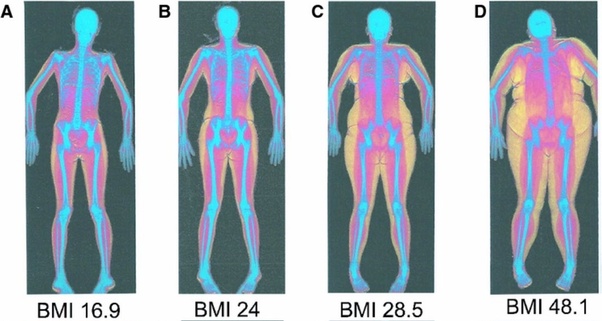
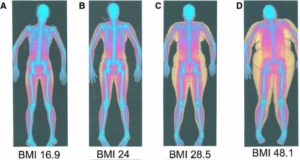
    The average human skeleton will account for around 12%-15% of total body weight. So, a 200-pound man would have a skeletal weight of 24-30 pounds. A 150-pound woman has a skeletal weight of 18-22.5 pounds. Bone density refers to the concentration of minerals in your bones, yet dense bones may add only a few pounds to your frame. As an adult continually gains weight throughout life, it’s not because their bones become continually bigger and heavier.
     
    An adult’s skeleton weighs more than a child’s. And a 7-foot person’s skeleton weighs more than a 6-foot person’s, who’s skeleton weighs more than a 5-foot person’s skeleton. Beyond this, people are not “big-boned.” The bones in people of the same height are relatively the same weight. Most people who weigh too much for their height typically do so because of excess body fat, though a more-muscular body does indeed weigh more than a less-muscular body.
     
    Seventy-five percent of Americans are now either overweight or obese. Yet, most people aren’t body builders. Our national weight problem is a fat problem, unrelated to too much muscle or too much bone.
     
    The term “big-boned” is not a medical term. One orthopedic surgeon would tell her patients, “I have seen your bones, and they’re not big.” Being “big-boned” or “small-boned” doesn’t justify a 30-35 pounds differential from a normal-weight person of your height. If you are truly convinced that you are just big-boned and not overweight, buy a body-fat scale to measure your fat percentage. Excess weight is either the result of excess fat or excess muscle, not excess bone or big bones.
     
    So, the notion of being big-boned is a big myth… unless you’re Shaquille O’Neal, who is 7-feet, 2-inches tall.
     
    By the way, in 1992, at the start of O’Neal’s rookie season, he was listed at 325 pounds. According to Shaq, he weighed 395 pounds by 2002. But it wasn’t because his bones got bigger or heavier though.
  • Creatine: The Supplement That Really Works

    Creatine: The Supplement That Really Works

    Many nutritional supplements make dubious claims, offering unproven benefits. A great number have proven to be ineffective or even unsafe. Creatine, however, is one of the most widely researched sports supplements and there are no serious safety concerns associated with its use, assuming that it is consumed in recommended dosages.
     
    Creatine supplementation is typically divided into two phases: a loading phase and a maintenance phase. A typical loading phase comprises 20 grams of creatine (or 0.3 g/kg body weight) in divided doses four times a day for two to seven days. This is followed by a maintenance dose of 2 to 5 grams daily (or 0.03 g/kg body weight) for several weeks to months at a time (source: NSCA).
     
    Creatine has proven to be very effective; research shows that it improves performance and increases lean body mass in males, females and the elderly, as long as strength training is performed concurrently and consistently. The increases in lean mass associated with creatine result from an increase in the protein content of muscle tissue.
     
    Creatine is synthesized in the kidney, liver and pancreas, but is primarily obtained from the ingestion of meat or fish. However, strength and power athletes cannot eat enough meat or fish to supply their bodies with adequate creatine to improve performance. Hence, the need for supplementation. 
     
    Marketed as “nature’s muscle builder,” creatine is an energy-boosting performance enhancer. Quite simply, creatine is a form of stored energy for muscles, primarily used by athletes and weight trainers.
     
    Creatine helps provide energy to muscles during short-term, high-intensity exercise, making it ideal for strength and power athletes, rather than endurance athletes. Research shows that creatine supplementation during training can increase gains in 1-repetition maximum (1RM) strength and power.
     
    One of the primary benefits of creatine is that creates a resistance to muscle fatigue. Muscle cells take longer to tire out when they have extra creatine in reserve. Creatine is an energy intermediate that helps replenish the fuel molecule adenosine triphosphate (ATP). Simply put, creatine can help you lift weights longer than you can without it.
     
    In conclusion, creatine is safe, inexpensive and can increase your resistance to fatigue when weight training. It is the most legitimate sports supplement available.