Category: sleep

  • Honor Your Body Clock, Create Circadian Alignment

    Honor Your Body Clock, Create Circadian Alignment

    Scientists have isolated the body-clock genes that control 24-hour light-dark circadian rhythm, and it’s now known that every cell in the body has a synchronized clock. 
     
    The 2017 Nobel Prize in Physiology and Medicine was awarded to three scientists who discovered the body clock gene and its critical role in metabolic function. In a world of 24/7 non-stop chaotic eating, relentless stress, continuous screen-gazing, sedentary lifestyle and sleep deprivation, time has become irrelevant. These constant 21st century disruptions of the powerful cellular body clock cycles (aka, circadian rhythm) are wreaking life-threatening havoc on mental and physical health, resulting in obesity, metabolic syndrome, cancer and diabetes.
     
    “We didn’t realize at the time that this clock would be represented all over the body in many different tissues and control so many different biological processes that we go through every day,” says Michael Young MD, 2017 Nobel Laureate in Medicine and Physiology. “It left us with the understanding that our whole bodies are rhythmically active.”  
     
    Circadian Alignment is when the central and peripheral clocks are aligned: bright light during daytime, sleep at night, and food intake during daytime. Circadian Misalignment is when the central and peripheral clocks are misaligned: light at night, sleep during daytime, and food intake at night.
     
    This misalignment has become normalized. According to a recent study of the eating habits of more than 34,000 U.S. adults, nearly 60 percent said it was normal for them to eat after 9 p.m. 
     
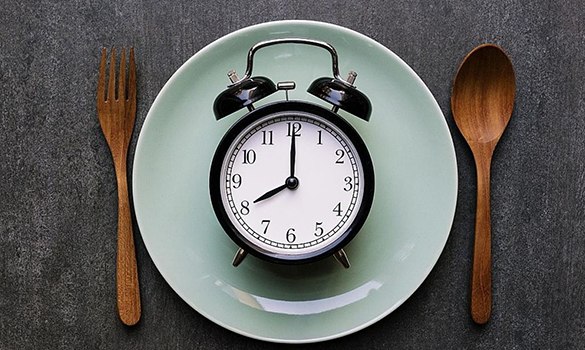
    Yet, time-restricted eating (12-16 hours of non-eating) has proven to be the best match to our circadian clocks. This means we need to eliminate nocturnal eating. We should stop eating by 6-7pm and not eat again for at least 12 hours (14 hours is the sweet spot).
     
    Our bodies have evolved to process nutrients during the day, and to conserve energy at night. The body uses energy to repair all of its systems at night, while we sleep. Disrupting that natural rhythm can cause problems.
     
    Several studies have found, for instance, that eating dinner within three hours of bedtime may worsen heartburn or acid reflux symptoms. And limited research has suggested that eating one to three hours before bedtime is associated with more disrupted sleep.
     
    The most intriguing research on late-night eating, however, has focused on its relationship with body weight and metabolic health.
     
    In one 2019 study of nearly 900 middle-aged and older U.S. adults, researchers at Brigham and Women’s Hospital in Boston found that those who consumed roughly 100 calories or more within two hours of bedtime were about 80 percent more likely to be overweight or to have obesity than those who did not eat during that window. Researchers have found similar results in adults in Sweden and Japan.
     
    And in a 2023 study of more than 850 adults in Britain, those who regularly snacked after 9 p.m. had higher levels of HbA1c, a marker for diabetes risk, and greater spikes in blood sugars and fats after daytime meals than those who did not typically consume late-night snacks.
     
    Research has also found that carbohydrates consumed in the evening result in greater blood sugar spikes than those consumed earlier in the day. That is in part because melatonin, a sleep-promoting hormone that increases in the evening, dampens the secretion of insulin, which regulates blood sugar levels. Elevated blood sugars could eventually damage blood vessels and increase the risk of developing high blood pressure and Type 2 diabetes.
     
    Research suggests that it’s best to avoid eating for three to four hours before your usual bedtime. We should be eating during an 8-12 hour window, allowing 12-16 hours for regeneration. We should also be sleeping for 7-8 hours each night. 
     
    A regular bed time is critical for your health and wellness, as is a regular waking time. Additionally, sleeping too long can affect your ability to fall asleep that night. After a good night’s sleep, most people need to be awake around 16 hours before they feel sleepy again.
     
    Going to sleep between 10:00 pm and 11:00 pm is associated with a lower risk of developing heart disease compared to earlier or later bedtimes, according to a recent study by the European Society of Cardiology. Early or late bedtimes may be more likely to disrupt the body’s circadian clock, with adverse consequences for cardiovascular health, according to the study’s authors.
     
    The incidence of cardiovascular disease was highest in those with sleep times at midnight or later (25% higher risk) and lowest in those with sleep onset from 10:00 to 10:59 pm. There was also a 24% higher risk for falling asleep before 10:00 pm. Yes, the body clock is that precise and sensitive. 
     
    Humans are not nocturnal animals; we are diurnal. We need to honor our innate body clock by eating and sleeping in a manner that naturally suits us and promotes health.
  • Why It’s Critical to Manage Your Stress

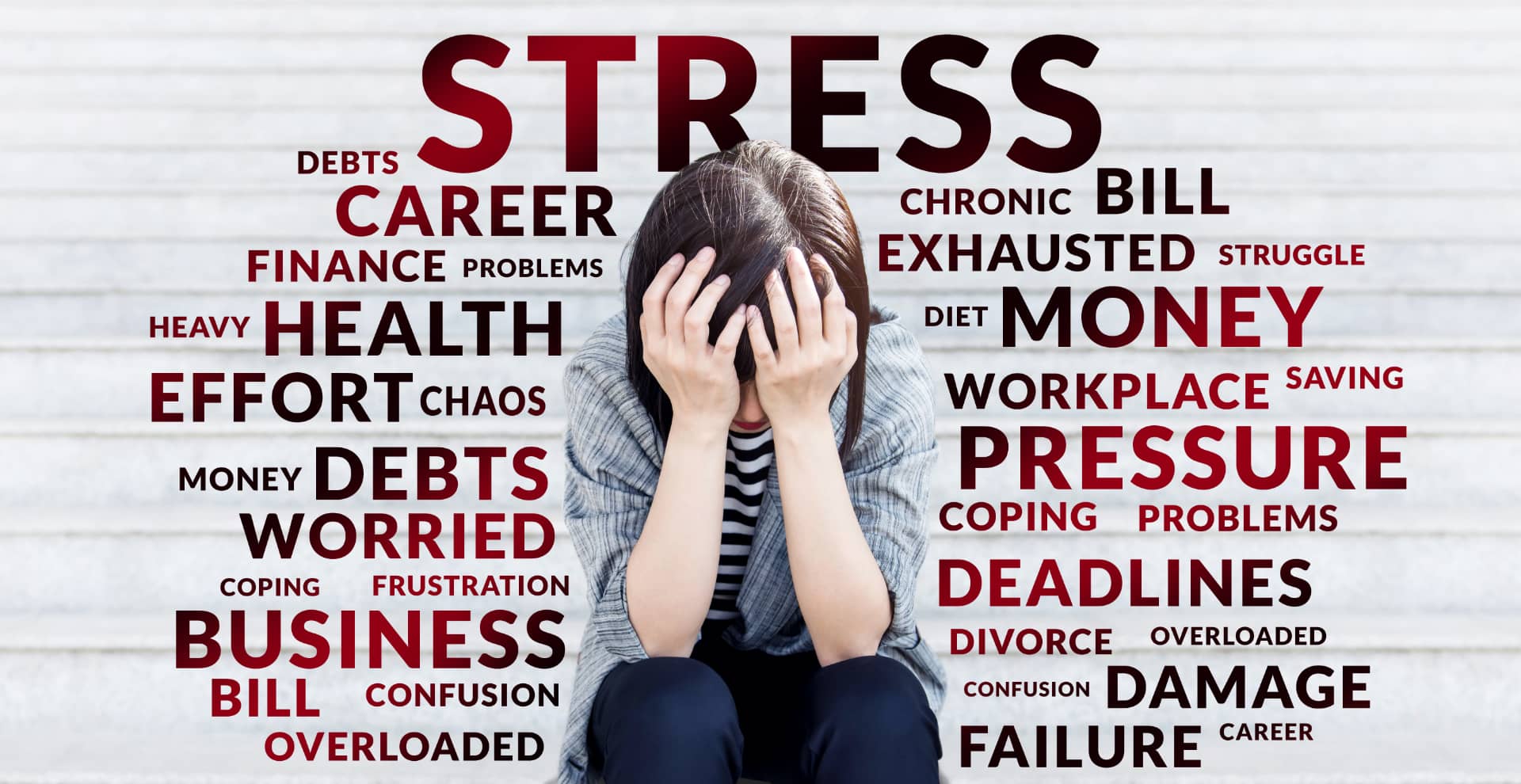
    Why It’s Critical to Manage Your Stress

    There may be an even greater risk to your heart’s health than high blood pressure, high LDL cholesterol, smoking, diabetes, obesity and physical inactivity. Chronic psychological stress may be more dangerous to heart health than each of these traditional cardiac risk factors.
     
    A recent study, published in JAMA, found that mental stress took a significantly greater toll on the hearts and lives of heart patients than did physical stress. The patients were more likely to suffer a non-fatal heart attack or die of cardiovascular disease in the years that followed.
     
    A previous study of patients from 52 countries found that those who experienced a high level of psychological stress during the year before they entered the study were more than twice as likely to suffer a heart attack during an average follow-up of five years, even when traditional risk factors were taken into account.
     
    The study, known as Interheart, showed that psychological stress is an independent risk factor for heart attacks, similar in heart-damaging effects to the more commonly measured cardiovascular risks.
     
    Stress is a profound, yet underrated, factor in the development of cardiovascular disease (CVD). Stress, itself, exacerbates cholesterol levels, raises blood pressure and heart rate, and often creates the kind of pressure that prevents a person from engaging in adequate self-care activities.
     
    Science has shown that an unrelenting barrage of stress hormones can break down the body, leading to obesity, disease, depression and more. Stress hormones have a profound effect on the brain. They actually change the brain, alter behavior and impact mental health. There’s growing evidence indicating that depressive illness and hostility are both associated with cardiovascular disease (CVD) and other systemic disorders.
     
    Ultimately, stress affects us in every way — body, mind, emotions and behavior. Here’s how:
     
    Stress can negatively affect the immune system, skin, hormones, bones, brain, heart, gut and muscles.
     
    The effects of stress in the body can manifest in many ways: headaches, frequent infections, tight muscles, muscle twitches, fatigue, skin irritations and poor breathing, for example.
     
    Stress can also affect our minds in the form of: worrying, impaired judgement, nightmares, indecision, negativity and hasty decisions, for example.
     
    Stress affect our emotions in the the following ways: loss of confidence, irritability, depression, apathy, alienation and apprehension, for example.
     
    Stress can also affect our behavior in the following ways: insomnia, restlessness, drinking more, smoking more, loss of appetite and loss of sex drive, for example.
     
    Stress affects our nervous system and raises cortisol levels, which can affect metabolism, blood pressure, heart rate and the immune system. Continually high cortisol levels result in weight gain, digestive problems, heart disease and a suppressed immune system.
     
    The immune system is designed to ward off these problems. However, the stress hormone cortisol is known to interfere with immune functioning. So, it’s important to find healthy ways to mitigate and manage your stress.
     
    It should be noted that not all stress is bad, however. Good stress allows us to respond to an immediate challenge with a burst of energy that focuses the mind. And transient stress is a response to daily frustrations that resolve quickly. The problem is chronic stress, which results from a toxic, unrelenting barrage of challenges that eventually breaks down the body.
     
    What can you do to mitigate the effects of chronic stress and/or anxiety?
     
    Regular physical exercise can help to tamp down stress and the body-wide inflammation it can cause. Research shows that exercise lowers anxiety levels, and it does it rather quickly — in about 10 minutes. Exercise is a great way to bring wellness to your brain. A single workout increases neurotransmitters like dopamine, serotonin and noradrenaline, and these mood boosters can also improve your memory and focus for up to three hours afterwards. So, exercise helps your mental health, as well as your cognition.
     
    A healthy, balanced diet can also help to relieve stress. What you put into your body affects you, for better or worse, in myriad ways. Sugar and processed foods can lead to inflammation throughout the body and brain, which may contribute to mood disorders, including anxiety and depression. Yet, when we’re feeling stressed or depressed, it’s often processed foods that we reach for as a means of coping. This just creates a feedback loop. 
     
    Adequate nightly sleep is also a stress reliever. On the other hand, poor sleep increases stress and promotes arterial inflammation. For this reason, developing good sleep habits can also reduce the risk of cardiovascular damage. Adopt a consistent pattern of bedtime and awakening, and avoid exposure at bedtime to screens that emit blue light, like smartphones and computers, or use blue-light filters for such devices.
     
    Maintaining a healthy social support network is also a critical means of stress management. Loneliness and isolation have been scientifically proven to be really bad for our health.
     
    Relaxation techniques, such as meditation, can result in a rebalancing of your hormone levels, including: increased serotonin (happiness hormone), increased endorphins (pain relief hormone), increased melatonin (sleep hormone), decreased adrenaline (action hormone), and deceased norepinephrine (fight or fight hormone), as well as the enhancement of your immune system. Simply put, meditation helps people reduce stress and build resilience.
     
    Controlled breathing has also been shown to reduce stress, increase alertness, and boost your immune system. Yogis have for ages long used breath control, or pranayama, to promote concentration and improve vitality.
     
    Studies have found that breathing practices can help reduce symptoms associated with anxiety, insomnia, post-traumatic stress disorder, depression and attention deficit disorder.
     
    Consciously slowing your breath can turn on the parasympathetic nervous system, which can slow heart rate and promote feelings of calm and relaxation.
     
    A 2011 review article in Health Science Journal identified some of the potential health benefits of deep breathing techniques, particularly for deep breathing from the diaphragm. These include:
     
    • Reduced anxiety
    • Better stress management
    • Reduced hypertension
    • Decreased fatigue
    • Improved migraine symptoms
    • Reduced aggressive behavior in adolescent males
    • Reduced symptoms of asthma in children and adolescents
     
    Ultimately, techniques such as meditation and controlled breathing activate the parasympathetic nervous system, which calms the brain and body. These techniques can help you become calmer, while relieving anxiety and stress, which can lead to healthier physical, mental and emotional outcomes.
     
    We will never eliminate all stress from our lives, but we can seek to reduce it, better tolerate it, and recover from it. Whatever you do, find ways to lessen and manage your stress. It can have a significant impact on your health.
     
    Although stress is a part of life, doing the following things can help you manage your stress:
     
    • Recognize your stress
    • Take time for yourself
    • Practice deep breathing
    • Meditate
    • Exercise
    • Put Joy and laughter into your life
    • Eat healthy, nutritious foods
    • Avoid putting anything unhealthy in your body
    • Have good sleep habits
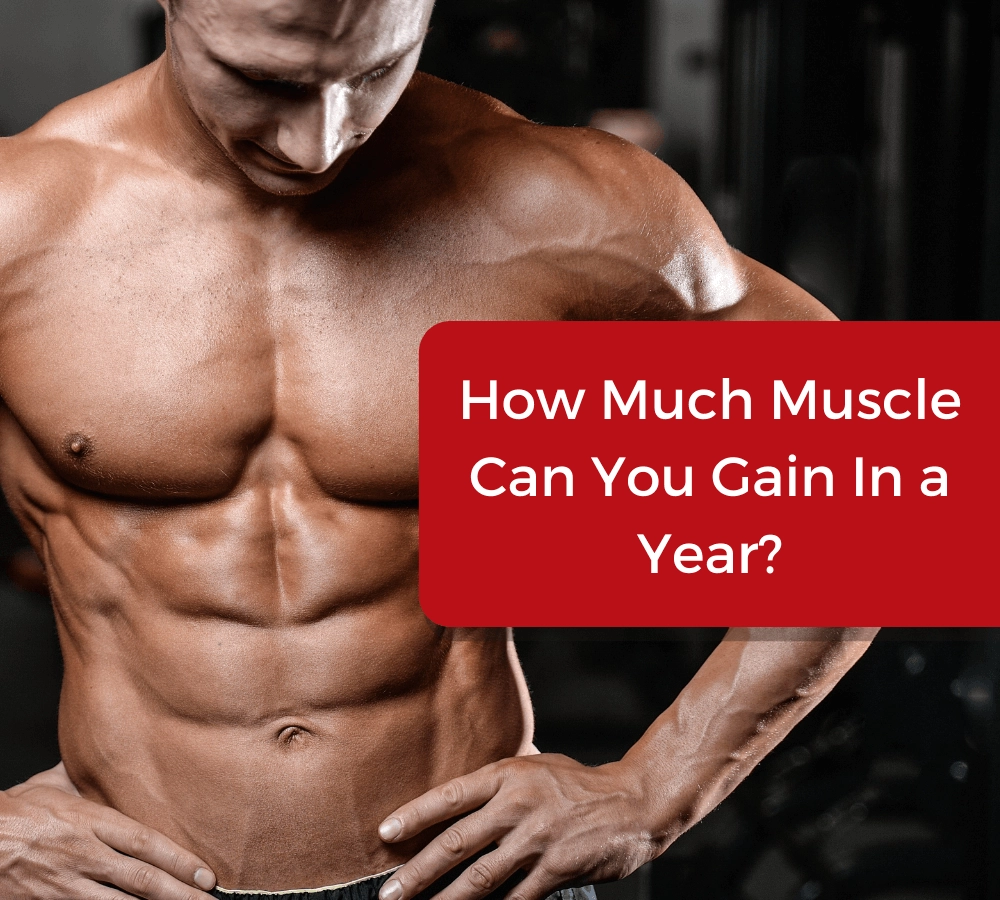
  • How Much Muscle Can You Gain in a Year?

    How Much Muscle Can You Gain in a Year?

    When people gain weight through a committed strength training program, it involves more than just added muscle mass. A 10-to 20-pound weight gain typically includes not only muscle, but also fat, water, and carbohydrate storage. In short, it usually isn’t all lean muscle.
     
    The ability to gain muscle, and how much one gains, is dependent on age, sex, physical condition, genetics, diet quality and, of course, training program. As we get older, hormone levels can drop, and men tend to put on muscle more easily than women due to their higher testosterone levels.
     
    A good rule of thumb is that most healthy individuals can gain 1 to 2 pounds of lean muscle mass per month, at least in the early stages. After the first three months, a monthly increase of about half a pound is more likely over the longer run.
     
    Stuart Phillips, Ph.D., who has conducted many studies at McMaster University in Ontario, says he expects the average guy to gain 4 to 7 pounds of muscle in the first three months. Yet, that’s only if he’s either new to lifting or returning from a layoff. The more experienced and dedicated you are, the less you can gain. In other words, there are diminishing returns over time and the gains become harder to achieve.
     
    By Phillips’ measure, the average guy can expect to gain about 8-12 pounds of muscle over the course of a year. However, some guys may gain more or less than that.
     
    Regardless of the program or the supplements used, Phillips never sees average gains exceeding about a half-pound a week, which amounts to 26 pounds over the course of a year. But those guys are the genetic freaks, the ones everyone would like to be.
     
    Whether muscle comes easily to you or you’re a hard gainer, it all comes down to genetics. Some people have a predisposition and propensity to gain muscle easily, while others find such gains very difficult to come by.
     
    Building muscle usually equates to gaining weight, which requires eating more than your body needs to maintain its current size. That’s not desirable for someone who’s already overweight. And no, you cannot turn fat into muscle anymore than you can turn blood into bone. If you plan to gain muscle, prepare to gain weight, and some of it will be fat.
     
    Building muscle requires a very dedicated program of lifting at least three days per week, working all of the large muscle groups for 3-6 sets of 8-12 reps to failure. It’s important to give each muscle group a 48-hour break before training it again (i.e., Monday, Wednesday. Friday)
     
    It’s also critical to get eight hours of sleep every night, with essentially the same bed and wake times. Your body releases more growth hormone (GH) during sleep than at any other time. Research shows that 70% of the growth hormone humans release occurs during deep sleep (from 10pm-2am), and the more deep sleep you get, the more growth hormone you produce. Growth hormone is a vital part of muscle repair. Protein synthesis also occurs during sleep, which leads to the last factor for muscle growth.
     
    A high-protein diet is essential for muscle growth to occur. A common recommendation for gaining muscle is 1 gram of protein per pound of body weight. Though there are varying recommendations, this is a simple, easy formula to remember. Remember that in addition to animal sources, protein can be found in lots of non-animal sources, such as beans, legumes, seeds, nuts and nut butters. Then there’s also eggs and dairy. A whey-protein powder supplement can also be useful between meals and before bed.
     
    So, be prepared to train hard and often, to sleep well every night, and to eat plenty of calories, particularly protein. Always set realistic goals and remember that the one factor you can’t control is your genetics.
  • Sleep Is Vital to Good Health, Yet Many of Us Aren’t Getting Enough

    Sleep Is Vital to Good Health, Yet Many of Us Aren’t Getting Enough

    One-third of U.S. adults are struggling to get a good night’s rest, according to a jointly conducted web survey by Gallup and mattress retailer Casper. This suggests that nearly 84 million Americans are not getting adequate sleep.
     
    Moreover, 65% said they were unable to get the recommended seven to nine hours of sleep a night.
     
    This sleep deficit has negative health consequences. Research confirms that not getting the recommended 7-9 hours of sleep per night, or getting poor quality sleep, increases risks for high blood pressure, elevated cholesterol and atherosclerosis, which happens when fatty deposits build up in arteries. Not getting enough sleep is linked to weight gain, diabetes and inflammation, all of which can worsen cardiovascular disease.
     
    The survey of more than 3,000 adults indicated that stress is a major factor in this epidemic of sleepless. If the word epidemic sounds hyperbolic, that’s exactly how the CDC describes it.
     
    Two years of the coronavirus pandemic drove stress levels to extraordinary levels and even as that now begins to wane, new stressors seem to have supplanted it. An American Psychological Association study recently found that Americans are feeling more anxious about inflation, global uncertainty, and the war in Ukraine.
     
    Our emotional and mental states are major contributing factors to how easily we fall asleep and whether we stay asleep all night.
     
    There are strategies you can utilize to help improve your sleep. For example, 30 minutes of daily exercise improves your odds of a great night’s sleep by 30%. That’s because exercise helps work off stress and anxiety. Moving your body and raising your heart rate help ensure a better night’s sleep.
     
    Creating some form of ambient white noise, such as with a fan or noise machine that creates nature sounds, can also be calming, soothing and sleep inducing.
     
    Healthy nutrition, meditation and/or breathing exercises can also be quite helpful. For example, you can count your in-breaths or out-breaths from one to 10. You can then count them backwards from 10 to one. If your mind wanders, bring your attention back to your breathing and start counting from one again. Focused breathing is relaxing in and of itself, but it can also help stop the mind from wandering. If you practice while lying in bed, eventually you’ll fall asleep while counting your breaths.
     
    Another useful strategy is to have a specific bedtime routine that you follow every night. Varying bedtimes and wake times put your body’s internal clock, the circadian clock, out of cycle. Going to bed and getting up at the same time every day, even on weekends, prevents this disruption. Changes in your sleep schedule thwart a natural sleep pattern, which throws off your circadian cycle.
     
    A regular bed time is critical for your health and wellness, as is a regular waking time. Additionally, sleeping too long can affect your ability to fall asleep that night. After a good night’s sleep, most people need to be awake around 16 hours before they feel sleepy again.
     
    Going to sleep between 10:00 pm and 11:00 pm is associated with a lower risk of developing heart disease compared to earlier or later bedtimes, according to a new study by the European Society of Cardiology. Early or late bedtimes may be more likely to disrupt the body’s circadian clock, with adverse consequences for cardiovascular health, according to the study’s authors.
     
    The incidence of cardiovascular disease was highest in those with sleep times at midnight or later (25% higher risk) and lowest in those with sleep onset from 10:00 to 10:59 pm. There was a 24% higher risk for falling asleep before 10:00 pm.
     
    When it gets dark, your brain ramps up its production of melatonin, a hormone that regulates your sleep-wake cycle. Essentially, melatonin helps you fall asleep — and stay asleep. On the other hand, light signals your brain to stop making melatonin, which helps you wake up and feel alert in the morning.
     
    Too much light just before bedtime, especially the blue light from electronic devices, can also disrupt our internal clocks. The brain’s nighttime surge of melatonin is known as melatonin onset. This naturally occurs as the sun sets and your environment literally starts to dim.
     
    However, modern humans no longer live by the sun’s daily cycle. We now have the ability to artificially keep our home environments bright at night. All that light signals to your body that it’s still daytime, which definitely doesn’t help you fall asleep. For this reason, it’s best to turn off screens and other intense lights a half-hour or so before bedtime. Reading by a dim light just before bed is a great way to ready the brain and induce sleep.
     
    Eliminating light in your bedroom is also a key requisite to a good night’s sleep. Even small sources of light, such as from your alarm clock or smoke detector can be disruptive, according to sleep research. There are tiny receptor cells in your retina that look for light intensity. Sleeping in a pitch-black environment helps ensure that those retinal receptors don’t find any light — until you’re ready to wake up in the morning.
     
    However, totally blacking out your room, such as with blackout curtains, in order to create a perfect sleep chamber may not be realistic for you. Yet, most of us can wear a sleep mask.
     
    Wearing a sleep mask could actually benefit your health. A small study at Northwestern University found that participants who slept in a dimly lit room had a continuously elevated heart rate. And in the morning, they also had more trouble getting their blood sugar into a normal range, a condition known as insulin resistance.
     
    These physiological changes happened even though their actual sleep wasn’t really disturbed. In fact, the participants generally said they slept fine. Yet, their brains and hearts knew that the lights were on, even though these people were sleeping. Even a relatively small amount of light was enough to shift their nervous systems into a more alert and activated state. The study provides evidence that sleeping with even relatively dim light exposure can be disruptive to our sleep-wake cycle.
     
    The resulting risk of chronic diseases like insulin resistance, diabetes, other cardio-metabolic problems is real. One five-year observational study of more than 40,000 women found that having a light or TV on while sleeping was associated with an increased risk of gaining more than 10 pounds.
     
    Furthermore, research shows that a lack of sleep can:
     
    • Affect cognition, decreasing focus and work productivity
    • Sap your energy and desire to work out
    • Elevate appetite and food cravings
    • Lead to more impulsive decisions, impacting food choices
    • Boost irritability, straining relationships
    • Increase stress levels (which makes sleep more difficult)
     
    In summation, for all these reasons, it’s best to:
     
    • Exercise daily, even if it’s just a walk
    • Create a cool, dark bedroom environment that’s conducive to sleep
    • Prepare for sleep by dimming lights and not using blue-light emitting devices 30 minutes before bed
    • Stop watching news or other distressing content before bed
    • Use breathing exercises when you’re having trouble sleeping
    • Keep specific bed and wake times
    • Wear a sleep mask
     
    Follow these tips, and you’ll enjoy a continually better night’s rest and, ultimately, a better quality of life.
  • Stress Management Key to Life Management

    Stress Management Key to Life Management

    In 2018, Americans ranked among the most stressed people in the world, according to a Gallup Poll. Americans reported feeling stress, anger and worry at the highest levels in a decade, according to the survey.
     
    At the time, about 55 percent of adults said they had experienced stress during “a lot of the day” prior, compared with just 35 percent globally. About 45 percent of the Americans surveyed said they had felt “a lot” of worry the day before, compared with a global average of 39 percent.
     
    Mind you, this was pre-pandemic.
     
    Stress is problematic because it affects all of the body’s organ systems, including the brain and nervous system, the cardiovascular system, the musculoskeletal system, the immune system and the digestive system. Stress can even affect our perceptions, thoughts, beliefs and feelings.
     
    There is mounting evidence that chronic stimulation of the sympathetic nervous system can lead to long-term physiological dis-regulation, resulting in problems such as increased blood pressure, cardiac arrhythmias, digestive problems, chronic headaches, back aches and sleep disorders, as well as psychological disorders such as chronic anxiety, depression or both.
     
    While stress is often unhealthy, we often habitually and automatically react to it in ways that are also unhealthy.
     
    About 38 percent of adults in 2017 battled an illicit drug use disorder, according to the National Survey on Drug Use and Health, which is stunning.
     
    This included use of illegal drugs, prescription drugs, alcohol and tobacco, and the misuse of prescription drugs.
     
    Food is often used to cope with stress and emotional discomfort. Many people eat whenever they feel anxious or depressed. Food is often used as a means to fill an emptiness inside. Foods high in fat and sugar, the so-called comfort foods, are most commonly used to deliver stress relief.
     
    Yet, there are other unhealthy strategies that people utilize to cope with stress. One is to simply deny that there is any problem at all. Another is workaholism; if one feels stressed by family life, working provides an excuse to not be at home.
     
    These are all examples of maladaptive coping attempts; while they may give some relief in the short run, they can compound stress in the long run. They don’t ultimately make us healthier or happier. Your body can tell you some important things, if you’re willing to listen to it rather than tuning out.
     
    It is not the particular stressor itself but how you perceive it, then how you handle it, that will determine whether or not it will lead to stress. Your perception and how you handle the stressor makes all the difference in how much stress you will experience. If we can change the way we see, we can change the way we respond, thereby significantly lowering our stress, as well as its short- and long-term consequences for our health and wellbeing.
     
    In the end, we are well-advised to stop reacting to stress and to instead start responding to it. Responding to stress with greater mindfulness instead of reacting to it habitually and automatically can dramatically reduce the negative effects of stress.
     
    We can become more resistant to stress, more resilient, if we build up our resources and enhance our physical and psychological wellbeing via meditation, regular exercise, adequate sleep, and a sense of deep connectedness with others, to name four of the most important.
     
    This bears repeating. Healthy coping strategies include: meditating, exercising regularly, practicing yoga, praying, sharing your feelings with close friends, and having hobbies or interests that take your mind off your troubles. People who do these things tend to be stress hardy.
     
    Having a healthy strategy to manage pressure or stress can reduce our dependence on the common maladaptive coping strategies that we so often resort to, and get stuck in, when we feel tense.
     
    Greater resilience in the face of stressors and reduced stress reactivity are characteristic of people who practice meditation regularly. This has been demonstrated in a large number of studies.
     
    This is why I practice meditation daily, and why I teach it to others. If you’re interested in beginning a meditation practice, reach out and let me know. I have many years of experience and can help you get started.
  • Good Habits Can Have a Domino Effect

    Good Habits Can Have a Domino Effect

    We all have various reasons that we work out, assuming we do so at all. For some, it’s to relieve stress and anxiety. Some may feel a great sense of pride and accomplishment afterwards. For others, working out may be a vanity project that provides a sense of confidence and the ability to fit into tight jeans or proudly wear a tank top or a backless dress.
     
    Yet, health outcomes, not simply appearance, should be your main motivation. It’s well established that the health benefits of exercise go beyond the physical. Once you make exercise part of your routine, you may notice a host of psychological benefits, such as feeling more energized, less stressed, and sleeping better.
     
    As you begin to notice how much better exercise makes you feel, the more you’ll want to do it regularly. At that point, exercise becomes a habit. What’s most important is to perform the activities you really enjoy, which will help you adhere to your program.
     
    It’s said that old habits are hard to break and new habits are hard to form. This is especially true with exercise. If you’re not in the habit of exercising, remaining physically inactive is effortless. To create the habit of exercising, however, takes a lot of resolve, determination and effort.
     
    The more consistent an action is, the more likely it is to become a habit. This means that exercising every day is more likely to result in habit formation. One useful idea is to schedule your exercise for a given time each day, as you would with a personal trainer. Accountability is critical to maintaining your schedule and forming a habit.
     
    As Charles Duhigg, author of The Power of Habit notes, “When people start habitually exercising, even just once per week, they start changing other, unrelated patterns in their lives, often unknowingly. They often start eating better, becoming more productive, smoking less and feeling less stressed. It’s not completely clear why. But, for many people, exercise is a keystone habit that triggers widespread, positive change.”
     
    Researchers asked some study participants to write down what they ate once a week. This keystone habit, food journaling, created a structure that helped other habits to flourish. Six months into the study, these participants had lost twice as much weight as the other study participants.
     
    Unfortunately, 42 percent of Americans are obese, according to the CDC, and another 30 percent or so qualify as overweight. So, roughly three-quarters of our population has an unhealthy bodyweight. Because of this, many people view exercise solely as a means of weight loss. But there’s a whole lot more to it than that. The mental and emotional components of exercise cannot be emphasized enough.
     
    Exercise has been shown to increase grey matter in the brain, according to research published by the Mayo Clinic. Exercise also promotes brain plasticity by stimulating the growth of new connections between cells. Consequently, exercise improves cognitive ability and memory. 
     
    Furthermore, exercise releases chemicals, such as endorphins and serotonin, that improve your mood. As noted, exercise not only enhances self-esteem, it also reduces anxiety and depressed mood.
     
    “There’s good epidemiological data to suggest that active people are less depressed than inactive people. And people who were active and stopped tend to be more depressed than those who maintain or initiate an exercise program,” says James Blumenthal, PhD, a clinical psychologist at Duke University.
     
    Yet, there’s no denying the impact that exercise can have on our physical health and our ability to function well, aka, perform our activities of daily living.
     
    Don’t wait until your doctor tells you to exercise! At that point, too much time will have been lost.
     
    More than 1-in-3 adults, about 92.1 million people, have at least one type of cardiovascular disease, which is preventable.
     
    In fact, many forms of chronic illness are preventable. According to the CDC, the health-risk behaviors we can change include: lack of exercise/physical activity, poor nutrition, tobacco use and excessive alcohol use. These four behaviors cause much of the illness, suffering and early death related to chronic diseases and conditions. In essence, they are bad habits that can be corrected.
     
    It’s important to remember that health is not just about food and exercise. Everyone would benefit from things such as meditation, learning a new skill, developing a new hobby, and/or growing your social network. Each of these things can make you a healthier person in measurable ways. 
     
    If you’re new to exercise or haven’t done it in a long time, start slowly. Don’t take the attitude that you can get fit today or even this week. Allow your body time to adjust to the demands you’re placing on it. Your exercise routine should be progressive, growing in either intensity or duration as your fitness level gradually improves.
     
    The physical effects of exercise — such as weight loss, lower blood pressure or a lower resting heart rate — take time and patience; you may not see your numbers move for weeks to months.
     
    The mood boost from exercise, however, is often immediate, offering near-instant gratification. Alleviating mood disorders, such as anxiety or depression, may take longer, but the mental and emotional effects of exercise are often immediately tangible.
     
    The most important takeaway is that good habits can have a domino effect, with one healthy change leading to another and so on. After committing to a few healthy acts, we’re less likely to back-step and commit unhealthy acts. After all, no one wants to undermine their own progress.
     
    Start with the easiest change you can think of; pick the low hanging fruit first. Once you’ve created a healthy daily habit that lasts a couple of weeks, add another easy-to-achieve step. View these changes as rungs on a ladder; take them one step at a time. Be consistent and be progressive. But don’t take on too much, too soon. 
     
    Small victories lead to a sense of pride, achievement and accomplishment. These are all empowering and rewarding feelings. Ultimately, one good change will lead to another.
  • How Your BMR and RMR Contribute to Your Weight Status

    How Your BMR and RMR Contribute to Your Weight Status

    If you’ve ever weighed yourself before bed at night and again in the morning, you may have been surprised that you lost anywhere from 1-3 pounds. This is fairly normal. We all lose weight at night while sleeping.
     
    How much we lose overnight depends on whether we get enough sleep, how much water we excrete, and our basal metabolic rate (BMR), which is largely determined by the amount of muscle we have (muscle is quite metabolically active).
     
    The body is in an entirely aerobic state while we’re sleeping, since it uses only fat to operate in such a low-energy state (carbohydrates are used only for higher energy demands). Our heart, brain and other organs all need energy to maintain basic functions while we’re sleeping.
     
    In one hour of sleep, most people burn 0.4 to 0.5 calorie for every pound of body weight. For example, a 150-pound person would multiply 150 by 0.4 or 0.5 to get 60 to 75 calories used in one hour of sleep. After eight hours of sleep, that person has burned 480 to 500 calories.
     
    A 200-pound person would burn 80-100 calories per hour, or 640-800 calories during eight hours of sleep.
     
    This may seem unbelievable, but it’s true. You’re burning calories all day long — even while sleeping — just to stay alive; that’s your BMR. Additionally, energy is also expended by digesting your food and from non-exercise daily movements, such as brushing your teeth, getting dressed and pouring your morning coffee. This additional expenditure is known as your resting metabolic rate (RMR).
     
    For American women, the average BMR is 1,493 calories. For American men, the average BMR is 1,662 calories.
     
    Your BMR accounts for about 70 percent of the calories you burn every day (in general, men have a higher BMR than women). This is critically important since there is no way we can exercise away all the calories we consume each day.
     
    Muscle is the single most important predictor of how well you metabolize your food, burn calories, and burn body fat. However, beginning in our late 20s, we start losing muscle, which means our metabolism also starts declining. A consistent weight training program can stop this decline and even reverse it.
     
    There are approximately 3,500 calories in a pound of stored body fat. If you subtract 3,500 calories each week through diet, exercise or a combination of both, you will lose one pound of body weight.
     
    On average, 75 percent of this is fat and 25 percent is lean tissue, which is why it’s so important to strength train while attempting to lose weight; you don’t want to lose your precious muscle along with that unwanted fat. Muscles at rest burn three times more calories than fat, so maintaining or increasing muscle mass influences BMR.
     
    In simple terms, if you’re seeking to lose weight, aim for a 500-calorie deficit each day of the week (7 x 500 = 3,500).
     
    As a guide, the American College of Sports Medicine (ACSM) recommends that women never drop their calorie-intake level below 1,200 per day and men should not go below 1,800 calories per day.
     
    So, back to where we started: it’s possible for a 150-pound person to lose about 1 pound each week simply by sleeping eight hours every night. Remember, a person of this weight burns roughly 500 calories while sleeping each night. Sleep is very valuable!  In fact, sleep deprivation has been linked to an increase in weight.
     
    Clearly, much of this 1-pound of weight loss is water, not just fat (we lose water gradually each night through respiration and perspiration), but burning 500 calories overnight while sleeping is no small matter.
     
    The average person eliminates about 1.2 liters of water in urine each day, and also eliminates about 1 liter a day through perspiration and respiration. That’s 2.2 kilograms (almost 5 pounds) of weight fluctuation happening throughout the day.
     
    So, don’t get caught up in the daily fluctuations of your body weight. You can gain up to 5 pounds during the day just from your food and beverage intake — but it’s not all fat!
     
    Your BMR, non-exercise daily movements, and your daily exercise routine should allow you to at least maintain your present weight. To lose weight, however, you’ll have to reduce your daily caloric intake.
     
    You weigh less in the morning than during the rest of the day because you don’t (normally, at least) eat and drink during the night. Remember that two cups of water (16 ounces or one pint) weighs one pound, so drinking a tall glass of water will temporarily be reflected in your weight.
     
    The most accurate time to weigh yourself is first thing in the morning, when you have an empty stomach. Weighing yourself while naked will also give you a more accurate reflection of your weight. 
     
    Lastly, always weigh yourself on the same scale. Even if it’s off by a pound or so, it will be relative to itself and still reveal any upward or downward movements. Different scales may give you different results, which can be misleading or even maddening.
  • Exercise to Be Happier and More Fulfilled

    Exercise to Be Happier and More Fulfilled

    There are many reasons that people exercise. In my view — and this is what I try to impart to my clients — it’s not about having the best butt or bigger biceps; it’s about being a happier, more fulfilled, more self-satisfied person.  

    I’ve been in the been in the business of health, wellness and fitness for over 20 years, and I have to admit that my definition of health and wellness has certainly broadened over the years. Once upon a time, if you asked me to define health, I would have listed these parameters: an absence of chronic disease (i.e. coronary artery disease; hypertension; metabolic syndrome; diabetes, etc.), a healthy resting heart rate, low triglycerides, and an absence of obesity. 
     
    However, over the years, I’ve come to recognize that physical wellbeing is only part of the health equation. Mental and emotional wellbeing are vitally important, and our social wellbeing plays a significant role in both.
     
    First, let’s define these terms:
     
    Physical well-being relates to vigor and vitality, feeling very healthy and full of energy.
     
    Mental well-being includes being satisfied with one’s life; balancing positive and negative emotions; accepting one’s self; finding purpose and meaning in one’s life; seeking personal growth, autonomy and competence; believing one’s life and circumstances are under one’s control; and generally experiencing optimism.
     
    Social well-being involves providing and receiving quality support from family, friends and others.
     
    When assessing overall wellbeing, it’s important to assess: the quality of our relationships; our positive emotions and resilience; whether we’re realizing our potential; and our overall satisfaction with life.
     
    Though there are many factors that can contribute to our overall wellness, exercise is critical. There is abundant scientific research showing that exercise improves mood and makes participants happier. 
     
    Exercise promotes chemicals in the brain that improve your mood and make you more relaxed. Specifically, the brain releases feel-good chemicals called endorphins throughout the body. Physical activity also reduces anxiety and depressed mood.
     
    Exercise provides numerous other psychological benefits, such as better sleep, reduced stress, improved self-esteem and greater confidence.
     
    There are so many behaviors that can lead us to feelings of guilt: eating too many sweets or too much junk food; overeating in general; drinking too much; smoking; drug use; sleeping too little; being sedentary; not exercising, etc. With any of the aforementioned, it’s easy to say afterward, “I shouldn’t have done that.” Regrets are not fun. 
     
    But, other than the rare instance of injury, no one ever finishes a workout and says, “Man, I shouldn’t have done that.” Nobody feels guilty after a workout.
     
    There is an undeniable positive-emotion component to exercise. It makes us feel like we did something very worthwhile for ourselves, when so many of our other behaviors can make us feel unworthy. 
     
    Many adults may feel that their lives are in service to others: their kids, their spouse, their aging parents, their boss, etc. When we exercise, we feel that we are in service to ourselves; it’s our time for ourselves.
     
    Regular exercise is a great confidence and morale booster. You don’t necessarily need to aim for a particular weight-loss goal. Just aim for just feeling better about yourself, physically and emotionally.
     
    Exercise even helps your brain grow new neurons. In this process, called neurogenesis, new neurons (brain cells) develop in the hippocampus, the brain region responsible for learning information, storing long-term memories, and regulating emotions.
     
    Exercise also promotes brain plasticity by stimulating growth of new connections between cells in many important cortical areas of the brain. 
     
    Yes, exercise leads to a happier, healthier brain!
     
    A regular exercise program may also have a domino effect, leading you to other healthier habits, such as eating more whole foods. Those two behaviors, in tandem, will ultimately change your physique, but they will also make you feel better physically and mentally. Everyone would feel better if they knew they were taking positive steps in their lives and working on self-improvement.
     
    So, don’t set a specific weight-loss target or make sculpted arms or chiseled abs your goal. Simply set a goal to feel happier, more positive and better about yourself. Exercise can serve those agendas.
     
    What better goals could anyone have? After all, there’s so much more to exercise than just how you look.
  • The Benefits of Intermittent Fasting

    The Benefits of Intermittent Fasting

    A lack of sleep may be a big contributor to America’s considerable weight problem.
     
    The National Sleep Foundation (NSF) recommends 7-9 hours of sleep each night for adults, ages 18-64. Yet, more than a third of American adults are not getting enough sleep on a regular basis, according to a CDC study.
     
    Sleeping less than seven hours per day is associated with an increased risk of developing chronic conditions such as obesity, diabetes, high blood pressure, heart disease, stroke and frequent mental distress, according to the CDC.
     
    The hunger hormones leptin and ghrelin have gotten a lot of attention in recent years. Though you may have heard of them, you may not be familiar with their functions.
     
    Think of the ‘l’ in leptin standing for lose. Leptin suppresses appetite and therefore contributes to weight loss. Think of the ‘g’ in ghrelin standing for gain. Ghrelin is a fast-acting hormone that increases hunger and leads to weight gain.
     
    When you’re sleep deprived, research shows, ghrelin levels surge while leptin plummets. The result is an increase in hunger.
     
    The key to reducing your nighttime cravings is to get more sleep; 7-9 hours.
     
    Another key to successful weight loss technique is intermittent fasting or time-restricted eating.
     
    Recent research shows the benefits of intermittent fasting, and those who have tried it often view it as a sustainable, long-term solution.
     
    In the simplest form, intermittent fasting would amount to 12 hours on and 12 hours off. For example, food can be eaten only between 7am and 7pm or 8am and 8pm.
     
    However, research shows that the sweet spot seems to be 10 hours on and 14 hours off. For example, eating only from 9am to 7pm, and then fasting until 9am the next day.
     
    Some intermittent-fasting proponents use only an eight-hour feeding window, with 16 hours of continual fasting each day. For example, eating meals between 12pm and 8pm each day, and fasting at all other times.
     
    This helps to thwart any late-night snacking habits.
     
    The benefit of time-restricted eating is that it allows you to naturally reduce your food intake without counting calories. That’s preferable to most people.
     
    Ultimately, intermittent fasting is about the “when” of eating, not the “what” or “how much.”
     
    Some researchers believe that the rise of later nighttime eating may have thrown off our evolutionary circadian rhythm, the 24-hour cycle that governs the physiological processes of humans and most other living beings, which may be contributing significantly to increases in obesity.
     
    Some studies suggest that by honoring the circadian rhythm and restricting feeding primarily to the daylight hours, we can improve our health and prevent disease.
     
    Fasting allows us to eat in harmony with our circadian rhythm. Circadian rhythms — which determine the sleeping and feeding patterns of all animals, including humans — can be modulated by external cues, such as sunlight.
     
    However, living in the 21st Century has disrupted our circadian rhythms. There is so much artificial light at night that the mind can confuse it with daytime. We also spend an exceptional amount of time (up to 12 hours a day) in front of screens (TVs, computers, tablets and smart phones) that emit blue light, which stimulates the retinal nerves and brain.
     
    21st Century adults spend, on average, 87%-93% of our 24-hours indoors and less than 5% of hours outdoors during the day. This light-dark rhythm disruption leads to less daytime alertness, and promotes depression (especially in older adults) and ADHD.
     
    This has resulted in circadian misalignment, in which our central and peripheral clocks are out of synch. Examples: too much light at night, sleep during daytime and food intake at night.
     
    Time-restricted feeding (12-16 hours of non-feeding) has proven to be the best match to our circadian clocks. The key is to eliminating nocturnal eating. The health benefits of time-restricted feeding double every extra hour of non-feeding time beyond 12 hours, up to 16 hours.
     
    While it is certainly wise to eat a variety of whole foods with high-quality sources of protein, fat and carbohydrate, timing may be the most crucial element when it comes to our eating habits.
     
    Another key is mindfulness. Being a more conscious (mindful) eater also helps you make healthier decisions during your eating window each day, so that you have adequate protein, fiber and water in your diet.
     
    In one study (by Dr. Satchidananda Panda, PhD), participants who adjusted their feeding time from their typical 14–15 hours down to 10 hours not only shed an average of 4% of their body weight, but also reported significantly improved energy levels and more satisfying sleep. Most remarkably, they ate their normal foods and didn’t change their exercise habits.
     
    Choosing to commit to intermittent fasting is easier if you do it with your partner/spouse or family. Any lifestyle change made in conjuncture with someone you live with can make a big difference. It creates a support system and can help keep you accountable.
     
    At the least, focus on getting 7-9 hours of sleep each night and eliminate nighttime snacking. However, you may want to try intermittent fasting / time-restricted eating for about a month to see how it works for you.
     
    It’s not very challenging. I do it and it’s made a difference for me. In fact, I highly recommend it.
  • Sleep Vital to Muscle Recovery, Muscle Growth and Weight Management

    Sleep Vital to Muscle Recovery, Muscle Growth and Weight Management


    Since we were children, we’ve all heard the advice that we should get eight hours of sleep each night. With 24 hours in a day, that amounts to a third of the day and, ultimately, a third of our lives.
     
    Unfortunately, most of us are missing the mark.
     
    The National Sleep Foundation recommends 7-9 hours of sleep per night. However, it says that around 40 percent of us get less than 7 hours. Moreover, a survey by Gallup finds that Americans currently average 6.8 hours of sleep at night, down more than an hour from 1942.
     
    Life has gotten faster and more hectic at the expense of our sleep and, ultimately, our health.
     
    Scientists are still discovering the myriad of reasons we need sleep and just how valuable it is. For example, in studies on rats deprived of sleep for just five days, the end result was death. Sleep was found to be as essential as food because the rats died just about as quickly from sleep deprivation as from food deprivation.
     
    For athletes and exercise enthusiasts, sleep is vital to athletic performance, as well as muscle growth and recovery.
     
    Protein synthesis occurs when we sleep, provided that protein is ingested prior to sleep. This is why it’s useful to eat some protein, or drink a protein shake, before bed.
     
    Sleep is also the time when our bodies produce growth hormone. In men, 60% to 70% of daily growth hormone secretion occurs during the early stages of sleep, which is typically when the deepest sleep cycles occur. Consequently, poor quality sleep can negatively effect human growth hormone levels.
     
    Additionally, the total amount of growth hormone secreted by men in their 30s and 40s deceases significantly, meaning that sleep becomes even more vital as we age.
     
    Yet, sleep is vital at every age. Research shows that sleep deprivation in otherwise healthy young men can result in decreased testosterone levels and increased spikes of cortisol, a stress hormone.
     
    Furthermore, lean muscle is regenerated in the final couple of hours of sleep each night. During REM (late-stage) sleep, the body undergoes several critical processes, including: restoring organs, bones and other tissues; replenishing immune cells; and circulating human growth hormone. For these reasons, sleep has a significant effect on muscle growth and recovery.
     
    Research shows that being sleep-deprived can actually encourage loss of muscle mass and hinder muscle recovery after a tough workout. Ultimately, sleep is vital in order for the body to grow and repair muscle.
     
    Then there’s the issue of weight management.
     
    Research shows that people who don’t sleep for 7-8 hours a night are more prone to weight gain.
     
    When you’re sleep deprived, leptin (the hormone that signals satiety) falls, while ghrelin (which signals hunger) rises. This combination leads to an increase in appetite. Additionally, sleep deprivation tends to lead to food cravings, particularly for sweet and starchy foods.
     
    Researchers have suggested that these sugar cravings stem from the fact that your brain is fueled by glucose (blood sugar). Therefore, when you lack sleep your brain is unable to properly respond to insulin (which drives glucose into brain cells), so it becomes desperate for carbohydrates to keep going. If you’re chronically sleep deprived, consistently giving in to these sugar cravings will virtually guarantee that you’ll gain weight.
     
    Getting too little sleep also dramatically decreases the sensitivity of your insulin receptors, which will raise your insulin levels. This, too, is a surefire way to gain weight, as the insulin will seriously impair your body’s ability to burn and digest fat. Getting proper sleep is therefore crucial for maintaining a healthy weight.
     
    Several large-scale studies from all over the world have reported a link between short sleep times and obesity, as well as heart disease, high blood pressure and stroke. This indicates that we are not biologically designed for sleep deprivation. In fact, other than humans, there is no other mammal that deprives itself of sleep. This deprivation puts great stress on the mind and body.
     
    Sleep deprived subjects are found to be hungrier, less alert and, most importantly, unable to metabolize sugar effectively, putting them at increased risk for Type 2 diabetes. In one study, in which sleep was restricted to four hours per night for six nights, the subjects ended up in a pre-diabetic state. Consequently, in addition to aging, overweight/obesity and family history, sleep deprivation may be a new risk factor for diabetes.
     
    Research indicates that, aside from proper diet and exercise, sleep must now be viewed as essential to good health. Ultimately, lack of sleep impacts our appetite, our metabolism, our memory and even how we age.
     
    The good news is that napping can help too. Brand new research is showing that long naps, including REM sleep, can even improve emotional outlook, making people less sensitive to negative experiences and more receptive to positive ones.
     
    So, make sure you get about eight hours of restful sleep each night, and don’t worry about sleeping a third of your life away.
     
    Go on, get some sleep.