Tag: arteries

  • Sugar: The Biggest Dietary Threat to Your Health

    Sugar: The Biggest Dietary Threat to Your Health

    For decades, Americans were warned to reduce their fat and cholesterol intake in order to prevent heart disease, the nation’s No. 1 killer of both men and women. However, it is now known that sugar is the greater threat to our national health.
     
    The link between sugar and heart disease was purposefully obscured for decades. In 1964, after studies began linking sugar with heart disease, the Sugar Association (a sugar industry trade group) began funding research that cast doubt on sugar’s role in heart disease, in part by pointing the finger at fat.
     
    First, we should note the difference between naturally occurring sugar and added sugar, which is the real threat.
     
    Sugar occurs naturally in all foods that contain carbohydrates, such as fruits and vegetables, grains and dairy. Consuming whole foods that contain naturally occurring sugar is okay. Plant foods also have high amounts of fiber, essential vitamins, minerals and antioxidants, and dairy foods contain protein and calcium.
     
    Since your body digests these foods slowly, the sugar in them offers a steady supply of energy to your cells. A high intake of fruits, vegetables, and whole grains also has been shown to reduce the risk of chronic diseases, such as diabetes, heart disease, and some cancers.
     
    However, problems occur when you consume too much added sugar — that is, the sugar food manufacturers add to their products to increase flavor and/or extend shelf life. The added sugar in our food is generally regular table sugar (sucrose) and high-fructose corn syrup (a mix of fructose and glucose).
     
    Remarkably, sugar is the most popular ingredient added to foods in the US. In fact, about 80% of all sugar found in US foods has been added by the food industry. The top sources of sugar in the American diet are soft drinks, fruit drinks, flavored yogurts, cereals, cookies, cakes, candy, and other processed foods. 
     
    Yet, added sugar is also present in items you may not think of as sweetened, such as soups, cured meats, and ketchup. Yes, sugar isn’t merely found in sweets; it’s also added to many other processed foods, such as crackers, breads, peanut butter, and salad dressings. In fact, most processed foods contain sugar.
     
    While you might not think you’re eating much sugar, chances are you’re eating a lot more than you realize. Added sugar lurks in nearly 70% of packaged foods and is found in many sauces, snacks, most breakfast foods, and even many so-called ‘health foods’.
     
    The result: we consume way too much added sugar.
     
    Today, the average American consumes 66 pounds of added sugar each year, according to government data. That’s more than one pound of sugar each week!
     
    This is of great concern since too much added sugar is among the greatest threats to cardiovascular disease. Eating and drinking too many added sugars can also contribute to other health problems, such as type-2 diabetes and obesity. 
     
    “Sugar is actually more addictive than even cocaine, so it is probably the most consumed addictive substance around the world and it is wreaking havoc on our health,” says cardiovascular researcher James DiNicolantonio.
     
    Sugar’s impact on heart health has long been researched by Dr. Frank Hu, professor of nutrition at the Harvard T.H. Chan School of Public Health.
     
    In a study published in 2014 in JAMA Internal Medicine, Dr. Hu and his colleagues found an association between a high-sugar diet and a greater risk of dying from heart disease. Over the course of the 15-year study, people who got 17% to 21% of their calories from added sugar had a 38% higher risk of dying from cardiovascular disease compared with those who consumed 8% of their calories as added sugar.
     
    “Basically, the higher the intake of added sugar, the higher the risk for heart disease,” says Dr. Hu.
     
    High amounts of sugar overload the liver, potentially leading to fatty liver disease, a contributor to diabetes, which also raises your risk for heart disease.
     
    Consuming too much added sugar can also raise blood pressure and increase chronic inflammation, both of which are pathological pathways to heart disease.
     
    “The effects of added sugar intake — higher blood pressure, inflammation, weight gain, diabetes, and fatty liver disease — are all linked to an increased risk for heart attack and stroke,” says Dr. Hu.
     
    Diabetes has reached epidemic proportions in the US. It kills more Americans each year than AIDS and breast cancer combined, according to the American Diabetes Association.
     
    More than 100 million US adults are now living with diabetes or pre-diabetes, according to a 2017 CDC report. Pre-diabetes is a condition that, if not treated, often leads to type-2 diabetes within five years. Despite the fact that more than a third of US adults have pre-diabetes, the majority don’t know it, says the CDC.
     
    Even a relatively small amount of sugar can do a lot of damage to your health. People who add 150 calories of sugar to their daily diet — from sources such as a 12-ounce can of Coke or an ounce of M&Ms — have 10 times greater risk of developing diabetes.
     
    Additionally, people who consume a diet high in fructose risk damaging their immune systems, a new study suggests. The study shows that fructose, which is commonly found in sugary drinks, sweets and processed foods, causes the immune system to become inflamed.
     
    Furthermore, researchers say that consuming too much added sugar (as well as artificial sweetener, fast foods, fried foods, processed foods, and alcohol) can harm your gut microbiome.
     
    The American Heart Association (AHA) has long suggested that men consume no more than nine teaspoons (36 grams) of added sugar per day. That’s close to the amount in a 12-ounce can of soda. Women are advised to limit added sugars to no more than six teaspoons a day (24 grams).
     
    However, the average American still eats about 17 teaspoons (19 for men, 15 for women) of added sugar a day, according to the CDC. That’s about double the recommended limit for men (nine teaspoons) and two-and-a-half times the limit for women (six teaspoons). This doesn’t include the sugars that occur naturally in foods like fruit or dairy products.
     
    In other words, American adults consume an average of 77 grams of added sugar per day. Again, that’s more than two times the recommended amount for men and two-and-a-half times the recommended amount for women. 
     
    Recognizing the problem, the AHA now recommends that sugar intake be limited to less than 6% of daily calories, and the Dietary Guidelines Advisory Committee agrees.
     
    Yet, roughly 90% of Americans still get more than 10% of daily calories from sugar, and the top 10% of sugar-consumers ingest a whopping 40% of their calories from sugar!
     
    Beverages are the leading source of added sugars, accounting for 47% of the total. Examples of sugary beverages include regular soda, fruit drinks, sports drinks, energy drinks, sweetened waters, and coffee and tea beverages with added sugars.
     
    The US ranks third in the world in sales of sugary drinks. In 2013, the average American drank just over 38 gallons of soda a year — or about eight 12-ounce cans a week. 
     
    Reading food labels is one of the best ways to monitor your intake of added sugar. Total sugar, which includes added sugar, is often listed in grams. Note the number of grams of sugar per serving as well as the total number of servings. The package might only say 5 grams of sugar per serving, but if the normal amount is three or four servings, you can easily consume 20 grams of sugar. That’s a lot of added sugar.
     
    By simply being more aware, you can substantially reduce the amount of added sugar in your diet. It would certainly be worth your while.
  • The Benefits of an Anti-Inflammatory Diet

    The Benefits of an Anti-Inflammatory Diet

    More and more, doctors and researchers are concluding that inflammation is the root of arterial and heart diseases, as well as cancers. In fact, inflammation seems to be at the heart of all kinds of illnesses and maladies.
     
    Of particular concern is chronic inflammation, the common factor in many chronic diseases. Whereas acute inflammation is a healthy response to injury, chronic inflammation causes problems over time. Aside from heart disease and cancers, other common and well-studied conditions associated with chronic inflammation include diabetes, obesity, arthritis, depression, and Alzheimer’s disease.
     
    Chronic inflammation is also said to be the root cause of leaky gut, irritable bowel syndrome (IBS), and insulin resistance. Additionally, inflammation can also be the root of chronic constipation, chronic nausea, fatigue, irregular periods, acne, PMS, weight gain and irregular blood sugar.
     
    Chronic inflammation results when the immune system releases chemicals meant to combat injury and infections (both bacterial and viral), even when there are no foreign invaders to fight off. Inflammation is the body’s natural response to protect itself against harm, but it is meant to be temporary. Chronic inflammation, however, doesn’t simply go away.
     
    Moderate exercise and effective stress management are thought to be central in preventing inflammatory diseases. Yet, dietary interventions are also critical. For many people, chronic inflammation is the result of a poor diet. Inflammatory foods cause our body’s immune response to flare up, creating chronic inflammation.
     
    On the other hand, an anti-inflammatory diet can help prevent or reduce low-grade chronic inflammation, which is notoriously a key risk factor in the host of health problems and major diseases previously noted.
     
    Eating anti-inflammatory foods reduces the inflammation in our body, thus reducing the symptoms caused by inflammation and, ultimately, the risk of chronic disease.
     
    “Many experimental studies have shown that components of foods or beverages may have anti-inflammatory effects,” says Dr. Frank Hu, professor of nutrition and epidemiology in the Department of Nutrition at the Harvard School of Public Health.
     
    This makes sense. After all, food is medicine. Good health starts with good food. Choose the right anti-inflammatory foods and you may be able to reduce your risk of illness. Consistently pick the wrong ones, however, and you could accelerate the inflammatory disease process.
     
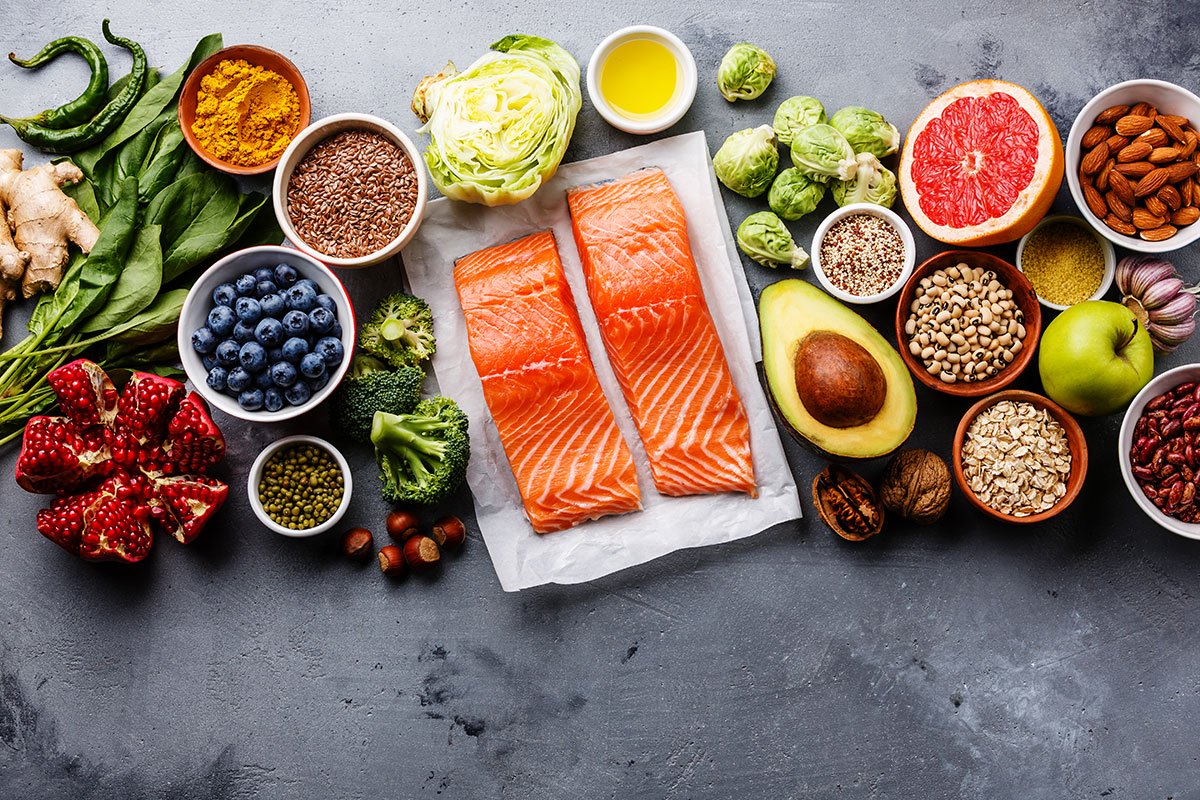
    For example, the Mediterranean diet is said to reduce inflammation. This diet emphasizes fish, vegetables, olive oil, fruits, nuts and whole grains.
     
    FOODS THAT FIGHT INFLAMMATION:
     
    • Tomatoes
    • Olive oil
    • Green leafy vegetables, such as spinach, kale and collards
    • Nuts, like almonds and walnuts
    • Fatty fish, like salmon, mackerel, tuna and sardines
    • Fruits, such as strawberries, blueberries, cherries, apples and oranges
     
    Coffee, which contains polyphenols and other anti-inflammatory compounds, may also protect against inflammation.
     
    FOODS THAT CAUSE INFLAMMATION:
     
    • Refined carbohydrates, such as white bread, crackers and pastries
    • French fries and other fried foods
    • Soda and other sugar-sweetened beverages
    • Red meat (burgers, steaks) and processed meat (hot dogs, sausage)
    • Margarine, shortening and lard
     
    The anti-inflammatory diet is thought to curb chronic inflammation and help prevent or treat the following conditions: allergies, Alzheimer’s disease, arthritis, asthma, cancer, depression, diabetes, gout, heart disease, inflammatory bowel disease (such as ulcerative colitis and Crohn’s disease), irritable bowel syndrome (IBS) and stroke.
     
    Research suggests that people with a high intake of vegetables, fruits, nuts, seeds, healthy oils and fish may have a reduced risk for inflammation-related diseases. In addition, substances found in some foods, particularly antioxidants and omega-3 fatty acids, appear to possess anti-inflammatory effects.
     
    Omega-3 fatty acids (found in salmon, flax seed/oil, soy, tofu and nuts) may have anti-inflammatory effects, protecting against various inflammatory diseases. Omega-3 fatty acids may also reduce the incidence of heart disease and benefit intestinal health.
     
    Additionally, elevated blood levels of high-density lipoprotein (HDL) are also an important protective factor against sustained inflammation. HDL cholesterol, often referred to as “good” or healthy cholesterol, picks up excess cholesterol in your blood and returns it to your liver, where it’s broken down and removed from your body.
     
    HDL levels for both men and women should be 60 milligrams per deciliter (mg/dL) or above. When HDL levels dip below 40 mg/dL, your risk of heart disease rises.
     
    People with naturally higher levels of HDL cholesterol are at lower risk of heart attack and stroke. It’s less clear whether that same benefit holds true for people who increase their HDL levels with medications, according to the Mayo Clinic.
     
    Some healthful ways to raise your HDL cholesterol include:
     
    • Consume olive oil
    • Eat fatty fish often
    • Exercise regularly
    • Lose weight
    • Stop smoking
     
    Your dietary goal should simply be to eat more real, whole food and less of the unhealthy, processed, refined junk foods. A healthy diet will help you feel better and also reduce health risks.
     
    The best anti-inflammatory foods include:
     
    • organic fruits and veggies
    • fermented foods rich in probiotics
    • bone broth to heal the gut and boost immunity
    • beans and legumes
    • healthy fats (like salmon, avocados, olive oil, nuts and seeds)
    • spices and herbs (turmeric, ginger, cinnamon, garlic, cayenne, black pepper, clove)
     
    Some additional tips:
     
    Drinking one green smoothie every day is an easy, delicious way to get 2–4 servings of fruits and veggies.
     
    Before or after working out, down a glass of tart cherry juice, or blend it into your smoothie. The antioxidant compounds in the cherries help reduce inflammation.
     
    Magnesium also has anti-inflammatory benefits. Yet, magnesium deficiency is one of the leading nutrient deficiencies in adults, with an estimated 80 percent of us being deficient in this vital mineral. That’s because merely 30% to 40% of dietary magnesium is actually absorbed by the body.
     
    Magnesium is widely found in plant and animal foods. Green leafy vegetables (such as spinach), legumes, nuts, seeds and whole grains are all good sources. In general, foods containing dietary fiber provide magnesium.
     
    The science is clear: Adhering to an anti-inflammatory diet can help protect you from a host of chronic inflammatory diseases. Take the first steps by gradually adding more and more of these anti-inflammatory foods into your diet, which will help to crowd out the inflammatory foods that can lead to illness and disease. Take it one step at a time.
  • Here’s Why You Should Supplement Your Diet With Psyllium

    Here’s Why You Should Supplement Your Diet With Psyllium

    The most recent edition of the Dietary Guidelines for Americans recommends that adults consume 1.5-2.0 cups of fruit per day and 2-3 cups of vegetables per day.
     
    However, about 90 percent of Americans don’t eat enough fruits and vegetables, according to a 2017 CDC report. Specifically, just 12.2 percent of American adults are meeting the recommendation for fruit and only 9.3 percent are meeting the recommendation for vegetables.
     
    Aside from being packed with valuable nutrients and phytochemicals (helpful chemical compounds produced by plants), fruits and veggies are also packed with fiber, which aids digestion and can help treat digestive problems. Fiber also helps prevent constipation and can reduce cholesterol levels. Adequate fiber intake may even help protect against heart disease, type 2 diabetes and some forms of cancer.
     
    The national fiber recommendations are 30 to 38 grams a day for men between 18 and 50 years old, and 25 grams a day for women of the same age range. However, most of us are falling far short. The average American consumes a mere 14 grams, meaning many of us eat even less than that.
     
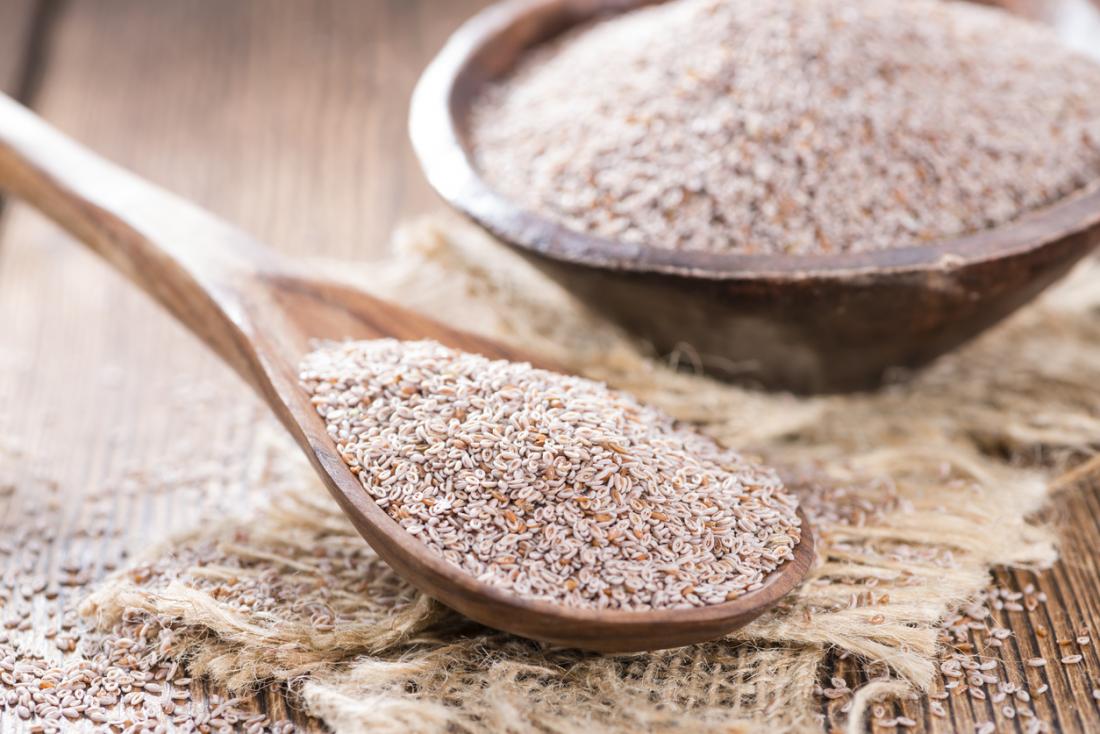
    A great way to increase your daily fiber intake is by supplementing your diet with psyllium, a natural, water-soluble fiber made from the husks of the Plantago ovata plant. Psyllium can aid our health in each of the following ways:
     
    • Lowering cholesterol
    • Improving digestion
    • Eliminating toxins and heavy metals (psyllium acts like a sponge, soaking them off the walls of the intestine)
    • Slowing the production of blood glucose during digestion
    • Encouraging the growth of healthy intestinal bacteria
     
    For all these reasons, psyllium is a highly valuable dietary supplement. Here’s more detail on each of the above:
     
    Being a soluble fiber, psyllium is able to pass through your digestive system without being completely broken down or absorbed. Instead, it absorbs water and becomes a gel-like substance that slows down the rate at which the stomach empties. As a result, psyllium tends to slow the movement of food through the digestive tract. Since fiber-rich foods take longer to digest, they result in an increased feeling of fullness and satiety. Consequently, psyllium can aid weight loss by reducing the amount of food consumed during meals.
     
    In addition, a more gradual absorption slows the entrance of glucose into the blood stream, thereby preventing large blood glucose and insulin spikes. For this reason, psyllium helps control blood sugar levels, which is particularly helpful to diabetics. It’s recommended that you take psyllium with food, rather than on its own, so it has a greater effect on your blood sugar levels.
     
    Psyllium has also been shown to help lower blood cholesterol. Soluble fiber binds to bile salts in the gastrointestinal (GI) tract, causing them to be excreted as part of our fecal matter, rather than being re-absorbed by the colon, as they usually are. Since blood cholesterol is needed to make bile, the body must pull more cholesterol out of our blood to make more bile and replace what was lost. This ultimately lowers the amount of cholesterol in our bloodstream.
     
    Additionally, psyllium also helps with constipation and diarrhea, and perhaps even benefits blood pressure, according to research.
     
    Psyllium is a bulk-forming laxative that also softens stools, which means it makes bowel movements much easier. Quite simply, psyllium promotes regularity and overall digestive health, which matters to millions of people.
     
    A total of 60 to 70 million Americans are affected by digestive diseases, according to the National Institute of Health. This means one in five Americans suffers some type of digestive illness. That’s because the modern American diet is so unhealthy. For example, the top sources of calories in the US are grain-based desserts, including cakes, cookies, donuts, pies, crisps, cobblers and granola bars. Americans also consume copious amounts of sodas, candy, potato chips and pizza.
     
    Having a healthy gut is vital to our overall health. Psyllium encourages the growth of healthful, “friendly” intestinal bacteria, such as Lactobacillus acidophilous and bifidobacteria.
     
    These are among the healthy or “good” bacteria in your GI tract that keep your entire digestive system at its peak, while boosting the health of your immune system. In fact, 80% of your immune system lives within your digestive tract and, obviously, a healthy immune system is vital to your overall well-being.
     
    It is crucial for us to maintain a healthy ratio of “good” to “other” bacteria in our GI tract for optimal health. A healthy and balanced digestive system even helps you better regulate your weight.
     
    The good bacteria in your GI tract need good nutrition to flourish. Dietary fiber can make a huge difference by feeding these good bacteria, allowing them to grow and proliferate. While the less-than-desirable bacteria like to eat refined sugars and fats, beneficial bacteria love to feed on fiber, such as psyllium.
     
    The average recommended dosage for psyllium is about one or two tablespoons with meals, once or twice daily. However, I suggest starting with a lower dose and gradually working up to this level. A tall glass of water should be taken with each dose.
     
    The most common brand of psyllium is Metamucil, which has added sugar and ascorbic acid. There are also 100% pure psyllium versions available, without added sugar, which you can find at any health food store. You may find that finely ground, powdered psyllium, which can be mixed with either water or juice, is easiest to drink.
     
    It should be noted that Metamucil is different from Citrucel, which is made from man-made cellulose fiber. Citrucel is merely a fiber laxative and does not offer the same health benefits of psyllium.
     
    So, there are many good reasons to add psyllium to your diet regimen: it’s all natural, inexpensive, easy to take and has a multitude of health benefits. Ultimately, psyllium is one of the very best supplements to include in your daily diet.
  • Exercise Can Strengthen and Protect Your Arteries

    Exercise Can Strengthen and Protect Your Arteries


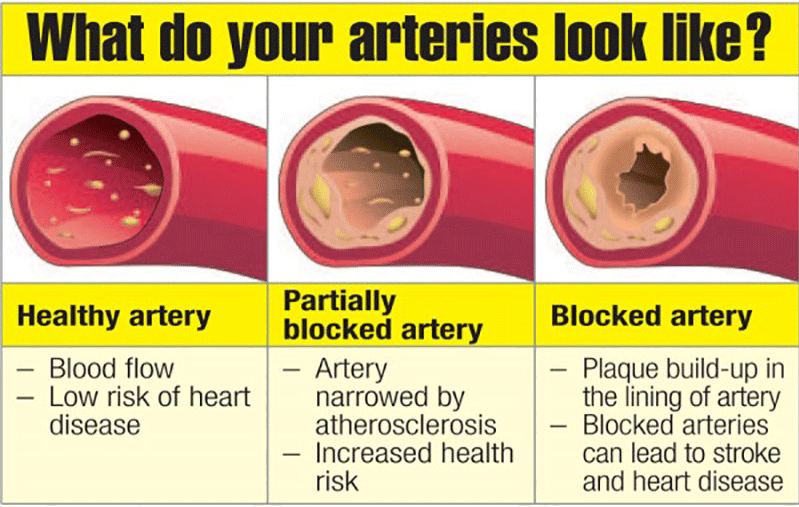
    Through time and neglect (such as smoking and not exercising, for example), your arteries can become clogged, brittle and otherwise damaged. Healthy arteries are flexible and elastic, which help them to push blood to and from the heart. However, over time, the walls in your arteries can become rigid and inflexible, which is known as hardening of the arteries.
     
    Arteriosclerosis occurs when arteries become thick and stiff, which can restrict blood flow to your organs and tissues.
     
    Atherosclerosis refers to the buildup of plaques — such as fats, cholesterol, calcium and other substances in and on your artery walls — which can also restrict blood flow. These plaques can trigger blood clots. Consequently, atherosclerosis can lead to serious problems, including heart attack, stroke, or even death.
     
    Atherosclerosis may start with damage or injury inside an artery, which can be caused by high blood pressure, high cholesterol, high triglycerides, diabetes and smoking. Blood cells and plaques can lump together at the injury site, building up inside the artery. This causes the arteries to harden and narrow, restricting blood flow.
     
    The good news is that atherosclerosis is treatable and may even be preventable. Exercise, a healthy diet and weight management can all treat atherosclerosis and help prevent it. Of course, exercise is known to aid weight loss, but it has numerous additional benefits for the heart and arteries, as well.
     
    As you age, your arteries become stiffer, stickier and narrower. But scientists in Italy found that in people who exercised regularly, age had a much smaller effect on their arteries.
     
    Exercise keeps arteries healthy by lowering bad cholesterol and boosting good cholesterol. Regular low or moderate-intensity exercise can reduce levels of LDL (bad) cholesterol and fat in your blood and arteries. More intense levels of exercise can raise HDL (good) cholesterol, which protects your heart.
     
    Exercise also reduces other risk factors for atherosclerosis and blood clots, such as high blood pressure, diabetes, obesity and stress.
     
    Additionally, exercise has been shown to reduce inflammation in the arteries and to help keep blood vessels flexible and open. Flexible arteries are elastic and able to stretch, allowing more blood to flow when it’s needed.
     
    This enables your body to maintain its blood pressure level at normal levels, even during exercise or stressful events, which eases the pressure on your cardiovascular system.
     
    The American Heart Association and the Centers for Disease Control and Prevention recommend at least 30 minutes of moderately intense exercise almost every day to make sure that your body remains healthy.
     
    Find exercises that you enjoy and then commit to a long term, regular program. Whatever you do, just get in motion and stay in motion.
  • Exercise Can Help Prevent and Treat High Blood Pressure

    Exercise Can Help Prevent and Treat High Blood Pressure

    Hypertension (aka, high blood pressure) is an epidemic in the United States, with nearly half of us affected by it.

    For decades, high blood pressure has been determined by a top reading of at least 140 and/or a bottom one of 90.
     
    However, a dozen medical groups have now dropped the threshold to 120 over 80.  Under these new guidelines, 46 percent of American adults have high blood pressure, according to the American Heart Association (AHA).
     
    The change has tripled the number of men under 45 and doubled the number of women under 45 with the diagnosis.
     
    Hypertension quietly damages blood vessels and leads to serious health problems. Left untreated, hypertension increases the risk of heart disease and stroke, which are the No. 1 and No. 5 causes of death in the US.
     
    Aside from heart attack/failure and stroke, high blood pressure can also lead to vision loss, kidney disease or failure, peripheral artery disease and sexual dysfunction.
     
    Symptoms of high blood pressure include dizziness, blurred/double vision, headache and neck pain. Some people also experience drowsiness and difficulty breathing. These problems often arise when the blood pressure is too high.
     
    However, since high blood pressure is a largely symptomless disease, millions of people are unaware that they have the condition. This is why hypertension is referred to as the “silent killer.” Many people with high blood pressure don’t even know they have it, according to the AHA.
     
    The only way to know if you have high blood pressure is to have your blood pressure tested. Though you can test your blood pressure at home with a store-bought arm cuff/monitor, a diagnosis of high blood pressure must be confirmed by a medical professional.
     
    Your blood pressure is recorded as two numbers. Systolic blood pressure (the upper number) indicates how much pressure your blood is exerting against your artery walls when your heart beats. Diastolic blood pressure (the lower number) indicates how much pressure your blood is exerting against your artery walls while your heart is resting between beats. These numbers measure millimeters of mercury, shown as mm Hg.
     
    Health professionals generally pay more attention to systolic blood pressure (the top number) as a major risk factor for cardiovascular disease for people over 50. In most people, systolic blood pressure rises steadily with age due to the increasing stiffness of large arteries, the long-term build-up of plaque and an increased incidence of cardiac and vascular disease.
     
    However, according to the AHA, elevated systolic or diastolic blood pressure alone may be used to make a diagnosis of high blood pressure. And, according to recent studies, the risk of death from ischemic heart disease and stroke doubles with every 20 mm Hg increase in systolic pressure or 10 mm Hg increase in diastolic pressure among people from age 40 to 89.
     
    The guidelines set new categories and get rid of “prehypertension”:
     
    • Normal: Under 120 / 80
     
    • Elevated: Top number 120-129 and bottom less than 80
     
    • Hypertension Stage 1: Top of 130-139 or bottom of 80-89
     
    • Hypertension Stage 2: Top at least 140 or bottom at least 90
     
    These new guidelines mean that 46 percent of U.S. adults have high pressure (stages 1 or 2).
     
    High blood pressure interacts with other major risk factors, such as diabetes and high levels of cholesterol, to amplify the risk of heart attack and stroke. Treatment for hypertension must begin early to prevent organ damage.
     
    High blood pressure develops slowly over time and can progressively worsen with age. Roughly half the people with untreated hypertension die of heart disease related to poor blood flow (ischemic heart disease) and another third die of stroke, according to the Mayo Clinic.
     
    While there is no cure for hypertension, changes in lifestyle can help you lower your blood pressure and keep it down.
     
    Remember that drinking more than moderate amounts of alcohol can raise blood pressure by several points, while also reducing the effectiveness of blood pressure medications.
     
    Using tobacco can also cause your blood pressure to increase and can contribute to damaged arteries. Too much stress may also contribute to increased blood pressure.
     
    Carrying too much weight puts an extra strain on your heart and circulatory system, which can cause serious health problems. Excess weight also increases your risk of cardiovascular disease, diabetes and high blood pressure. Losing just 10 pounds can help reduce your blood pressure.
     
    Maintain a healthy weight by eating a nutritious diet, rich in whole grains, fruits, vegetables and low-fat dairy products, but low in salt, saturated fat and cholesterol.
     
    Consistent exercise is also vital to lowering blood pressure and maintaining good health. Physical activity not only helps control high blood pressure and manage your weight, it also helps you strengthen your heart and lower your stress level. A healthy weight, a strong heart and general emotional health are all good for your blood pressure.
     
    Regular physical activity makes your heart stronger. If your heart works less to pump blood, the force on your arteries decreases, lowering your blood pressure. Exercise also lowers blood pressure by alleviating blood vessel stiffness so that blood flows more freely. Regular exercise can lower your systolic blood pressure by an average of 4 to 9 millimeters of mercury (mm Hg).
     
    On the other hand, inadequate physical activity increases your risk of developing high blood pressure. It can’t be overstated that physical activity is great for your heart and circulatory system, including blood pressure. It’s important to be consistent because if you stop exercising, your blood pressure can rise again.
     
    If you have slightly high blood pressure (prehypertension), exercise can help you avoid developing full-blown hypertension. If you already have hypertension, regular physical activity can bring your blood pressure down to safer levels.
     
    To improve overall cardiovascular health, the American Heart Association, the Surgeon General and the CDC all suggest at least 150 minutes per week of moderate-intensity exercise, or 75 minutes a week of vigorous-intensity exercise, or an equivalent combination of both. The easiest way to think of it is 30 minutes per day, at least five days per week.
     
    The best types of exercise for lowering blood pressure include walking, jogging, cycling, swimming or even dancing. Strength training can also help reduce blood pressure.
     
    The important thing is to find activities that you enjoy. Then get in motion and stay in motion.
  • Why Cardiovascular / Aerobic Exercise Is So Vital to Everyone

    Why Cardiovascular / Aerobic Exercise Is So Vital to Everyone

    Cardiovascular endurance is considered one of the 5 parameters of fitness (the others being muscular strength, muscular endurance, flexibility and body composition).

    As you might imagine, this makes cardiovascular exercise — which most people simply call “cardio” — vital to everyone’s exercise program. 
     
    So, how much cardio do you need?
     
    According to the Physical Activity Guidelines, released by the U.S. Department of Health and Human Services, adults need at least 150 minutes of moderate-intensity, aerobic, physical activity each week; or 75 minutes a week of vigorous-intensity, aerobic, physical activity; or an equivalent combination of moderate- and vigorous-intensity aerobic activity. 
     
    The American College of Sports Medicine (ACSM) concurs. The ACSM recommends that adults accumulate at least 30 minutes of moderate physical activity at least five days per week for basic fitness. If you up the ante to vigorous exercise intensity, 30 minutes three days per week it will also get the job done. 
     
    While that’s enough to keep your heart healthy, it may not be enough to promote weight loss. The Institute of Medicine advises Americans to get an hour of physical activity a day to control their weight.    
     
    Due to the prevalence of obesity and overweight in the US — a whopping 70 percent of Americans are overweight or obese — many people think of cardiovascular exercise merely as a means to lose weight. However, even those with an ideal, healthy body weight need to regularly perform cardio to maintain good health and prevent disease.
     
    The cardiovascular system, in particular, needs to be exercised regularly to maintain optimum health. It’s about being healthy from the inside out, not just looking good on the outside. 
     
    Exercises, such as walking, running, cycling, swimming or some other form of aerobic exercise, will all stimulate the cardiovascular system, but intensity matters. Obviously, the heart isn’t strengthened as much, and doesn’t make as much adaptation, by walking at 3.5 mph as it does when running at 7 mph.
     
    Ultimately, there is a difference between being fit and being healthy. Being fit is a much stricter standard.
     
    Choose activities that you enjoy. The results will be essentially the same. Studies show that a 10-15 week program of cycling, swimming or running, done 5 days per week, 30 minutes per session, at 70% heart-rate reserve (HRR), will result in comparable improvements in cardiorespiratory fitness.
     
    Let’s look at the benefits of regular aerobic exercise:
     
    – Weight loss or maintenance (healthy body composition) 
     
    MEN:
    Healthy = 18-24% body fat 
    Fit = 14-17% body fat 
    Essential = 2-5% body fat
    WOMEN:
    Healthy = 25-31% body fat 
    Fit = 21-24% body fat 
    Essential = 10-13% body fat
     
    An exercise program conducted 3 times per week, burning 300-400 cals per session, could result in a 16-pound weight loss in one year.
     
    – Decreased appetite in some people
     
    – Reduces the risks of coronary artery disease
     
     A six-year study released in September, 2002 showed that for middle-aged or older women, walking, or an equal amount of more strenuous exercise, for 2 1/2 hours per week (5 days x 30 mins.) can cut heart disease and stroke risk by just over one third.
     
    – Increases levels of HDLs (healthy cholesterol) and decreases levels of LDLs (unhealthy cholesterol)
     
    – Decreases triglycerides (blood fats)
     
    – Lower resting heart rate:
    • Men average about 70 beats per minute
    • Women average about 75 beats per minute
      
    – Decreases blood pressure:  
    <120/80 = normal
    120-129/<80 = elevated
    130-139/80-89 = Stage 1 hypertension
    140 or above/90 or above = Stage 2 hypertension
     
    – Increases the sensitivity of cells to insulin and reduces blood glucose levels. This is a critical part of the treatment program for diabetics.
     
    – Weight bearing exercises (running, brisk walking) strengthen the skeletal system, reducing the chances of osteoporosis, which is characterized by reduced bone mass and increased susceptibility to fractures. This occurs more commonly in women over 45 and affects an estimated 15-20 million Americans.
     
    – Increases joint range of motion. Frequently part of the treatment for those with arthritis. Flexibility is developed primarily up to and between the ages of 7-12 and begins to decline after adolescence, accelerating after the age of 25 (unless otherwise maintained) 
     
    Why Aerobic Exercise Works
     
    Regular aerobic exercise can lead to increased cardiovascular endurance due to the following factors:
     
    – Increased lactate threshold (the time when your muscles start to burn and fatigue)
     
    – Increase of ATP (fuel) in mitochondria, the cell’s power plant or engine
     
    – Increase in the number and size of mitochondria
     
    In short, you can become a high-performance, human machine.
     
    Working out in the “fat-burning zone” is not the most efficient way to lose weight. As exercise intensity increases, the body burns less and less fat and more and more carbohydrates. That’s why some people say it’s best to work out at low to moderate intensities, in the so-called “fat-burning zone.” But when it comes to weight loss, what matters most is how many total calories you burn. High-intensity exercise burns the most calories.
     
    That said, even brisk walking is enough to keep your heart healthy. Exercise doesn’t have to be strenuous to be beneficial. Studies show that moderate physical activity – such as a half-hour of brisk walking or swimming – on most days of the week can help fight off heart disease and lower your risk of diabetes and some cancers, among other health benefits.
     
    However, while walking is good for your overall health, it may not burn enough calories to help you lose a substantial amount of weight. Nor will it get you a well-toned, sculpted body. 
     
    To get buff, you’ll need to add resistance training to your workout regimen. Yet, even with a good cardio and strength program, you may never look like a swimsuit model (good genes and airbrushing help in that regard), but you can slim down and firm up. 
     
    The most important thing is to improve your health, so that your doctor says you look as good from the inside as you do on the outside.