Tag: fiber
-

Diet vs Nutrition
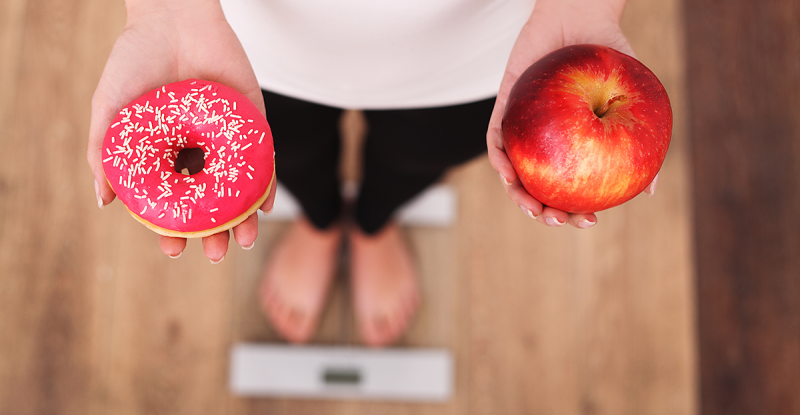
While many people continually “go on a diet” (and then another and another), everyone has a diet. I’ve never gone on a diet, but I’ve always had a diet. As I always say, diet should be viewed as a noun, not a verb. It’s a thing you have, not an action you take. Every action has a reaction (intended or otherwise), so any diet plan you initiate can quickly be halted in favor of something else.If you instead think of your diet as part of your lifestyle, you’re much more likely to stick to it.Everyone has a diet, but not everyone gets good nutrition. In the minds of many people, low-calorie means healthy. Yet, this isn’t necessarily true.For example, a rice cake has just 35 calories. Yet, it is almost entirely devoid of fiber and protein. Though a rice cake has very few calories, it also has very little nutrition, not to mention that it’s entirely processed.On the other hand, an avocado, which grows on a tree, is both calorically and nutritionally dense. An avocado can weigh anywhere from 8 ounces to 3 pounds (48 ounces). So, serving size matters.One cup (8oz) of sliced avocado has 234 calories and 21 grams of fat, most of which is monounsaturated. It is packed with fiber (10g) and potassium (more than a banana), and is also a great source of vitamin-C, folate and B-6. Additionally, it has virtually no sugar (despite being a fruit) and very few carbs (for those who care about such things).In short, an avocado is loaded with healthy fats, fiber and various important nutrients.Yet, some people would choose a nutritionally lacking rice cake over an avocado simply because it is lower in calories. Bad move. Caloric content and nutritional content are not necessarily related.No one thinks of a Big Mac as health food. Yet, you could eat three Big Macs a day and still lose weight. Don’t believe me? Well, a Big Mac has just 550 calories. Eat three a day and you’d ingest just 1,650 calories. Since the average American now eats a whopping 3,660 calories per day, eating one Big Mac for breakfast, lunch and dinner would cut that average intake by more than half. Do that, and watch the pounds melt away!However, you’d be missing lots of important nutrition on the Big Mac Diet. McDonald’s signature sandwich has minimal calcium, potassium and fiber, and zero vitamin D. However, it is loaded with sodium (44% of the daily value) and has 11 grams of saturated fat (53% of the daily value). Eat three a day and you’d be ingesting an enormous amount of salt and unhealthy fat.Oh, and one Big Mac also has nine grams of sugar. Eat three of them and you’d intake 27 grams of sugar, which is above the 24-gram daily limit recommended for women by the American Heart Association.Yet, on this Big Mac Diet you’d lose weight, and that would ultimately have a positive effect on your health. Scientific evidence shows that losing just 10 pounds can decrease hypertension, improve good cholesterol (HDL), lower triglycerides, decrease insulin resistance, reduce inflammation in blood vessels, improve or reverse sleep apnea, and increase energy and vitality.That said, there are better, healthier ways to lose weight than the Big Mac Diet.The point is that calories and nutrition are not synonymous. You can eat a low-calorie diet that is not healthy. More to the point, you can eat a low-calorie diet and not necessarily be healthy.On the other hand, you can eat a very healthy diet featuring high-calorie foods that are packed with nutrition (i.e., avocados, nuts, nut-butters, salmon, whole-fat yogurt, etc.). Additionally, high-calorie foods are more filling than most low-calorie foods (like rice cakes), meaning you might ultimately eat less.Low calorie foods are not necessarily nutritious, beneficial or preferable. And high-calorie foods are not necessarily unhealthy or to be avoided. The goal should be to maximize nutrition at each and every meal, even if you also seek to limit calories.If you need to lose weight to be more healthy, you can do this by eating healthy, whole foods, such as fruits, vegetables, a wide variety of animal- and/or plant-based proteins, plus whole grains (There’s more than just wheat, people! Try spelt, millet, amaranth, quinoa, black or red rice, whole oats, etc.).And, yes, you can indeed lose weight by including healthy, high-calorie foods in your diet. You just need to limit your total caloric intake. To do that, you need to track your daily caloric input. And you should also know how many calories you need each day.As the Twinkie Diet proved, you can eat an unhealthy diet and still lose weight. The Big Mac Diet would be no different.By the same token, you can have a healthy diet and still gain weight, if your caloric intake is higher than your needs.To lose weight, it comes down to quality and quantity. You should aim for higher quality foods, and a lower quantity of them, each day. -
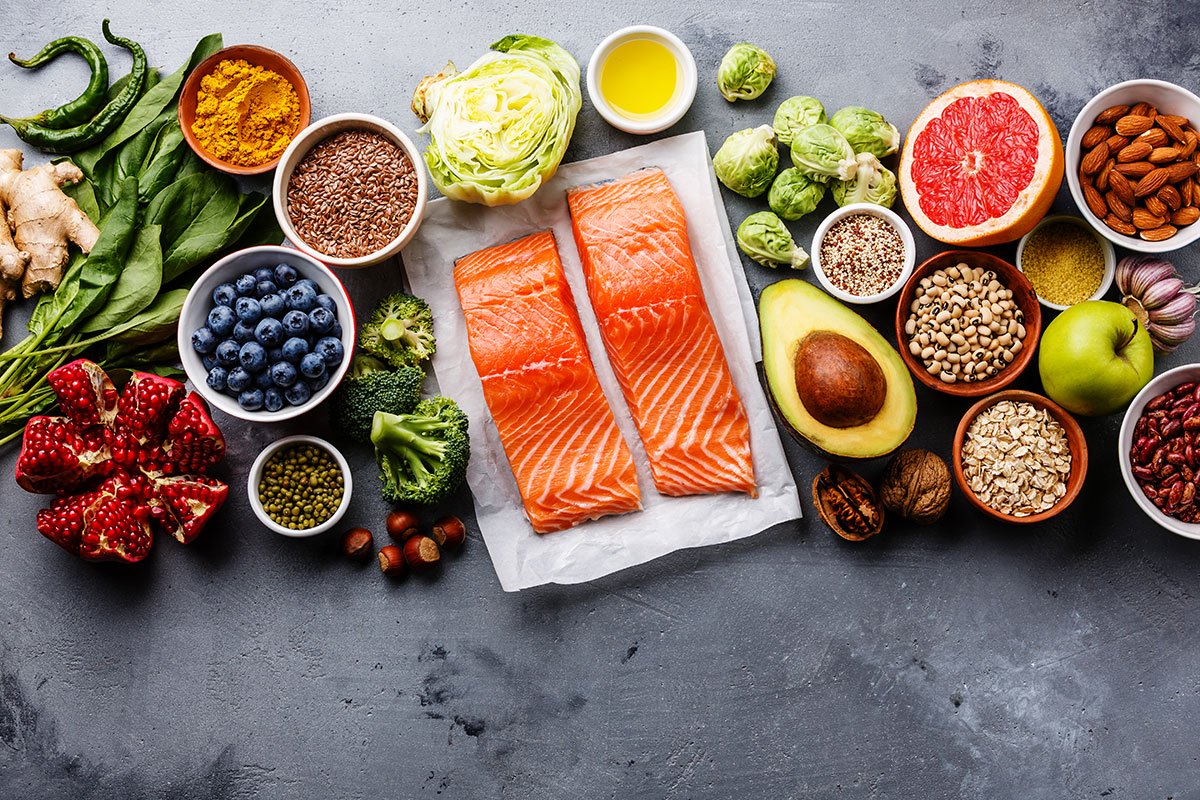
The Benefits of an Anti-Inflammatory Diet
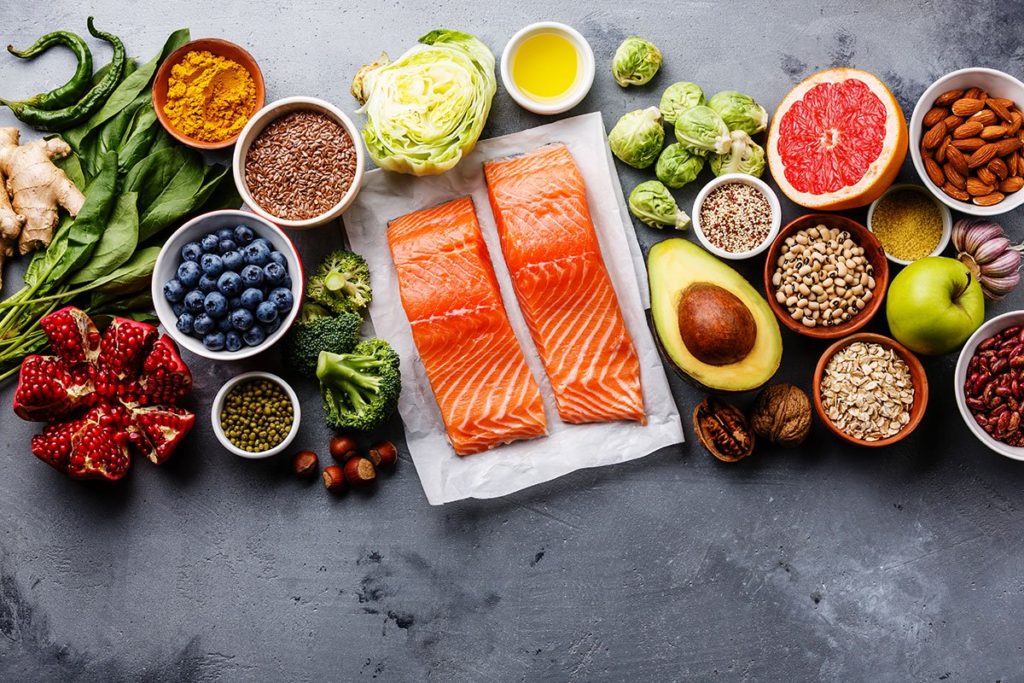
More and more, doctors and researchers are concluding that inflammation is the root of arterial and heart diseases, as well as cancers. In fact, inflammation seems to be at the heart of all kinds of illnesses and maladies.Of particular concern is chronic inflammation, the common factor in many chronic diseases. Whereas acute inflammation is a healthy response to injury, chronic inflammation causes problems over time. Aside from heart disease and cancers, other common and well-studied conditions associated with chronic inflammation include diabetes, obesity, arthritis, depression, and Alzheimer’s disease.Chronic inflammation is also said to be the root cause of leaky gut, irritable bowel syndrome (IBS), and insulin resistance. Additionally, inflammation can also be the root of chronic constipation, chronic nausea, fatigue, irregular periods, acne, PMS, weight gain and irregular blood sugar.Chronic inflammation results when the immune system releases chemicals meant to combat injury and infections (both bacterial and viral), even when there are no foreign invaders to fight off. Inflammation is the body’s natural response to protect itself against harm, but it is meant to be temporary. Chronic inflammation, however, doesn’t simply go away.Moderate exercise and effective stress management are thought to be central in preventing inflammatory diseases. Yet, dietary interventions are also critical. For many people, chronic inflammation is the result of a poor diet. Inflammatory foods cause our body’s immune response to flare up, creating chronic inflammation.On the other hand, an anti-inflammatory diet can help prevent or reduce low-grade chronic inflammation, which is notoriously a key risk factor in the host of health problems and major diseases previously noted.Eating anti-inflammatory foods reduces the inflammation in our body, thus reducing the symptoms caused by inflammation and, ultimately, the risk of chronic disease.“Many experimental studies have shown that components of foods or beverages may have anti-inflammatory effects,” says Dr. Frank Hu, professor of nutrition and epidemiology in the Department of Nutrition at the Harvard School of Public Health.This makes sense. After all, food is medicine. Good health starts with good food. Choose the right anti-inflammatory foods and you may be able to reduce your risk of illness. Consistently pick the wrong ones, however, and you could accelerate the inflammatory disease process.For example, the Mediterranean diet is said to reduce inflammation. This diet emphasizes fish, vegetables, olive oil, fruits, nuts and whole grains.FOODS THAT FIGHT INFLAMMATION:• Tomatoes• Olive oil• Green leafy vegetables, such as spinach, kale and collards• Nuts, like almonds and walnuts• Fatty fish, like salmon, mackerel, tuna and sardines• Fruits, such as strawberries, blueberries, cherries, apples and orangesCoffee, which contains polyphenols and other anti-inflammatory compounds, may also protect against inflammation.FOODS THAT CAUSE INFLAMMATION:• Refined carbohydrates, such as white bread, crackers and pastries• French fries and other fried foods• Soda and other sugar-sweetened beverages• Red meat (burgers, steaks) and processed meat (hot dogs, sausage)• Margarine, shortening and lardThe anti-inflammatory diet is thought to curb chronic inflammation and help prevent or treat the following conditions: allergies, Alzheimer’s disease, arthritis, asthma, cancer, depression, diabetes, gout, heart disease, inflammatory bowel disease (such as ulcerative colitis and Crohn’s disease), irritable bowel syndrome (IBS) and stroke.Research suggests that people with a high intake of vegetables, fruits, nuts, seeds, healthy oils and fish may have a reduced risk for inflammation-related diseases. In addition, substances found in some foods, particularly antioxidants and omega-3 fatty acids, appear to possess anti-inflammatory effects.Omega-3 fatty acids (found in salmon, flax seed/oil, soy, tofu and nuts) may have anti-inflammatory effects, protecting against various inflammatory diseases. Omega-3 fatty acids may also reduce the incidence of heart disease and benefit intestinal health.Additionally, elevated blood levels of high-density lipoprotein (HDL) are also an important protective factor against sustained inflammation. HDL cholesterol, often referred to as “good” or healthy cholesterol, picks up excess cholesterol in your blood and returns it to your liver, where it’s broken down and removed from your body.HDL levels for both men and women should be 60 milligrams per deciliter (mg/dL) or above. When HDL levels dip below 40 mg/dL, your risk of heart disease rises.People with naturally higher levels of HDL cholesterol are at lower risk of heart attack and stroke. It’s less clear whether that same benefit holds true for people who increase their HDL levels with medications, according to the Mayo Clinic.Some healthful ways to raise your HDL cholesterol include:• Consume olive oil• Eat fatty fish often• Exercise regularly• Lose weight• Stop smokingYour dietary goal should simply be to eat more real, whole food and less of the unhealthy, processed, refined junk foods. A healthy diet will help you feel better and also reduce health risks.The best anti-inflammatory foods include:• organic fruits and veggies• fermented foods rich in probiotics• bone broth to heal the gut and boost immunity• beans and legumes• healthy fats (like salmon, avocados, olive oil, nuts and seeds)• spices and herbs (turmeric, ginger, cinnamon, garlic, cayenne, black pepper, clove)Some additional tips:Drinking one green smoothie every day is an easy, delicious way to get 2–4 servings of fruits and veggies.Before or after working out, down a glass of tart cherry juice, or blend it into your smoothie. The antioxidant compounds in the cherries help reduce inflammation.Magnesium also has anti-inflammatory benefits. Yet, magnesium deficiency is one of the leading nutrient deficiencies in adults, with an estimated 80 percent of us being deficient in this vital mineral. That’s because merely 30% to 40% of dietary magnesium is actually absorbed by the body.Magnesium is widely found in plant and animal foods. Green leafy vegetables (such as spinach), legumes, nuts, seeds and whole grains are all good sources. In general, foods containing dietary fiber provide magnesium.The science is clear: Adhering to an anti-inflammatory diet can help protect you from a host of chronic inflammatory diseases. Take the first steps by gradually adding more and more of these anti-inflammatory foods into your diet, which will help to crowd out the inflammatory foods that can lead to illness and disease. Take it one step at a time. -

How Fiber Benefits Your Health
Fiber… you’ve probably heard that you should be eating more of it. If you’re like millions of Americans, it’s likely true.
Fiber has many, many health benefits, including lowering cholesterol, controlling blood sugar levels, helping us achieve a healthy weight, normalizing bowel movements and maintaining bowel health. Fiber also reduces the rate of intestinal carbohydrate absorption, reducing insulin response.
Fiber is a type of carbohydrate that we cannot digest because we lack the digestive enzymes required to break it down. Fiber slows down the digestion and absorption of nutrients, resulting in a prolonged feeling of fullness and reduced appetite. This may reduce food intake and lead to weight loss.
Women need 25 grams of fiber per day and men need 38 grams per day, according to the Institute of Medicine. Yet, only 5 percent of people in the US meet that recommended target. The average adult eats just 15 grams of fiber per day, which is about half of what we should be getting. Everyone would benefit from adding more fiber to each meal.
There are different types of fiber and each is uniquely different. Fiber is either soluble or insoluble, viscous or non-viscous and fermentable or non-fermentable.
Soluble fiber dissolves in water; insoluble fiber does not. Viscose fiber is gel-forming. Fermentable fiber can be metabolized by gut bacteria. And some fibers are combinations of all three. So, not all fiber is created equally; the various types of fiber have different properties in the gut.
Insoluble fiber or “roughage” goes through your system unaffected by the digestive process. When mixed with water, insoluble fiber acts like a sponge, absorbing liquid and swelling in size in the gastrointestinal tract.
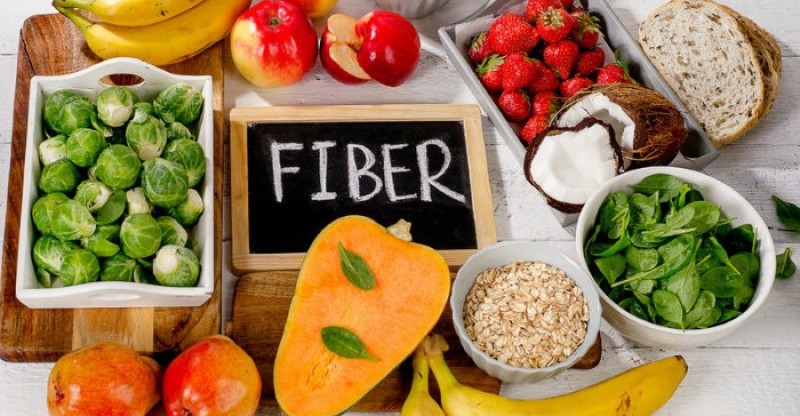
Soluble fiber dissolves in water and is often viscous, meaning it forms a gel in your gut. Soluble fiber is found in such foods as oatmeal, flaxseed, beans, peas, Brussels sprouts, apples, pears, citrus fruits, carrots, barley and psyllium. One serving of a breakfast cereal with oatmeal or oat bran provides 3 to 4 grams of fiber. If you add fruit, such as a banana or berries, you’ll get even more fiber.
Soluble fiber can reduce the absorption of cholesterol into your bloodstream. Five to 10 grams or more of soluble fiber a day decreases your LDL (bad) cholesterol. How does it work?
Soluble fiber binds to bile salts in the gastrointestinal tract, causing them to be excreted as part of our fecal matter, rather than being re-absorbed by the colon, as they usually are. Since blood cholesterol is needed to make bile, the body must pull more cholesterol out of our blood to make more bile to replace what was lost. This ultimately lowers the amount of cholesterol in our bloodstream.
Eating high-fiber foods is also critical to our gut health, which determines our overall health. High-fiber foods feed the healthy bacteria that improve immune function, reduce inflammation and chronic disease, and even help regulate mood.
When we don’t consume enough fiber, we are essentially starving our gut microbiome, the ecology of trillions of diverse bacteria lining our intestines and colon. Fiber nourishes our gut microbiome.
There are an estimated 100 trillion bacteria residing in the human gut, mainly in the large intestine (aka, colon). The key is to increase the number of good or healthy bacteria. Both soluble and insoluble fibers undergo fermentation in the large intestine, which stimulates the production of good bacteria there.
Consequently, fermentable fibers also stimulate the immune system, inhibit inflammation, stabilize blood glucose, and suppress LDL cholesterol and triglycerides.
Foods that are rich in fermentable fibers include beans, legumes, oats and barley, as well as fruits and vegetables.
Fiber doesn’t just help us poop better. Its ability to fight constipation misses the big picture; daily bowel movements and bowel health are not the same. Providing regularity is just one of fiber’s many benefits, and it is not as important as fiber’s impact on our microbiome.
The best way to meet your daily fiber requirement is to eat a wide variety of whole foods, rather than supplements, and to minimize processed foods. Focus on eating more fruits, vegetables, whole grains, beans, lentils, nuts and seeds.
With low-carb diets (i.e., the ketogenic plan, the Atkins diet and the paleo diet) becoming increasingly popular, adherents of these plans are usually getting insufficient fiber.
Americans who think going “low-carb” simply means eating more meat often end up eating less vegetables, fruits and grains. Since the latter reduce inflammation, cutting them out can increase inflammation, which has been linked with a variety diseases, including heart disease and stroke, and may also lead to autoimmune disorders, such as rheumatoid arthritis and lupus.
If you eat a wide variety of whole, plant-based foods every day, and are sure to have some with each meal, you will likely meet your daily fiber requirement. Include veggies in every meal and be sure to eat them first, such as a salad before your meal. This will help you to fill up on very low calorie, high fiber foods before anything else.
Any food that contains 2.5 grams of fiber per serving is considered a good source, and 5 grams or more is excellent.
Chia, flax, sesame and hemp seeds are all great sources of fiber. They can be added to to oatmeal, yogurt and smoothies, for example.
One cup of cooked beans can deliver up to 75% of your daily fiber needs. Beans are also packed with protein, vitamins and minerals.
Raspberries and blackberries have 8 grams of fiber per cup.
Avocados are incredibly nutritious fruits and half an avocado delivers 5 grams of fiber.
One small pear has 5 grams of fiber and apples are also packed with fiber.
However, if you peel fruits and vegetables, you’ll often remove half the fiber. So, leave the skin on apples, cucumbers and sweet Potatoes, etc.
By meeting your daily fiber requirement, you’ll achieve a whole series of health benefits, which will pay dividends now and in the future.
-

Here’s Why You Should Supplement Your Diet With Psyllium
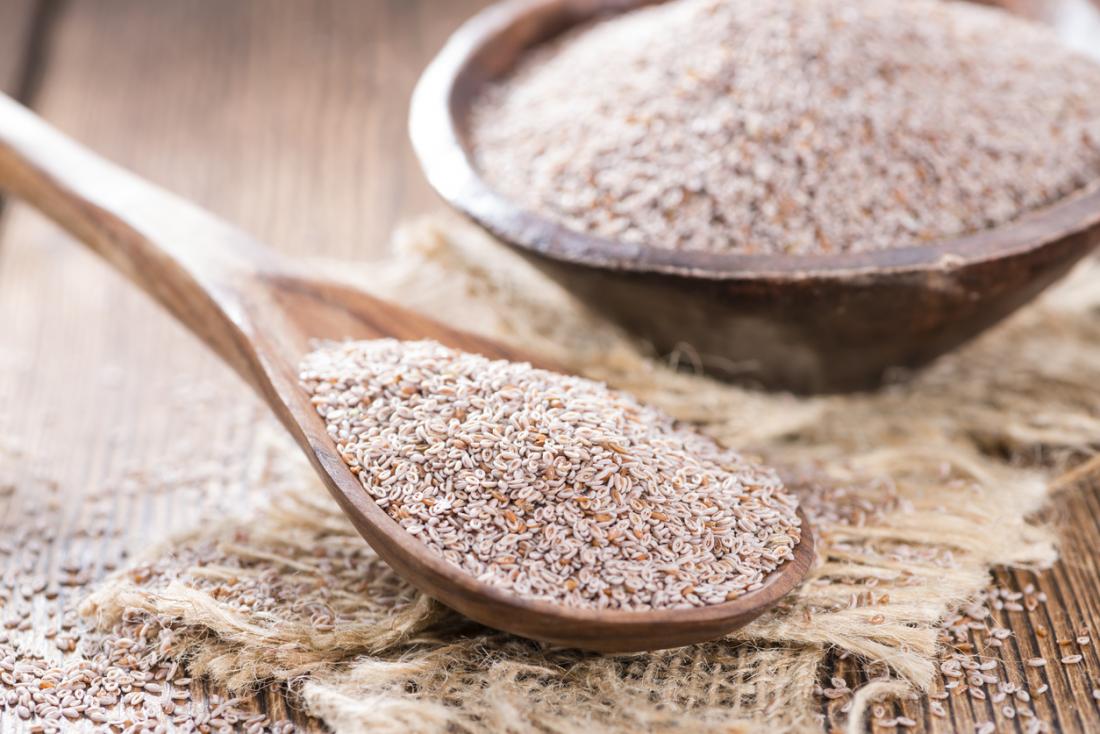
The most recent edition of the Dietary Guidelines for Americans recommends that adults consume 1.5-2.0 cups of fruit per day and 2-3 cups of vegetables per day.However, about 90 percent of Americans don’t eat enough fruits and vegetables, according to a 2017 CDC report. Specifically, just 12.2 percent of American adults are meeting the recommendation for fruit and only 9.3 percent are meeting the recommendation for vegetables.Aside from being packed with valuable nutrients and phytochemicals (helpful chemical compounds produced by plants), fruits and veggies are also packed with fiber, which aids digestion and can help treat digestive problems. Fiber also helps prevent constipation and can reduce cholesterol levels. Adequate fiber intake may even help protect against heart disease, type 2 diabetes and some forms of cancer.The national fiber recommendations are 30 to 38 grams a day for men between 18 and 50 years old, and 25 grams a day for women of the same age range. However, most of us are falling far short. The average American consumes a mere 14 grams, meaning many of us eat even less than that.A great way to increase your daily fiber intake is by supplementing your diet with psyllium, a natural, water-soluble fiber made from the husks of the Plantago ovata plant. Psyllium can aid our health in each of the following ways:• Lowering cholesterol• Improving digestion• Eliminating toxins and heavy metals (psyllium acts like a sponge, soaking them off the walls of the intestine)• Slowing the production of blood glucose during digestion• Encouraging the growth of healthy intestinal bacteriaFor all these reasons, psyllium is a highly valuable dietary supplement. Here’s more detail on each of the above:Being a soluble fiber, psyllium is able to pass through your digestive system without being completely broken down or absorbed. Instead, it absorbs water and becomes a gel-like substance that slows down the rate at which the stomach empties. As a result, psyllium tends to slow the movement of food through the digestive tract. Since fiber-rich foods take longer to digest, they result in an increased feeling of fullness and satiety. Consequently, psyllium can aid weight loss by reducing the amount of food consumed during meals.In addition, a more gradual absorption slows the entrance of glucose into the blood stream, thereby preventing large blood glucose and insulin spikes. For this reason, psyllium helps control blood sugar levels, which is particularly helpful to diabetics. It’s recommended that you take psyllium with food, rather than on its own, so it has a greater effect on your blood sugar levels.Psyllium has also been shown to help lower blood cholesterol. Soluble fiber binds to bile salts in the gastrointestinal (GI) tract, causing them to be excreted as part of our fecal matter, rather than being re-absorbed by the colon, as they usually are. Since blood cholesterol is needed to make bile, the body must pull more cholesterol out of our blood to make more bile and replace what was lost. This ultimately lowers the amount of cholesterol in our bloodstream.Additionally, psyllium also helps with constipation and diarrhea, and perhaps even benefits blood pressure, according to research.Psyllium is a bulk-forming laxative that also softens stools, which means it makes bowel movements much easier. Quite simply, psyllium promotes regularity and overall digestive health, which matters to millions of people.A total of 60 to 70 million Americans are affected by digestive diseases, according to the National Institute of Health. This means one in five Americans suffers some type of digestive illness. That’s because the modern American diet is so unhealthy. For example, the top sources of calories in the US are grain-based desserts, including cakes, cookies, donuts, pies, crisps, cobblers and granola bars. Americans also consume copious amounts of sodas, candy, potato chips and pizza.Having a healthy gut is vital to our overall health. Psyllium encourages the growth of healthful, “friendly” intestinal bacteria, such as Lactobacillus acidophilous and bifidobacteria.These are among the healthy or “good” bacteria in your GI tract that keep your entire digestive system at its peak, while boosting the health of your immune system. In fact, 80% of your immune system lives within your digestive tract and, obviously, a healthy immune system is vital to your overall well-being.It is crucial for us to maintain a healthy ratio of “good” to “other” bacteria in our GI tract for optimal health. A healthy and balanced digestive system even helps you better regulate your weight.The good bacteria in your GI tract need good nutrition to flourish. Dietary fiber can make a huge difference by feeding these good bacteria, allowing them to grow and proliferate. While the less-than-desirable bacteria like to eat refined sugars and fats, beneficial bacteria love to feed on fiber, such as psyllium.The average recommended dosage for psyllium is about one or two tablespoons with meals, once or twice daily. However, I suggest starting with a lower dose and gradually working up to this level. A tall glass of water should be taken with each dose.The most common brand of psyllium is Metamucil, which has added sugar and ascorbic acid. There are also 100% pure psyllium versions available, without added sugar, which you can find at any health food store. You may find that finely ground, powdered psyllium, which can be mixed with either water or juice, is easiest to drink.It should be noted that Metamucil is different from Citrucel, which is made from man-made cellulose fiber. Citrucel is merely a fiber laxative and does not offer the same health benefits of psyllium.So, there are many good reasons to add psyllium to your diet regimen: it’s all natural, inexpensive, easy to take and has a multitude of health benefits. Ultimately, psyllium is one of the very best supplements to include in your daily diet.