Tag: fitness

  • Closed Chain vs. Open Chain Exercises

    Closed Chain vs. Open Chain Exercises


    Some of my clients have heard me refer to “closed-chain” and “open-chain” kinetic exercises (kinetic relates to movement or motion).
     
    The “chain” I’m referring to is the kinetic chain of the body. All of your bones and muscles are connected in a chain; therefore the movements you make are also part of that kinetic chain.
     
    Do you remember the song “Dem Bones” from your childhood?
     
    Toe bone connected to the foot bone
    Foot bone connected to the heel bone
    Heel bone connected to the ankle bone
    Ankle bone connected to the shin bone
    Shin bone connected to the knee bone
    Knee bone connected to the thigh bone
    Thigh bone connected to the hip bone
    Hip bone connected to the back bone
    Back bone connected to the shoulder bone
    Shoulder bone connected to the neck bone
    Neck bone connected to the head bone
    Dem bones, dem bones gonna walk around
     
    It’s true! Our bones, tendons and ligaments are just a series of connected links in our human chain, which is powered and pulled by our muscles.
     
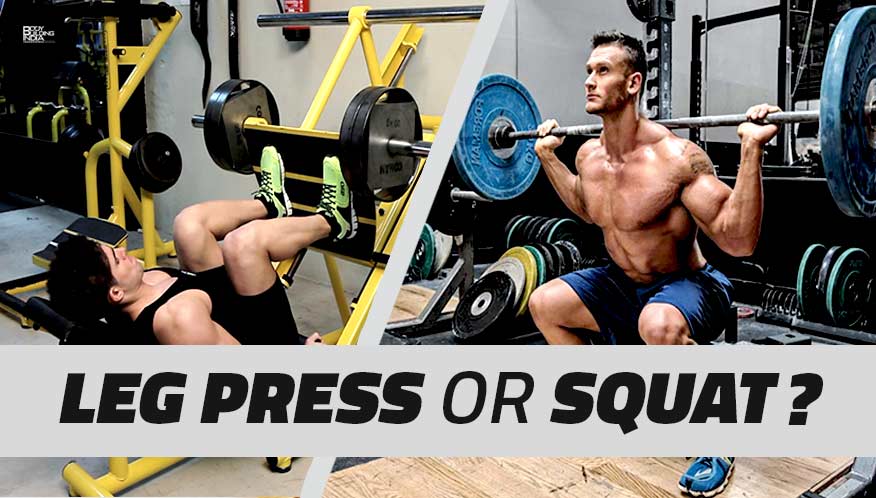
    In a closed chain, the end of the chain farthest from the body is fixed. A good example is the squat, in which your feet are fixed on the floor and the rest of the leg chain (and torso) moves. In open-chain exercises, the end is free, such as during a seated leg extension.
     
    During open-chain exercises, your hand or foot is free to move, such as when performing a triceps extension or a hamstring curl. These types of movements tend to isolate a single muscle group and a single joint. In an open-chain movement, the end of the chain farthest from the body — usually the hand or foot, and referred to as the “distal aspect of the extremity” — moves freely and is not fixed to an object.
     
    When weight is added to an open-chain exercise, it is usually placed at the distal portion of the limb, such as the hand or foot. Examples of open-chain exercises include chest presses, biceps curls, leg curls and leg extensions.
     
    In the closed chain, movement at one segment produces movement at all the other joints. For example, during a squat, the movement at the knee joint is accompanied by movement at the hip and ankle joints. In essence, closed-chain exercises work multiple joints and multiple muscle groups at once.
     
    During closed-chain exercises, your hands or feet are in a constant, fixed position (usually on the ground), such as when performing pushups. In a closed-chain movement, the distal end of the extremity is fixed, emphasizing joint compression and, in turn, stabilizing the joints.
     
    As a result, closed-chain exercises are safer for your joints—especially the knee joint—because the force involved is compressive, meaning it actually stabilizes the joint and helps to strengthen it.
     
    In contrast, open-chain leg exercises — such as knee extensions or hamstring curls — produce shear force, which stresses the knee joint (and the ACL) and are more likely to result in injury.
     
    I typically refrain from having my clients use the knee-extension machine. This movement is performed with the thigh fixed to the machine, and the force generated by the quadriceps moves the tibia (shin bone) across the femur (thigh bone). I prefer the squat — a closed-chain exercise — in which the trunk, hip and knee extensors act as prime movers, moving the femur across the tibia, which (along with the foot) is the fixed distal segment. The squat is a safer, more real-world exercise, since it better stimulates motor recruitment patterns of the central nervous system (CNS), compared to the knee extension.
     
    This is not to say that open-chain exercises are neither safe or useful, because they often are. Some therapists will use open-chain exercises for rehabilitation and these exercises are also ideal when training for a sport that requires the use of open-chain activities, such as throwing a ball.
     
    I employ both open-chain and closed-chain exercises in my training sessions, but there is no doubt that I favor the closed-chain variety.
     
    Closed-chain exercises work many muscle groups at once, which means that you can get more return from the energy expended. Closed-chain exercises also better mimic activities of daily living, which means they improve your “functional” fitness. They’re also great for athletes because sports require the movement of multiple joints and muscles all at once. Open-chain exercises isolate joints and muscles in a way that is uncommon in many athletic movements or daily activities.
     
    Examples of closed-chain exercises include pushups, pull-ups, squats and lunges, all of which can be done with or without added weight.
     
    If an athlete, for example, uses an open-chain leg press in attempt to develop explosive strength for sprinting, they will never achieve optimal performance using this alone.
     
    However, alternating between open and closed-chain exercises serves to more fully develop both the CNS and the musculature due to the variety of recruitment patterns needed. An example would be performing both squats and leg presses, pull-ups and pull-downs, and/or pushups and chest presses, in the same workout.
     
    A variety of movements and exercises will achieve the best results, but the closed-chain exercises should comprise the bulk of your workouts.
  • Walking Has Many Benefits, Even for Runners

    Walking Has Many Benefits, Even for Runners


    While running is more physically demanding than walking, the latter is still a good form of exercise and a great recovery tool for runners. Running the same speed and distance each day can lead to plateauing. Walking, which is lower impact, can allow your body to recover and enable better results over the long term.
     
    Running will lead to greater cardiorespiratory fitness than walking, as well as more calories burned in an equal period of time. However, walking is a better alternative for people with ankle, knee or back injuries (including recent surgeries), as well as for people who are obese. Walking puts less stress on joints and can reduce the pains associated with running.
     
    Like running, walking can improve heart health, improve circulation and improve posture. Walking can also help reduce the risk for high blood pressure, high cholesterol, diabetes, heart disease and even cancer.
     
    The key is to walk with a sense of purpose by engaging in at least moderate-intensity walking. Walking can even be a form of interval training. By repeatedly raising and lowering your speed and (if you are on a treadmill) the incline, you can also raise and lower your heart rate intermittently, which is a great calorie burner. You can even intersperse short runs, of say a block or two or a minute or two, into your walks. 
     
    Walking uphill or on an incline places more demand on the body, particularly the leg muscles. You’ll notice it in your heart rate, as well. The higher you set the incline on the treadmill, the more you activate your glutes, quadriceps and calves, and the more energy you use. That means more calories burned.
     
    One common mistake that people make when using a treadmill is holding onto the handrails. This takes away from muscle engagement and the energy required to walk or run at the level you set. Remember, there are no handrails when you walk outside and you manage that quite well!
     
    Like running, walking can clear your mind, improve mood,nd alleviate anxiety and depression.
     
    So, put on some comfy athletic shoes, get hydrated and get in motion.
  • Is Your Weight Training Intensity Adequate?

    Is Your Weight Training Intensity Adequate?

    Through many years at the gym, I’ve often seen women using the same 5-pound dumbbells for a variety of exercises: chess presses, shoulder presses, rows, bicep curls, lateral raises, front raises and more. Since weights should be thought of as tools, this is tantamount to using a screwdriver for every task, when sometimes you need a hammer or a wrench.
     
    For example, the weight you use for a chest press should be heavier than the weight you use for a shoulder press, which should he heavier than the weight you use for a lateral raise.
     
    As you work out consistently, you should grow stronger over time, necessitating the use of heavier weights for each exercise. This is especially true in the early stages of a workout program, when strength gains are most pronounced.
     
    It’s not just women either. I’ve often seen men using the same 25-pound dumbbells for an exercise that they’ve been performing for years. They make no progress because their program is not built on progression.
     
    Your body is a demand-based system. That is, the more you demand of it, the more it will produce. If you don’t steadily, but incrementally, increase the demand, your workouts and your results will stagnate.
     
    Aside from the fact that you shouldn’t be lifting the same exact weight for a variety of exercises, you shouldn’t be lifting the same exact weight for the same exercise, week after week, month after month.
     
    In short, weight training is meant to be progressive. You shouldn’t be lifting the same amount of weight today that you did one year ago. You should have gotten stronger; you should have progressed.
     
    However, sometimes your body needs a break from heavy lifting. Take it easy once a week and work on muscular endurance instead of just strength. Give your muscles a break, while still remaining active in the gym.
     
    How do you know if you are (or are not) using a high enough weight, aka, working out at the proper intensity?
     
    First, let’s define intensity, which is based on the maximum number of repetitions that can be performed with a given weight. The one-repetition maximum (1RM) is an ideal baseline:
     
    • High Intensity = 80–100% of your 1-rep max (1RM); typically 1-5 reps
    • Medium Intensity = 60–80% of your 1-rep max (1RM); 6-12 reps
    • Low Intensity = 10–40% of your 1-rep max (1RM); 15 or more reps
     
    The National Strength and Conditioning Association (NSCA) provides the following guidelines:
     
    • Hypertrophy (muscle growth) = 6-12 RM
    • Strength = 6, or fewer, RM
    • Power = 1-2 RM
     
    In order for your muscles to undergo an adaptation from training (i.e., to grow stronger or bigger), they must be stressed by working against a weight/load/stimulus that is greater than what they are accustomed.
     
    Don’t stop an exercise simply because you have reached 10 or 12 reps. Perform each exercise to the point of momentary muscular failure, whether that’s 12, 10, eight or six reps.
     
    Increasing weight means a reduction of reps. If, for example, you can chest press 40-pound dumbbells 10 times to failure, that means you shouldn’t be able to press 50-pound dumbbells 10 times (if you can, you should be working out with the 50s, not the 40s). It’s likely that you can only press the 50s six times or eight times, or whatever it might be.
     
    If the current weight you are lifting isn’t challenging, you need to increase that weight. Strength training is meant to be challenging, because the whole point is to “overload” your muscles so they become stronger.
     
    Simply put, if you can do more than 12 repetitions, you should increase the weight. Everyone could stand to be stronger. 
     
    If you determine that it’s time to increase your resistance for a particular exercise, do this by adding no more than 10 percent at a time. For example, if you’re currently lifting 50 pounds, you’d increase that by five pounds to 55 pounds. This incremental increase should keep you safe and prevent injury. It’s important to maintain good form with a new, higher weight.
     
    Remember, if you don’t make your muscles work harder than they’re accustomed, they won’t get stronger (which is the whole point). If you train progressively, your muscles will grow stronger in order to meet the increasing demands you are placing on them.
     
    Lastly, recognize that some days you will feel like the Incredible Hulk, while on other days you will feel like a mere mortal. It’s okay; it’s all part of the process. Don’t beat yourself up over a bad training day. We all have them from time to time. 
  • Diet is a Noun, Not a Verb

    Diet is a Noun, Not a Verb

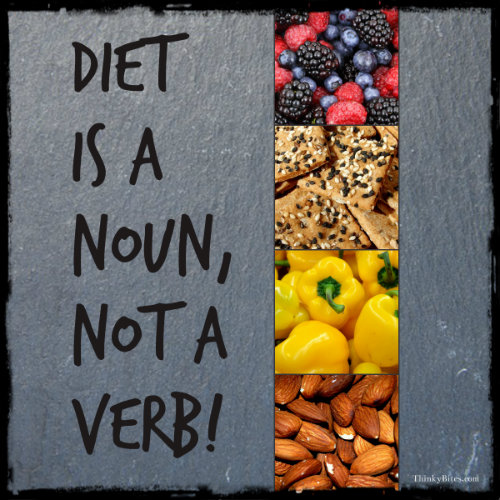
    Like fitness, your diet is a lifestyle. It should be ongoing and permanent, not a temporary shift to achieve a quick result. Quick fixes always lead to short term results.

    Think of your diet as a noun, not a verb. You have a diet; you don’t “go on” or “start” a diet.
     
    Every action has a reaction and anything you start you can also stop. You’re much less likely to suddenly end your lifestyle, but you can always abruptly end a diet and undo any of the good that has been achieved.
     
    Instead of dieting to lose weight, choose lower-calorie, nutrient-dense foods that will both nourish and fuel your body. Extreme calorie restriction can ultimately lower your metabolism, as your body seeks to preserve stored calories. Deprivation can lead to frustration and bingeing.
     
    Ask yourself how the foods you’re putting into your body are serving you. Are they nourishing your body and improving your health? Are they doing your body good?
     
    All calories are not equal. Some foods are more nutritious than others. One-hundred calories of vegetables are not the same as 100 calories of chips or cookies.
     
    A healthy diet is the fuel for your exercise program. Exercise, in turn, will help you gain strength, build fitness and increase your metabolism.
     
    Improving your fitness and wellness should be the goal; weight loss may be a byproduct of that. Fitness first!
     
    Diet and exercise aren’t just about changing your body; they’re about changing your life!
  • Get Fit in the Gym; Lose Weight in the Kitchen

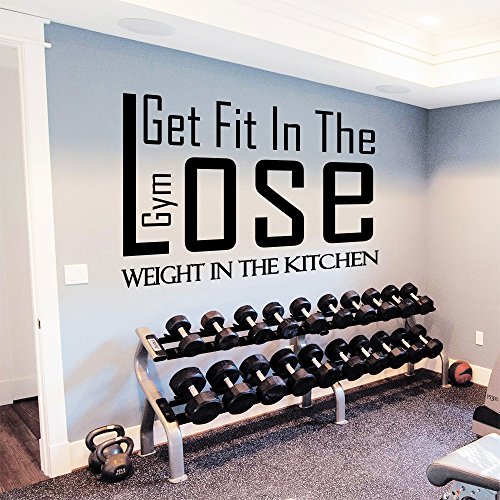
    Get Fit in the Gym; Lose Weight in the Kitchen

    Exercise has numerous benefits, the least of which is weight loss. Focus on the many health benefits of exercise, not just your weight. 

    Whether it’s a New Year’s resolution, a birthday, or the recommendation of a doctor, most Americans will determine to lose weight at some point during the year. It’s little surprise.
     
    In 2017, the Centers for Disease Control and Prevention found that almost 40 percent of American adults and nearly 20 percent of adolescents are obese — the highest rates ever recorded for the U.S.
     
    In all, more than 70 percent of Americans are now either overweight or obese, meaning that an unhealthy weight has become the norm, with healthy-weight Americans — who have a BMI of less than 25 — now in the minority.
     
    However, while exercise is great for overall health in a multitude of ways, it isn’t the most effective means of weight loss.
     
    A lot of personal trainers may not want their clients to know this, but I think it’s important to set the record straight and to set a framework for reasonable expectations.
     
    The number of calories you burn when exercising account for a rather small portion of your total, daily energy expenditure.
     
    There are three main components to energy expenditure: 1.) basal metabolic rate, or the energy used for basic functioning when the body is at rest; 2.) the energy used to break down food; and 3.) the energy used in physical activity.
     
    Your basal metabolic rate (BMR) is the single biggest source of energy expenditure, responsible for about 70 percent of the calories burned each day. Digesting your food accounts for roughly another 10 percent. The remaining 20 percent, or so, can be burned through exercise.
     
    However, if you’ve ever walked on a treadmill, for example, you may be disappointed by just how few calories you burn.
     
    Your weight and the distance you walk are the biggest factors in how many calories you burn while walking. A rule of thumb is that about 100 calories per mile are burned for an 180-pound person and 65 calories per mile are burned for a 120-pound person.
     
    In other words, if a 180-pound person walks two miles, they would burn just 200 calories. If that person walks at a fairly brisk 4-miles-per-hour, it would take them 30 minutes to burn those 200 calories. That’s a pretty small payoff for that amount of time.
     
    In short, there’s a huge discrepancy between the number of calories you intake and the number of calories you expend while exercising.
     
    The average American consumes more than 3,600 calories daily – a 24% increase from 1961, when the average was just 2,880 calories, according to The Food and Agriculture Organization of the United Nations.
     
    To make matters worse, various studies have shown that people generally overestimate how much energy they burn while exercising and that they eat more when they work out.
     
    In a nutshell, if you’re trying to burn off all those excess calories at the gym, you’re going to be greatly disappointed.
     
    By far, the most critical factor for weight loss is limiting caloric consumption. It’s as plain as that.
     
    People who decide to reward themselves with food because they exercise — whether it’s larger portions, seconds, dessert, etc. — are setting themselves up for failure. They’re just taking one step forward and then two steps back. All the hard work done at the gym on any given day can be erased with just one excessive meal.
     
    Exercise has numerous benefits, aside from calorie burning: strengthening the heart (your most important muscle) and the arteries; lowering blood pressure; lowering resting heart rate; strengthening muscles, bones, tendons and ligaments; lowering resting blood sugar levels and sensitivity; lowering bad cholesterol, while raising good cholesterol; preventing many cancers; better sleep; improved mood and mental state; stress management and on and on.
     
    Weight training, in particular, is the closest thing to the fountain of youth that humanity has yet discovered. Yes, numerous studies have shown that strength training can actually reverse the aging process!
     
    None of this is to say that exercise, particularly strength training, cannot positively affect weight loss; it just shouldn’t be the primary focus.
     
    Resistance training may significantly increase resting metabolic rate (RMR) by increasing muscle mass. That’s because muscle mass alone contributes about 22 percent to RMR. An increase in RMR will result in more calories burned throughout the day, even when you’re not working out.
     
    RMR is generally depressed during caloric restriction, such as when individuals are dieting. This makes strength training especially important since it can elevate RMR, even when dieting. The problem for dieters who don’t strength train is that they not only lose body fat, they also lose muscle mass. That’s ultimately counterproductive to their long-term goal of maintianing weight loss.
     
    The important thing to remember is that exercise has many, many benefits, but weight loss is not the primary one. Reducing calories is central to weight loss.
     
    The focus of exercise should be the plethora of health benefits, both mental and physical, that can be achieved through a regular, committed workout program.
  • Wash Your Hands Before Leaving Gym to Prevent Illness

    Wash Your Hands Before Leaving Gym to Prevent Illness


    You go to the gym to be fit and healthy. However, gyms are breeding grounds for germs that can make you sick and unhealthy.
     
    Because so many people handle things such as free weights, weight machines, exercise balls, etc., this equipment is often rife with bugs and viruses that can lead to colds, flu and other infections.
     
    Exercise equipment, including exercise mats, can also hold microbes that may cause skin infections, athlete’s foot and even hepatitis A.
     
    For example, norovirus, which causes stomach pain, vomiting, and diarrhea, can survive for a month on the surface of exercise machines.
     
    There are even cases of MRSA, an antibiotic-resistant bacteria that can lead to dangerous skin infections, being found on gym equipment.
     
    That’s not all.
     
    Fungi and bacteria — such as E. coli, staph and fecal matter, as well as vaginal yeast — have all been detected at gyms across the country.
     
    If that wasn’t bad enough, streptococcus — which causes various illnesses, from strep throat, to pink eye, to meningitis and bacterial pneumonia — can survive on doorknobs and other surfaces, such as sweaty exercise equipment.
     
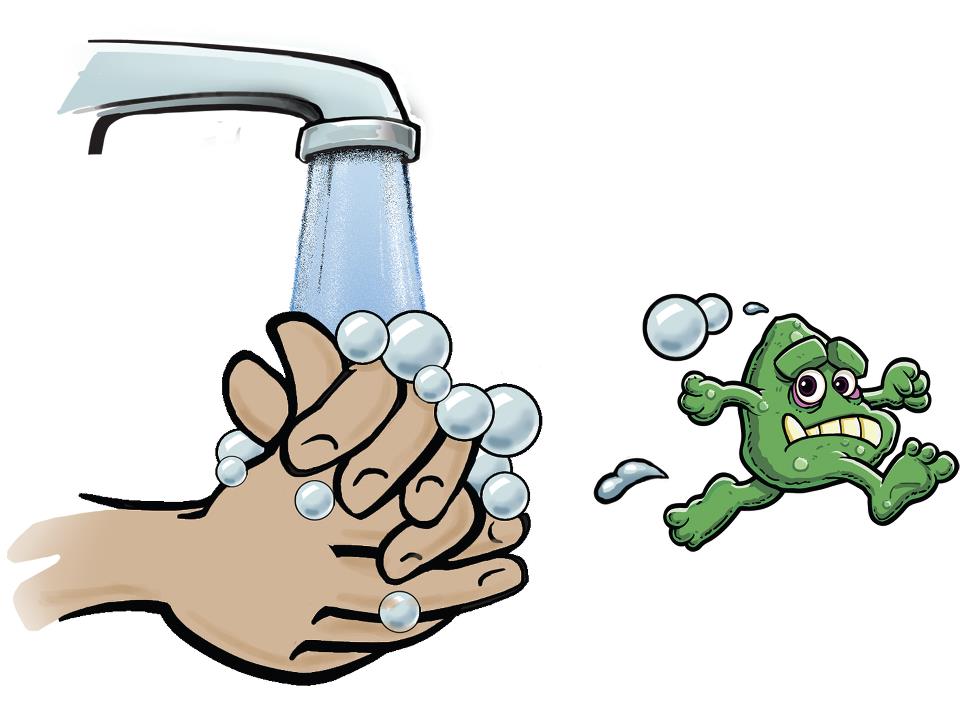
    The simple solution to avoid getting sick is to wash your hands before and after your workout. Touching your eyes, nose or mouth with unwashed hands at the gym, or after leaving, is a surefire way to invite sickness.
     
    Just touching your steering wheel with unwashed hands after leaving the gym can transfer bacteria that may survive there for weeks, increasing your chances for infection even when you haven’t recently been to the gym.
     
    If you shower at the gym, always wear flip-flops to avoid athletes’ foot (a foot fungus caused by candida) and plantar warts, which are caused by the HP virus.
     
    The key is not to be paranoid and to avoid the gym, but to instead be aware and cautious. Thoroughly washing your hands is a very simple, preventative measure. Just do it.
  • Sleep Vital to Muscle Recovery, Muscle Growth and Weight Management

    Sleep Vital to Muscle Recovery, Muscle Growth and Weight Management


    Since we were children, we’ve all heard the advice that we should get eight hours of sleep each night. With 24 hours in a day, that amounts to a third of the day and, ultimately, a third of our lives.
     
    Unfortunately, most of us are missing the mark.
     
    The National Sleep Foundation recommends 7-9 hours of sleep per night. However, it says that around 40 percent of us get less than 7 hours. Moreover, a survey by Gallup finds that Americans currently average 6.8 hours of sleep at night, down more than an hour from 1942.
     
    Life has gotten faster and more hectic at the expense of our sleep and, ultimately, our health.
     
    Scientists are still discovering the myriad of reasons we need sleep and just how valuable it is. For example, in studies on rats deprived of sleep for just five days, the end result was death. Sleep was found to be as essential as food because the rats died just about as quickly from sleep deprivation as from food deprivation.
     
    For athletes and exercise enthusiasts, sleep is vital to athletic performance, as well as muscle growth and recovery.
     
    Protein synthesis occurs when we sleep, provided that protein is ingested prior to sleep. This is why it’s useful to eat some protein, or drink a protein shake, before bed.
     
    Sleep is also the time when our bodies produce growth hormone. In men, 60% to 70% of daily growth hormone secretion occurs during the early stages of sleep, which is typically when the deepest sleep cycles occur. Consequently, poor quality sleep can negatively effect human growth hormone levels.
     
    Additionally, the total amount of growth hormone secreted by men in their 30s and 40s deceases significantly, meaning that sleep becomes even more vital as we age.
     
    Yet, sleep is vital at every age. Research shows that sleep deprivation in otherwise healthy young men can result in decreased testosterone levels and increased spikes of cortisol, a stress hormone.
     
    Furthermore, lean muscle is regenerated in the final couple of hours of sleep each night. During REM (late-stage) sleep, the body undergoes several critical processes, including: restoring organs, bones and other tissues; replenishing immune cells; and circulating human growth hormone. For these reasons, sleep has a significant effect on muscle growth and recovery.
     
    Research shows that being sleep-deprived can actually encourage loss of muscle mass and hinder muscle recovery after a tough workout. Ultimately, sleep is vital in order for the body to grow and repair muscle.
     
    Then there’s the issue of weight management.
     
    Research shows that people who don’t sleep for 7-8 hours a night are more prone to weight gain.
     
    When you’re sleep deprived, leptin (the hormone that signals satiety) falls, while ghrelin (which signals hunger) rises. This combination leads to an increase in appetite. Additionally, sleep deprivation tends to lead to food cravings, particularly for sweet and starchy foods.
     
    Researchers have suggested that these sugar cravings stem from the fact that your brain is fueled by glucose (blood sugar). Therefore, when you lack sleep your brain is unable to properly respond to insulin (which drives glucose into brain cells), so it becomes desperate for carbohydrates to keep going. If you’re chronically sleep deprived, consistently giving in to these sugar cravings will virtually guarantee that you’ll gain weight.
     
    Getting too little sleep also dramatically decreases the sensitivity of your insulin receptors, which will raise your insulin levels. This, too, is a surefire way to gain weight, as the insulin will seriously impair your body’s ability to burn and digest fat. Getting proper sleep is therefore crucial for maintaining a healthy weight.
     
    Several large-scale studies from all over the world have reported a link between short sleep times and obesity, as well as heart disease, high blood pressure and stroke. This indicates that we are not biologically designed for sleep deprivation. In fact, other than humans, there is no other mammal that deprives itself of sleep. This deprivation puts great stress on the mind and body.
     
    Sleep deprived subjects are found to be hungrier, less alert and, most importantly, unable to metabolize sugar effectively, putting them at increased risk for Type 2 diabetes. In one study, in which sleep was restricted to four hours per night for six nights, the subjects ended up in a pre-diabetic state. Consequently, in addition to aging, overweight/obesity and family history, sleep deprivation may be a new risk factor for diabetes.
     
    Research indicates that, aside from proper diet and exercise, sleep must now be viewed as essential to good health. Ultimately, lack of sleep impacts our appetite, our metabolism, our memory and even how we age.
     
    The good news is that napping can help too. Brand new research is showing that long naps, including REM sleep, can even improve emotional outlook, making people less sensitive to negative experiences and more receptive to positive ones.
     
    So, make sure you get about eight hours of restful sleep each night, and don’t worry about sleeping a third of your life away.
     
    Go on, get some sleep.
  • Don’t Obsess on Weight Loss; Consider all the Benefits of Exercise

    Don’t Obsess on Weight Loss; Consider all the Benefits of Exercise


    Exercise and diet are critical to good health, not just weight loss.

    When I entered the fitness profession many years ago, my aim was to work with people on developing and improving their fitness levels. What I didn’t anticipate was that people would seek out my expertise to help them lose weight.
     
    After all, there are 168 hours in a week and a personal trainer might see his/her clients for all of 1-3 hours per week. There’s a whole lot of time when our clients are not accountable to us.
     
    We typically aren’t with our clients for grocery shopping, meal preparation, portion control, or to encourage them to skip the seconds, the snacks, the beer, the wine and the dessert.
     
    In retrospect, it’s not that surprising that so many people consult a personal trainer to achieve weight loss.
     
    In October, the Centers for Disease Control and Prevention reported that almost 40 percent of American adults and nearly 20 percent of adolescents are obese — the highest rates ever recorded for the US.
     
    In all, more than 70 percent of Americans are either overweight or obese, meaning that an unhealthy weight has become the norm, with healthy-weight Americans — who have a BMI of less than 25 — now in the minority.
     
    Many people who are overweight have been so for many years — most of their lives, perhaps.
     
    Obesity often runs in families, and not just for genetic reasons. Families often share the same eating and exercise patterns. Kids don’t do grocery shopping; they eat whatever mom/dad buys and prepares. Consequently, poor eating habits are often inherited. And if parents are sedentary and dislike exercise, there’s a good chance that their kids will follow this same pattern or lifestyle.
     
    The opposite is also true. Parents who are healthy weight often buy healthy foods and prepare healthy meals for their families. For these people, vegetables aren’t an oddity or an occasional, small side dish and French fries aren’t the only vegetable in their diets. Additionally, parents who exercise regularly will typically encourage and promote exercise to their children.
     
    There can be no overstating the emotional component in being overweight or obese. Food is often used as a reward, a soothing comfort, an antidote to boredom or in an act of self-loathing or self-sabotage. Food is even used to stuff down or coverup feelings that one would rather not confront. In short, people with weight issues may eat for reasons other than just hunger.
     
    For some individuals, there may genetic, metabolic or other health-related factors involved in weight gain. But for most people, it’s just a matter of too many calories being consumed and too few being burned.
     
    Most Americans simply eat too much relative to their activity level. Most people also lead sedentary lifestyles, sitting all day at work and all night at home.
     
    Weight loss can only be achieved by modifying energy intake, energy expenditure or both. To lose weight, you must create a negative energy balance. Since working out is all about energy expenditure, this is the part which you’ll directly work with your personal trainer.
     
    Additionally, portion sizes are enormous compared to what was considered normal a half-century ago, or at any time other time in history. Consequently, plates are much bigger now too. Restaurant plates now look like serving platters. But even the plates we use at home are much bigger than those of our grandparents. I look at my grandmother’s china and laugh — everything looks so small compared to our modern dish ware.
     
    In short, portions matter — a lot. Try cutting them in half. Additionally, using a smaller plate will make it look full, while holding less volume.
     
    Another thing that causes people to overeat is watching television at meal times. This causes them to become distracted and to lose sight of how much they’re consuming. Turn off the TV and eat at the kitchen table or in the dining room. Enjoy some conversation and slow down the process of eating.
     
    Sleep problems, such as sleep apnea or insomnia, can also lead to weight gain, or present a greater challenge to weight loss. Even if you don’t have a medical problem that is affecting your sleep, make sure you give yourself 7-9 hours per night, as recommended by the National Sleep Foundation. Proper rest can make a difference in maintaining a healthy weight.
     
    Exercise is vital to good health and it’s important to remember that weight loss isn’t the only goal. Those of us with an ideal body weight still need to consistently exercise our cardiovascular systems to keep them strong and healthy.
     
    Consider all of the benefits of exercise, aside from weight loss:
     
    – lower blood pressure
    – increased level of good cholesterol (HDL)
    – leaner, stronger muscles
    – stronger bones
    – more energy
    – improved mood
    – better sleep
    – stress management
     
    Maintaining good health should be the primary reason you eat well and exercise often.
     
    About half of all American adults—117 million individuals—have one or more preventable chronic diseases, many of which are related to poor quality eating patterns and physical inactivity. These diseases include cardiovascular disease, high blood pressure, Type-2 diabetes, some cancers and poor bone health.
     
    Being physically active can help prevent heart disease and stroke, the nation’s No. 1 and No. 5 killers.
     
    To improve overall cardiovascular health, the American Heart Association (AHA) suggests at least 150 minutes per week of moderate exercise or 75 minutes per week of vigorous exercise (or a combination of moderate and vigorous activity).
     
    Thirty minutes a day, five times a week is an easy goal to remember. You will also experience benefits even if you divide your time into two or three segments of 10 to 15 minutes per day.
     
    For people who need to lower their blood pressure or cholesterol, the AHA recommends 40 minutes of aerobic exercise of moderate to vigorous intensity, three to four times a week, to lower the risk for heart attack and stroke.
     
    Ultimately, your workout program can be the best healthcare plan you ever have. Think of it as your health insurance plan — one that will inexpensively ensure your health and wellness.
     
    Regular exercise results in health and wellness. Fitness equals good health. In other words, fitness is health care. On the other hand, going to the doctor is sick care. Investing in your health is the best investment you’ll ever make. The old saying is true: an ounce of prevention is worth a pound of cure.
     
    A healthy diet and consistent exercise go hand in hand. They are two sides of the same coin.
     
    Healthy eating means maximizing the nutrients you put into your body. It will strengthen your immune system, thereby helping to prevent disease, not to mention manage weight. Lastly, healthy eating will also help you perform better. What you put in is what you’ll get out. Your body is a high-performance machine, so treat it like one.
     
    If good overall health is not enough motivation and you are still preoccupied with weight loss, here’s how strength/resistance training will help:
     
    Resting metabolic rate (RMR) is the amount of energy expended by the body at rest and accounts for about 70% of daily energy expenditure. Resistance training may significantly increase RMR by increasing muscle mass. That’s because muscle mass alone contributes about 22% to RMR.
     
    An increase in RMR can have a significant impact on total energy expenditure and the creation of a negative energy balance. This increase in RMR is especially important when you consider that RMR is generally depressed during caloric restriction, such as when individuals are dieting.
     
    In effect, strength training results in a trade off — fat mass for muscle mass.
     
    Resistance exercise can help maintain muscle mass and RMR during diet-induced weight loss. Without resistance exercise, body fat is lost, but muscle mass is also significantly wasted. That is counter-productive since it ultimately results in a reduction in RMR.
     
    Weight loss will eventually come in time, as long as you are eating healthily and exercising regularly. But remember, weight loss is just one of the many benefits you will derive from living this healthy lifestyle.
  • Making Exercise a Habit

    Making Exercise a Habit

    It’s said that old habits are hard to break and new habits are hard to form. This is especially true with exercise. If you are not in the habit of exercising, maintaining that habit is effortless. To begin the habit of exercising, however, takes a lot of resolve, determination and effort.

    The behavioral patterns that are most often repeated become etched into our neural pathways. For this same reason, the process of repetition allows us to form—and maintain—new habits.
     
    Behaviors eventually become routine, which is what happens for people who exercise regularly. For these people, going to the gym or for a run, for example, become routine behaviors, which in time become habits.
     
    Habits are typically governed by reward. In essence, a habit is something your brain likes. Exercise makes people feel good physically and emotionally. After exercising, people usually feel accomplished and proud. Exercise can make you feel that you’ve done something constructive and beneficial for yourself.
     
    The more consistent an action is, the more likely it is to become a habit. This means that exercising every day is more likely to result in habit formation.
     
    One useful idea is to schedule your exercise for a given time each day, as you would with a personal trainer. Accountability is critical to maintaining your schedule and forming a habit.
     
    If you are planning to begin exercising, start modestly. Don’t take on too much, too soon. In other words, don’t set yourself up for failure. Make it easy for yourself to repeat the behavior. Don’t make exercise so strenuous in the initial stages that it gives you good reason not to do it. Make it easy enough that you set yourself up to succeed. Exercise can become progressively more challenging, or difficult, over time.
     
    Don’t become obsessed with results. Just exercising is the only result you should focus on in the beginning. Don’t concern yourself with high intensities or long durations at the outset. The only result that you should be concerned with at the outset is making exercise habitual.
     
    If your goal is to lose weight, don’t obsess on that. Consider the myriad of health benefits that result from exercise; weight loss is merely one of them, even if it comes slowly.
     
    Be aware of any progress that you’re making. Do your clothes fit better? Can you lift heavier weights? Is your endurance or stamina improving? Are you sleeping better? Do you have more energy? Are your muscles becoming less sore after you’ve been working out for a while?
     
    If you’re a morning person, work out in the morning. Stay true to your nature. If you’re not a morning person, don’t try to force yourself to be one. However, if you plan to exercise after work, bring your gear and go straight to the gym. Don’t go home first because it can only give you reasons to stay home and not work out at all.
     
    Alternating your workouts each day between different exercises (running, swimming, biking and strength training, for example) can be invigorating and motivational. At the least, it can fight boredom and repetition. We’ve all heard the saying, variety is the spice of life. So, spice things up by varying your workouts.
     
    Missing a workout does not mean you have broken the habit formation process or that you have ruined your momentum or rhythm. If you miss a day, don’t go on a guilt trip. Just get going again the next day.
     
    The oft-cited assertion that it takes 21 days to form a habit comes from Dr. Maxwell Maltz’s 1960 best-selling book “Psycho-Cybernetics.” Maltz, who noticed that patients tended to grow accustomed to their surgical outcomes in about 21 days, wrote that, “… it requires a minimum of about 21 days for an old mental image to dissolve and a new one to jell.”
     
    Since then, the 21-day adjustment period has been continually repeated as fact. In reality, Maltz wrote that it took a minimum of 21 days for people to adjust. Yet, research suggests that it usually takes significantly longer than that.
     
    For example, in a 2009 European Journal of Social Psychology study, researchers asked 96 people to attempt to forge a single healthy habit.
     
    They found that it took participants anywhere from 18 to a whopping 254 days to fully form their habit of choice; exactly how long it took depended on how big or lifestyle-changing the habit was. However, the researchers concluded that, on average, it takes 66 days to form a single healthy habit.
     
    So, if you can stick to your exercise plan for roughly two months, your consistent behavior should become engrained as habit.
     
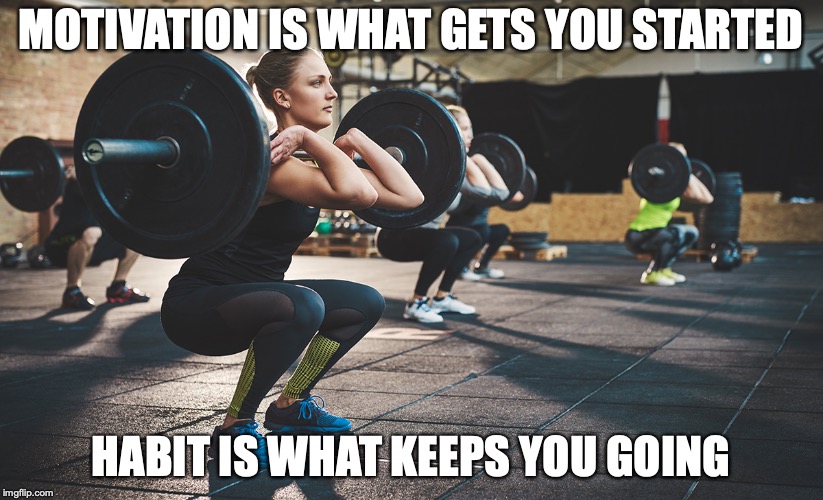
    Remember this: Motivation is what gets you started. Habit is what keeps you going.
     
    The beauty of habits is that they hold up even when motivation wanes, according to a scientific review from the University College London’s Health Behaviour Research Centre.
     
    Newton’s law of motion is a good metaphor for the habit of exercise:
     
    “An object at rest stays at rest and an object in motion stays in motion.”
  • Exercise Can Strengthen and Protect Your Arteries

    Exercise Can Strengthen and Protect Your Arteries


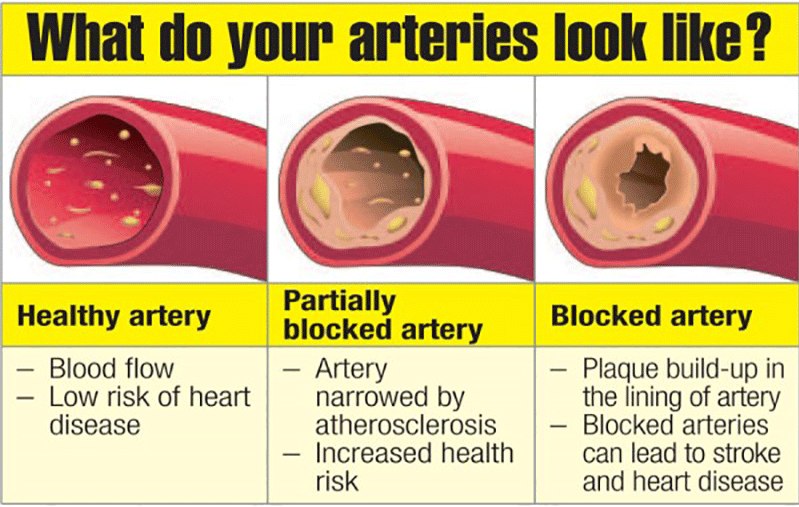
    Through time and neglect (such as smoking and not exercising, for example), your arteries can become clogged, brittle and otherwise damaged. Healthy arteries are flexible and elastic, which help them to push blood to and from the heart. However, over time, the walls in your arteries can become rigid and inflexible, which is known as hardening of the arteries.
     
    Arteriosclerosis occurs when arteries become thick and stiff, which can restrict blood flow to your organs and tissues.
     
    Atherosclerosis refers to the buildup of plaques — such as fats, cholesterol, calcium and other substances in and on your artery walls — which can also restrict blood flow. These plaques can trigger blood clots. Consequently, atherosclerosis can lead to serious problems, including heart attack, stroke, or even death.
     
    Atherosclerosis may start with damage or injury inside an artery, which can be caused by high blood pressure, high cholesterol, high triglycerides, diabetes and smoking. Blood cells and plaques can lump together at the injury site, building up inside the artery. This causes the arteries to harden and narrow, restricting blood flow.
     
    The good news is that atherosclerosis is treatable and may even be preventable. Exercise, a healthy diet and weight management can all treat atherosclerosis and help prevent it. Of course, exercise is known to aid weight loss, but it has numerous additional benefits for the heart and arteries, as well.
     
    As you age, your arteries become stiffer, stickier and narrower. But scientists in Italy found that in people who exercised regularly, age had a much smaller effect on their arteries.
     
    Exercise keeps arteries healthy by lowering bad cholesterol and boosting good cholesterol. Regular low or moderate-intensity exercise can reduce levels of LDL (bad) cholesterol and fat in your blood and arteries. More intense levels of exercise can raise HDL (good) cholesterol, which protects your heart.
     
    Exercise also reduces other risk factors for atherosclerosis and blood clots, such as high blood pressure, diabetes, obesity and stress.
     
    Additionally, exercise has been shown to reduce inflammation in the arteries and to help keep blood vessels flexible and open. Flexible arteries are elastic and able to stretch, allowing more blood to flow when it’s needed.
     
    This enables your body to maintain its blood pressure level at normal levels, even during exercise or stressful events, which eases the pressure on your cardiovascular system.
     
    The American Heart Association and the Centers for Disease Control and Prevention recommend at least 30 minutes of moderately intense exercise almost every day to make sure that your body remains healthy.
     
    Find exercises that you enjoy and then commit to a long term, regular program. Whatever you do, just get in motion and stay in motion.