Category: MotionHealthFitness

  • Your Mighty Mitochondria

    Your Mighty Mitochondria

    The benefits of exercise are numerous and they extend all the way down to the cellular level.

    Mitochondria are often referred to as the powerhouses of the cell. They absorb nutrients, break them down and create energy-rich molecules for the cell, a process known as cellular respiration.

    In essence, mitochondria convert chemical energy from the food we eat into an energy form that the cell can use. Mitochondria generate heat, a process known as thermogenesis, and they also store calcium, which is vital for a number of cellular processes, including proper muscle function.

    Mitochondria float freely throughout the cell. Some cells have several thousand mitochondria, while others have none. Muscle cells, which need lots of energy, are loaded with mitochondria. For example, about 40 percent of the cytoplasm in heart muscle cells is made up of mitochondria.

    It is well established that exercise increases the formation and function of skeletal-muscle mitochondria. Research indicates that exercise even increases brain mitochondria. The more you exercise, the more mitochondria you’ll make. Scientists say that improved mitochondrial function is a major factor in exercise-associated health benefits, including prevention of chronic diseases like cardiovascular disease and diabetes.

    The ability of cells to create additional mitochondria to deliver extra energy is particularly important for working muscles. Mitochondria generate the majority of our adenosine triphosphate (ATP), the cellular fuel that powers all of our metabolic processes.

    So, the more mitochondria you have, the more ATP your body produces, which creates a greater capacity for repeated muscular contractions, such as during exercise. Increased muscle mitochondria increase resistance to fatigue and improve endurance, allowing for better performance and longer bouts of exercise. It also allows for greater fat-burning capacity.

    Yet, as we age, the capacity of mitochondria to generate energy slowly decreases. The good news is that physical activity manages to reduce aging on a cellular level.

    Studies have shown that exercise increases mitochondrial capacity and muscle growth (hypertrophy). Current research indicates that high-load resistance exercise can stimulate the creation of muscle mitochondria and improve their function.

    High-intensity interval training (HIIT) has proven to be particularly effective at increasing mitochondria in muscle cells. In the simplest sense, the harder you work out, the more mitochondria you create.

    A recent study at the Mayo Clinic found that HITT causes cells to make more proteins for their mitochondria and their protein-building ribosomes, effectively stopping aging at the cellular level. This discovery is the closest science has ever come to discovering the “Fountain of Youth.”

    As Sreekumaran Nair, senior author of the study, said, “These things we are seeing cannot be done by any medicine.”

    “There are substantial basic science data to support the idea that exercise is critically important to prevent or delay aging,” said Nair. “There’s no substitute for that.”

    However, you need to remain committed to your exercise program. Your mitochondrial levels will quickly decrease when you stop exercising. In fact, they return to normal levels within about a month.

    Get in Motion. Stay in Motion.
     

  • The Bad and Good News About Fat Cells

    The Bad and Good News About Fat Cells

    The CDC reported in 2016 that obesity affected about 93.3 million US adults, or 40 percent of the adult population, and trend is worsening. The Harvard School of Public Health projects the obesity rate will rise to around 50 percent by 2030. In all, 72 precent (yes, nearly three-quarters) of the adult population is either overweight or obese. This has made weight loss a very big business.

    The number of active dieters in the US is estimated at 97 million, and the total US weight loss industry hit a new peak of $72 billion in 2018, according to MarketResearch.com. Clearly, the desire for weight loss is widespread.

    But those aren’t the only expenses. The CDC estimated the cost of obesity at $147 billion In 2008. A decade later, it’s surely higher.

    With obesity reaching epidemic proportions, many have surely wondered if the problem is hereditary. Could obesity be passed down from parent to child? The CDC has answered that question: “Genetic changes in human populations occur too slowly to be responsible for the obesity epidemic.”

    However, overweight and obese parents may pass on to their children the habits of physical inactivity and the tendency to eat high-calorie, processed foods. Conversely, active, healthy eaters may also pass on these same positive tendencies to their children.

    Scientists are still learning about fat and not all of it is bad. At its core, body fat (aka, adipose tissue), is comprised of cells, just like everything else in your body.

    It was once believed that adults could not create new fat cells. However, researchers have shown that adults constantly produce new fat cells, regardless of their body-weight status, sex or age. 

    Though the number of fat cells in a person’s body increases through childhood and adolescence, it remains fairly constant throughout your adult life, regardless of whether or not you diet or are thin or fat, say researchers at the Karolinska Institute, Sweden.

    However, the scientists found that we continually create new fat cells (aka, adipocytes) to replace those that break down and die. Yes, when fat cells die, as all cells do, the body simply creates new ones in its effort to keep the number constant. About 10 percent of adipocytes die each year and they are replaced at the same rate.

    The scientists at the Karolinska Institute found that obese people produce approximately twice as many new fat cells annually as lean people. They also found that fat cell death in obese people happens at twice the rate as lean people.

    Other studies have shown that obese and overweight individuals have a greater number of fat cells than “naturally thin” people. When we slim down, fat cells shrink in size, but the total number of fat cells does not decrease. So, an obese person who loses weight will still have more fat cells than the person who never gained weight. The greater number of fat cells in formerly obese people may be a factor in their tendency to regain the weight they lost. 

    When we gain weight, we store the extra lipids we don’t use in our fat cells, which makes them grow in size. As we lose weight, these cells shrink, but they never disappear. Weight loss is attributed to fat cells shrinking, not losing them entirely.

    Though excess body fat increases the risk of developing heart disease, type 2 diabetes, hypertension, stroke, osteoarthritis and certain cancers, not all body fat is the same.

    Brown fat helps to maintain your body temperature and is activated when you get cold. While white fat stores calories, brown fat contains many more mitochondria (cellular engines), which burn calories to produce heat. In fact, brown fat even burns calories from white fat. The mitochondria in brown fat provide its color. Though brown and white fat cells are often mixed in together in fat tissue, white fat is much more prevalent.

    Researchers have found that people with lower body mass indexes (BMIs) tend to have more brown fat. There is also evidence that brown fat activity declines with age, which may cause people to gain weight as they grow older, aside from the natural decline in muscle mass that lowers metabolic rate.

    Additionally, researchers believe that exercise may stimulate hormones that activate brown fat, and that spending time in the cold may also cause the growth of new brown-fat cells.

    It is believed that brown fat is activated and proliferates in response to overfeeding (aka, consuming too many calories). Since it takes energy to digest food, calorie burning usually increases at mealtimes. However, studies in humans have shown dramatic differences between individuals in the energy cost of overfeeding. These studies have shown that individuals with similar dietary intake and exercise patterns exhibit dramatic differences in their tendency to gain weight.

    Researchers are looking into whether increasing the amount of brown fat could be a safe and effective therapy to limit obesity.

    Though body fat is often viewed as our enemy, it has many useful purposes, such as: storing energy, storing fat-soluble vitamins (A, E, D and K), keeping us warm (fat is an insulator), and providing padding around our organs that protects us from physical trauma.

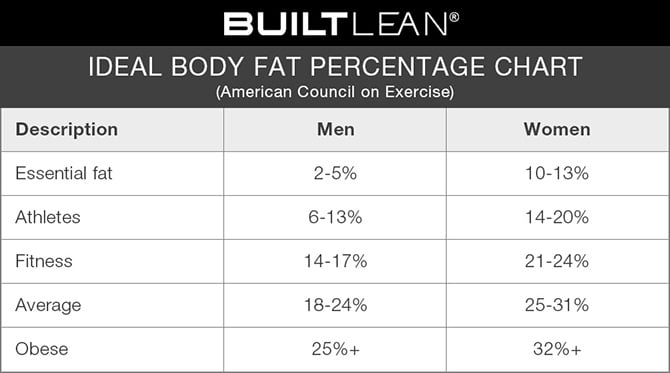
    Clearly, some body-fat is necessary, even vital. The problem is that too many Americans have too much of it — sometimes far too much — to be healthy.

    To determine healthy body-fat percentage ranges, based on your fitness level, follow these guidelines:

    Eat well. Get in Motion. Stay in Motion.

  • Are You Meeting Exercise Guidelines?

    Are You Meeting Exercise Guidelines?

    Most Americans Are Not Meeting Exercise Guidelines

    The American College of Sports Medicine, considered a top fitness authority, recommends that adults accumulate at least 150 minutes of moderate physical activity per week (i.e., 5 days for 30 minutes a session) for basic fitness. The Surgeon General, the Centers for Disease Control (CDC), the American Heart Association and the American Diabetes Association all agree.

    If you up the ante to vigorous exercise intensity, 30 minutes, three days per week will get the job done. 

    Your heart rate offers an objective view of your exercise intensity. In general, the higher your heart rate during physical activity, the higher the exercise intensity.

    The American Heart Association and the CDC offer the following definitions:

    • Moderate exercise intensity: 50 to about 70% of your maximum heart rate

    • Vigorous exercise intensity: 70 to about 85% of your maximum heart rate

    If you have goals beyond just achieving basic fitness, such as weight loss or sports enhancement, you’ll need to put in more exercise time. Additionally, people should round out a basic fitness routine with resistance training.

    The CDC and Surgeon General note that, “Adults should also do muscle-strengthening activities of moderate or greater intensity and that involve all major muscle groups on 2 or more days a week, as these activities provide additional health benefits.”

    However, most Americans are not meeting these recommendations.

    In a 2017 survey, more than three-quarters of U.S. adults said being in shape and looking good are “very important” to them, yet less than a third (31%) exercise regularly and nearly half (45%) admitted they are not active at all.

    According to the CDC’s 2016 National Health Interview Survey, only 51.7% of adults aged 18 and over met the Physical Activity Guidelines for aerobic physical activity, and just 21.7% met the Physical Activity Guidelines for both aerobic and muscle-strengthening activity.

    It’s long been established that most American adults fall short of physical activity recommendations. Again, only about a fifth of Americans meet exercise guidelines, according to the CDC.

    Health outcomes, not simply appearance, should be your main motivation. The health benefits of exercise go beyond the physical. Once you make exercise part of your routine, you may notice a host of psychological benefits, such as feeling more energized, less stressed and sleeping better.

    As exercise becomes a habit and you notice how good you feel, the more you’ll want to do it. What’s most important is to perform the activities you really enjoy. That helps with adherence to your program.

    Get in Motion and stay in Motion.


  • How Fiber Benefits Your Health

    How Fiber Benefits Your Health

    Fiber… you’ve probably heard that you should be eating more of it. If you’re like millions of Americans, it’s likely true.

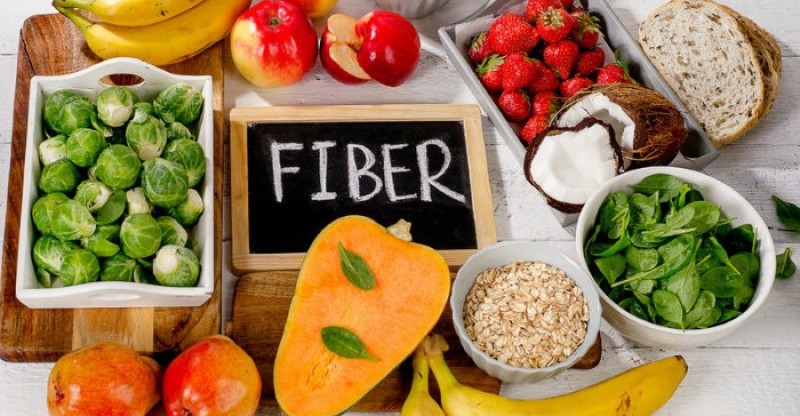
    Fiber has many, many health benefits, including lowering cholesterol, controlling blood sugar levels, helping us achieve a healthy weight, normalizing bowel movements and maintaining bowel health. Fiber also reduces the rate of intestinal carbohydrate absorption, reducing insulin response.

    Fiber is a type of carbohydrate that we cannot digest because we lack the digestive enzymes required to break it down. Fiber slows down the digestion and absorption of nutrients, resulting in a prolonged feeling of fullness and reduced appetite. This may reduce food intake and lead to weight loss.

    Women need 25 grams of fiber per day and men need 38 grams per day, according to the Institute of Medicine. Yet, only 5 percent of people in the US meet that recommended target. The average adult eats just 15 grams of fiber per day, which is about half of what we should be getting. Everyone would benefit from adding more fiber to each meal.

    There are different types of fiber and each is uniquely different. Fiber is either soluble or insoluble, viscous or non-viscous and fermentable or non-fermentable.

    Soluble fiber dissolves in water; insoluble fiber does not. Viscose fiber is gel-forming. Fermentable fiber can be metabolized by gut bacteria. And some fibers are combinations of all three. So, not all fiber is created equally; the various types of fiber have different properties in the gut.

    Insoluble fiber or “roughage” goes through your system unaffected by the digestive process. When mixed with water, insoluble fiber acts like a sponge, absorbing liquid and swelling in size in the gastrointestinal tract.

    Soluble fiber dissolves in water and is often viscous, meaning it forms a gel in your gut. Soluble fiber is found in such foods as oatmeal, flaxseed, beans, peas, Brussels sprouts, apples, pears, citrus fruits, carrots, barley and psyllium. One serving of a breakfast cereal with oatmeal or oat bran provides 3 to 4 grams of fiber. If you add fruit, such as a banana or berries, you’ll get even more fiber.

    Soluble fiber can reduce the absorption of cholesterol into your bloodstream. Five to 10 grams or more of soluble fiber a day decreases your LDL (bad) cholesterol. How does it work?

    Soluble fiber binds to bile salts in the gastrointestinal tract, causing them to be excreted as part of our fecal matter, rather than being re-absorbed by the colon, as they usually are. Since blood cholesterol is needed to make bile, the body must pull more cholesterol out of our blood to make more bile to replace what was lost. This ultimately lowers the amount of cholesterol in our bloodstream.

    Eating high-fiber foods is also critical to our gut health, which determines our overall health. High-fiber foods feed the healthy bacteria that improve immune function, reduce inflammation and chronic disease, and even help regulate mood.

    When we don’t consume enough fiber, we are essentially starving our gut microbiome, the ecology of trillions of diverse bacteria lining our intestines and colon. Fiber nourishes our gut microbiome.

    There are an estimated 100 trillion bacteria residing in the human gut, mainly in the large intestine (aka, colon). The key is to increase the number of good or healthy bacteria. Both soluble and insoluble fibers undergo fermentation in the large intestine, which stimulates the production of good bacteria there.

    Consequently, fermentable fibers also stimulate the immune system, inhibit inflammation, stabilize blood glucose, and suppress LDL cholesterol and triglycerides.

    Foods that are rich in fermentable fibers include beans, legumes, oats and barley, as well as fruits and vegetables.

    Fiber doesn’t just help us poop better. Its ability to fight constipation misses the big picture; daily bowel movements and bowel health are not the same. Providing regularity is just one of fiber’s many benefits, and it is not as important as fiber’s impact on our microbiome.

    The best way to meet your daily fiber requirement is to eat a wide variety of whole foods, rather than supplements, and to minimize processed foods. Focus on eating more fruits, vegetables, whole grains, beans, lentils, nuts and seeds.

    With low-carb diets (i.e., the ketogenic plan, the Atkins diet and the paleo diet) becoming increasingly popular, adherents of these plans are usually getting insufficient fiber.

    Americans who think going “low-carb” simply means eating more meat often end up eating less vegetables, fruits and grains. Since the latter reduce inflammation, cutting them out can increase inflammation, which has been linked with a variety diseases, including heart disease and stroke, and may also lead to autoimmune disorders, such as rheumatoid arthritis and lupus.

    If you eat a wide variety of whole, plant-based foods every day, and are sure to have some with each meal, you will likely meet your daily fiber requirement. Include veggies in every meal and be sure to eat them first, such as a salad before your meal. This will help you to fill up on very low calorie, high fiber foods before anything else.

    Any food that contains 2.5 grams of fiber per serving is considered a good source, and 5 grams or more is excellent.

    Chia, flax, sesame and hemp seeds are all great sources of fiber. They can be added to to oatmeal, yogurt and smoothies, for example.

    One cup of cooked beans can deliver up to 75% of your daily fiber needs. Beans are also packed with protein, vitamins and minerals.

    Raspberries and blackberries have 8 grams of fiber per cup.

    Avocados are incredibly nutritious fruits and half an avocado delivers 5 grams of fiber.

    One small pear has 5 grams of fiber and apples are also packed with fiber.

    However, if you peel fruits and vegetables, you’ll often remove half the fiber. So, leave the skin on apples, cucumbers and sweet Potatoes, etc.

    By meeting your daily fiber requirement, you’ll achieve a whole series of health benefits, which will pay dividends now and in the future.


  • How Many Calories Do You Need? How Many Do You Consume?

    How Many Calories Do You Need? How Many Do You Consume?

    The total number of calories a person needs each day depends on a number of factors, including the person’s age, sex, height, weight and level of physical activity.

    The number of calories you habitually consume each day determines whether you lose, maintain or gain weight.

    How many calories a day should you consume?

    The 2015 Dietary Guidelines for Americans estimates the number of calories needed to maintain caloric balance according to sex, age group and three different levels of physical activity: sedentary, moderately active and active.

    Estimates range from 1,600-2,400 calories per day for adult women and 2,000-3,000 calories per day for adult men. Within each sex and age category, the low end of the range is for sedentary individuals; the high end of the range is for active individuals. Due to the reductions in basal metabolic rate that occur with aging, caloric needs generally decrease for adults as they age.

    The physical activity categories are: sedentary, moderately active, active

    Males

    • Estimated calorie needs for males in their 20s: 2,400; 2,800; 3,000

    • Estimated calorie needs for males in their 30s: 2,400; 2,600; 2,800/3,000

    • Estimated calorie needs for males in their 40s: 2,200/2,400; 2,400/2,600; 2,800

    • Estimated calorie needs for males in their 50s: 2,200; 2,400; 2,600/2,800

    • Estimated calorie needs for males in their 60s: 2,000; 2,200/2,400; 2,600

    • Estimated calorie needs for males in their 70s and above: 2,000; 2,200; 2,400/2,600

    Females

    • Estimated calorie needs for females in their 20s: 1,800/2,000; 2,000/2,200; 2,400

    • Estimated calorie needs for females in their 30s: 1,800; 2,000; 2,200

    • Estimated calorie needs for females in their 40s: 1,800; 2,000; 2,200

    • Estimated calorie needs for females in their 50s: 1,600; 1,800; 2,200

    • Estimated calorie needs for females in their 60s: 1,600; 1,800; 2,000

    • Estimated calorie needs for females in their 70s and above: 1,600; 1,800; 2,000

    For adults, the reference man is 5 feet 10 inches tall and weighs 154 pounds. The reference woman is 5 feet 4 inches tall and weighs 126 pounds. If those seem like low weights, that’s because by today’s standards they are.

    The average American man is just over 5 feet 9 inches tall and weighs 195.7 pounds, according to the CDC. The average male’s waist circumference is 40 inches.

    By comparison, the average American woman is just under 5 feet 4 inches tall weighs 168.5 pounds. Her average waist circumference is 38.1 inches.

    Americans have gotten a lot bigger in recent decades. In 1960, the average man weighed 166.3 pounds; the average woman weighed 140 pounds. The growth in waist size is particularly troubling.

    Waist size is a good measure for the risk for certain diseases, including stroke, heart disease and type 2 diabetes. Studies have found that overweight people with large waists — more than 35 inches for women and more than 40 inches for men — are at greater risk of risk of developing type 2 diabetes and are more likely to have a heart attack.

    We can change these lifestyle diseases by changing our lifestyle. One of the best changes would be limiting our excess calorie consumption.

    The average American consumes more than 3,600 calories daily, according to The Food and Agriculture Organization of the United Nations, which is a 24% increase from 1961, when the average was just 2,880 calories. For some healthy adults, who want to maintain their weight, that’s nearly double the daily recommended requirement.

    The problem is that, on average, people underestimate their caloric consumption by about 500 calories. So, if you think you’re eating 2,000 calories per day, you may be getting about 2,500. That adds up to plenty of unwanted weight gain by the end of the year.

    If you want to maintain your weight, you need to eat according to your true physical activity level. If you want to lose weight, you’ll need to eat even less, and you’ll also need to perform weight training.

    But that’s another story for another day. Feel free to ask me about it.

  • Any Diet That Restricts Calories Will Lead to Weight Loss; You Just Need to Stick With It

    Any Diet That Restricts Calories Will Lead to Weight Loss; You Just Need to Stick With It

    However, with 70 percent of Americans being overweight or obese, according to the latest government data, much of the public is still seeking the “perfect diet” for weight loss. The truth is, there isn’t one.

    A diet study from the American Journal of Clinical Nutrition showed that when it comes to weight loss, how much you eat matters more than the proportion of fat, carbohydrate and protein in your foods.

    The results of the study were consistent with the findings from many previous studies:

    • The major predictor for weight loss was adherence to the diet.

    • The study had a high drop-out rate (hence the importance of adherence).

    • People on all of the diets lost weight by six months, but regained some of it by two years (if you don’t adhere to your diet, it won’t work).

    • It was hard for people to stick to the diets, especially those at the extremes of one dietary component or another.

    The key point is that if you restrict calories and adhere to your eating program, any diet will work for weight loss.

    Case in point: The Twinkie Diet.

    For 10 weeks, Mark Haub, a professor of human nutrition at Kansas State University, ate a diet primarily consisting of Twinkies, donuts and other junk foods. In the process, he lost 27 pounds, which is a considerable amount of weight in such a short span. Overall, his body fat dropped from 33.4 to 24.9 percent, a decline of more than 8 percentage points. 

    While this may seem shocking, the reality is that Haub didn’t ingest very many calories — less than 1,800 a day. The average American consumes more than 3,600 calories per day – a 24 percent increase from 1961, when the average was just 2,880 calories.

    Haub’s results were especially surprising since he was eating such a carbohydrate-heavy diet, which would cause him to hold more water — and water is heavy. That makes his results all the more powerful.  

    Haub said he followed a basic principle of weight loss: he consumed significantly fewer calories than he burned. And he simply maintained the same level of moderate physical activity he was performing before going on the diet. 

    The professor’s experiment was a great reminder that no matter what you eat, it all comes down to calories in versus calories out.

    However, the health outcomes of his experiment are the truly amazing part of the story. Haub’s LDL (bad cholesterol) dropped 20 percent and his HDL (good cholesterol) increased by 20 percent. He also reduced his triglycerides by 39 percent. That’s hard to figure. Interestingly, once Haub started adding meat back into the diet, his cholesterol level increased.

    I spoke to the past president of the American Dietetic Association (who was my client) about Haub’s results. He was attending an ADA conference the week the story broke and, naturally, the topic came up. He said that one of the major points the dieticians all agreed on was that maintaining caloric balance (calories in = calories out) was the most important factor for heart health and blood lipids.

    Being overweight is the central problem that leads to complications like high blood pressure, diabetes and high cholesterol. 

    So, that’s the takeaway from this remarkable story. The lesson is not that you should follow this radical (and ridiculous) diet to achieve these results. It’s that if you limit caloric intake, you will lose weight — no matter what diet you’re on. 

    For the record, despite his intriguing results, Haub does not recommend replicating his Twinkie-based diet. He said he realized that he was simply eating too much, so he started his Twinkie diet to focus on portion control.

    It worked. After all, there are only so many Twinkies someone wants to eat, day after day for 10 weeks.


  • Why Your Weight May Be Fluctuating So Much

    Why Your Weight May Be Fluctuating So Much

    Many people veer from happy to unhappy to utterly confused watching their weight go up and down each day. It’s not uncommon for our bodyweight to fluctuate from 1 to 5 pounds overnight.

    The main culprit is water retention and there’s a multitude of things that can cause this. One pound equals just 15.34 fluid ounces of water or 450 ml. So, if you have just 1 liter of extra water in your system, that’s more than two pounds of extra weight.

    Carbohydrates encourage your body to retain water, so the more carbs you eat, the more water you retain.

    One gram of carbs tends to store 3-4 grams of water — so if you’re consuming more carbs in one meal than you can efficiently use, they’ll end up getting stored as glycogen and make you hold onto more water.

    For example, eating 50 grams of carbohydrate will result in the storage of an additional 150-200 grams of water in the liver and muscles. That’s a total of 200-250 grams between the carbohydrate and water, which is half-pound (1 pound = 454 grams).

    This water retention occurs because your kidneys retain sodium in response to carbohydrate consumption. Your body reacts to the higher sodium levels by storing more water to keep the sodium-blood concentration at a healthy level.

    When you eat too much salt, the cells of your body must compensate by absorbing more water to balance out sodium concentrations.

    Consuming 400 milligrams of sodium, the amount in a single gram of table salt, causes your body to retain an extra 4 cups of water, which equals roughly 2 pounds.

    Eating fast food and processed food, which are high in sodium, can cause weight fluctuations of 2 pounds or more.

    The best way to reduce water retention is to reduce your salt intake. According to the 2015-2020 Dietary Guidelines published by the US Government, adults should limit their sodium intake to 2300 mg (1 teaspoon) or less. However, on average, Americans eat more than 3,400 milligrams of sodium each day.

    The second most important way to reduce water retention is to drink more water. This may seem counterintuitive, but it’s the solution. Drinking more water causes the excess salt to diffuse out of your cells, and it can then be flushed from the body by your kidneys and skin.

    Ironically, skimping on your H2O results in water retention. If you’re not drinking enough water, your body holds onto every last drop inside to prevent severe dehydration. Dehydration causes your body to hoard water, which in turn causes bloating.

    The National Academy of Medicine (NAM) recommends a total daily water intake of 120 ounces (15 cups) for the average adult male and 88 ounces (11 cups) for the average adult female.

    Intense exercise also helps to quickly flush excess sodium out of the body.

    In summary: cut your salt intake, drink more water each day and exercise intensely most days of the week.

    Get in Motion. Stay in Motion.
     

  • Don’t Be Fooled by Calorie Counters

    Don’t Be Fooled by Calorie Counters

    How accurate are the calorie counters on the cardio machines (treadmills, ellipticals, bikes, rowers, etc.) that you use at the gym and at home?

    Not very, it turns out. Numerous studies have shown that calorie counters on cardio machines are overstated.

    For example, one University of California, San Francisco experiment conducted for Good Morning America, found that elliptical machines were the most optimistic, overestimating one exerciser’s calorie expenditures by 42 percent. Meanwhile, treadmills overestimated by 13 percent, stair climbers by 12 percent, and stationary bikes by seven percent.

    Another issue to consider is the age of the equipment. Newer machines tend to be more accurate; older machines, less so.

    Caloric expenditure varies based on gender, age, weight and fitness level — which includes aerobic capacity, metabolism and ratio of muscle to fat (more muscular bodies burn more fat).

    Most cardio machines allow you to enter the first three variables — your gender, age and weight — so make sure to do it. That will give you a much more accurate portrayal of calories burned. We burn fewer calories as we age, and men generally burn more calories than women.

    Many treadmills use a reference weight of about 155 pounds. If you don’t weigh 155 pounds, the reading at the end of your workout is not accurate. Enter your true weight. Heavier bodies burn more calories in any given workout.

    Additionally, relying on the handrails—especially during higher inclines or while running at high speeds—can throw off your reading by as much as 40 percent. Avoid the handrails. When you walk outside, there aren’t any.

    Your heart rate will also determine how many calories you burn, so make sure the machine can synch to your heart monitor, assuming you have one.

    When it comes to burning calories, the greater your exertion, the greater the rate at which calories are burned. Working out at 60% to 75% of your maximum heart rate burns fewer calories than working out at 75% to 85% of your maximum heart rate.

    As always, get in Motion; stay in Motion.

  • Here’s Why You Should Supplement Your Diet With Psyllium

    Here’s Why You Should Supplement Your Diet With Psyllium

    The most recent edition of the Dietary Guidelines for Americans recommends that adults consume 1.5-2.0 cups of fruit per day and 2-3 cups of vegetables per day.
     
    However, about 90 percent of Americans don’t eat enough fruits and vegetables, according to a 2017 CDC report. Specifically, just 12.2 percent of American adults are meeting the recommendation for fruit and only 9.3 percent are meeting the recommendation for vegetables.
     
    Aside from being packed with valuable nutrients and phytochemicals (helpful chemical compounds produced by plants), fruits and veggies are also packed with fiber, which aids digestion and can help treat digestive problems. Fiber also helps prevent constipation and can reduce cholesterol levels. Adequate fiber intake may even help protect against heart disease, type 2 diabetes and some forms of cancer.
     
    The national fiber recommendations are 30 to 38 grams a day for men between 18 and 50 years old, and 25 grams a day for women of the same age range. However, most of us are falling far short. The average American consumes a mere 14 grams, meaning many of us eat even less than that.
     
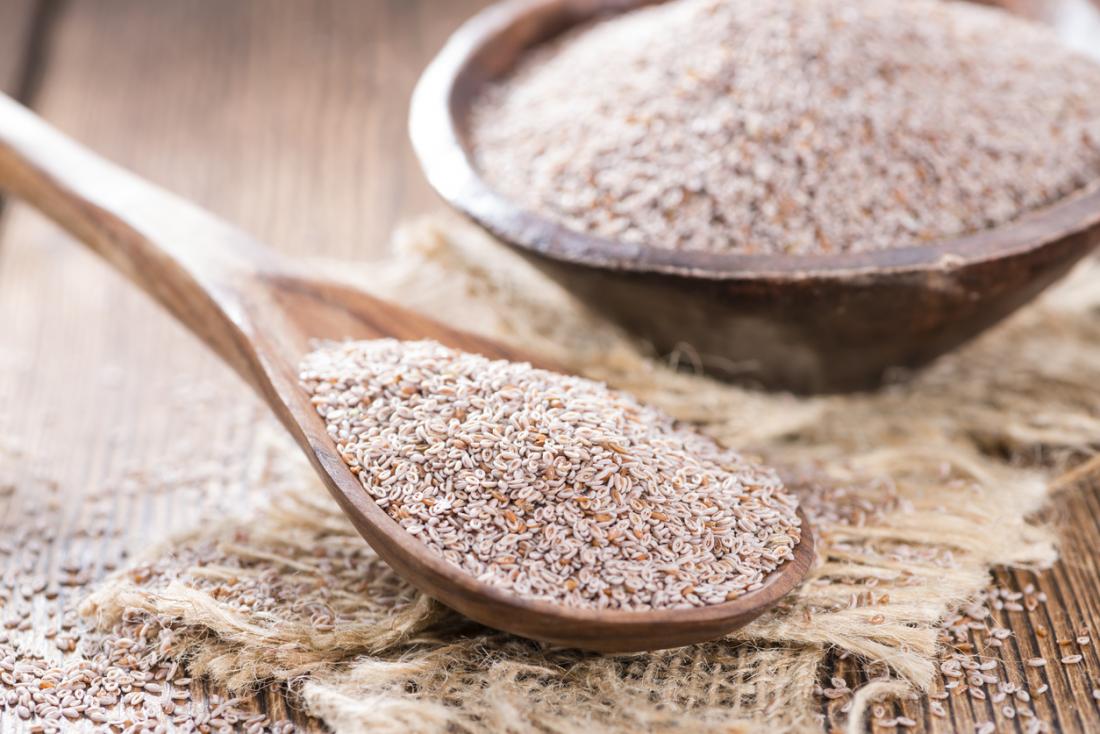
    A great way to increase your daily fiber intake is by supplementing your diet with psyllium, a natural, water-soluble fiber made from the husks of the Plantago ovata plant. Psyllium can aid our health in each of the following ways:
     
    • Lowering cholesterol
    • Improving digestion
    • Eliminating toxins and heavy metals (psyllium acts like a sponge, soaking them off the walls of the intestine)
    • Slowing the production of blood glucose during digestion
    • Encouraging the growth of healthy intestinal bacteria
     
    For all these reasons, psyllium is a highly valuable dietary supplement. Here’s more detail on each of the above:
     
    Being a soluble fiber, psyllium is able to pass through your digestive system without being completely broken down or absorbed. Instead, it absorbs water and becomes a gel-like substance that slows down the rate at which the stomach empties. As a result, psyllium tends to slow the movement of food through the digestive tract. Since fiber-rich foods take longer to digest, they result in an increased feeling of fullness and satiety. Consequently, psyllium can aid weight loss by reducing the amount of food consumed during meals.
     
    In addition, a more gradual absorption slows the entrance of glucose into the blood stream, thereby preventing large blood glucose and insulin spikes. For this reason, psyllium helps control blood sugar levels, which is particularly helpful to diabetics. It’s recommended that you take psyllium with food, rather than on its own, so it has a greater effect on your blood sugar levels.
     
    Psyllium has also been shown to help lower blood cholesterol. Soluble fiber binds to bile salts in the gastrointestinal (GI) tract, causing them to be excreted as part of our fecal matter, rather than being re-absorbed by the colon, as they usually are. Since blood cholesterol is needed to make bile, the body must pull more cholesterol out of our blood to make more bile and replace what was lost. This ultimately lowers the amount of cholesterol in our bloodstream.
     
    Additionally, psyllium also helps with constipation and diarrhea, and perhaps even benefits blood pressure, according to research.
     
    Psyllium is a bulk-forming laxative that also softens stools, which means it makes bowel movements much easier. Quite simply, psyllium promotes regularity and overall digestive health, which matters to millions of people.
     
    A total of 60 to 70 million Americans are affected by digestive diseases, according to the National Institute of Health. This means one in five Americans suffers some type of digestive illness. That’s because the modern American diet is so unhealthy. For example, the top sources of calories in the US are grain-based desserts, including cakes, cookies, donuts, pies, crisps, cobblers and granola bars. Americans also consume copious amounts of sodas, candy, potato chips and pizza.
     
    Having a healthy gut is vital to our overall health. Psyllium encourages the growth of healthful, “friendly” intestinal bacteria, such as Lactobacillus acidophilous and bifidobacteria.
     
    These are among the healthy or “good” bacteria in your GI tract that keep your entire digestive system at its peak, while boosting the health of your immune system. In fact, 80% of your immune system lives within your digestive tract and, obviously, a healthy immune system is vital to your overall well-being.
     
    It is crucial for us to maintain a healthy ratio of “good” to “other” bacteria in our GI tract for optimal health. A healthy and balanced digestive system even helps you better regulate your weight.
     
    The good bacteria in your GI tract need good nutrition to flourish. Dietary fiber can make a huge difference by feeding these good bacteria, allowing them to grow and proliferate. While the less-than-desirable bacteria like to eat refined sugars and fats, beneficial bacteria love to feed on fiber, such as psyllium.
     
    The average recommended dosage for psyllium is about one or two tablespoons with meals, once or twice daily. However, I suggest starting with a lower dose and gradually working up to this level. A tall glass of water should be taken with each dose.
     
    The most common brand of psyllium is Metamucil, which has added sugar and ascorbic acid. There are also 100% pure psyllium versions available, without added sugar, which you can find at any health food store. You may find that finely ground, powdered psyllium, which can be mixed with either water or juice, is easiest to drink.
     
    It should be noted that Metamucil is different from Citrucel, which is made from man-made cellulose fiber. Citrucel is merely a fiber laxative and does not offer the same health benefits of psyllium.
     
    So, there are many good reasons to add psyllium to your diet regimen: it’s all natural, inexpensive, easy to take and has a multitude of health benefits. Ultimately, psyllium is one of the very best supplements to include in your daily diet.
  • Don’t Fall Prey to Sitting Disease!

    Don’t Fall Prey to Sitting Disease!


    The Benefits of Standing vs Sitting

    The Mayo Clinic conducted a 10-year, $20 million research study on nutrition, activity and behavior related to weight management and obesity prevention.
     
    The research determined that sedentary environments are a primary contributor to the rise in obesity that increases health costs and takes a toll on quality of life.
     
    This research supported the value of N.E.A.T. (Non-Exercise Activity Thermogenesis), which is all the calories one burns while doing normal, non-exercise activity.
     
    Much of our health depends upon adequate, regular movement. In fact, all movement counts toward our health, and non-exercise activity is crucial. Our bodies were designed to move and when we don’t, our physical health deteriorates.
     
    One culprit driving the obesity epidemic is “sitting disease.” Most of us spend 10-15 hours a day just sitting!
     
    No matter how much you exercise, sitting for excessively long periods of time is a risk factor for early death, according to a 2017 study in Annals of Internal Medicine.
     
    There’s a direct relationship between time spent sitting and your risk of early mortality of any cause, researchers said, based on a study of nearly 8,000 adults. As your total sitting time increases, so does your risk of an early death.
     
    The positive news: people who sat for less than 30 minutes at a time had the lowest risk of early death.
     
    Replacing a few hours of sitting at your desk with standing can lead to significant health benefits over time. In addition to the cardiovascular and musculoskeletal benefits, there is also a significant difference in calories burned.
     
    A study by the BBC and the University of Chester found remarkable health benefits of standing versus sitting. Standing caused participants to have a much higher heart rate (around 10 beats per minute higher), which adds up to burning about 50 calories more per hour versus sitting. Over a year, that adds up to about 30,000 more calories or 8 pounds of fat.
     
    There are many documented benefits of standing, such as reducing your risk of type 2 diabetes, cardiovascular disease, certain types of cancer and back pain.
     
    The general rule is to not sit more than 30 minutes without standing or getting up and moving. Set an alarm on your watch, phone or computer to remind you to get up after you’ve been sitting for 30 minutes. Move around or walk for five minutes to help reduce the health risks from all that sitting.
     
    Get in Motion. Stay in Motion.