Category: wellness

  • Sleep Is Vital to Good Health, Yet Many of Us Aren’t Getting Enough

    Sleep Is Vital to Good Health, Yet Many of Us Aren’t Getting Enough

    One-third of U.S. adults are struggling to get a good night’s rest, according to a jointly conducted web survey by Gallup and mattress retailer Casper. This suggests that nearly 84 million Americans are not getting adequate sleep.
     
    Moreover, 65% said they were unable to get the recommended seven to nine hours of sleep a night.
     
    This sleep deficit has negative health consequences. Research confirms that not getting the recommended 7-9 hours of sleep per night, or getting poor quality sleep, increases risks for high blood pressure, elevated cholesterol and atherosclerosis, which happens when fatty deposits build up in arteries. Not getting enough sleep is linked to weight gain, diabetes and inflammation, all of which can worsen cardiovascular disease.
     
    The survey of more than 3,000 adults indicated that stress is a major factor in this epidemic of sleepless. If the word epidemic sounds hyperbolic, that’s exactly how the CDC describes it.
     
    Two years of the coronavirus pandemic drove stress levels to extraordinary levels and even as that now begins to wane, new stressors seem to have supplanted it. An American Psychological Association study recently found that Americans are feeling more anxious about inflation, global uncertainty, and the war in Ukraine.
     
    Our emotional and mental states are major contributing factors to how easily we fall asleep and whether we stay asleep all night.
     
    There are strategies you can utilize to help improve your sleep. For example, 30 minutes of daily exercise improves your odds of a great night’s sleep by 30%. That’s because exercise helps work off stress and anxiety. Moving your body and raising your heart rate help ensure a better night’s sleep.
     
    Creating some form of ambient white noise, such as with a fan or noise machine that creates nature sounds, can also be calming, soothing and sleep inducing.
     
    Healthy nutrition, meditation and/or breathing exercises can also be quite helpful. For example, you can count your in-breaths or out-breaths from one to 10. You can then count them backwards from 10 to one. If your mind wanders, bring your attention back to your breathing and start counting from one again. Focused breathing is relaxing in and of itself, but it can also help stop the mind from wandering. If you practice while lying in bed, eventually you’ll fall asleep while counting your breaths.
     
    Another useful strategy is to have a specific bedtime routine that you follow every night. Varying bedtimes and wake times put your body’s internal clock, the circadian clock, out of cycle. Going to bed and getting up at the same time every day, even on weekends, prevents this disruption. Changes in your sleep schedule thwart a natural sleep pattern, which throws off your circadian cycle.
     
    A regular bed time is critical for your health and wellness, as is a regular waking time. Additionally, sleeping too long can affect your ability to fall asleep that night. After a good night’s sleep, most people need to be awake around 16 hours before they feel sleepy again.
     
    Going to sleep between 10:00 pm and 11:00 pm is associated with a lower risk of developing heart disease compared to earlier or later bedtimes, according to a new study by the European Society of Cardiology. Early or late bedtimes may be more likely to disrupt the body’s circadian clock, with adverse consequences for cardiovascular health, according to the study’s authors.
     
    The incidence of cardiovascular disease was highest in those with sleep times at midnight or later (25% higher risk) and lowest in those with sleep onset from 10:00 to 10:59 pm. There was a 24% higher risk for falling asleep before 10:00 pm.
     
    When it gets dark, your brain ramps up its production of melatonin, a hormone that regulates your sleep-wake cycle. Essentially, melatonin helps you fall asleep — and stay asleep. On the other hand, light signals your brain to stop making melatonin, which helps you wake up and feel alert in the morning.
     
    Too much light just before bedtime, especially the blue light from electronic devices, can also disrupt our internal clocks. The brain’s nighttime surge of melatonin is known as melatonin onset. This naturally occurs as the sun sets and your environment literally starts to dim.
     
    However, modern humans no longer live by the sun’s daily cycle. We now have the ability to artificially keep our home environments bright at night. All that light signals to your body that it’s still daytime, which definitely doesn’t help you fall asleep. For this reason, it’s best to turn off screens and other intense lights a half-hour or so before bedtime. Reading by a dim light just before bed is a great way to ready the brain and induce sleep.
     
    Eliminating light in your bedroom is also a key requisite to a good night’s sleep. Even small sources of light, such as from your alarm clock or smoke detector can be disruptive, according to sleep research. There are tiny receptor cells in your retina that look for light intensity. Sleeping in a pitch-black environment helps ensure that those retinal receptors don’t find any light — until you’re ready to wake up in the morning.
     
    However, totally blacking out your room, such as with blackout curtains, in order to create a perfect sleep chamber may not be realistic for you. Yet, most of us can wear a sleep mask.
     
    Wearing a sleep mask could actually benefit your health. A small study at Northwestern University found that participants who slept in a dimly lit room had a continuously elevated heart rate. And in the morning, they also had more trouble getting their blood sugar into a normal range, a condition known as insulin resistance.
     
    These physiological changes happened even though their actual sleep wasn’t really disturbed. In fact, the participants generally said they slept fine. Yet, their brains and hearts knew that the lights were on, even though these people were sleeping. Even a relatively small amount of light was enough to shift their nervous systems into a more alert and activated state. The study provides evidence that sleeping with even relatively dim light exposure can be disruptive to our sleep-wake cycle.
     
    The resulting risk of chronic diseases like insulin resistance, diabetes, other cardio-metabolic problems is real. One five-year observational study of more than 40,000 women found that having a light or TV on while sleeping was associated with an increased risk of gaining more than 10 pounds.
     
    Furthermore, research shows that a lack of sleep can:
     
    • Affect cognition, decreasing focus and work productivity
    • Sap your energy and desire to work out
    • Elevate appetite and food cravings
    • Lead to more impulsive decisions, impacting food choices
    • Boost irritability, straining relationships
    • Increase stress levels (which makes sleep more difficult)
     
    In summation, for all these reasons, it’s best to:
     
    • Exercise daily, even if it’s just a walk
    • Create a cool, dark bedroom environment that’s conducive to sleep
    • Prepare for sleep by dimming lights and not using blue-light emitting devices 30 minutes before bed
    • Stop watching news or other distressing content before bed
    • Use breathing exercises when you’re having trouble sleeping
    • Keep specific bed and wake times
    • Wear a sleep mask
     
    Follow these tips, and you’ll enjoy a continually better night’s rest and, ultimately, a better quality of life.

  • Sugar: The Biggest Dietary Threat to Your Health

    Sugar: The Biggest Dietary Threat to Your Health

    For decades, Americans were warned to reduce their fat and cholesterol intake in order to prevent heart disease, the nation’s No. 1 killer of both men and women. However, it is now known that sugar is the greater threat to our national health.
     
    The link between sugar and heart disease was purposefully obscured for decades. In 1964, after studies began linking sugar with heart disease, the Sugar Association (a sugar industry trade group) began funding research that cast doubt on sugar’s role in heart disease, in part by pointing the finger at fat.
     
    First, we should note the difference between naturally occurring sugar and added sugar, which is the real threat.
     
    Sugar occurs naturally in all foods that contain carbohydrates, such as fruits and vegetables, grains and dairy. Consuming whole foods that contain naturally occurring sugar is okay. Plant foods also have high amounts of fiber, essential vitamins, minerals and antioxidants, and dairy foods contain protein and calcium.
     
    Since your body digests these foods slowly, the sugar in them offers a steady supply of energy to your cells. A high intake of fruits, vegetables, and whole grains also has been shown to reduce the risk of chronic diseases, such as diabetes, heart disease, and some cancers.
     
    However, problems occur when you consume too much added sugar — that is, the sugar food manufacturers add to their products to increase flavor and/or extend shelf life. The added sugar in our food is generally regular table sugar (sucrose) and high-fructose corn syrup (a mix of fructose and glucose).
     
    Remarkably, sugar is the most popular ingredient added to foods in the US. In fact, about 80% of all sugar found in US foods has been added by the food industry. The top sources of sugar in the American diet are soft drinks, fruit drinks, flavored yogurts, cereals, cookies, cakes, candy, and other processed foods. 
     
    Yet, added sugar is also present in items you may not think of as sweetened, such as soups, cured meats, and ketchup. Yes, sugar isn’t merely found in sweets; it’s also added to many other processed foods, such as crackers, breads, peanut butter, and salad dressings. In fact, most processed foods contain sugar.
     
    While you might not think you’re eating much sugar, chances are you’re eating a lot more than you realize. Added sugar lurks in nearly 70% of packaged foods and is found in many sauces, snacks, most breakfast foods, and even many so-called ‘health foods’.
     
    The result: we consume way too much added sugar.
     
    Today, the average American consumes 66 pounds of added sugar each year, according to government data. That’s more than one pound of sugar each week!
     
    This is of great concern since too much added sugar is among the greatest threats to cardiovascular disease. Eating and drinking too many added sugars can also contribute to other health problems, such as type-2 diabetes and obesity. 
     
    “Sugar is actually more addictive than even cocaine, so it is probably the most consumed addictive substance around the world and it is wreaking havoc on our health,” says cardiovascular researcher James DiNicolantonio.
     
    Sugar’s impact on heart health has long been researched by Dr. Frank Hu, professor of nutrition at the Harvard T.H. Chan School of Public Health.
     
    In a study published in 2014 in JAMA Internal Medicine, Dr. Hu and his colleagues found an association between a high-sugar diet and a greater risk of dying from heart disease. Over the course of the 15-year study, people who got 17% to 21% of their calories from added sugar had a 38% higher risk of dying from cardiovascular disease compared with those who consumed 8% of their calories as added sugar.
     
    “Basically, the higher the intake of added sugar, the higher the risk for heart disease,” says Dr. Hu.
     
    High amounts of sugar overload the liver, potentially leading to fatty liver disease, a contributor to diabetes, which also raises your risk for heart disease.
     
    Consuming too much added sugar can also raise blood pressure and increase chronic inflammation, both of which are pathological pathways to heart disease.
     
    “The effects of added sugar intake — higher blood pressure, inflammation, weight gain, diabetes, and fatty liver disease — are all linked to an increased risk for heart attack and stroke,” says Dr. Hu.
     
    Diabetes has reached epidemic proportions in the US. It kills more Americans each year than AIDS and breast cancer combined, according to the American Diabetes Association.
     
    More than 100 million US adults are now living with diabetes or pre-diabetes, according to a 2017 CDC report. Pre-diabetes is a condition that, if not treated, often leads to type-2 diabetes within five years. Despite the fact that more than a third of US adults have pre-diabetes, the majority don’t know it, says the CDC.
     
    Even a relatively small amount of sugar can do a lot of damage to your health. People who add 150 calories of sugar to their daily diet — from sources such as a 12-ounce can of Coke or an ounce of M&Ms — have 10 times greater risk of developing diabetes.
     
    Additionally, people who consume a diet high in fructose risk damaging their immune systems, a new study suggests. The study shows that fructose, which is commonly found in sugary drinks, sweets and processed foods, causes the immune system to become inflamed.
     
    Furthermore, researchers say that consuming too much added sugar (as well as artificial sweetener, fast foods, fried foods, processed foods, and alcohol) can harm your gut microbiome.
     
    The American Heart Association (AHA) has long suggested that men consume no more than nine teaspoons (36 grams) of added sugar per day. That’s close to the amount in a 12-ounce can of soda. Women are advised to limit added sugars to no more than six teaspoons a day (24 grams).
     
    However, the average American still eats about 17 teaspoons (19 for men, 15 for women) of added sugar a day, according to the CDC. That’s about double the recommended limit for men (nine teaspoons) and two-and-a-half times the limit for women (six teaspoons). This doesn’t include the sugars that occur naturally in foods like fruit or dairy products.
     
    In other words, American adults consume an average of 77 grams of added sugar per day. Again, that’s more than two times the recommended amount for men and two-and-a-half times the recommended amount for women. 
     
    Recognizing the problem, the AHA now recommends that sugar intake be limited to less than 6% of daily calories, and the Dietary Guidelines Advisory Committee agrees.
     
    Yet, roughly 90% of Americans still get more than 10% of daily calories from sugar, and the top 10% of sugar-consumers ingest a whopping 40% of their calories from sugar!
     
    Beverages are the leading source of added sugars, accounting for 47% of the total. Examples of sugary beverages include regular soda, fruit drinks, sports drinks, energy drinks, sweetened waters, and coffee and tea beverages with added sugars.
     
    The US ranks third in the world in sales of sugary drinks. In 2013, the average American drank just over 38 gallons of soda a year — or about eight 12-ounce cans a week. 
     
    Reading food labels is one of the best ways to monitor your intake of added sugar. Total sugar, which includes added sugar, is often listed in grams. Note the number of grams of sugar per serving as well as the total number of servings. The package might only say 5 grams of sugar per serving, but if the normal amount is three or four servings, you can easily consume 20 grams of sugar. That’s a lot of added sugar.
     
    By simply being more aware, you can substantially reduce the amount of added sugar in your diet. It would certainly be worth your while.
  • Sean Kennedy: Health & Happiness Coach

    Sean Kennedy: Health & Happiness Coach

    Though my professional titles have long been Certified Strength & Conditioning Specialist and National Board Certified Health & Wellness Coach (what a mouthful!), I’ve long thought of myself as a Health & Happiness Coach.
     
    I’m less interested in helping people build a physical monument to themselves (or their egos) than I am in helping them be happier, more confident and more self-fulfilled. I try to get people to focus less on the amount of fat or muscle on their bodies and more on reducing stress, improving self-esteem, sleeping better, lowering blood pressure and resting heart rate, developing better mobility and balance, and building stronger bones, ligaments and tendons, as well as muscles.
     
    A single workout increases neurotransmitters like dopamine, serotonin and noradrenaline, and these mood boosters can also improve your memory and focus for up to three hours afterwards. Research shows that exercise even lowers anxiety levels, and it does it rather quickly — in about 10 minutes. So, exercise helps your mental health, as well as your cognition. Even a brisk walk can help boost your neurotransmitters and mood.
     
    Scientists at Duke University Medical Center tested three groups with depression. One was prescribed exercise; one was prescribed Zoloft; and the third was prescribed a combination of the two. Remarkably, the group that just exercised had the best results. And exercise seemed to do a better job of keeping the depression symptoms from coming back.
     
    Indeed, exercise has a multitude of positive effects; it even helps your brain grow new neurons. During a process called neurogenesis, new neurons (brain cells) develop in the hippocampus, the brain region responsible for learning information, storing long-term memories, and regulating emotions.
     
    Exercise also promotes brain plasticity by stimulating growth of new connections between cells in many important cortical areas of the brain.
     
    Yes, exercise even leads to a happier, healthier brain!
     
    The physical, emotional and mental benefits of exercise are numerous. So, there are bountiful reasons make regular exercise part of your weekly or even daily life.
     
    Yet, our wellbeing can be affected by more than just exercise.
     
    For example, there is a vital connection between the brain and the gut, where 90% of our serotonin receptors are located. The truth is, the foods we eat not only affect our physical health, but also our emotional wellbeing.
     
    Ultra-processed foods and foods that contain chemical additives negatively affect our gut health and increases our risk of illness. Ultra-processed foods, such as fast foods, are typically cheap, and they’re scientifically designed to be extra tasty and make you overeat. Even worse, ultra-processed foods are known cause inflammation and disease.
     
    On the other hand, a recent study found that fiber might be linked with a reduced risk of depression, especially in pre-menopausal women. Previous studies had already suggested the benefits of fiber for mental health. The link between dietary fiber and depression may be partially explained by gut-brain interactions, since fiber improves the richness and diversity of gut microbiota. It’s theorized that changes in gut-microbiota composition may affect neurotransmission.
     
    Additionally, according to the Cleveland Clinic, protein consumption (from foods like fish, beef, chicken, turkey, tofu, beans, eggs and unsweetened yogurt) has been linked to higher levels of dopamine and norepinephrine, the brain chemicals that play a role in your mood, motivation and concentration.
     
    So, our diets can indeed affect our mood state and mental wellbeing, as well as our physical wellbeing.
     
    Finding healthy ways to manage our stress is also very important. The stress hormone cortisol is known to interfere with immune functioning and even the workings of the cardiovascular system. In fact, stress is an underrated, yet profound, factor in the development of cardiovascular disease. Stress exacerbates cholesterol levels, raises blood pressure and heart rate, and it often creates the kind of pressure that prevents a person from engaging in enough healthy self-care activities.
     
    So, it’s important to find healthy ways to mitigate and manage stress. Lowering your stress levels with relaxation techniques, such as meditation, can reduce your risk of health problems.
     
    However, people often turn to unhealthy coping mechanisms, such as food, alcohol, drugs and impulsive shopping to cope with life’s stresses. Yet, these things ultimately make our stresses even worse in the long run. Meditation, on the other hand, can be helpful in managing stress and anxiety, as well as a variety of other health conditions. Research studies have shown that regular meditation can actually change the physical structure and cognitive function of the brain.
     
    Ultimately, true wellness requires a comprehensive, holistic approach, where all of these factors are considered and implemented.
     
    It may seem intuitive or self-evident that being unhealthy could make someone unhappy, and there’s evidence to support that notion. A study at George Mason University found that the degree to which a disease disrupts daily functioning is associated with reduced happiness. According to the lead author of the study, “these results support the notion that health status is one of the most important predictors of happiness.”
     
    A study of the “Economic Determinants of Happiness,” based on data gathered by the U.S. Census, revealed that health is a far more powerful determinant of an individual’s happiness than his or her income, marital status, age or any other factor. In fact, self-described “healthy” people are 20 percent happier than average, while “unhealthy” people are 8.25 percent less happy.
     
    Okay, but how about the inverse? Can being happy make you more healthy?
     
    According to researchers at Southern Methodist University, there is plenty of evidence to suggest that people’s overall sense of life satisfaction and typical levels of happiness are linked to physical health.
     
    And, according to Harvard Medical School, scientific evidence suggests that positive emotions can help make life longer and healthier.
     
    Furthermore, according to Northwestern Medicine, happiness lowers your risk for cardiovascular disease, lowers your blood pressure, enables better sleep, improves your diet, allows you to maintain a normal body weight through regular exercise and reduces stress.
     
    Clearly, happiness and health are interrelated. And most research suggests that the connection between happiness and health is bidirectional. This means that greater wellbeing leads to better physical health, and better physical health leads to greater wellbeing. One thing leads to the other.
     
    This is why I have always taken a “whole-being” approach to health and wellness. We can’t simply focus on having a little less body fat, bigger biceps or a better butt and expect to be necessarily healthier and/or happier. Certainly, seeing improvements in your physique can be positive and uplifting. But adequate sleep, good nutrition and stress reduction are also vital to our overall wellbeing.
     
    Seeing verifiable improvements in your biomarkers (i.e., blood pressure, resting heart rate, LDL cholesterol, etc.) is not only a clear indication of improving physical health, it also gives you a big boost emotionally and mentally — even if your biceps don’t get any bigger or your butt doesn’t necessarily look better.
     
    Ultimately, exercise, a nutritious diet, meditation, and other forms of self-care can make us healthier, happier, and mentally sharper, all of which are very worthwhile pursuits.
     
    If you’d like help in forging a healthier lifestyle, please reach out to me. It could very well make you happier, too!
  • Diet vs Nutrition

    Diet vs Nutrition

    While many people continually “go on a diet” (and then another and another), everyone has a diet. I’ve never gone on a diet, but I’ve always had a diet. As I always say, diet should be viewed as a noun, not a verb. It’s a thing you have, not an action you take. Every action has a reaction (intended or otherwise), so any diet plan you initiate can quickly be halted in favor of something else.
     
    If you instead think of your diet as part of your lifestyle, you’re much more likely to stick to it. 
     
    Everyone has a diet, but not everyone gets good nutrition. In the minds of many people, low-calorie means healthy. Yet, this isn’t necessarily true.
     
    For example, a rice cake has just 35 calories. Yet, it is almost entirely devoid of fiber and protein. Though a rice cake has very few calories, it also has very little nutrition, not to mention that it’s entirely processed.
     
    On the other hand, an avocado, which grows on a tree, is both calorically and nutritionally dense. An avocado can weigh anywhere from 8 ounces to 3 pounds (48 ounces). So, serving size matters.
     
    One cup (8oz) of sliced avocado has 234 calories and 21 grams of fat, most of which is monounsaturated. It is packed with fiber (10g) and potassium (more than a banana), and is also a great source of vitamin-C, folate and B-6. Additionally, it has virtually no sugar (despite being a fruit) and very few carbs (for those who care about such things).
     
    In short, an avocado is loaded with healthy fats, fiber and various important nutrients.
     
    Yet, some people would choose a nutritionally lacking rice cake over an avocado simply because it is lower in calories. Bad move. Caloric content and nutritional content are not necessarily related. 
     
    No one thinks of a Big Mac as health food. Yet, you could eat three Big Macs a day and still lose weight. Don’t believe me? Well, a Big Mac has just 550 calories. Eat three a day and you’d ingest just 1,650 calories. Since the average American now eats a whopping 3,660 calories per day, eating one Big Mac for breakfast, lunch and dinner would cut that average intake by more than half. Do that, and watch the pounds melt away!
     
    However, you’d be missing lots of important nutrition on the Big Mac Diet. McDonald’s signature sandwich has minimal calcium, potassium and fiber, and zero vitamin D. However, it is loaded with sodium (44% of the daily value) and has 11 grams of saturated fat (53% of the daily value). Eat three a day and you’d be ingesting an enormous amount of salt and unhealthy fat.
     
    Oh, and one Big Mac also has nine grams of sugar. Eat three of them and you’d intake 27 grams of sugar, which is above the 24-gram daily limit recommended for women by the American Heart Association.
     
    Yet, on this Big Mac Diet you’d lose weight, and that would ultimately have a positive effect on your health. Scientific evidence shows that losing just 10 pounds can decrease hypertension, improve good cholesterol (HDL), lower triglycerides, decrease insulin resistance, reduce inflammation in blood vessels, improve or reverse sleep apnea, and increase energy and vitality.
     
    That said, there are better, healthier ways to lose weight than the Big Mac Diet. 
     
    The point is that calories and nutrition are not synonymous. You can eat a low-calorie diet that is not healthy. More to the point, you can eat a low-calorie diet and not necessarily be healthy.
     
    On the other hand, you can eat a very healthy diet featuring high-calorie foods that are packed with nutrition (i.e., avocados, nuts, nut-butters, salmon, whole-fat yogurt, etc.). Additionally, high-calorie foods are more filling than most low-calorie foods (like rice cakes), meaning you might ultimately eat less.
     
    Low calorie foods are not necessarily nutritious, beneficial or preferable. And high-calorie foods are not necessarily unhealthy or to be avoided. The goal should be to maximize nutrition at each and every meal, even if you also seek to limit calories.
     
    If you need to lose weight to be more healthy, you can do this by eating healthy, whole foods, such as fruits, vegetables, a wide variety of animal- and/or plant-based proteins, plus whole grains (There’s more than just wheat, people! Try spelt, millet, amaranth, quinoa, black or red rice, whole oats, etc.).
     
    And, yes, you can indeed lose weight by including healthy, high-calorie foods in your diet. You just need to limit your total caloric intake. To do that, you need to track your daily caloric input. And you should also know how many calories you need each day.
     
    As the Twinkie Diet proved, you can eat an unhealthy diet and still lose weight. The Big Mac Diet would be no different.
     
    By the same token, you can have a healthy diet and still gain weight, if your caloric intake is higher than your needs.
     
    To lose weight, it comes down to quality and quantity. You should aim for higher quality foods, and a lower quantity of them, each day.
  • Good Habits Can Have a Domino Effect

    Good Habits Can Have a Domino Effect

    We all have various reasons that we work out, assuming we do so at all. For some, it’s to relieve stress and anxiety. Some may feel a great sense of pride and accomplishment afterwards. For others, working out may be a vanity project that provides a sense of confidence and the ability to fit into tight jeans or proudly wear a tank top or a backless dress.
     
    Yet, health outcomes, not simply appearance, should be your main motivation. It’s well established that the health benefits of exercise go beyond the physical. Once you make exercise part of your routine, you may notice a host of psychological benefits, such as feeling more energized, less stressed, and sleeping better.
     
    As you begin to notice how much better exercise makes you feel, the more you’ll want to do it regularly. At that point, exercise becomes a habit. What’s most important is to perform the activities you really enjoy, which will help you adhere to your program.
     
    It’s said that old habits are hard to break and new habits are hard to form. This is especially true with exercise. If you’re not in the habit of exercising, remaining physically inactive is effortless. To create the habit of exercising, however, takes a lot of resolve, determination and effort.
     
    The more consistent an action is, the more likely it is to become a habit. This means that exercising every day is more likely to result in habit formation. One useful idea is to schedule your exercise for a given time each day, as you would with a personal trainer. Accountability is critical to maintaining your schedule and forming a habit.
     
    As Charles Duhigg, author of The Power of Habit notes, “When people start habitually exercising, even just once per week, they start changing other, unrelated patterns in their lives, often unknowingly. They often start eating better, becoming more productive, smoking less and feeling less stressed. It’s not completely clear why. But, for many people, exercise is a keystone habit that triggers widespread, positive change.”
     
    Researchers asked some study participants to write down what they ate once a week. This keystone habit, food journaling, created a structure that helped other habits to flourish. Six months into the study, these participants had lost twice as much weight as the other study participants.
     
    Unfortunately, 42 percent of Americans are obese, according to the CDC, and another 30 percent or so qualify as overweight. So, roughly three-quarters of our population has an unhealthy bodyweight. Because of this, many people view exercise solely as a means of weight loss. But there’s a whole lot more to it than that. The mental and emotional components of exercise cannot be emphasized enough.
     
    Exercise has been shown to increase grey matter in the brain, according to research published by the Mayo Clinic. Exercise also promotes brain plasticity by stimulating the growth of new connections between cells. Consequently, exercise improves cognitive ability and memory. 
     
    Furthermore, exercise releases chemicals, such as endorphins and serotonin, that improve your mood. As noted, exercise not only enhances self-esteem, it also reduces anxiety and depressed mood.
     
    “There’s good epidemiological data to suggest that active people are less depressed than inactive people. And people who were active and stopped tend to be more depressed than those who maintain or initiate an exercise program,” says James Blumenthal, PhD, a clinical psychologist at Duke University.
     
    Yet, there’s no denying the impact that exercise can have on our physical health and our ability to function well, aka, perform our activities of daily living.
     
    Don’t wait until your doctor tells you to exercise! At that point, too much time will have been lost.
     
    More than 1-in-3 adults, about 92.1 million people, have at least one type of cardiovascular disease, which is preventable.
     
    In fact, many forms of chronic illness are preventable. According to the CDC, the health-risk behaviors we can change include: lack of exercise/physical activity, poor nutrition, tobacco use and excessive alcohol use. These four behaviors cause much of the illness, suffering and early death related to chronic diseases and conditions. In essence, they are bad habits that can be corrected.
     
    It’s important to remember that health is not just about food and exercise. Everyone would benefit from things such as meditation, learning a new skill, developing a new hobby, and/or growing your social network. Each of these things can make you a healthier person in measurable ways. 
     
    If you’re new to exercise or haven’t done it in a long time, start slowly. Don’t take the attitude that you can get fit today or even this week. Allow your body time to adjust to the demands you’re placing on it. Your exercise routine should be progressive, growing in either intensity or duration as your fitness level gradually improves.
     
    The physical effects of exercise — such as weight loss, lower blood pressure or a lower resting heart rate — take time and patience; you may not see your numbers move for weeks to months.
     
    The mood boost from exercise, however, is often immediate, offering near-instant gratification. Alleviating mood disorders, such as anxiety or depression, may take longer, but the mental and emotional effects of exercise are often immediately tangible.
     
    The most important takeaway is that good habits can have a domino effect, with one healthy change leading to another and so on. After committing to a few healthy acts, we’re less likely to back-step and commit unhealthy acts. After all, no one wants to undermine their own progress.
     
    Start with the easiest change you can think of; pick the low hanging fruit first. Once you’ve created a healthy daily habit that lasts a couple of weeks, add another easy-to-achieve step. View these changes as rungs on a ladder; take them one step at a time. Be consistent and be progressive. But don’t take on too much, too soon. 
     
    Small victories lead to a sense of pride, achievement and accomplishment. These are all empowering and rewarding feelings. Ultimately, one good change will lead to another.
  • The Miracle of Green Tea

    The Miracle of Green Tea

    Civilizations around the world have long used natural herbs and plants to treat sickness and pain. The Chinese, for example, have known about the medicinal benefits of green tea since ancient times, using it to treat everything from headaches to depression for at least 4,000 years.

    All tea comes from a plant called Camellia sinensis. Green tea’s protective benefits come from a powerful antioxidant, a polyphenol called EGCG. What sets green tea apart is the way it’s processed. Green tea leaves are steamed, which prevents the EGCG compound from being oxidized. Unlike black tea, green tea is not fermented, so its active ingredients remain unaltered. 

    Green tea provides more than 60 percent of the flavonoids available in the US diet. Flavonoids are plant compounds that have antioxidant and anti-inflammatory benefits. They also support a healthy vascular system and even modulate the destruction of cancer cells.

    Indeed, there is evidence showing that green tea can be effective in the prevention and treatment of certain types of cancer, including pancreatic, gastric, esophageal and skin cancers. Aside from inhibiting the growth of cancer cells, EGCG also kills cancer cells without harming healthy tissue. 

    Because our mouths are an oxygen-rich environment closely connected to our blood vessels, they provide an ideal habitat for the growth and rapid proliferation of cancer cells. Scientists have confirmed that green tea not only halts the growth of new oral cancer cells but it actually breaks down and kills existing oral cancer cells

    These effects alone are stunning, yet there are even more benefits of green tea, such as: preventing and treating high cholesterol, cardiovascular disease, rheumatoid arthritis, infection and impaired immune function.

    The antioxidant level of green tea is a hundred times more effective than vitamin C and twenty-five times better than vitamin E in protecting our immune systems. 

    Additionally, green tea acts as an anti-inflammatory and is also an antiviral agent. Moreover, it helps decrease body weight and BMI, aids digestion and helps maintain a healthy circulatory system, to name some further benefits.

    Not only has EGCG has been effective in lowering LDL cholesterol levels, it may be effective in lowering triglycerides. Green tea may also improve blood flow and inhibit the abnormal formation of blood clots. The latter takes on added importance when you consider that thrombosis (the formation of abnormal blood clots) is a primary cause of heart attacks and strokes.

    EGCG has been found to be twice as powerful as resveratrol, the polyphenol in red wine that limits the negative effects of smoking and a fatty diet. That may explain why the rate of heart disease among Japanese men is quite low, even though approximately 75 percent are smokers.

    The components in green tea may reduce the risk of getting dental cavities by reducing plaque formation, while also reducing bacterial infections in the mouth. Another benefit of green tea is that it stunts the growth of odor causing bacteria, thus helping you maintain fresh breath. Simply using it as a mouthwash can even be beneficial.

    So, just how much green tea should we be drinking? To fully obtain the benefits, it’s recommended that we have at least four to six cups a day.  

    Green tea has significantly lower levels of caffeine than coffee, thus fewer associated side effects, such as anxiety and insomnia. 

    So, are you sold yet? Perhaps it’s time to replace most of the other beverages in your diet (except water) with green tea.

    Enjoy and reap the benefits!

  • Six Reasons Why Water is So Critical to Your Health

    Six Reasons Why Water is So Critical to Your Health

    Water is the single most critical nutrient to your body. Therefore, drinking sufficient water is essential to your health and, because it is excreted by the body in various ways all day long, it’s important to replace it throughout the day. When your water intake does not equal your output, you become dehydrated.

    Fluid losses occur continuously — from skin evaporation, breathing, urine and stool — and these losses must be replaced daily to maintain good health. Even mild dehydration can cause daytime fatigue.

    I’ve long been a proponent of drinking a tall glass of water upon waking each morning, before breakfast or even coffee. Caffeine is a diuretic, meaning it increases your urine output. For roughly every 100 milligrams of caffeine you consume – the approximate amount in one cup of coffee or two cups of black tea – you should drink an additional cup of water to compensate for the drug’s diuretic effect (yes, caffeine is a drug).

    Your body also excretes water while you sleep, through perspiration and breathing. So even if you’re not a coffee drinker, this lost water should be replaced immediately each morning.

    Fluid losses are heightened during strenuous exercise, in warmer climates, at high altitudes and in older adults, whose sense of thirst may not be as discerning.

    Here are six prime reasons to make sure you’re drinking enough water every day:

    1. Drinking Water Helps Maintain Every System in Your Body

    Your body is composed of about 60% water. The lungs are about 83% water; the muscles and kidneys are 79% water; the brain and heart are composed of 73% water; and even the bones are 31% water.

    Your body fluids are critical to digestion, absorption, circulation, transportation of nutrients, creation of saliva and maintenance of body temperature.

    Body fluids transport waste products in and out of cells. The main toxin in the body is blood-urea nitrogen, a water-soluble waste that is able to pass through the kidneys to be excreted in the urine.

    When you’re getting enough fluids, urine flows freely, is light in color and free of odor. When your body is not getting enough fluids, urine concentration, color and odor increase because the kidneys trap extra fluid for bodily functions.

    2. Water Can Aid Weight Loss

    Water is a great appetite suppressant because it makes you feel fuller. Drinking a glass of water before meals can curb your appetite, helping you eat less without feeling hungry. Since water is 100% calorie-free, substituting it for higher-calorie beverages can help with weight loss.

    Water also helps you burn more calories. The amount of calories burned by the body at rest is known as resting energy expenditure. In adults, resting energy expenditure has been shown to increase by 24–30% within 10 minutes of drinking water. This lasts at least 60 minutes. The effects are heightened by cold water. When you drink cold water, your body uses extra calories to warm up the water to body temperature.

    Two separate studies showed that increasing water intake to over 1 liter (34 oz) per day resulted in an extra 4.4 pounds of weight loss over a 12-month period. That’s roughly 17,000 additional calories burned annually.

    Water also increases the body’s ability to metabolize stored fat. Inadequate water intake can cause fat deposits to increase, while sufficient water intake can actually reduce fat deposits.

    3. Water Helps Build Muscles

    Muscle cells need to maintain a balance of fluids and electrolytes to avoid fatigue, weakness and shrinking. In short, inadequate fluid intake can cause performance to suffer. Again, your muscles are 79% water.

    Research has shown that when cells lose water, protein production can slow down and protein breakdown can speed up. This could hamper post-exercise muscle protein synthesis. Greater muscle breakdown results in less new-muscle growth.

    Aerobic performance, such as running or cycling, can decrease when body weight drops just 2-3% as a result of dehydration. Power generation can also become compromised with the loss of just 3% in body weight.

    Researchers determined that when test subjects were dehydrated by 3%, total repetitions performed were significantly lower. The subjects also perceived the exercises as more difficult and they needed longer for their heart rates to recover.

    4. Water is Critical to a Healthy Digestive Process

    Adequate water helps to maintain a normal digestive tract. It helps to properly metabolize food and transport nutrients.

    Water also helps to maintain normal bowel function; adequate hydration can prevent constipation.

    5. Water is Vital to Healthy, Good-Looking Skin

    Your skin contains 64% water. Dehydration makes your skin look dry and wrinkled. Proper hydration may help prevent wrinkles and may even decrease some. Being well hydrated can also help rid the skin and body of toxins.

    Healthy, well-hydrated skin also easily absorbs water from moisturizers and creams, increasing the benefit of skincare products.

    6. Sufficient Water Intake is Important for Your Heart

    Your heart pumps about 2,000 gallons of blood a day and it is able to pump blood more easily when well-hydrated, allowing it to work more easily and efficiently. Water also helps maintain blood pressure. Dehydration can cause blood to become thicker, increasing blood pressure.

    Dehydration causes strain on your heart because your blood volume decreases when you are dehydrated. This results in your heart beating faster and working harder. Water delivers oxygen throughout the body. Blood, which is more than 90 percent water, carries oxygen to all parts of the body.

    How Much Water Should You Drink?

    The National Academy of Medicine (NAM) recommends a total daily water intake of 3.7 liters (15 cups) for the average adult male and 2.7 liters (11 cups) for the average adult female.

    Water needs vary tremendously, according to the individual, and are dependent on factors such as temperature, altitude and activity level. If you’re exercising, you need more water than when you’re sedentary. People who exercise regularly may need more daily water intake than those who are not very active.

    The American College of Sports Medicine’s guidelines recommend that people drink about 17 ounces of fluid roughly two hours before exercise. During exercise, they recommend that people start drinking fluids early, and drink them at regular intervals to replace fluids lost by sweating.

    Eating more fruits and vegetables can aid hydration due to their high water content. About 20% of our fluid intake comes from foods. Having a beverage with every snack and meal will increase hydration.

    Drink plenty of water. Eat healthy. Sleep plentifully. Stay healthy.


  • Walking Has Many Benefits, Even for Runners

    Walking Has Many Benefits, Even for Runners


    While running is more physically demanding than walking, the latter is still a good form of exercise and a great recovery tool for runners. Running the same speed and distance each day can lead to plateauing. Walking, which is lower impact, can allow your body to recover and enable better results over the long term.
     
    Running will lead to greater cardiorespiratory fitness than walking, as well as more calories burned in an equal period of time. However, walking is a better alternative for people with ankle, knee or back injuries (including recent surgeries), as well as for people who are obese. Walking puts less stress on joints and can reduce the pains associated with running.
     
    Like running, walking can improve heart health, improve circulation and improve posture. Walking can also help reduce the risk for high blood pressure, high cholesterol, diabetes, heart disease and even cancer.
     
    The key is to walk with a sense of purpose by engaging in at least moderate-intensity walking. Walking can even be a form of interval training. By repeatedly raising and lowering your speed and (if you are on a treadmill) the incline, you can also raise and lower your heart rate intermittently, which is a great calorie burner. You can even intersperse short runs, of say a block or two or a minute or two, into your walks. 
     
    Walking uphill or on an incline places more demand on the body, particularly the leg muscles. You’ll notice it in your heart rate, as well. The higher you set the incline on the treadmill, the more you activate your glutes, quadriceps and calves, and the more energy you use. That means more calories burned.
     
    One common mistake that people make when using a treadmill is holding onto the handrails. This takes away from muscle engagement and the energy required to walk or run at the level you set. Remember, there are no handrails when you walk outside and you manage that quite well!
     
    Like running, walking can clear your mind, improve mood,nd alleviate anxiety and depression.
     
    So, put on some comfy athletic shoes, get hydrated and get in motion.
  • Is Your Weight Training Intensity Adequate?

    Is Your Weight Training Intensity Adequate?

    Through many years at the gym, I’ve often seen women using the same 5-pound dumbbells for a variety of exercises: chess presses, shoulder presses, rows, bicep curls, lateral raises, front raises and more. Since weights should be thought of as tools, this is tantamount to using a screwdriver for every task, when sometimes you need a hammer or a wrench.
     
    For example, the weight you use for a chest press should be heavier than the weight you use for a shoulder press, which should he heavier than the weight you use for a lateral raise.
     
    As you work out consistently, you should grow stronger over time, necessitating the use of heavier weights for each exercise. This is especially true in the early stages of a workout program, when strength gains are most pronounced.
     
    It’s not just women either. I’ve often seen men using the same 25-pound dumbbells for an exercise that they’ve been performing for years. They make no progress because their program is not built on progression.
     
    Your body is a demand-based system. That is, the more you demand of it, the more it will produce. If you don’t steadily, but incrementally, increase the demand, your workouts and your results will stagnate.
     
    Aside from the fact that you shouldn’t be lifting the same exact weight for a variety of exercises, you shouldn’t be lifting the same exact weight for the same exercise, week after week, month after month.
     
    In short, weight training is meant to be progressive. You shouldn’t be lifting the same amount of weight today that you did one year ago. You should have gotten stronger; you should have progressed.
     
    However, sometimes your body needs a break from heavy lifting. Take it easy once a week and work on muscular endurance instead of just strength. Give your muscles a break, while still remaining active in the gym.
     
    How do you know if you are (or are not) using a high enough weight, aka, working out at the proper intensity?
     
    First, let’s define intensity, which is based on the maximum number of repetitions that can be performed with a given weight. The one-repetition maximum (1RM) is an ideal baseline:
     
    • High Intensity = 80–100% of your 1-rep max (1RM); typically 1-5 reps
    • Medium Intensity = 60–80% of your 1-rep max (1RM); 6-12 reps
    • Low Intensity = 10–40% of your 1-rep max (1RM); 15 or more reps
     
    The National Strength and Conditioning Association (NSCA) provides the following guidelines:
     
    • Hypertrophy (muscle growth) = 6-12 RM
    • Strength = 6, or fewer, RM
    • Power = 1-2 RM
     
    In order for your muscles to undergo an adaptation from training (i.e., to grow stronger or bigger), they must be stressed by working against a weight/load/stimulus that is greater than what they are accustomed.
     
    Don’t stop an exercise simply because you have reached 10 or 12 reps. Perform each exercise to the point of momentary muscular failure, whether that’s 12, 10, eight or six reps.
     
    Increasing weight means a reduction of reps. If, for example, you can chest press 40-pound dumbbells 10 times to failure, that means you shouldn’t be able to press 50-pound dumbbells 10 times (if you can, you should be working out with the 50s, not the 40s). It’s likely that you can only press the 50s six times or eight times, or whatever it might be.
     
    If the current weight you are lifting isn’t challenging, you need to increase that weight. Strength training is meant to be challenging, because the whole point is to “overload” your muscles so they become stronger.
     
    Simply put, if you can do more than 12 repetitions, you should increase the weight. Everyone could stand to be stronger. 
     
    If you determine that it’s time to increase your resistance for a particular exercise, do this by adding no more than 10 percent at a time. For example, if you’re currently lifting 50 pounds, you’d increase that by five pounds to 55 pounds. This incremental increase should keep you safe and prevent injury. It’s important to maintain good form with a new, higher weight.
     
    Remember, if you don’t make your muscles work harder than they’re accustomed, they won’t get stronger (which is the whole point). If you train progressively, your muscles will grow stronger in order to meet the increasing demands you are placing on them.
     
    Lastly, recognize that some days you will feel like the Incredible Hulk, while on other days you will feel like a mere mortal. It’s okay; it’s all part of the process. Don’t beat yourself up over a bad training day. We all have them from time to time. 
  • Diet is a Noun, Not a Verb

    Diet is a Noun, Not a Verb

    Like fitness, your diet is a lifestyle. It should be ongoing and permanent, not a temporary shift to achieve a quick result. Quick fixes always lead to short term results.

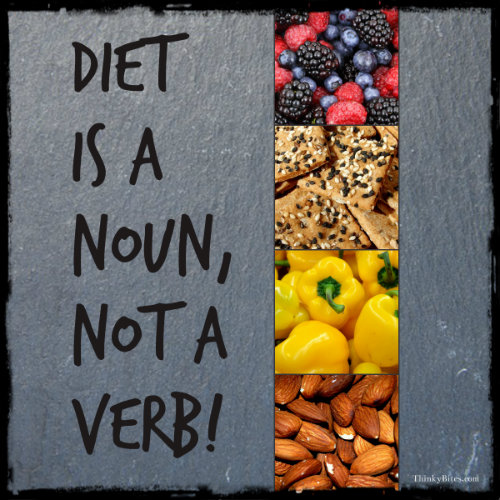
    Think of your diet as a noun, not a verb. You have a diet; you don’t “go on” or “start” a diet.
     
    Every action has a reaction and anything you start you can also stop. You’re much less likely to suddenly end your lifestyle, but you can always abruptly end a diet and undo any of the good that has been achieved.
     
    Instead of dieting to lose weight, choose lower-calorie, nutrient-dense foods that will both nourish and fuel your body. Extreme calorie restriction can ultimately lower your metabolism, as your body seeks to preserve stored calories. Deprivation can lead to frustration and bingeing.
     
    Ask yourself how the foods you’re putting into your body are serving you. Are they nourishing your body and improving your health? Are they doing your body good?
     
    All calories are not equal. Some foods are more nutritious than others. One-hundred calories of vegetables are not the same as 100 calories of chips or cookies.
     
    A healthy diet is the fuel for your exercise program. Exercise, in turn, will help you gain strength, build fitness and increase your metabolism.
     
    Improving your fitness and wellness should be the goal; weight loss may be a byproduct of that. Fitness first!
     
    Diet and exercise aren’t just about changing your body; they’re about changing your life!