Tag: diabetes

  • Know Your Health; Know Your Biomarkers

    Know Your Health; Know Your Biomarkers

    America is not a healthy nation. The US spends more on health care than any other high-income country but still has the lowest life expectancy at birth and the highest rate of people with multiple chronic diseases, according to a 2023 report from The Commonwealth Fund, an independent research group. In fact, America is ranked No. 35 out of 169 countries in terms of overall citizen health, according to the Bloomberg Healthiest Country Index. This means that 34 countries are ahead of us.

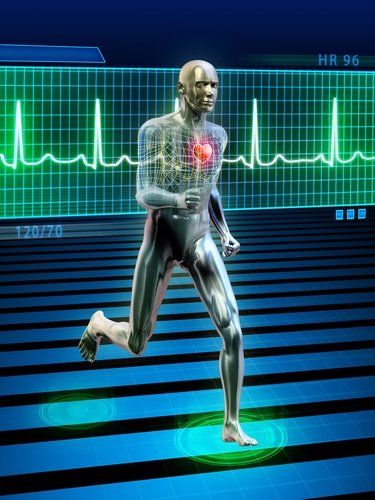
    It’s easy to see why. Nearly 60% adults in the United States have at least one chronic disease, with the most common being heart disease, cancer, diabetes, arthritis, and obesity, according to the CDC. Consequently, biomarkers — objective measures of normal or abnormal processes or conditions or diseases —really matter. These might include blood pressure, resting heart rate, blood sugar levels, cholesterol levels, and body fat percentage, for example.

    Essentially half (47%) of American adults have high blood pressure (hypertension), according to the American Heart Association. That amounts to a whopping 122.4 million people. A normal blood pressure is less than 120/80 mmHg. A blood pressure of 140/90 mmHg or more is too high. People with levels from 120/80 mmHg to 139/89 mmHg have a condition called pre-hypertension, which means they are at high risk for high blood pressure.

    Having high blood pressure puts you at risk for heart disease and stroke, which are leading causes of death in the United States. However, most people who have hypertension do not experience any symptoms. People usually discover that they have hypertension following a routine blood pressure check.

    Another all-too-common disease in the US is diabetes, which is diagnosed when a person’s A1C levels are 6.5% or higher.

    According to the CDC, 11.3% of the US population has diabetes, and 23% of adults are undiagnosed. This means that more 34% of the adult population likely has diabetes. Yet, about 90-95% of people with diabetes have type-2, which is preventable. Additionally, about 98 million American adults (more than 1 in 3) have pre-diabetes. If you get the sense that diabetes is a crisis in the US, you’re right. Having diabetes also raises the risks for other chronic conditions.

    For example, if you have diabetes, you are twice as likely to have high blood pressure. Chronic diseases are often linked.
    Diabetes is the top cause of kidney failure, causing nearly half (47%) of new cases. About 1 in 3 adults with diabetes may have kidney disease. High blood pressure is the second most common cause of kidney failure, causing 27% of new cases. In fact, 1 in 5 adults with high blood pressure may have kidney disease. Are you getting the sense that many of the most common chronic diseases are linked?

    Quite astonishingly, as many as 37 million Americans have kidney disease, meaning it affects 14% of American adults. In fact, kidney disease is the fastest-growing noncommunicable disease in the US, and it’s one of the top 10 causes of death.

    The kicker is that all of the above are preventable; it’s within our hands to heal or prevent them. But there’s more.

    High LDL (bad) cholesterol levels in the bloodstream may increase the risk of heart disease and cardiovascular events like stroke. Normal cholesterol in adults is less than 200 mg/dL; borderline high is 200 to 239 mg/dL. Yet, about 86 million US adults age 20 or older have total cholesterol levels above 200 mg/dL, according to the CDC. And nearly 25 million adults in the US have total cholesterol levels above 240 mg/dL.

    The latest data indicate that 39.6% of US adults are obese, and another 31.6% are overweight. Taken together, 71.2%, or nearly three-quarters, of American adults are either overweight or obese. This comes at a tremendous cost to our national wellbeing. Overweight and obesity may increase your risk for developing health problems, such as diabetes, heart disease, stroke, and certain cancers, according to the National Institutes of Health.

    Excess body fat is associated with high levels of LDL (bad) cholesterol and triglycerides, as well as low levels of HDL (good) cholesterol. It also impairs the body’s responsiveness to insulin, raising blood sugar and insulin levels. Excess body fat contributes to major causes of death and disability, including heart attacks, strokes, high blood pressure, cancer, diabetes, osteoarthritis, fatty liver, and depression. Yet, when it comes to health, the issue is not how much you weigh but how much abdominal fat you have. Research shows that abdominal fat is the worst of the worst because it is a major contributor to cardiovascular disease.

    Waist circumference is an indicator of the health risks associated with excess fat around the waist. A waist circumference of 40 inches or more in men, or 35 inches or more in women, is associated with health problems such as type 2 diabetes, heart disease, and high blood pressure. Ideally, everyone should aim to keep their waist measurement less than half that of their height, according to scientists. That means a 6ft (72 inch) tall man should aim to keep his waist less than 36 inches, while a 5ft 4in (64 inch) woman should keep hers under 32 inches.

    Metabolic syndrome is a cluster of conditions that increases the risk of heart disease, stroke and diabetes. Metabolic syndrome includes obesity, high blood pressure, high blood sugar, high triglycerides, and irregular cholesterol levels. The risk of metabolic syndrome increases with age, and about 1 in 3 adults have metabolic syndrome.

    Heart disease remains the leading cause of death in the US, as it has been for the past 100 years. Stroke is the fifth leading cause of death. Together, they claimed more lives in 2021 in the U.S. than all forms of cancer and chronic lower respiratory disease combined. High blood pressure, high blood cholesterol, and smoking are key risk factors for heart disease. Yet, diabetes, overweight and obesity can also put people at a higher risk for heart disease.

    The links between all of these chronic diseases is striking. Having high blood pressure puts you at risk for heart disease and stroke. If you have diabetes, you are twice as likely to have high blood pressure. Yet, people with high blood pressure usually have insulin resistance and have an increased risk of developing diabetes compared to those with normal blood pressure. So the relationship between diabetes and high blood pressure is a two-way street. Diabetes is the top cause of kidney failure. High blood pressure is the second most common cause of kidney failure. High LDL (bad) cholesterol levels in the bloodstream may increase the risk of heart disease and stroke. Overweight and obesity may increase your risk for developing a wide array health problems, such as diabetes, heart disease, stroke, and certain cancers.

    Link after link after link. The connection between chronic conditions is stark.

    Yet, being thin doesn’t necessarily mean that you’re healthy. Thin people might still have cancer, diabetes or heart disease, for example.

    Health is comprehensive and encompasses a number of factors including nutrition, exercise, sleep, stress levels, lifestyle choices, and more. Weight is just one small piece of the puzzle and should never be used as the sole indicator of overall health.

    Wellness requires us to think holistically and address all indicators of health. Obsessing and stressing over one factor, such as weight status, can stunt progress and lead to decreased mental wellbeing.

    It’s important to recognize that medical interventions contribute less than 10% to overall health. Meanwhile, nutritional status accounts for a remarkable 80%. Nutrition addresses the root causes of diseases, whereas drugs often only alleviate symptoms. What we eat really matters… a lot.

    We know that exercise certainly improves health and wellness. Yet, a staggering 80% of US adults and adolescents are insufficiently active, according to the Journal of the American Medical Association. What’s more, those leading sedentary lifestyles face a 20-30% higher risk of mortality compared to those who participate in at least 30 minutes of moderate exercise most days of the week, according to the World Health Organization.

    Numerous studies show that consistent exercise decreases the risk of cardiovascular disease, type 2 diabetes, many cancers, cognitive decline and mental illness. Meanwhile, a sedentary life is associated with an increase in cardiometabolic disease and shortened lifespans.

    While there are many reasons that people exercise, in my view it shouldn’t be about having the best butt or bigger biceps; it’s about being a happier, more fulfilled, more self-satisfied person. Everyone recognizes that exercise can change your body, but it can also change your mood, your attitude, and even your mind.

    Wellbeing is not just the absence of disease or illness. It’s a complex combination of a person’s physical, mental, emotional, and social health factors. Wellbeing is strongly linked to happiness and life satisfaction. In short, wellbeing could be described as how you feel about yourself and your life.

    Researchers agree that health-related quality of life is multi-dimensional and includes domains that are related to physical, mental, emotional and social functioning, and the social context in which people live. That said, loneliness and social disconnectedness are two of the greatest challenges of the modern era. Social isolation and loneliness are now considered demonstrated risk factors for depression and cancer. Our social connections, or lack thereof, really affect our health.

    Loneliness takes a toll on our health. It can lead to high blood pressure, and an increased risk of cardiovascular disease and stroke. Loneliness has been linked to the progression of Alzheimer’s, raising the likelihood of dementia by 40%. And it can also double the risk of Type-2 diabetes. One study found that loneliness can be as much of a long-term risk factor as smoking. As a consequence, chronically lonely people tend to have an 83% higher mortality risk than those who feel less isolated.

    Brigham Young University researchers have revealed that loneliness is deadlier than obesity and should now be considered a major public health hazard. They discovered that lonely people had a 50% increased risk of early death, compared to those with good social connections. In contrast, obesity raises the chance of dying before the age of 70 by around 30%. Humans are social animals. We need community, we need friends. While solitude may be nice sometimes, loneliness isn’t.

    Research also shows that mindset really matters when it comes to health, and it can even extend your life. A classic study found that people who were optimistic about aging lived seven and a half years longer than those who had negative perceptions of it.

    The takeaway is that our health is mostly in our own hands. We can be proactive and we can largely control our own destiny. We are not fated to ill health, even if our parents or grandparents had specific diseases. Most of the diseases that modern Americans suffer from are lifestyle disease, meaning they’re the result of the way we live and the choices we make.

    We can make better choices to improve our health, the quality of our life, and even our life expectancy. We also need to remember that stress reduction and social connection play a big role in our wellbeing. We can do better, and we must do better. Our very lives depend on it.

    It’s preferable that your doctor tells you that you look better on the inside than on the outside. Your biomarkers really matter, and you should know them.

  • Honor Your Body Clock, Create Circadian Alignment

    Honor Your Body Clock, Create Circadian Alignment

    Scientists have isolated the body-clock genes that control 24-hour light-dark circadian rhythm, and it’s now known that every cell in the body has a synchronized clock. 
     
    The 2017 Nobel Prize in Physiology and Medicine was awarded to three scientists who discovered the body clock gene and its critical role in metabolic function. In a world of 24/7 non-stop chaotic eating, relentless stress, continuous screen-gazing, sedentary lifestyle and sleep deprivation, time has become irrelevant. These constant 21st century disruptions of the powerful cellular body clock cycles (aka, circadian rhythm) are wreaking life-threatening havoc on mental and physical health, resulting in obesity, metabolic syndrome, cancer and diabetes.
     
    “We didn’t realize at the time that this clock would be represented all over the body in many different tissues and control so many different biological processes that we go through every day,” says Michael Young MD, 2017 Nobel Laureate in Medicine and Physiology. “It left us with the understanding that our whole bodies are rhythmically active.”  
     
    Circadian Alignment is when the central and peripheral clocks are aligned: bright light during daytime, sleep at night, and food intake during daytime. Circadian Misalignment is when the central and peripheral clocks are misaligned: light at night, sleep during daytime, and food intake at night.
     
    This misalignment has become normalized. According to a recent study of the eating habits of more than 34,000 U.S. adults, nearly 60 percent said it was normal for them to eat after 9 p.m. 
     
    Yet, time-restricted eating (12-16 hours of non-eating) has proven to be the best match to our circadian clocks. This means we need to eliminate nocturnal eating. We should stop eating by 6-7pm and not eat again for at least 12 hours (14 hours is the sweet spot).
     
    Our bodies have evolved to process nutrients during the day, and to conserve energy at night. The body uses energy to repair all of its systems at night, while we sleep. Disrupting that natural rhythm can cause problems.
     
    Several studies have found, for instance, that eating dinner within three hours of bedtime may worsen heartburn or acid reflux symptoms. And limited research has suggested that eating one to three hours before bedtime is associated with more disrupted sleep.
     
    The most intriguing research on late-night eating, however, has focused on its relationship with body weight and metabolic health.
     
    In one 2019 study of nearly 900 middle-aged and older U.S. adults, researchers at Brigham and Women’s Hospital in Boston found that those who consumed roughly 100 calories or more within two hours of bedtime were about 80 percent more likely to be overweight or to have obesity than those who did not eat during that window. Researchers have found similar results in adults in Sweden and Japan.
     
    And in a 2023 study of more than 850 adults in Britain, those who regularly snacked after 9 p.m. had higher levels of HbA1c, a marker for diabetes risk, and greater spikes in blood sugars and fats after daytime meals than those who did not typically consume late-night snacks.
     
    Research has also found that carbohydrates consumed in the evening result in greater blood sugar spikes than those consumed earlier in the day. That is in part because melatonin, a sleep-promoting hormone that increases in the evening, dampens the secretion of insulin, which regulates blood sugar levels. Elevated blood sugars could eventually damage blood vessels and increase the risk of developing high blood pressure and Type 2 diabetes.
     
    Research suggests that it’s best to avoid eating for three to four hours before your usual bedtime. We should be eating during an 8-12 hour window, allowing 12-16 hours for regeneration. We should also be sleeping for 7-8 hours each night. 
     
    A regular bed time is critical for your health and wellness, as is a regular waking time. Additionally, sleeping too long can affect your ability to fall asleep that night. After a good night’s sleep, most people need to be awake around 16 hours before they feel sleepy again.
     
    Going to sleep between 10:00 pm and 11:00 pm is associated with a lower risk of developing heart disease compared to earlier or later bedtimes, according to a recent study by the European Society of Cardiology. Early or late bedtimes may be more likely to disrupt the body’s circadian clock, with adverse consequences for cardiovascular health, according to the study’s authors.
     
    The incidence of cardiovascular disease was highest in those with sleep times at midnight or later (25% higher risk) and lowest in those with sleep onset from 10:00 to 10:59 pm. There was also a 24% higher risk for falling asleep before 10:00 pm. Yes, the body clock is that precise and sensitive. 
     
    Humans are not nocturnal animals; we are diurnal. We need to honor our innate body clock by eating and sleeping in a manner that naturally suits us and promotes health.
  • Why You Need to Control Glucose and Insulin Spikes

    Why You Need to Control Glucose and Insulin Spikes

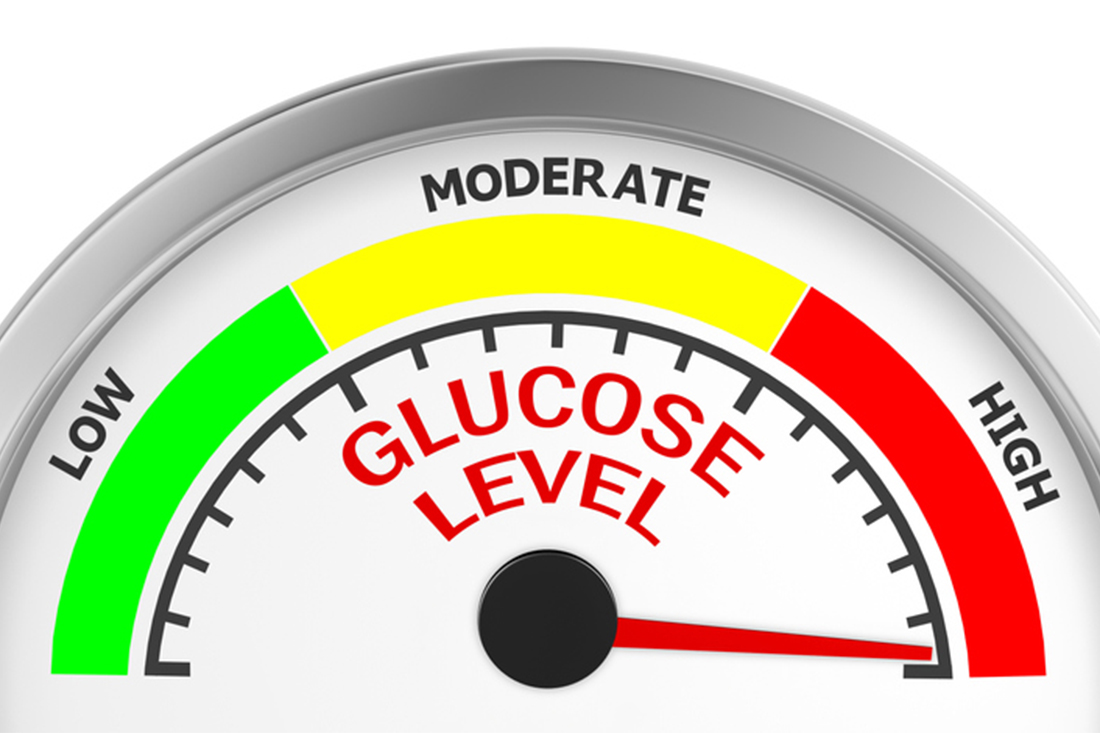
    Glucose is the main type of sugar in the blood and the major source of energy for the body’s cells. Glucose comes from the carbohydrates we eat, such as bread, potatoes and fruit. Though the body can also make glucose from fats and proteins, this process is neither rapid or efficient. Glucose is the body’s preferred fuel source and it produces ATP, which is the basic energy we need to live and function at the cellular level.

    When the body doesn’t need ingested glucose for energy, it stores it in the liver and muscles in the form of glycogen. When the body needs glucose again, it converts the glycogen back into glucose. This conversion process is designed to be a very efficient system.  

    If the amount of glucose released into your bloodstream after eating is more than your cells need and more than your liver can store as glycogen, excess glucose is stored as saturated fatty acids. This is why you may gain weight if you consume too much sugar. It should be noted that fiber and healthy fats help to slow the breakdown and release of sugar into the blood.

    The majority of glycogen is stored in skeletal muscles (∼500 g) and the liver (∼100 g). Fatigue develops during exercise when the glycogen stores are depleted in the active muscles.

    This brings us to insulin, which has a symbiotic relationship with glucose. Insulin, a hormone produced in the pancreas, moves glucose into muscle and liver cells. While both glucose and insulin are critical to normal, healthy body functions, they must remain within strict limits. Too much or too little of either can be very dangerous, even deadly. 

    Eating a large amount of high glycemic index foods, such as refined sugars and simple carbohydrates—common in the typical American diet—causes your pancreas to pump out lots of insulin to remove excess glucose from your blood. However, that exposes your cells to too much insulin, which is also damaging to your health. 

    Excess insulin in your bloodstream can affect the arteries all over your body. It causes the arterial walls to get inflamed, grow thicker than normal and more stiff, which stresses and damages your heart over time.

    This is why it’s so important to avoid the constant cycle of glucose and insulin upswings. Ultimately, the pancreas can become exhausted and produces less insulin when glucose is high. The body may even become resistant to insulin. This is what happens to people with type-2 diabetes and pre-diabetes. Insulin resistance is common in people who are overweight since they tend to eat more calories and their pancreas becomes overwhelmed.

    Stress can also cause a spike in insulin, increasing the prospects of insulin resistance. Chronic stress, whether physical or psychological, can affect your whole body. As part of the stress response, the adrenal glands pump out cortisol, the body’s main anti-stress hormone. Cortisol is released not only when you are physically stressed but also when you are psychologically stressed. 

    As your body perceives stress, your adrenal glands make and release cortisol into your bloodstream. Often called the “stress hormone,” cortisol causes an increase in your heart rate and blood pressure. Excess cortisol causes high blood pressure, aka hypertension. Higher cortisol levels are linked to an increased risk of cardiovascular events, including heart attack and stroke, according to the American Heart Association. 

    Cortisol and insulin are intimately linked, as are stress and insulin resistance. One of the main functions of cortisol is to regulate blood sugar levels. Eating too much glucose-rich food causes a spike in blood sugar, which causes a subsequent spike in insulin, which causes a subsequent crash in blood sugar levels. This roller coaster-like effect is a huge stressor on your system and triggers the release of cortisol, which raises blood sugar levels by breaking down glycogen stores and stimulating cravings for sugary foods. Thus the cycle begins again.

    Ultimately, the ups and downs of blood sugar result in the ups and downs of insulin and cortisol. This tumultuous process exhausts both the pancreas and the adrenal glands.

    Reducing or managing psychological stress will not only help your adrenal glands recover, but can also help with reducing insulin resistance.

    One way to help assure healthy adrenal function is to adhere to a diet that is low in sugar, caffeine and junk food, as well as following a healthy sleep schedule. 

    Aside from limiting simple sugars and refined carbohydrates, the best way to manage your glucose levels is through exercise.

    Your body’s ability to uptake glucose and store it as glycogen (glycogen synthesis) is increased after exercise. The reduced glycogen stores in skeletal muscles after exercise allow carbohydrates to be stored as muscle glycogen. 

    Ultimately, the reduction of glycogen in skeletal muscle after exercise allows a healthy storage of carbohydrates after meals and helps prevent the development of type-2 diabetes. 

    Exercise improves insulin sensitivity in both healthy people and insulin-resistant people. Moreover, the risk for development of type-2 diabetes is reduced by regular exercise.

    Exercise offers three means to remove glucose from the blood: 

    1. Exercise uses lots of glucose for fuel. 
    2. Skeletal muscle is large and, therefore, serves as a significant reservoir for glycogen storage (80% of the glycogen is stored in skeletal muscles). 
    3. Exercise increases the glycogen storage capacity in skeletal muscles. More muscle, more storage.

    To recap, the keys are to avoid reactionary spikes in glucose, insulin and cortisol are: 

    1. Reduce your intake of simple sugars and refined carbohydrates 
    2. Exercise moderately every day
    3. Utilize proven methods to reduce stress (i.e., meditation, yoga, time in nature, etc.) 

    We can’t control everything, but we have the ability to control our food intake, the hormones affected by it, and our activity level.

  • Sugar: The Biggest Dietary Threat to Your Health

    Sugar: The Biggest Dietary Threat to Your Health

    For decades, Americans were warned to reduce their fat and cholesterol intake in order to prevent heart disease, the nation’s No. 1 killer of both men and women. However, it is now known that sugar is the greater threat to our national health.
     
    The link between sugar and heart disease was purposefully obscured for decades. In 1964, after studies began linking sugar with heart disease, the Sugar Association (a sugar industry trade group) began funding research that cast doubt on sugar’s role in heart disease, in part by pointing the finger at fat.
     
    First, we should note the difference between naturally occurring sugar and added sugar, which is the real threat.
     
    Sugar occurs naturally in all foods that contain carbohydrates, such as fruits and vegetables, grains and dairy. Consuming whole foods that contain naturally occurring sugar is okay. Plant foods also have high amounts of fiber, essential vitamins, minerals and antioxidants, and dairy foods contain protein and calcium.
     
    Since your body digests these foods slowly, the sugar in them offers a steady supply of energy to your cells. A high intake of fruits, vegetables, and whole grains also has been shown to reduce the risk of chronic diseases, such as diabetes, heart disease, and some cancers.
     
    However, problems occur when you consume too much added sugar — that is, the sugar food manufacturers add to their products to increase flavor and/or extend shelf life. The added sugar in our food is generally regular table sugar (sucrose) and high-fructose corn syrup (a mix of fructose and glucose).
     
    Remarkably, sugar is the most popular ingredient added to foods in the US. In fact, about 80% of all sugar found in US foods has been added by the food industry. The top sources of sugar in the American diet are soft drinks, fruit drinks, flavored yogurts, cereals, cookies, cakes, candy, and other processed foods. 
     
    Yet, added sugar is also present in items you may not think of as sweetened, such as soups, cured meats, and ketchup. Yes, sugar isn’t merely found in sweets; it’s also added to many other processed foods, such as crackers, breads, peanut butter, and salad dressings. In fact, most processed foods contain sugar.
     
    While you might not think you’re eating much sugar, chances are you’re eating a lot more than you realize. Added sugar lurks in nearly 70% of packaged foods and is found in many sauces, snacks, most breakfast foods, and even many so-called ‘health foods’.
     
    The result: we consume way too much added sugar.
     
    Today, the average American consumes 66 pounds of added sugar each year, according to government data. That’s more than one pound of sugar each week!
     
    This is of great concern since too much added sugar is among the greatest threats to cardiovascular disease. Eating and drinking too many added sugars can also contribute to other health problems, such as type-2 diabetes and obesity. 
     
    “Sugar is actually more addictive than even cocaine, so it is probably the most consumed addictive substance around the world and it is wreaking havoc on our health,” says cardiovascular researcher James DiNicolantonio.
     
    Sugar’s impact on heart health has long been researched by Dr. Frank Hu, professor of nutrition at the Harvard T.H. Chan School of Public Health.
     
    In a study published in 2014 in JAMA Internal Medicine, Dr. Hu and his colleagues found an association between a high-sugar diet and a greater risk of dying from heart disease. Over the course of the 15-year study, people who got 17% to 21% of their calories from added sugar had a 38% higher risk of dying from cardiovascular disease compared with those who consumed 8% of their calories as added sugar.
     
    “Basically, the higher the intake of added sugar, the higher the risk for heart disease,” says Dr. Hu.
     
    High amounts of sugar overload the liver, potentially leading to fatty liver disease, a contributor to diabetes, which also raises your risk for heart disease.
     
    Consuming too much added sugar can also raise blood pressure and increase chronic inflammation, both of which are pathological pathways to heart disease.
     
    “The effects of added sugar intake — higher blood pressure, inflammation, weight gain, diabetes, and fatty liver disease — are all linked to an increased risk for heart attack and stroke,” says Dr. Hu.
     
    Diabetes has reached epidemic proportions in the US. It kills more Americans each year than AIDS and breast cancer combined, according to the American Diabetes Association.
     
    More than 100 million US adults are now living with diabetes or pre-diabetes, according to a 2017 CDC report. Pre-diabetes is a condition that, if not treated, often leads to type-2 diabetes within five years. Despite the fact that more than a third of US adults have pre-diabetes, the majority don’t know it, says the CDC.
     
    Even a relatively small amount of sugar can do a lot of damage to your health. People who add 150 calories of sugar to their daily diet — from sources such as a 12-ounce can of Coke or an ounce of M&Ms — have 10 times greater risk of developing diabetes.
     
    Additionally, people who consume a diet high in fructose risk damaging their immune systems, a new study suggests. The study shows that fructose, which is commonly found in sugary drinks, sweets and processed foods, causes the immune system to become inflamed.
     
    Furthermore, researchers say that consuming too much added sugar (as well as artificial sweetener, fast foods, fried foods, processed foods, and alcohol) can harm your gut microbiome.
     
    The American Heart Association (AHA) has long suggested that men consume no more than nine teaspoons (36 grams) of added sugar per day. That’s close to the amount in a 12-ounce can of soda. Women are advised to limit added sugars to no more than six teaspoons a day (24 grams).
     
    However, the average American still eats about 17 teaspoons (19 for men, 15 for women) of added sugar a day, according to the CDC. That’s about double the recommended limit for men (nine teaspoons) and two-and-a-half times the limit for women (six teaspoons). This doesn’t include the sugars that occur naturally in foods like fruit or dairy products.
     
    In other words, American adults consume an average of 77 grams of added sugar per day. Again, that’s more than two times the recommended amount for men and two-and-a-half times the recommended amount for women. 
     
    Recognizing the problem, the AHA now recommends that sugar intake be limited to less than 6% of daily calories, and the Dietary Guidelines Advisory Committee agrees.
     
    Yet, roughly 90% of Americans still get more than 10% of daily calories from sugar, and the top 10% of sugar-consumers ingest a whopping 40% of their calories from sugar!
     
    Beverages are the leading source of added sugars, accounting for 47% of the total. Examples of sugary beverages include regular soda, fruit drinks, sports drinks, energy drinks, sweetened waters, and coffee and tea beverages with added sugars.
     
    The US ranks third in the world in sales of sugary drinks. In 2013, the average American drank just over 38 gallons of soda a year — or about eight 12-ounce cans a week. 
     
    Reading food labels is one of the best ways to monitor your intake of added sugar. Total sugar, which includes added sugar, is often listed in grams. Note the number of grams of sugar per serving as well as the total number of servings. The package might only say 5 grams of sugar per serving, but if the normal amount is three or four servings, you can easily consume 20 grams of sugar. That’s a lot of added sugar.
     
    By simply being more aware, you can substantially reduce the amount of added sugar in your diet. It would certainly be worth your while.
  • The Benefits of Intermittent Fasting

    The Benefits of Intermittent Fasting

    A lack of sleep may be a big contributor to America’s considerable weight problem.
     
    The National Sleep Foundation (NSF) recommends 7-9 hours of sleep each night for adults, ages 18-64. Yet, more than a third of American adults are not getting enough sleep on a regular basis, according to a CDC study.
     
    Sleeping less than seven hours per day is associated with an increased risk of developing chronic conditions such as obesity, diabetes, high blood pressure, heart disease, stroke and frequent mental distress, according to the CDC.
     
    The hunger hormones leptin and ghrelin have gotten a lot of attention in recent years. Though you may have heard of them, you may not be familiar with their functions.
     
    Think of the ‘l’ in leptin standing for lose. Leptin suppresses appetite and therefore contributes to weight loss. Think of the ‘g’ in ghrelin standing for gain. Ghrelin is a fast-acting hormone that increases hunger and leads to weight gain.
     
    When you’re sleep deprived, research shows, ghrelin levels surge while leptin plummets. The result is an increase in hunger.
     
    The key to reducing your nighttime cravings is to get more sleep; 7-9 hours.
     
    Another key to successful weight loss technique is intermittent fasting or time-restricted eating.
     
    Recent research shows the benefits of intermittent fasting, and those who have tried it often view it as a sustainable, long-term solution.
     
    In the simplest form, intermittent fasting would amount to 12 hours on and 12 hours off. For example, food can be eaten only between 7am and 7pm or 8am and 8pm.
     
    However, research shows that the sweet spot seems to be 10 hours on and 14 hours off. For example, eating only from 9am to 7pm, and then fasting until 9am the next day.
     
    Some intermittent-fasting proponents use only an eight-hour feeding window, with 16 hours of continual fasting each day. For example, eating meals between 12pm and 8pm each day, and fasting at all other times.
     
    This helps to thwart any late-night snacking habits.
     
    The benefit of time-restricted eating is that it allows you to naturally reduce your food intake without counting calories. That’s preferable to most people.
     
    Ultimately, intermittent fasting is about the “when” of eating, not the “what” or “how much.”
     
    Some researchers believe that the rise of later nighttime eating may have thrown off our evolutionary circadian rhythm, the 24-hour cycle that governs the physiological processes of humans and most other living beings, which may be contributing significantly to increases in obesity.
     
    Some studies suggest that by honoring the circadian rhythm and restricting feeding primarily to the daylight hours, we can improve our health and prevent disease.
     
    Fasting allows us to eat in harmony with our circadian rhythm. Circadian rhythms — which determine the sleeping and feeding patterns of all animals, including humans — can be modulated by external cues, such as sunlight.
     
    However, living in the 21st Century has disrupted our circadian rhythms. There is so much artificial light at night that the mind can confuse it with daytime. We also spend an exceptional amount of time (up to 12 hours a day) in front of screens (TVs, computers, tablets and smart phones) that emit blue light, which stimulates the retinal nerves and brain.
     
    21st Century adults spend, on average, 87%-93% of our 24-hours indoors and less than 5% of hours outdoors during the day. This light-dark rhythm disruption leads to less daytime alertness, and promotes depression (especially in older adults) and ADHD.
     
    This has resulted in circadian misalignment, in which our central and peripheral clocks are out of synch. Examples: too much light at night, sleep during daytime and food intake at night.
     
    Time-restricted feeding (12-16 hours of non-feeding) has proven to be the best match to our circadian clocks. The key is to eliminating nocturnal eating. The health benefits of time-restricted feeding double every extra hour of non-feeding time beyond 12 hours, up to 16 hours.
     
    While it is certainly wise to eat a variety of whole foods with high-quality sources of protein, fat and carbohydrate, timing may be the most crucial element when it comes to our eating habits.
     
    Another key is mindfulness. Being a more conscious (mindful) eater also helps you make healthier decisions during your eating window each day, so that you have adequate protein, fiber and water in your diet.
     
    In one study (by Dr. Satchidananda Panda, PhD), participants who adjusted their feeding time from their typical 14–15 hours down to 10 hours not only shed an average of 4% of their body weight, but also reported significantly improved energy levels and more satisfying sleep. Most remarkably, they ate their normal foods and didn’t change their exercise habits.
     
    Choosing to commit to intermittent fasting is easier if you do it with your partner/spouse or family. Any lifestyle change made in conjuncture with someone you live with can make a big difference. It creates a support system and can help keep you accountable.
     
    At the least, focus on getting 7-9 hours of sleep each night and eliminate nighttime snacking. However, you may want to try intermittent fasting / time-restricted eating for about a month to see how it works for you.
     
    It’s not very challenging. I do it and it’s made a difference for me. In fact, I highly recommend it.
  • Here’s Why You Should Supplement Your Diet With Psyllium

    Here’s Why You Should Supplement Your Diet With Psyllium

    The most recent edition of the Dietary Guidelines for Americans recommends that adults consume 1.5-2.0 cups of fruit per day and 2-3 cups of vegetables per day.
     
    However, about 90 percent of Americans don’t eat enough fruits and vegetables, according to a 2017 CDC report. Specifically, just 12.2 percent of American adults are meeting the recommendation for fruit and only 9.3 percent are meeting the recommendation for vegetables.
     
    Aside from being packed with valuable nutrients and phytochemicals (helpful chemical compounds produced by plants), fruits and veggies are also packed with fiber, which aids digestion and can help treat digestive problems. Fiber also helps prevent constipation and can reduce cholesterol levels. Adequate fiber intake may even help protect against heart disease, type 2 diabetes and some forms of cancer.
     
    The national fiber recommendations are 30 to 38 grams a day for men between 18 and 50 years old, and 25 grams a day for women of the same age range. However, most of us are falling far short. The average American consumes a mere 14 grams, meaning many of us eat even less than that.
     
    A great way to increase your daily fiber intake is by supplementing your diet with psyllium, a natural, water-soluble fiber made from the husks of the Plantago ovata plant. Psyllium can aid our health in each of the following ways:
     
    • Lowering cholesterol
    • Improving digestion
    • Eliminating toxins and heavy metals (psyllium acts like a sponge, soaking them off the walls of the intestine)
    • Slowing the production of blood glucose during digestion
    • Encouraging the growth of healthy intestinal bacteria
     
    For all these reasons, psyllium is a highly valuable dietary supplement. Here’s more detail on each of the above:
     
    Being a soluble fiber, psyllium is able to pass through your digestive system without being completely broken down or absorbed. Instead, it absorbs water and becomes a gel-like substance that slows down the rate at which the stomach empties. As a result, psyllium tends to slow the movement of food through the digestive tract. Since fiber-rich foods take longer to digest, they result in an increased feeling of fullness and satiety. Consequently, psyllium can aid weight loss by reducing the amount of food consumed during meals.
     
    In addition, a more gradual absorption slows the entrance of glucose into the blood stream, thereby preventing large blood glucose and insulin spikes. For this reason, psyllium helps control blood sugar levels, which is particularly helpful to diabetics. It’s recommended that you take psyllium with food, rather than on its own, so it has a greater effect on your blood sugar levels.
     
    Psyllium has also been shown to help lower blood cholesterol. Soluble fiber binds to bile salts in the gastrointestinal (GI) tract, causing them to be excreted as part of our fecal matter, rather than being re-absorbed by the colon, as they usually are. Since blood cholesterol is needed to make bile, the body must pull more cholesterol out of our blood to make more bile and replace what was lost. This ultimately lowers the amount of cholesterol in our bloodstream.
     
    Additionally, psyllium also helps with constipation and diarrhea, and perhaps even benefits blood pressure, according to research.
     
    Psyllium is a bulk-forming laxative that also softens stools, which means it makes bowel movements much easier. Quite simply, psyllium promotes regularity and overall digestive health, which matters to millions of people.
     
    A total of 60 to 70 million Americans are affected by digestive diseases, according to the National Institute of Health. This means one in five Americans suffers some type of digestive illness. That’s because the modern American diet is so unhealthy. For example, the top sources of calories in the US are grain-based desserts, including cakes, cookies, donuts, pies, crisps, cobblers and granola bars. Americans also consume copious amounts of sodas, candy, potato chips and pizza.
     
    Having a healthy gut is vital to our overall health. Psyllium encourages the growth of healthful, “friendly” intestinal bacteria, such as Lactobacillus acidophilous and bifidobacteria.
     
    These are among the healthy or “good” bacteria in your GI tract that keep your entire digestive system at its peak, while boosting the health of your immune system. In fact, 80% of your immune system lives within your digestive tract and, obviously, a healthy immune system is vital to your overall well-being.
     
    It is crucial for us to maintain a healthy ratio of “good” to “other” bacteria in our GI tract for optimal health. A healthy and balanced digestive system even helps you better regulate your weight.
     
    The good bacteria in your GI tract need good nutrition to flourish. Dietary fiber can make a huge difference by feeding these good bacteria, allowing them to grow and proliferate. While the less-than-desirable bacteria like to eat refined sugars and fats, beneficial bacteria love to feed on fiber, such as psyllium.
     
    The average recommended dosage for psyllium is about one or two tablespoons with meals, once or twice daily. However, I suggest starting with a lower dose and gradually working up to this level. A tall glass of water should be taken with each dose.
     
    The most common brand of psyllium is Metamucil, which has added sugar and ascorbic acid. There are also 100% pure psyllium versions available, without added sugar, which you can find at any health food store. You may find that finely ground, powdered psyllium, which can be mixed with either water or juice, is easiest to drink.
     
    It should be noted that Metamucil is different from Citrucel, which is made from man-made cellulose fiber. Citrucel is merely a fiber laxative and does not offer the same health benefits of psyllium.
     
    So, there are many good reasons to add psyllium to your diet regimen: it’s all natural, inexpensive, easy to take and has a multitude of health benefits. Ultimately, psyllium is one of the very best supplements to include in your daily diet.
  • Don’t Fall Prey to Sitting Disease!

    Don’t Fall Prey to Sitting Disease!


    The Benefits of Standing vs Sitting

    The Mayo Clinic conducted a 10-year, $20 million research study on nutrition, activity and behavior related to weight management and obesity prevention.
     
    The research determined that sedentary environments are a primary contributor to the rise in obesity that increases health costs and takes a toll on quality of life.
     
    This research supported the value of N.E.A.T. (Non-Exercise Activity Thermogenesis), which is all the calories one burns while doing normal, non-exercise activity.
     
    Much of our health depends upon adequate, regular movement. In fact, all movement counts toward our health, and non-exercise activity is crucial. Our bodies were designed to move and when we don’t, our physical health deteriorates.
     
    One culprit driving the obesity epidemic is “sitting disease.” Most of us spend 10-15 hours a day just sitting!
     
    No matter how much you exercise, sitting for excessively long periods of time is a risk factor for early death, according to a 2017 study in Annals of Internal Medicine.
     
    There’s a direct relationship between time spent sitting and your risk of early mortality of any cause, researchers said, based on a study of nearly 8,000 adults. As your total sitting time increases, so does your risk of an early death.
     
    The positive news: people who sat for less than 30 minutes at a time had the lowest risk of early death.
     
    Replacing a few hours of sitting at your desk with standing can lead to significant health benefits over time. In addition to the cardiovascular and musculoskeletal benefits, there is also a significant difference in calories burned.
     
    A study by the BBC and the University of Chester found remarkable health benefits of standing versus sitting. Standing caused participants to have a much higher heart rate (around 10 beats per minute higher), which adds up to burning about 50 calories more per hour versus sitting. Over a year, that adds up to about 30,000 more calories or 8 pounds of fat.
     
    There are many documented benefits of standing, such as reducing your risk of type 2 diabetes, cardiovascular disease, certain types of cancer and back pain.
     
    The general rule is to not sit more than 30 minutes without standing or getting up and moving. Set an alarm on your watch, phone or computer to remind you to get up after you’ve been sitting for 30 minutes. Move around or walk for five minutes to help reduce the health risks from all that sitting.
     
    Get in Motion. Stay in Motion.
  • Regular Exercise Can Help Insulin Resistance and Type 2 Diabetes

    Regular Exercise Can Help Insulin Resistance and Type 2 Diabetes

    According to the American Diabetes Association (ADA), diabetes is a growing epidemic. The prevalence of diagnosed diabetes in the U.S. increased by 382% from 1988 to 2014.

    The organization says urgent action is needed because, as of 2015, more than 30 million American children and adults now have diabetes, and another 84 million Americans are at high risk of developing the disease (pre-diabetic).
     
    Each year, an additional 1.5 million Americans are diagnosed with diabetes and the expense is burdensome. As of 2012, the total annual diabetes-related costs had reached $245 billion.
     
    Since 1987, the death rate from diabetes has increased by 45% while the death rates from cancer, heart disease, and stroke have all declined. Diabetes kills more Americans every year than AIDS and breast cancer combined.
     
    Two out of every three people with diabetes will die from heart disease or stroke. If current trends continue, one-third of all children born in the United States (and half of all minority children) will face a future with diabetes.
     
    People who suffer from diabetes have a disorder in which their blood sugar (glucose) levels rise higher than normal. Insulin helps keeps your blood sugar level from getting too high (hyperglycemia) or too low (hypoglycemia).
     
    While those with Type 2 diabetes — the most common form of the disease — can produce insulin, they cannot use it properly. This is called insulin resistance. Over time, their pancreas isn’t able to make enough insulin to keep their blood glucose at normal levels.
     
    When glucose builds up in the blood instead of going into cells, the cells are unable to store energy. Glucose is the body’s primary, and most efficient, energy source. The long term problem for diabetics is that high blood glucose levels can harm the eyes, kidneys, nerves and even the heart.
     
    Some things can increase the chances for developing Type 2 diabetes, such as high blood pressure (even if it’s treated and under control), low HDL (“good”) cholesterol and high triglycerides (blood fats).
     
    The “Diabesity” epidemic (obesity and Type 2 diabetes) is likely to be the biggest epidemic in human history, according to a research paper titled, “Clinical Diabetes and Endocrinology,” which was published in 2017.
     
    This month, the Centers for Disease Control and Prevention found that almost 40 percent of American adults and nearly 20 percent of adolescents are obese — the highest rates ever recorded for the U.S. More than 70 percent of Americans are either overweight or obese, meaning that an unhealthy weight has become the norm.
     
    Being overweight or obese can cause insulin resistance, especially if you carry your extra pounds around the middle. Remarkably, more than 85% of people with Type 2 diabetes are overweight or obese, according to the CDC. Dropping just 7% to 10% of your weight can cut your risk of Type 2 diabetes in half.
     
    Exercise can help with weight loss/management and insulin resistance, as well as treating Type 2 diabetes. That’s because active muscles feed on glucose. During exercise, the active muscles use up glucose as a source of energy. So, regular physical activity helps to prevent glucose from building up in your blood.
     
    Consequently, regular exercise can help prevent or delay Type 2 diabetes from developing. Frequent physical activity improves your body’s sensitivity to insulin and helps manage your blood glucose levels.
     
    Exercise makes insulin more effective for those who are insulin resistant. In other words, insulin resistance goes down when you exercise, and your cells can use the glucose more effectively.
     
    Exercise can also help people with Type 2 diabetes avoid long-term complications, especially heart problems. People with diabetes are susceptible to developing blocked arteries (atherosclerosis), which can lead to a heart attack. Exercise helps keep your heart healthy and strong. Plus, exercise helps you maintain good cholesterol, which helps you avoid atherosclerosis.
     
    Research links resistance training with improved insulin sensitivity among people with diabetes and pre-diabetes. During a bout of resistance training, your muscles rapidly use glucose and this energy consumption continues even after you’ve finished exercising. For anyone at risk for metabolic conditions, such as Type 2 diabetes — as well as high blood pressure, unhealthy cholesterol levels and other symptoms of metabolic syndrome — strength training is among the most-effective remedies.
     
    To improve overall cardiovascular health, the American Heart Association, the Surgeon General and the CDC all suggest at least 150 minutes per week of moderate-intensity exercise, or 75 minutes a week of vigorous-intensity exercise, or an equivalent combination of both. The easiest way to think of it is 30 minutes per day, at least five days per week.
     
    The important thing is to find activities that you enjoy. Then get in motion and stay in motion.
  • Exercise Can Help Prevent and Treat High Blood Pressure

    Exercise Can Help Prevent and Treat High Blood Pressure

    Hypertension (aka, high blood pressure) is an epidemic in the United States, with nearly half of us affected by it.

    For decades, high blood pressure has been determined by a top reading of at least 140 and/or a bottom one of 90.
     
    However, a dozen medical groups have now dropped the threshold to 120 over 80.  Under these new guidelines, 46 percent of American adults have high blood pressure, according to the American Heart Association (AHA).
     
    The change has tripled the number of men under 45 and doubled the number of women under 45 with the diagnosis.
     
    Hypertension quietly damages blood vessels and leads to serious health problems. Left untreated, hypertension increases the risk of heart disease and stroke, which are the No. 1 and No. 5 causes of death in the US.
     
    Aside from heart attack/failure and stroke, high blood pressure can also lead to vision loss, kidney disease or failure, peripheral artery disease and sexual dysfunction.
     
    Symptoms of high blood pressure include dizziness, blurred/double vision, headache and neck pain. Some people also experience drowsiness and difficulty breathing. These problems often arise when the blood pressure is too high.
     
    However, since high blood pressure is a largely symptomless disease, millions of people are unaware that they have the condition. This is why hypertension is referred to as the “silent killer.” Many people with high blood pressure don’t even know they have it, according to the AHA.
     
    The only way to know if you have high blood pressure is to have your blood pressure tested. Though you can test your blood pressure at home with a store-bought arm cuff/monitor, a diagnosis of high blood pressure must be confirmed by a medical professional.
     
    Your blood pressure is recorded as two numbers. Systolic blood pressure (the upper number) indicates how much pressure your blood is exerting against your artery walls when your heart beats. Diastolic blood pressure (the lower number) indicates how much pressure your blood is exerting against your artery walls while your heart is resting between beats. These numbers measure millimeters of mercury, shown as mm Hg.
     
    Health professionals generally pay more attention to systolic blood pressure (the top number) as a major risk factor for cardiovascular disease for people over 50. In most people, systolic blood pressure rises steadily with age due to the increasing stiffness of large arteries, the long-term build-up of plaque and an increased incidence of cardiac and vascular disease.
     
    However, according to the AHA, elevated systolic or diastolic blood pressure alone may be used to make a diagnosis of high blood pressure. And, according to recent studies, the risk of death from ischemic heart disease and stroke doubles with every 20 mm Hg increase in systolic pressure or 10 mm Hg increase in diastolic pressure among people from age 40 to 89.
     
    The guidelines set new categories and get rid of “prehypertension”:
     
    • Normal: Under 120 / 80
     
    • Elevated: Top number 120-129 and bottom less than 80
     
    • Hypertension Stage 1: Top of 130-139 or bottom of 80-89
     
    • Hypertension Stage 2: Top at least 140 or bottom at least 90
     
    These new guidelines mean that 46 percent of U.S. adults have high pressure (stages 1 or 2).
     
    High blood pressure interacts with other major risk factors, such as diabetes and high levels of cholesterol, to amplify the risk of heart attack and stroke. Treatment for hypertension must begin early to prevent organ damage.
     
    High blood pressure develops slowly over time and can progressively worsen with age. Roughly half the people with untreated hypertension die of heart disease related to poor blood flow (ischemic heart disease) and another third die of stroke, according to the Mayo Clinic.
     
    While there is no cure for hypertension, changes in lifestyle can help you lower your blood pressure and keep it down.
     
    Remember that drinking more than moderate amounts of alcohol can raise blood pressure by several points, while also reducing the effectiveness of blood pressure medications.
     
    Using tobacco can also cause your blood pressure to increase and can contribute to damaged arteries. Too much stress may also contribute to increased blood pressure.
     
    Carrying too much weight puts an extra strain on your heart and circulatory system, which can cause serious health problems. Excess weight also increases your risk of cardiovascular disease, diabetes and high blood pressure. Losing just 10 pounds can help reduce your blood pressure.
     
    Maintain a healthy weight by eating a nutritious diet, rich in whole grains, fruits, vegetables and low-fat dairy products, but low in salt, saturated fat and cholesterol.
     
    Consistent exercise is also vital to lowering blood pressure and maintaining good health. Physical activity not only helps control high blood pressure and manage your weight, it also helps you strengthen your heart and lower your stress level. A healthy weight, a strong heart and general emotional health are all good for your blood pressure.
     
    Regular physical activity makes your heart stronger. If your heart works less to pump blood, the force on your arteries decreases, lowering your blood pressure. Exercise also lowers blood pressure by alleviating blood vessel stiffness so that blood flows more freely. Regular exercise can lower your systolic blood pressure by an average of 4 to 9 millimeters of mercury (mm Hg).
     
    On the other hand, inadequate physical activity increases your risk of developing high blood pressure. It can’t be overstated that physical activity is great for your heart and circulatory system, including blood pressure. It’s important to be consistent because if you stop exercising, your blood pressure can rise again.
     
    If you have slightly high blood pressure (prehypertension), exercise can help you avoid developing full-blown hypertension. If you already have hypertension, regular physical activity can bring your blood pressure down to safer levels.
     
    To improve overall cardiovascular health, the American Heart Association, the Surgeon General and the CDC all suggest at least 150 minutes per week of moderate-intensity exercise, or 75 minutes a week of vigorous-intensity exercise, or an equivalent combination of both. The easiest way to think of it is 30 minutes per day, at least five days per week.
     
    The best types of exercise for lowering blood pressure include walking, jogging, cycling, swimming or even dancing. Strength training can also help reduce blood pressure.
     
    The important thing is to find activities that you enjoy. Then get in motion and stay in motion.