Tag: GetInMotion

  • Wash Your Hands Before Leaving Gym to Prevent Illness

    Wash Your Hands Before Leaving Gym to Prevent Illness


    You go to the gym to be fit and healthy. However, gyms are breeding grounds for germs that can make you sick and unhealthy.
     
    Because so many people handle things such as free weights, weight machines, exercise balls, etc., this equipment is often rife with bugs and viruses that can lead to colds, flu and other infections.
     
    Exercise equipment, including exercise mats, can also hold microbes that may cause skin infections, athlete’s foot and even hepatitis A.
     
    For example, norovirus, which causes stomach pain, vomiting, and diarrhea, can survive for a month on the surface of exercise machines.
     
    There are even cases of MRSA, an antibiotic-resistant bacteria that can lead to dangerous skin infections, being found on gym equipment.
     
    That’s not all.
     
    Fungi and bacteria — such as E. coli, staph and fecal matter, as well as vaginal yeast — have all been detected at gyms across the country.
     
    If that wasn’t bad enough, streptococcus — which causes various illnesses, from strep throat, to pink eye, to meningitis and bacterial pneumonia — can survive on doorknobs and other surfaces, such as sweaty exercise equipment.
     
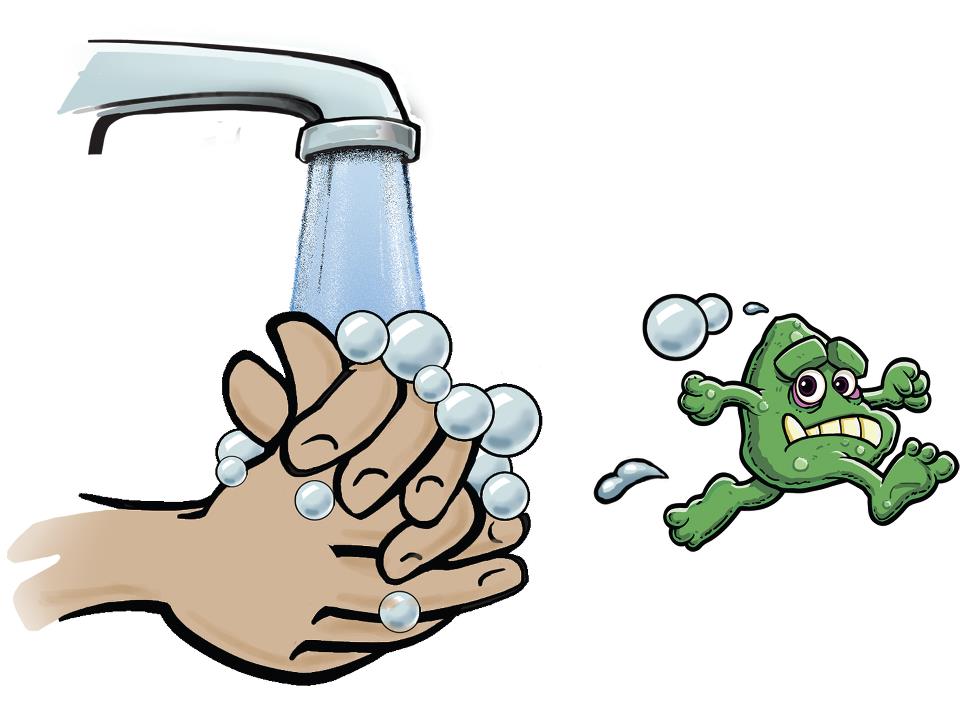
    The simple solution to avoid getting sick is to wash your hands before and after your workout. Touching your eyes, nose or mouth with unwashed hands at the gym, or after leaving, is a surefire way to invite sickness.
     
    Just touching your steering wheel with unwashed hands after leaving the gym can transfer bacteria that may survive there for weeks, increasing your chances for infection even when you haven’t recently been to the gym.
     
    If you shower at the gym, always wear flip-flops to avoid athletes’ foot (a foot fungus caused by candida) and plantar warts, which are caused by the HP virus.
     
    The key is not to be paranoid and to avoid the gym, but to instead be aware and cautious. Thoroughly washing your hands is a very simple, preventative measure. Just do it.
  • Sleep Vital to Muscle Recovery, Muscle Growth and Weight Management

    Sleep Vital to Muscle Recovery, Muscle Growth and Weight Management


    Since we were children, we’ve all heard the advice that we should get eight hours of sleep each night. With 24 hours in a day, that amounts to a third of the day and, ultimately, a third of our lives.
     
    Unfortunately, most of us are missing the mark.
     
    The National Sleep Foundation recommends 7-9 hours of sleep per night. However, it says that around 40 percent of us get less than 7 hours. Moreover, a survey by Gallup finds that Americans currently average 6.8 hours of sleep at night, down more than an hour from 1942.
     
    Life has gotten faster and more hectic at the expense of our sleep and, ultimately, our health.
     
    Scientists are still discovering the myriad of reasons we need sleep and just how valuable it is. For example, in studies on rats deprived of sleep for just five days, the end result was death. Sleep was found to be as essential as food because the rats died just about as quickly from sleep deprivation as from food deprivation.
     
    For athletes and exercise enthusiasts, sleep is vital to athletic performance, as well as muscle growth and recovery.
     
    Protein synthesis occurs when we sleep, provided that protein is ingested prior to sleep. This is why it’s useful to eat some protein, or drink a protein shake, before bed.
     
    Sleep is also the time when our bodies produce growth hormone. In men, 60% to 70% of daily growth hormone secretion occurs during the early stages of sleep, which is typically when the deepest sleep cycles occur. Consequently, poor quality sleep can negatively effect human growth hormone levels.
     
    Additionally, the total amount of growth hormone secreted by men in their 30s and 40s deceases significantly, meaning that sleep becomes even more vital as we age.
     
    Yet, sleep is vital at every age. Research shows that sleep deprivation in otherwise healthy young men can result in decreased testosterone levels and increased spikes of cortisol, a stress hormone.
     
    Furthermore, lean muscle is regenerated in the final couple of hours of sleep each night. During REM (late-stage) sleep, the body undergoes several critical processes, including: restoring organs, bones and other tissues; replenishing immune cells; and circulating human growth hormone. For these reasons, sleep has a significant effect on muscle growth and recovery.
     
    Research shows that being sleep-deprived can actually encourage loss of muscle mass and hinder muscle recovery after a tough workout. Ultimately, sleep is vital in order for the body to grow and repair muscle.
     
    Then there’s the issue of weight management.
     
    Research shows that people who don’t sleep for 7-8 hours a night are more prone to weight gain.
     
    When you’re sleep deprived, leptin (the hormone that signals satiety) falls, while ghrelin (which signals hunger) rises. This combination leads to an increase in appetite. Additionally, sleep deprivation tends to lead to food cravings, particularly for sweet and starchy foods.
     
    Researchers have suggested that these sugar cravings stem from the fact that your brain is fueled by glucose (blood sugar). Therefore, when you lack sleep your brain is unable to properly respond to insulin (which drives glucose into brain cells), so it becomes desperate for carbohydrates to keep going. If you’re chronically sleep deprived, consistently giving in to these sugar cravings will virtually guarantee that you’ll gain weight.
     
    Getting too little sleep also dramatically decreases the sensitivity of your insulin receptors, which will raise your insulin levels. This, too, is a surefire way to gain weight, as the insulin will seriously impair your body’s ability to burn and digest fat. Getting proper sleep is therefore crucial for maintaining a healthy weight.
     
    Several large-scale studies from all over the world have reported a link between short sleep times and obesity, as well as heart disease, high blood pressure and stroke. This indicates that we are not biologically designed for sleep deprivation. In fact, other than humans, there is no other mammal that deprives itself of sleep. This deprivation puts great stress on the mind and body.
     
    Sleep deprived subjects are found to be hungrier, less alert and, most importantly, unable to metabolize sugar effectively, putting them at increased risk for Type 2 diabetes. In one study, in which sleep was restricted to four hours per night for six nights, the subjects ended up in a pre-diabetic state. Consequently, in addition to aging, overweight/obesity and family history, sleep deprivation may be a new risk factor for diabetes.
     
    Research indicates that, aside from proper diet and exercise, sleep must now be viewed as essential to good health. Ultimately, lack of sleep impacts our appetite, our metabolism, our memory and even how we age.
     
    The good news is that napping can help too. Brand new research is showing that long naps, including REM sleep, can even improve emotional outlook, making people less sensitive to negative experiences and more receptive to positive ones.
     
    So, make sure you get about eight hours of restful sleep each night, and don’t worry about sleeping a third of your life away.
     
    Go on, get some sleep.
  • Don’t Obsess on Weight Loss; Consider all the Benefits of Exercise

    Don’t Obsess on Weight Loss; Consider all the Benefits of Exercise


    Exercise and diet are critical to good health, not just weight loss.

    When I entered the fitness profession many years ago, my aim was to work with people on developing and improving their fitness levels. What I didn’t anticipate was that people would seek out my expertise to help them lose weight.
     
    After all, there are 168 hours in a week and a personal trainer might see his/her clients for all of 1-3 hours per week. There’s a whole lot of time when our clients are not accountable to us.
     
    We typically aren’t with our clients for grocery shopping, meal preparation, portion control, or to encourage them to skip the seconds, the snacks, the beer, the wine and the dessert.
     
    In retrospect, it’s not that surprising that so many people consult a personal trainer to achieve weight loss.
     
    In October, the Centers for Disease Control and Prevention reported that almost 40 percent of American adults and nearly 20 percent of adolescents are obese — the highest rates ever recorded for the US.
     
    In all, more than 70 percent of Americans are either overweight or obese, meaning that an unhealthy weight has become the norm, with healthy-weight Americans — who have a BMI of less than 25 — now in the minority.
     
    Many people who are overweight have been so for many years — most of their lives, perhaps.
     
    Obesity often runs in families, and not just for genetic reasons. Families often share the same eating and exercise patterns. Kids don’t do grocery shopping; they eat whatever mom/dad buys and prepares. Consequently, poor eating habits are often inherited. And if parents are sedentary and dislike exercise, there’s a good chance that their kids will follow this same pattern or lifestyle.
     
    The opposite is also true. Parents who are healthy weight often buy healthy foods and prepare healthy meals for their families. For these people, vegetables aren’t an oddity or an occasional, small side dish and French fries aren’t the only vegetable in their diets. Additionally, parents who exercise regularly will typically encourage and promote exercise to their children.
     
    There can be no overstating the emotional component in being overweight or obese. Food is often used as a reward, a soothing comfort, an antidote to boredom or in an act of self-loathing or self-sabotage. Food is even used to stuff down or coverup feelings that one would rather not confront. In short, people with weight issues may eat for reasons other than just hunger.
     
    For some individuals, there may genetic, metabolic or other health-related factors involved in weight gain. But for most people, it’s just a matter of too many calories being consumed and too few being burned.
     
    Most Americans simply eat too much relative to their activity level. Most people also lead sedentary lifestyles, sitting all day at work and all night at home.
     
    Weight loss can only be achieved by modifying energy intake, energy expenditure or both. To lose weight, you must create a negative energy balance. Since working out is all about energy expenditure, this is the part which you’ll directly work with your personal trainer.
     
    Additionally, portion sizes are enormous compared to what was considered normal a half-century ago, or at any time other time in history. Consequently, plates are much bigger now too. Restaurant plates now look like serving platters. But even the plates we use at home are much bigger than those of our grandparents. I look at my grandmother’s china and laugh — everything looks so small compared to our modern dish ware.
     
    In short, portions matter — a lot. Try cutting them in half. Additionally, using a smaller plate will make it look full, while holding less volume.
     
    Another thing that causes people to overeat is watching television at meal times. This causes them to become distracted and to lose sight of how much they’re consuming. Turn off the TV and eat at the kitchen table or in the dining room. Enjoy some conversation and slow down the process of eating.
     
    Sleep problems, such as sleep apnea or insomnia, can also lead to weight gain, or present a greater challenge to weight loss. Even if you don’t have a medical problem that is affecting your sleep, make sure you give yourself 7-9 hours per night, as recommended by the National Sleep Foundation. Proper rest can make a difference in maintaining a healthy weight.
     
    Exercise is vital to good health and it’s important to remember that weight loss isn’t the only goal. Those of us with an ideal body weight still need to consistently exercise our cardiovascular systems to keep them strong and healthy.
     
    Consider all of the benefits of exercise, aside from weight loss:
     
    – lower blood pressure
    – increased level of good cholesterol (HDL)
    – leaner, stronger muscles
    – stronger bones
    – more energy
    – improved mood
    – better sleep
    – stress management
     
    Maintaining good health should be the primary reason you eat well and exercise often.
     
    About half of all American adults—117 million individuals—have one or more preventable chronic diseases, many of which are related to poor quality eating patterns and physical inactivity. These diseases include cardiovascular disease, high blood pressure, Type-2 diabetes, some cancers and poor bone health.
     
    Being physically active can help prevent heart disease and stroke, the nation’s No. 1 and No. 5 killers.
     
    To improve overall cardiovascular health, the American Heart Association (AHA) suggests at least 150 minutes per week of moderate exercise or 75 minutes per week of vigorous exercise (or a combination of moderate and vigorous activity).
     
    Thirty minutes a day, five times a week is an easy goal to remember. You will also experience benefits even if you divide your time into two or three segments of 10 to 15 minutes per day.
     
    For people who need to lower their blood pressure or cholesterol, the AHA recommends 40 minutes of aerobic exercise of moderate to vigorous intensity, three to four times a week, to lower the risk for heart attack and stroke.
     
    Ultimately, your workout program can be the best healthcare plan you ever have. Think of it as your health insurance plan — one that will inexpensively ensure your health and wellness.
     
    Regular exercise results in health and wellness. Fitness equals good health. In other words, fitness is health care. On the other hand, going to the doctor is sick care. Investing in your health is the best investment you’ll ever make. The old saying is true: an ounce of prevention is worth a pound of cure.
     
    A healthy diet and consistent exercise go hand in hand. They are two sides of the same coin.
     
    Healthy eating means maximizing the nutrients you put into your body. It will strengthen your immune system, thereby helping to prevent disease, not to mention manage weight. Lastly, healthy eating will also help you perform better. What you put in is what you’ll get out. Your body is a high-performance machine, so treat it like one.
     
    If good overall health is not enough motivation and you are still preoccupied with weight loss, here’s how strength/resistance training will help:
     
    Resting metabolic rate (RMR) is the amount of energy expended by the body at rest and accounts for about 70% of daily energy expenditure. Resistance training may significantly increase RMR by increasing muscle mass. That’s because muscle mass alone contributes about 22% to RMR.
     
    An increase in RMR can have a significant impact on total energy expenditure and the creation of a negative energy balance. This increase in RMR is especially important when you consider that RMR is generally depressed during caloric restriction, such as when individuals are dieting.
     
    In effect, strength training results in a trade off — fat mass for muscle mass.
     
    Resistance exercise can help maintain muscle mass and RMR during diet-induced weight loss. Without resistance exercise, body fat is lost, but muscle mass is also significantly wasted. That is counter-productive since it ultimately results in a reduction in RMR.
     
    Weight loss will eventually come in time, as long as you are eating healthily and exercising regularly. But remember, weight loss is just one of the many benefits you will derive from living this healthy lifestyle.
  • Making Exercise a Habit

    Making Exercise a Habit

    It’s said that old habits are hard to break and new habits are hard to form. This is especially true with exercise. If you are not in the habit of exercising, maintaining that habit is effortless. To begin the habit of exercising, however, takes a lot of resolve, determination and effort.

    The behavioral patterns that are most often repeated become etched into our neural pathways. For this same reason, the process of repetition allows us to form—and maintain—new habits.
     
    Behaviors eventually become routine, which is what happens for people who exercise regularly. For these people, going to the gym or for a run, for example, become routine behaviors, which in time become habits.
     
    Habits are typically governed by reward. In essence, a habit is something your brain likes. Exercise makes people feel good physically and emotionally. After exercising, people usually feel accomplished and proud. Exercise can make you feel that you’ve done something constructive and beneficial for yourself.
     
    The more consistent an action is, the more likely it is to become a habit. This means that exercising every day is more likely to result in habit formation.
     
    One useful idea is to schedule your exercise for a given time each day, as you would with a personal trainer. Accountability is critical to maintaining your schedule and forming a habit.
     
    If you are planning to begin exercising, start modestly. Don’t take on too much, too soon. In other words, don’t set yourself up for failure. Make it easy for yourself to repeat the behavior. Don’t make exercise so strenuous in the initial stages that it gives you good reason not to do it. Make it easy enough that you set yourself up to succeed. Exercise can become progressively more challenging, or difficult, over time.
     
    Don’t become obsessed with results. Just exercising is the only result you should focus on in the beginning. Don’t concern yourself with high intensities or long durations at the outset. The only result that you should be concerned with at the outset is making exercise habitual.
     
    If your goal is to lose weight, don’t obsess on that. Consider the myriad of health benefits that result from exercise; weight loss is merely one of them, even if it comes slowly.
     
    Be aware of any progress that you’re making. Do your clothes fit better? Can you lift heavier weights? Is your endurance or stamina improving? Are you sleeping better? Do you have more energy? Are your muscles becoming less sore after you’ve been working out for a while?
     
    If you’re a morning person, work out in the morning. Stay true to your nature. If you’re not a morning person, don’t try to force yourself to be one. However, if you plan to exercise after work, bring your gear and go straight to the gym. Don’t go home first because it can only give you reasons to stay home and not work out at all.
     
    Alternating your workouts each day between different exercises (running, swimming, biking and strength training, for example) can be invigorating and motivational. At the least, it can fight boredom and repetition. We’ve all heard the saying, variety is the spice of life. So, spice things up by varying your workouts.
     
    Missing a workout does not mean you have broken the habit formation process or that you have ruined your momentum or rhythm. If you miss a day, don’t go on a guilt trip. Just get going again the next day.
     
    The oft-cited assertion that it takes 21 days to form a habit comes from Dr. Maxwell Maltz’s 1960 best-selling book “Psycho-Cybernetics.” Maltz, who noticed that patients tended to grow accustomed to their surgical outcomes in about 21 days, wrote that, “… it requires a minimum of about 21 days for an old mental image to dissolve and a new one to jell.”
     
    Since then, the 21-day adjustment period has been continually repeated as fact. In reality, Maltz wrote that it took a minimum of 21 days for people to adjust. Yet, research suggests that it usually takes significantly longer than that.
     
    For example, in a 2009 European Journal of Social Psychology study, researchers asked 96 people to attempt to forge a single healthy habit.
     
    They found that it took participants anywhere from 18 to a whopping 254 days to fully form their habit of choice; exactly how long it took depended on how big or lifestyle-changing the habit was. However, the researchers concluded that, on average, it takes 66 days to form a single healthy habit.
     
    So, if you can stick to your exercise plan for roughly two months, your consistent behavior should become engrained as habit.
     
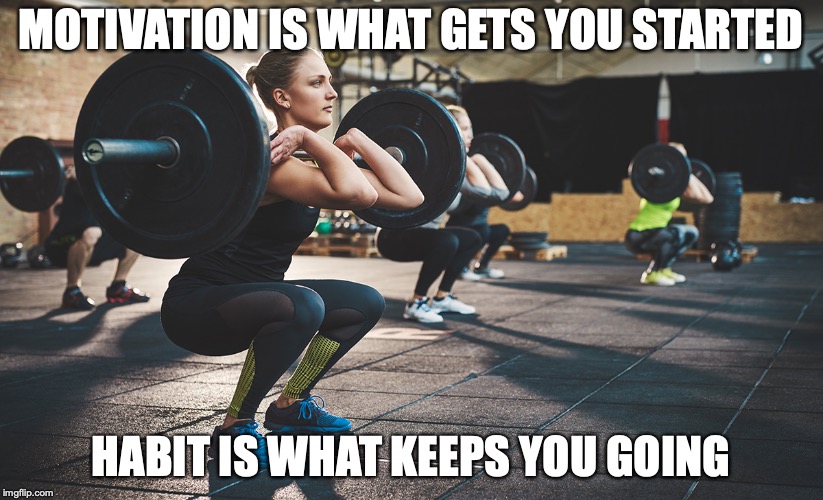
    Remember this: Motivation is what gets you started. Habit is what keeps you going.
     
    The beauty of habits is that they hold up even when motivation wanes, according to a scientific review from the University College London’s Health Behaviour Research Centre.
     
    Newton’s law of motion is a good metaphor for the habit of exercise:
     
    “An object at rest stays at rest and an object in motion stays in motion.”
  • Exercise Can Strengthen and Protect Your Arteries

    Exercise Can Strengthen and Protect Your Arteries


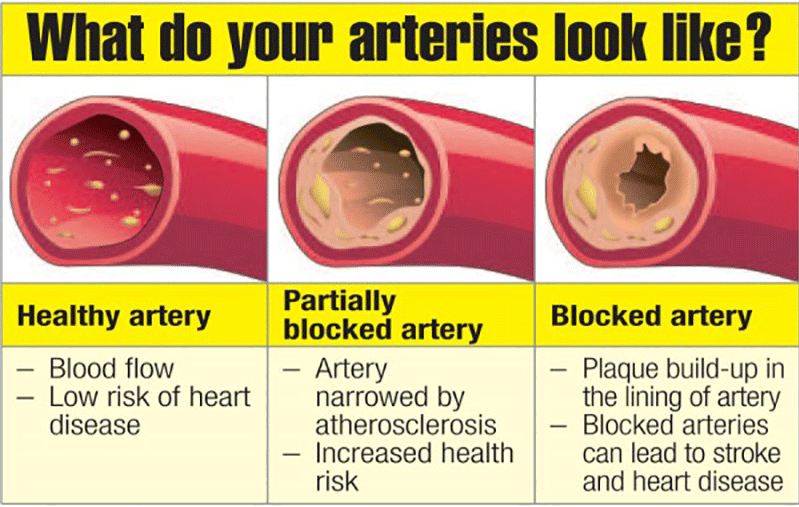
    Through time and neglect (such as smoking and not exercising, for example), your arteries can become clogged, brittle and otherwise damaged. Healthy arteries are flexible and elastic, which help them to push blood to and from the heart. However, over time, the walls in your arteries can become rigid and inflexible, which is known as hardening of the arteries.
     
    Arteriosclerosis occurs when arteries become thick and stiff, which can restrict blood flow to your organs and tissues.
     
    Atherosclerosis refers to the buildup of plaques — such as fats, cholesterol, calcium and other substances in and on your artery walls — which can also restrict blood flow. These plaques can trigger blood clots. Consequently, atherosclerosis can lead to serious problems, including heart attack, stroke, or even death.
     
    Atherosclerosis may start with damage or injury inside an artery, which can be caused by high blood pressure, high cholesterol, high triglycerides, diabetes and smoking. Blood cells and plaques can lump together at the injury site, building up inside the artery. This causes the arteries to harden and narrow, restricting blood flow.
     
    The good news is that atherosclerosis is treatable and may even be preventable. Exercise, a healthy diet and weight management can all treat atherosclerosis and help prevent it. Of course, exercise is known to aid weight loss, but it has numerous additional benefits for the heart and arteries, as well.
     
    As you age, your arteries become stiffer, stickier and narrower. But scientists in Italy found that in people who exercised regularly, age had a much smaller effect on their arteries.
     
    Exercise keeps arteries healthy by lowering bad cholesterol and boosting good cholesterol. Regular low or moderate-intensity exercise can reduce levels of LDL (bad) cholesterol and fat in your blood and arteries. More intense levels of exercise can raise HDL (good) cholesterol, which protects your heart.
     
    Exercise also reduces other risk factors for atherosclerosis and blood clots, such as high blood pressure, diabetes, obesity and stress.
     
    Additionally, exercise has been shown to reduce inflammation in the arteries and to help keep blood vessels flexible and open. Flexible arteries are elastic and able to stretch, allowing more blood to flow when it’s needed.
     
    This enables your body to maintain its blood pressure level at normal levels, even during exercise or stressful events, which eases the pressure on your cardiovascular system.
     
    The American Heart Association and the Centers for Disease Control and Prevention recommend at least 30 minutes of moderately intense exercise almost every day to make sure that your body remains healthy.
     
    Find exercises that you enjoy and then commit to a long term, regular program. Whatever you do, just get in motion and stay in motion.
  • Regular Exercise Can Help Insulin Resistance and Type 2 Diabetes

    Regular Exercise Can Help Insulin Resistance and Type 2 Diabetes

    According to the American Diabetes Association (ADA), diabetes is a growing epidemic. The prevalence of diagnosed diabetes in the U.S. increased by 382% from 1988 to 2014.

    The organization says urgent action is needed because, as of 2015, more than 30 million American children and adults now have diabetes, and another 84 million Americans are at high risk of developing the disease (pre-diabetic).
     
    Each year, an additional 1.5 million Americans are diagnosed with diabetes and the expense is burdensome. As of 2012, the total annual diabetes-related costs had reached $245 billion.
     
    Since 1987, the death rate from diabetes has increased by 45% while the death rates from cancer, heart disease, and stroke have all declined. Diabetes kills more Americans every year than AIDS and breast cancer combined.
     
    Two out of every three people with diabetes will die from heart disease or stroke. If current trends continue, one-third of all children born in the United States (and half of all minority children) will face a future with diabetes.
     
    People who suffer from diabetes have a disorder in which their blood sugar (glucose) levels rise higher than normal. Insulin helps keeps your blood sugar level from getting too high (hyperglycemia) or too low (hypoglycemia).
     
    While those with Type 2 diabetes — the most common form of the disease — can produce insulin, they cannot use it properly. This is called insulin resistance. Over time, their pancreas isn’t able to make enough insulin to keep their blood glucose at normal levels.
     
    When glucose builds up in the blood instead of going into cells, the cells are unable to store energy. Glucose is the body’s primary, and most efficient, energy source. The long term problem for diabetics is that high blood glucose levels can harm the eyes, kidneys, nerves and even the heart.
     
    Some things can increase the chances for developing Type 2 diabetes, such as high blood pressure (even if it’s treated and under control), low HDL (“good”) cholesterol and high triglycerides (blood fats).
     
    The “Diabesity” epidemic (obesity and Type 2 diabetes) is likely to be the biggest epidemic in human history, according to a research paper titled, “Clinical Diabetes and Endocrinology,” which was published in 2017.
     
    This month, the Centers for Disease Control and Prevention found that almost 40 percent of American adults and nearly 20 percent of adolescents are obese — the highest rates ever recorded for the U.S. More than 70 percent of Americans are either overweight or obese, meaning that an unhealthy weight has become the norm.
     
    Being overweight or obese can cause insulin resistance, especially if you carry your extra pounds around the middle. Remarkably, more than 85% of people with Type 2 diabetes are overweight or obese, according to the CDC. Dropping just 7% to 10% of your weight can cut your risk of Type 2 diabetes in half.
     
    Exercise can help with weight loss/management and insulin resistance, as well as treating Type 2 diabetes. That’s because active muscles feed on glucose. During exercise, the active muscles use up glucose as a source of energy. So, regular physical activity helps to prevent glucose from building up in your blood.
     
    Consequently, regular exercise can help prevent or delay Type 2 diabetes from developing. Frequent physical activity improves your body’s sensitivity to insulin and helps manage your blood glucose levels.
     
    Exercise makes insulin more effective for those who are insulin resistant. In other words, insulin resistance goes down when you exercise, and your cells can use the glucose more effectively.
     
    Exercise can also help people with Type 2 diabetes avoid long-term complications, especially heart problems. People with diabetes are susceptible to developing blocked arteries (atherosclerosis), which can lead to a heart attack. Exercise helps keep your heart healthy and strong. Plus, exercise helps you maintain good cholesterol, which helps you avoid atherosclerosis.
     
    Research links resistance training with improved insulin sensitivity among people with diabetes and pre-diabetes. During a bout of resistance training, your muscles rapidly use glucose and this energy consumption continues even after you’ve finished exercising. For anyone at risk for metabolic conditions, such as Type 2 diabetes — as well as high blood pressure, unhealthy cholesterol levels and other symptoms of metabolic syndrome — strength training is among the most-effective remedies.
     
    To improve overall cardiovascular health, the American Heart Association, the Surgeon General and the CDC all suggest at least 150 minutes per week of moderate-intensity exercise, or 75 minutes a week of vigorous-intensity exercise, or an equivalent combination of both. The easiest way to think of it is 30 minutes per day, at least five days per week.
     
    The important thing is to find activities that you enjoy. Then get in motion and stay in motion.
  • Exercise Can Help Prevent and Treat High Blood Pressure

    Exercise Can Help Prevent and Treat High Blood Pressure

    Hypertension (aka, high blood pressure) is an epidemic in the United States, with nearly half of us affected by it.

    For decades, high blood pressure has been determined by a top reading of at least 140 and/or a bottom one of 90.
     
    However, a dozen medical groups have now dropped the threshold to 120 over 80.  Under these new guidelines, 46 percent of American adults have high blood pressure, according to the American Heart Association (AHA).
     
    The change has tripled the number of men under 45 and doubled the number of women under 45 with the diagnosis.
     
    Hypertension quietly damages blood vessels and leads to serious health problems. Left untreated, hypertension increases the risk of heart disease and stroke, which are the No. 1 and No. 5 causes of death in the US.
     
    Aside from heart attack/failure and stroke, high blood pressure can also lead to vision loss, kidney disease or failure, peripheral artery disease and sexual dysfunction.
     
    Symptoms of high blood pressure include dizziness, blurred/double vision, headache and neck pain. Some people also experience drowsiness and difficulty breathing. These problems often arise when the blood pressure is too high.
     
    However, since high blood pressure is a largely symptomless disease, millions of people are unaware that they have the condition. This is why hypertension is referred to as the “silent killer.” Many people with high blood pressure don’t even know they have it, according to the AHA.
     
    The only way to know if you have high blood pressure is to have your blood pressure tested. Though you can test your blood pressure at home with a store-bought arm cuff/monitor, a diagnosis of high blood pressure must be confirmed by a medical professional.
     
    Your blood pressure is recorded as two numbers. Systolic blood pressure (the upper number) indicates how much pressure your blood is exerting against your artery walls when your heart beats. Diastolic blood pressure (the lower number) indicates how much pressure your blood is exerting against your artery walls while your heart is resting between beats. These numbers measure millimeters of mercury, shown as mm Hg.
     
    Health professionals generally pay more attention to systolic blood pressure (the top number) as a major risk factor for cardiovascular disease for people over 50. In most people, systolic blood pressure rises steadily with age due to the increasing stiffness of large arteries, the long-term build-up of plaque and an increased incidence of cardiac and vascular disease.
     
    However, according to the AHA, elevated systolic or diastolic blood pressure alone may be used to make a diagnosis of high blood pressure. And, according to recent studies, the risk of death from ischemic heart disease and stroke doubles with every 20 mm Hg increase in systolic pressure or 10 mm Hg increase in diastolic pressure among people from age 40 to 89.
     
    The guidelines set new categories and get rid of “prehypertension”:
     
    • Normal: Under 120 / 80
     
    • Elevated: Top number 120-129 and bottom less than 80
     
    • Hypertension Stage 1: Top of 130-139 or bottom of 80-89
     
    • Hypertension Stage 2: Top at least 140 or bottom at least 90
     
    These new guidelines mean that 46 percent of U.S. adults have high pressure (stages 1 or 2).
     
    High blood pressure interacts with other major risk factors, such as diabetes and high levels of cholesterol, to amplify the risk of heart attack and stroke. Treatment for hypertension must begin early to prevent organ damage.
     
    High blood pressure develops slowly over time and can progressively worsen with age. Roughly half the people with untreated hypertension die of heart disease related to poor blood flow (ischemic heart disease) and another third die of stroke, according to the Mayo Clinic.
     
    While there is no cure for hypertension, changes in lifestyle can help you lower your blood pressure and keep it down.
     
    Remember that drinking more than moderate amounts of alcohol can raise blood pressure by several points, while also reducing the effectiveness of blood pressure medications.
     
    Using tobacco can also cause your blood pressure to increase and can contribute to damaged arteries. Too much stress may also contribute to increased blood pressure.
     
    Carrying too much weight puts an extra strain on your heart and circulatory system, which can cause serious health problems. Excess weight also increases your risk of cardiovascular disease, diabetes and high blood pressure. Losing just 10 pounds can help reduce your blood pressure.
     
    Maintain a healthy weight by eating a nutritious diet, rich in whole grains, fruits, vegetables and low-fat dairy products, but low in salt, saturated fat and cholesterol.
     
    Consistent exercise is also vital to lowering blood pressure and maintaining good health. Physical activity not only helps control high blood pressure and manage your weight, it also helps you strengthen your heart and lower your stress level. A healthy weight, a strong heart and general emotional health are all good for your blood pressure.
     
    Regular physical activity makes your heart stronger. If your heart works less to pump blood, the force on your arteries decreases, lowering your blood pressure. Exercise also lowers blood pressure by alleviating blood vessel stiffness so that blood flows more freely. Regular exercise can lower your systolic blood pressure by an average of 4 to 9 millimeters of mercury (mm Hg).
     
    On the other hand, inadequate physical activity increases your risk of developing high blood pressure. It can’t be overstated that physical activity is great for your heart and circulatory system, including blood pressure. It’s important to be consistent because if you stop exercising, your blood pressure can rise again.
     
    If you have slightly high blood pressure (prehypertension), exercise can help you avoid developing full-blown hypertension. If you already have hypertension, regular physical activity can bring your blood pressure down to safer levels.
     
    To improve overall cardiovascular health, the American Heart Association, the Surgeon General and the CDC all suggest at least 150 minutes per week of moderate-intensity exercise, or 75 minutes a week of vigorous-intensity exercise, or an equivalent combination of both. The easiest way to think of it is 30 minutes per day, at least five days per week.
     
    The best types of exercise for lowering blood pressure include walking, jogging, cycling, swimming or even dancing. Strength training can also help reduce blood pressure.
     
    The important thing is to find activities that you enjoy. Then get in motion and stay in motion.
  • What are Your Resting, Maximum and Target Exercise Heart Rates?

    What are Your Resting, Maximum and Target Exercise Heart Rates?

    People often ask me what a normal heart rate is. In adults, resting heart rate ranges from 60 to 100 beats per minute (BPM). Heart rate varies with age, the amount of physical activity a person engages (fitness level) and/or the presence of heart disease.
     
    Generally, a lower heart rate at rest implies more efficient heart function and better cardiovascular fitness. For example, a well-trained athlete might have a resting heart rate closer to 40 BPM.
     
    Regular exercise improves the heart’s ability to pump the same amount of blood with less effort, which naturally decreases the resting heart rate.
     
    A sedentary adult may have a resting heart rate of 70 to 80 BPM, while an adult who performs regular physical activity might have a resting heart rate of 50 to 60 BPM.
     
    The following table shows the normal resting heart rate for men:
      
    between 18 and 25 years between 26 and 35 years between 36 and 45 years
    Excellent 49-55 bpm 49-54 bpm 54-59 bpm
    Good 57-61 bpm 57-61 bpm 60 to 62 bpm
    Below average 71 to 73 bpm 72 to 74 bpm 73-76 bpm

    The following table shows the normal resting heart rate for women:

    between 18 and 25 years between 26 and 35 years between 36 and 45 years
    Excellent 54 to 60 bpm 54-59 bpm 54-59 bpm
    Good 61 to 56 bpm 60 to 64 bpm 62 to 64 bpm
    Below average 74 to 78 bpm 75 to 76 bpm 74 to 78 bpm
    Your maximum heart rate (MHR) is genetically fixed and declines over time, as you age. It does not change as you become more or less fit.
     
    Maximum heart rate does not determine your fitness level; being able to sustain your MHR for longer and longer periods does.
     
    Only a highly motivated and very fit individual is able to reach their maximum heart rate while exercising, and even they can only do it for for a couple of minutes at a time — tops. These individuals have the ability to tolerate great discomfort and even pain.
     
    An untrained, unfit individual may find that basic tasks, such as walking, are highly taxing. These people are unfamiliar with the notion of exercising at, or near, maximum heart rate. As a result, they may find that exercising at even 75 percent of maximum is very strenuous and might confuse that with their maximum.
     
    A fit person is able to tolerate longer periods of exercise at their maximum heart rate than an unfit person, and he/she also requires a higher intensity of exercise to achieve their MHR than an unfit person.
     
    So, how do you calculate your maximum heart rate? The equation that has long been used is 220 – age = maximum heart rate (MHR). However, that formula has long been known to be inaccurate since it was derived from young athletes, who do not represent the general population. A revised formula for MHR is 208 – 0.7 (age).
     
    For example:
     
    • The MHR a 30-year-old is 208 – 0.7 x 30 = 187 beats per minute.
     
    • The MHR for a 40-year-old is 208 – 0.7 x 40 = 180 beats per minute.
     
    • The MHR for a 50-year-old is 208 – 0.7 x 50 = 173 beats per minute.
    Determining your target training heart rate also varies according to age and fitness level. Most people will exercise at a target heart rate that ranges from 50 percent to 85 percent of their maximum heart rate.
     
    For example, if you want to exercise at 80 percent of your maximum heart rate, multiply your maximum by .80. For a 40-year-old, the target heart rate would be 180 x .80, or 144 beats per minute.
     
    The American Heart Association and the Centers for Disease Control and Prevention recommend the following target heart rate guidelines:
     
    • Moderate exercise intensity: 50 to 70 percent of your maximum heart rate
    • Vigorous exercise intensity: 70 to 85 percent of your maximum heart rate

    The American College of Sports Medicine provides its own guidelines: 


    • Beginners — 50 to 65 percent of maximum heart rate
    • Intermediate level exercisers — 60 to 75 percent of maximum heart rate
    • Established aerobic exercisers — 70 to 85 percent of maximum heart rate
    It should be noted that maximum heart rate is a predicted number and many people (more than 40 percent of patients, according to one cardiologist, who spoke to the NY Times) can get their heart rates to more than 100 percent of their predicted maximum. Some people’s maximum heart rate can be as much as 15 to 20 beats per minute higher than the predicted maximum.
     
    Using a heart rate monitor (which has become quite prevalent) is a great way to gauge your heart rate while exercising.
     
    If you don’t have a heart monitor, you can simply use Rated Perceived Exertion. The RPE scale, which ranges from 0 – 10, is used to measure the intensity of your exercise.
     
    For example, 0 equates to no exertion at all, or how you feel when sitting in a chair; 10 is very, very intense, or how you feel at the end of an exercise stress test or after a very strenuous activity.
     
    The Cleveland Clinic offers this explanation:
     
    2 – Light
    3 – Moderate
    4 – Somewhat heavy
    5 – Heavy
    6 – Heavy 
    7 – Very heavy
     
    In most cases, you should exercise at a level perceived as 3 (moderate) to 4 (somewhat heavy). If you’re doing interval training, an RPE of at least 7 would be appropriate. 
     
    No matter what you do or how you measure it…. Get in Motion. Stay in Motion.
  • Proper Hydration Vital to Good Health and Exercise

    Proper Hydration Vital to Good Health and Exercise

    Water is your body’s principal chemical component and constitutes about 60 percent of your body weight. Every system in your body depends on water. Lack of water can lead to dehydration, which prevents your body from carrying out normal functions. Even mild dehydration can drain your energy, create fatigue and even cause headaches and nausea.

    Your ability to perform exercise can decline with a very small amount of dehydration. Losing just 2% of your body weight in fluid can decrease performance by up to 25%.
     
    Adults produce an average of about 1 – 2 liters of urine per day, depending on their state of hydration, activity level, environmental factors, weight and the individual’s health. But we lose water in more ways than one.
     
    In addition to urine, we are constantly losing water through sweat and even breathing. Since the body excretes water to maintain body temperature, we lose even more when we exercise.
     
    Sweating is a primary means of thermoregulation, since the evaporation of sweat from the skin has a cooling effect. Hence, in hot weather, or when your muscles heat up due to exertion/exercise, more sweat is produced. All of that water must be replaced.
     
    The volume of water lost in sweat daily is highly variable, ranging from 100 milliliters to 8 liters per day. Maximum sweat rates of an adult can be up to 2-4 liters per hour or 10-14 liters per day. However, during average intensity exercise, sweat loss can average up to 2 liters of water per hour.
     
    So how much water do you need to consume to offset these losses?
     
    The Institute of Medicine says adult men actually need about 13 cups (3 liters) of fluid per day, while adult women need about 9 cups (2.2 liters) of fluid (you get about an additional 2 1/2 cups of fluid from foods). The bigger you are, the more water you need. And if you exercise, you need even more water.
     
    In the summertime, or if you live in a warm climate, you’ll also need to drink more water than the recommended amount. That’s because heat can make you sweat more and lose fluids faster.
     
    Monitor your urine color will tell you how hydrated you are. Lighter urine color means you’re generally well-hydrated. If it’s darker, you are most likely dehydrated.
     
    Older adults are more likely to become dehydrated because their sense of thirst declines. Pregnant women and nursing mothers need slightly more water. Additionally, some medications, such as antihistamines and certain antidepressants, increase your fluid needs too.
     
    Alcohol, particularly at high doses, can cause you to excrete more than you consume. One drink, especially of beer, won’t do much (it’s about 92 percent water), but wine and hard liquor have more of a dehydrating effect because of their higher alcohol content.
     
    It’s not only important to drink water during your workout, but also before your workout. You must pre-hydrate to prepare for exercise. The reality is that it’s important to drink water before, during and after your workout. If you start out dehydrated, you won’t have a good workout. You’ll feel lethargic and perhaps even dizzy. Your body simply won’t function well.
     
    If you are well hydrated, you’ll feel stronger and will be able to work out longer and more effectively. That’s because the heart doesn’t have to work as hard to pump blood through the body.
     
    So, how much water do you need before and during exercise? Follow this formula:
     
    • One to two hours before your workout, drink 16 to 20 ounces of water
     
    • 15 minutes before you begin, drink between 8 and 10 ounces of water
     
    • During your workout, drink another 8 ounces every 15 minutes.
     
    If you hydrate accordingly, you’ll get so much more from your exercise, and you’ll be safer too.
  • For Exercisers, Prepare & Repair

    For Exercisers, Prepare & Repair

    Diet and nutrition are the critical counterpoints to a regular exercise program. Both proteins and carbohydrates are essential for preparing for your workouts, as well as for recovering from them.
     
    To feed the rigorous demands of working out, you need to prepare your body for exercise and then repair it from the associated stresses. Proteins and carbs provide both the fuel that drives you during your workouts, as well as the building blocks that help you recover.
     
    If you don’t eat before exercise, you won’t have adequate fuel to get you through an intense workout. Instead, you’ll feel tired and weak and have limited endurance. That’s because complex carbs provide the energy that fuels muscle contractions.
     
    Carbohydrates are broken down by the body into glucose, which is used as energy. Any glucose not immediately used is stored in the muscles and the liver, in the form of glycogen.
     
    Glycogen is the source of energy most often used for exercise. Because it is immediately accessible, glycogen is used for any short, intense bouts of exercise, from sprinting to weight lifting. Glycogen also supplies energy during the first few minutes of any sport. Though fat helps to fuel activity during long, slow-duration exercise, glycogen is still needed to help break down the fat into something the muscles can use.
     
    Adequate carbohydrate intake also helps prevent protein from being used as energy. If the body doesn’t have enough carbohydrate, protein is broken down to make glucose for energy. That’s undesirable because proteins are the building blocks for muscles, bones and other vital tissues.
     
    Though carbohydrates are the human body’s key source of energy, not all carbs are created equally. Simple carbohydrates, or sugars, can cause a spike in blood sugar, thereby stimulating excess insulin production, which causes a fast drop in blood sugar. This creates a vicious cycle of hunger and eating, followed by more hunger and more eating. Stick with complex carbohydrates of the fibrous variety, such as legumes, brown rice, whole oats, and vegetables. These are digested slowly and do not cause a spike in blood sugar (glucose).
     
    Depending on your ability to break down food, you need at least an hour, perhaps 90 minutes, to properly digest before commencing exercise. You only need a small amount of food (about 200 calories), primarily consisting of carbohydrates. Small portions of food are easily broken down and digested, providing more immediate energy.
     
    However, carbohydrates are also vital in the post-workout period. Eating carbs in your post-training meal will kick-start the muscle-building process. If you lack carbohydrates, you’ll fail to support the growth process. That’s because muscle glycogen not only provides fuel for hard training, but it also supports recovery.
     
    Carbohydrates directly support muscle-building by fueling muscles and helping them to remain anabolic. Energy-starved muscles quickly fall out of an anabolic state and fail to grow. Carbs also create a special hormonal environment that plays a critical role in growth — they initiate the release of insulin, which increases protein uptake by muscles. Insulin also helps muscles take in testosterone, the body’s chief muscle-building hormone.
     
    Carbohydrates aren’t just the most important nutrient for exercising muscles; they are essential for brain and CNS function.
     
    Consume at least 50 grams of carbohydrates (in addition to protein) in the meal following your workout to kick-start the rebuilding process. If you don’t gain body fat from eating that much, boost it to 70-80 grams.
     
    Also, be sure to eat an adequate portion of protein in your post-training meal; anywhere from 70-100 grams should be sufficient for muscle repair.and growth.
     
    Protein ingestion also helps athletes recover from exercise. After all, proteins are the building blocks of muscle tissue. They aid in the repair of exercise-induced damage to muscle fibers. Unless a protein-containing meal is consumed during the recovery period, muscle breakdown will exceed muscle synthesis, resulting in the loss of muscle mass.
     
    Some proteins digest faster than others. Whey protein, egg whites and some fish rapidly reach the bloodstream, while casein protein, red meat, poultry and whole eggs are slower. Faster-digesting proteins are best in the morning to reverse the overnight fast when the body sometimes falls out of a growth state. They’re also best before and after training, when the body needs immediate sources of protein to help prevent muscle breakdown. At other times of day, slower-digesting proteins do just fine.
     
    Proteins and carbohydrates are best eaten together because they work synergistically, upgrading the ability to drive amino acids into muscles and resulting in growth.
     
    Adults should get 45 percent to 65 percent of their calories from carbohydrates, 20 percent to 35 percent from fat, and 10 to 35 percent from protein, according to the National Academy of Science.
     
    A triathlete, marathoner of other endurance athlete might get 60 percent of their daily calories from carbohydrates and 20 percent each from fats and proteins. But a dedicated weight trainer or body builder may lower the percentage of carbs and increase the percentage of protein, finding a balance more along the lines of 50 percent carbohydrates, 20 percent fat and 30 protein.
     
    Some people might have a hard time breaking their daily macronutrient intake into percentages. For these people, keeping track of their total protein ingestion might be easier.
     
    The Recommended Daily Allowance (RDA) for protein for persons over 18 years of age, irrespective of physical activity status, is 0.8 gram per kilogram of body weight per day (1 kilogram equals 2.2 pounds).
     
    However, many sports nutrition experts (American College of Sports Medicine, American Dietetic Association) have concluded that protein requirements are higher for athletes.
     
    The protein recommendations for endurance athletes are 1.2 to 1.4 grams per kilogram of body weight per day, whereas those for resistance and strength-trained athletes may be as high as 1.6 to 1.7 grams per kilogram of body weight per day.
     
    Remember, you’ll get the most out of your training if you prepare for and repair from your workouts. Pushing your body hard to improve health and fitness requires you to nourish it. By giving your body everything it needs, you’ll get the most out of it.