Tag: heart health

  • Know Your Health; Know Your Biomarkers

    Know Your Health; Know Your Biomarkers

    America is not a healthy nation. The US spends more on health care than any other high-income country but still has the lowest life expectancy at birth and the highest rate of people with multiple chronic diseases, according to a 2023 report from The Commonwealth Fund, an independent research group. In fact, America is ranked No. 35 out of 169 countries in terms of overall citizen health, according to the Bloomberg Healthiest Country Index. This means that 34 countries are ahead of us.

    It’s easy to see why. Nearly 60% adults in the United States have at least one chronic disease, with the most common being heart disease, cancer, diabetes, arthritis, and obesity, according to the CDC. Consequently, biomarkers — objective measures of normal or abnormal processes or conditions or diseases —really matter. These might include blood pressure, resting heart rate, blood sugar levels, cholesterol levels, and body fat percentage, for example.

    Essentially half (47%) of American adults have high blood pressure (hypertension), according to the American Heart Association. That amounts to a whopping 122.4 million people. A normal blood pressure is less than 120/80 mmHg. A blood pressure of 140/90 mmHg or more is too high. People with levels from 120/80 mmHg to 139/89 mmHg have a condition called pre-hypertension, which means they are at high risk for high blood pressure.

    Having high blood pressure puts you at risk for heart disease and stroke, which are leading causes of death in the United States. However, most people who have hypertension do not experience any symptoms. People usually discover that they have hypertension following a routine blood pressure check.

    Another all-too-common disease in the US is diabetes, which is diagnosed when a person’s A1C levels are 6.5% or higher.

    According to the CDC, 11.3% of the US population has diabetes, and 23% of adults are undiagnosed. This means that more 34% of the adult population likely has diabetes. Yet, about 90-95% of people with diabetes have type-2, which is preventable. Additionally, about 98 million American adults (more than 1 in 3) have pre-diabetes. If you get the sense that diabetes is a crisis in the US, you’re right. Having diabetes also raises the risks for other chronic conditions.

    For example, if you have diabetes, you are twice as likely to have high blood pressure. Chronic diseases are often linked.
    Diabetes is the top cause of kidney failure, causing nearly half (47%) of new cases. About 1 in 3 adults with diabetes may have kidney disease. High blood pressure is the second most common cause of kidney failure, causing 27% of new cases. In fact, 1 in 5 adults with high blood pressure may have kidney disease. Are you getting the sense that many of the most common chronic diseases are linked?

    Quite astonishingly, as many as 37 million Americans have kidney disease, meaning it affects 14% of American adults. In fact, kidney disease is the fastest-growing noncommunicable disease in the US, and it’s one of the top 10 causes of death.

    The kicker is that all of the above are preventable; it’s within our hands to heal or prevent them. But there’s more.

    High LDL (bad) cholesterol levels in the bloodstream may increase the risk of heart disease and cardiovascular events like stroke. Normal cholesterol in adults is less than 200 mg/dL; borderline high is 200 to 239 mg/dL. Yet, about 86 million US adults age 20 or older have total cholesterol levels above 200 mg/dL, according to the CDC. And nearly 25 million adults in the US have total cholesterol levels above 240 mg/dL.

    The latest data indicate that 39.6% of US adults are obese, and another 31.6% are overweight. Taken together, 71.2%, or nearly three-quarters, of American adults are either overweight or obese. This comes at a tremendous cost to our national wellbeing. Overweight and obesity may increase your risk for developing health problems, such as diabetes, heart disease, stroke, and certain cancers, according to the National Institutes of Health.

    Excess body fat is associated with high levels of LDL (bad) cholesterol and triglycerides, as well as low levels of HDL (good) cholesterol. It also impairs the body’s responsiveness to insulin, raising blood sugar and insulin levels. Excess body fat contributes to major causes of death and disability, including heart attacks, strokes, high blood pressure, cancer, diabetes, osteoarthritis, fatty liver, and depression. Yet, when it comes to health, the issue is not how much you weigh but how much abdominal fat you have. Research shows that abdominal fat is the worst of the worst because it is a major contributor to cardiovascular disease.

    Waist circumference is an indicator of the health risks associated with excess fat around the waist. A waist circumference of 40 inches or more in men, or 35 inches or more in women, is associated with health problems such as type 2 diabetes, heart disease, and high blood pressure. Ideally, everyone should aim to keep their waist measurement less than half that of their height, according to scientists. That means a 6ft (72 inch) tall man should aim to keep his waist less than 36 inches, while a 5ft 4in (64 inch) woman should keep hers under 32 inches.

    Metabolic syndrome is a cluster of conditions that increases the risk of heart disease, stroke and diabetes. Metabolic syndrome includes obesity, high blood pressure, high blood sugar, high triglycerides, and irregular cholesterol levels. The risk of metabolic syndrome increases with age, and about 1 in 3 adults have metabolic syndrome.

    Heart disease remains the leading cause of death in the US, as it has been for the past 100 years. Stroke is the fifth leading cause of death. Together, they claimed more lives in 2021 in the U.S. than all forms of cancer and chronic lower respiratory disease combined. High blood pressure, high blood cholesterol, and smoking are key risk factors for heart disease. Yet, diabetes, overweight and obesity can also put people at a higher risk for heart disease.

    The links between all of these chronic diseases is striking. Having high blood pressure puts you at risk for heart disease and stroke. If you have diabetes, you are twice as likely to have high blood pressure. Yet, people with high blood pressure usually have insulin resistance and have an increased risk of developing diabetes compared to those with normal blood pressure. So the relationship between diabetes and high blood pressure is a two-way street. Diabetes is the top cause of kidney failure. High blood pressure is the second most common cause of kidney failure. High LDL (bad) cholesterol levels in the bloodstream may increase the risk of heart disease and stroke. Overweight and obesity may increase your risk for developing a wide array health problems, such as diabetes, heart disease, stroke, and certain cancers.

    Link after link after link. The connection between chronic conditions is stark.

    Yet, being thin doesn’t necessarily mean that you’re healthy. Thin people might still have cancer, diabetes or heart disease, for example.

    Health is comprehensive and encompasses a number of factors including nutrition, exercise, sleep, stress levels, lifestyle choices, and more. Weight is just one small piece of the puzzle and should never be used as the sole indicator of overall health.

    Wellness requires us to think holistically and address all indicators of health. Obsessing and stressing over one factor, such as weight status, can stunt progress and lead to decreased mental wellbeing.

    It’s important to recognize that medical interventions contribute less than 10% to overall health. Meanwhile, nutritional status accounts for a remarkable 80%. Nutrition addresses the root causes of diseases, whereas drugs often only alleviate symptoms. What we eat really matters… a lot.

    We know that exercise certainly improves health and wellness. Yet, a staggering 80% of US adults and adolescents are insufficiently active, according to the Journal of the American Medical Association. What’s more, those leading sedentary lifestyles face a 20-30% higher risk of mortality compared to those who participate in at least 30 minutes of moderate exercise most days of the week, according to the World Health Organization.

    Numerous studies show that consistent exercise decreases the risk of cardiovascular disease, type 2 diabetes, many cancers, cognitive decline and mental illness. Meanwhile, a sedentary life is associated with an increase in cardiometabolic disease and shortened lifespans.

    While there are many reasons that people exercise, in my view it shouldn’t be about having the best butt or bigger biceps; it’s about being a happier, more fulfilled, more self-satisfied person. Everyone recognizes that exercise can change your body, but it can also change your mood, your attitude, and even your mind.

    Wellbeing is not just the absence of disease or illness. It’s a complex combination of a person’s physical, mental, emotional, and social health factors. Wellbeing is strongly linked to happiness and life satisfaction. In short, wellbeing could be described as how you feel about yourself and your life.

    Researchers agree that health-related quality of life is multi-dimensional and includes domains that are related to physical, mental, emotional and social functioning, and the social context in which people live. That said, loneliness and social disconnectedness are two of the greatest challenges of the modern era. Social isolation and loneliness are now considered demonstrated risk factors for depression and cancer. Our social connections, or lack thereof, really affect our health.

    Loneliness takes a toll on our health. It can lead to high blood pressure, and an increased risk of cardiovascular disease and stroke. Loneliness has been linked to the progression of Alzheimer’s, raising the likelihood of dementia by 40%. And it can also double the risk of Type-2 diabetes. One study found that loneliness can be as much of a long-term risk factor as smoking. As a consequence, chronically lonely people tend to have an 83% higher mortality risk than those who feel less isolated.

    Brigham Young University researchers have revealed that loneliness is deadlier than obesity and should now be considered a major public health hazard. They discovered that lonely people had a 50% increased risk of early death, compared to those with good social connections. In contrast, obesity raises the chance of dying before the age of 70 by around 30%. Humans are social animals. We need community, we need friends. While solitude may be nice sometimes, loneliness isn’t.

    Research also shows that mindset really matters when it comes to health, and it can even extend your life. A classic study found that people who were optimistic about aging lived seven and a half years longer than those who had negative perceptions of it.

    The takeaway is that our health is mostly in our own hands. We can be proactive and we can largely control our own destiny. We are not fated to ill health, even if our parents or grandparents had specific diseases. Most of the diseases that modern Americans suffer from are lifestyle disease, meaning they’re the result of the way we live and the choices we make.

    We can make better choices to improve our health, the quality of our life, and even our life expectancy. We also need to remember that stress reduction and social connection play a big role in our wellbeing. We can do better, and we must do better. Our very lives depend on it.

    It’s preferable that your doctor tells you that you look better on the inside than on the outside. Your biomarkers really matter, and you should know them.

  • Honor Your Body Clock, Create Circadian Alignment

    Honor Your Body Clock, Create Circadian Alignment

    Scientists have isolated the body-clock genes that control 24-hour light-dark circadian rhythm, and it’s now known that every cell in the body has a synchronized clock. 
     
    The 2017 Nobel Prize in Physiology and Medicine was awarded to three scientists who discovered the body clock gene and its critical role in metabolic function. In a world of 24/7 non-stop chaotic eating, relentless stress, continuous screen-gazing, sedentary lifestyle and sleep deprivation, time has become irrelevant. These constant 21st century disruptions of the powerful cellular body clock cycles (aka, circadian rhythm) are wreaking life-threatening havoc on mental and physical health, resulting in obesity, metabolic syndrome, cancer and diabetes.
     
    “We didn’t realize at the time that this clock would be represented all over the body in many different tissues and control so many different biological processes that we go through every day,” says Michael Young MD, 2017 Nobel Laureate in Medicine and Physiology. “It left us with the understanding that our whole bodies are rhythmically active.”  
     
    Circadian Alignment is when the central and peripheral clocks are aligned: bright light during daytime, sleep at night, and food intake during daytime. Circadian Misalignment is when the central and peripheral clocks are misaligned: light at night, sleep during daytime, and food intake at night.
     
    This misalignment has become normalized. According to a recent study of the eating habits of more than 34,000 U.S. adults, nearly 60 percent said it was normal for them to eat after 9 p.m. 
     
    Yet, time-restricted eating (12-16 hours of non-eating) has proven to be the best match to our circadian clocks. This means we need to eliminate nocturnal eating. We should stop eating by 6-7pm and not eat again for at least 12 hours (14 hours is the sweet spot).
     
    Our bodies have evolved to process nutrients during the day, and to conserve energy at night. The body uses energy to repair all of its systems at night, while we sleep. Disrupting that natural rhythm can cause problems.
     
    Several studies have found, for instance, that eating dinner within three hours of bedtime may worsen heartburn or acid reflux symptoms. And limited research has suggested that eating one to three hours before bedtime is associated with more disrupted sleep.
     
    The most intriguing research on late-night eating, however, has focused on its relationship with body weight and metabolic health.
     
    In one 2019 study of nearly 900 middle-aged and older U.S. adults, researchers at Brigham and Women’s Hospital in Boston found that those who consumed roughly 100 calories or more within two hours of bedtime were about 80 percent more likely to be overweight or to have obesity than those who did not eat during that window. Researchers have found similar results in adults in Sweden and Japan.
     
    And in a 2023 study of more than 850 adults in Britain, those who regularly snacked after 9 p.m. had higher levels of HbA1c, a marker for diabetes risk, and greater spikes in blood sugars and fats after daytime meals than those who did not typically consume late-night snacks.
     
    Research has also found that carbohydrates consumed in the evening result in greater blood sugar spikes than those consumed earlier in the day. That is in part because melatonin, a sleep-promoting hormone that increases in the evening, dampens the secretion of insulin, which regulates blood sugar levels. Elevated blood sugars could eventually damage blood vessels and increase the risk of developing high blood pressure and Type 2 diabetes.
     
    Research suggests that it’s best to avoid eating for three to four hours before your usual bedtime. We should be eating during an 8-12 hour window, allowing 12-16 hours for regeneration. We should also be sleeping for 7-8 hours each night. 
     
    A regular bed time is critical for your health and wellness, as is a regular waking time. Additionally, sleeping too long can affect your ability to fall asleep that night. After a good night’s sleep, most people need to be awake around 16 hours before they feel sleepy again.
     
    Going to sleep between 10:00 pm and 11:00 pm is associated with a lower risk of developing heart disease compared to earlier or later bedtimes, according to a recent study by the European Society of Cardiology. Early or late bedtimes may be more likely to disrupt the body’s circadian clock, with adverse consequences for cardiovascular health, according to the study’s authors.
     
    The incidence of cardiovascular disease was highest in those with sleep times at midnight or later (25% higher risk) and lowest in those with sleep onset from 10:00 to 10:59 pm. There was also a 24% higher risk for falling asleep before 10:00 pm. Yes, the body clock is that precise and sensitive. 
     
    Humans are not nocturnal animals; we are diurnal. We need to honor our innate body clock by eating and sleeping in a manner that naturally suits us and promotes health.
  • Why It’s Critical to Manage Your Stress

    Why It’s Critical to Manage Your Stress

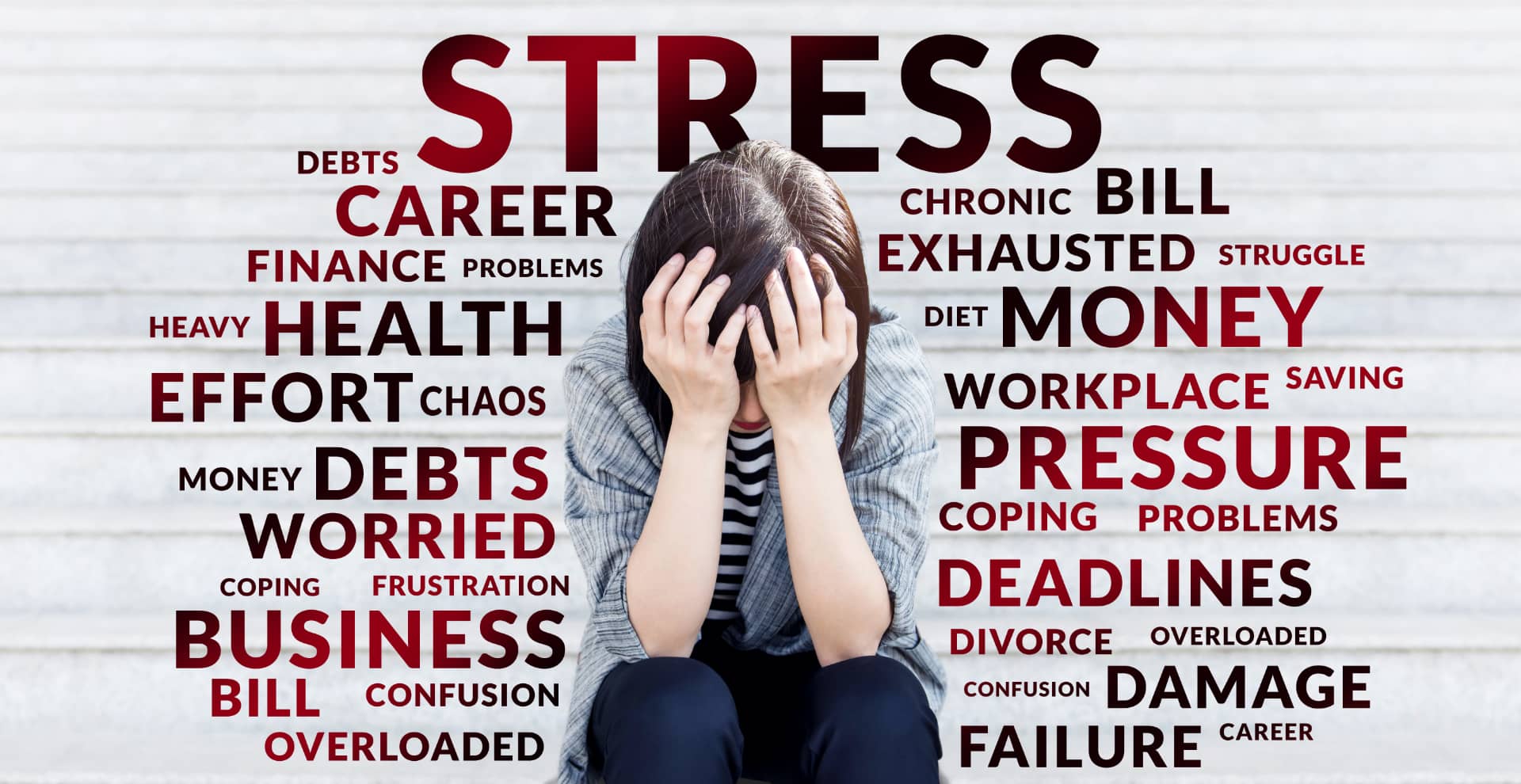
    There may be an even greater risk to your heart’s health than high blood pressure, high LDL cholesterol, smoking, diabetes, obesity and physical inactivity. Chronic psychological stress may be more dangerous to heart health than each of these traditional cardiac risk factors.
     
    A recent study, published in JAMA, found that mental stress took a significantly greater toll on the hearts and lives of heart patients than did physical stress. The patients were more likely to suffer a non-fatal heart attack or die of cardiovascular disease in the years that followed.
     
    A previous study of patients from 52 countries found that those who experienced a high level of psychological stress during the year before they entered the study were more than twice as likely to suffer a heart attack during an average follow-up of five years, even when traditional risk factors were taken into account.
     
    The study, known as Interheart, showed that psychological stress is an independent risk factor for heart attacks, similar in heart-damaging effects to the more commonly measured cardiovascular risks.
     
    Stress is a profound, yet underrated, factor in the development of cardiovascular disease (CVD). Stress, itself, exacerbates cholesterol levels, raises blood pressure and heart rate, and often creates the kind of pressure that prevents a person from engaging in adequate self-care activities.
     
    Science has shown that an unrelenting barrage of stress hormones can break down the body, leading to obesity, disease, depression and more. Stress hormones have a profound effect on the brain. They actually change the brain, alter behavior and impact mental health. There’s growing evidence indicating that depressive illness and hostility are both associated with cardiovascular disease (CVD) and other systemic disorders.
     
    Ultimately, stress affects us in every way — body, mind, emotions and behavior. Here’s how:
     
    Stress can negatively affect the immune system, skin, hormones, bones, brain, heart, gut and muscles.
     
    The effects of stress in the body can manifest in many ways: headaches, frequent infections, tight muscles, muscle twitches, fatigue, skin irritations and poor breathing, for example.
     
    Stress can also affect our minds in the form of: worrying, impaired judgement, nightmares, indecision, negativity and hasty decisions, for example.
     
    Stress affect our emotions in the the following ways: loss of confidence, irritability, depression, apathy, alienation and apprehension, for example.
     
    Stress can also affect our behavior in the following ways: insomnia, restlessness, drinking more, smoking more, loss of appetite and loss of sex drive, for example.
     
    Stress affects our nervous system and raises cortisol levels, which can affect metabolism, blood pressure, heart rate and the immune system. Continually high cortisol levels result in weight gain, digestive problems, heart disease and a suppressed immune system.
     
    The immune system is designed to ward off these problems. However, the stress hormone cortisol is known to interfere with immune functioning. So, it’s important to find healthy ways to mitigate and manage your stress.
     
    It should be noted that not all stress is bad, however. Good stress allows us to respond to an immediate challenge with a burst of energy that focuses the mind. And transient stress is a response to daily frustrations that resolve quickly. The problem is chronic stress, which results from a toxic, unrelenting barrage of challenges that eventually breaks down the body.
     
    What can you do to mitigate the effects of chronic stress and/or anxiety?
     
    Regular physical exercise can help to tamp down stress and the body-wide inflammation it can cause. Research shows that exercise lowers anxiety levels, and it does it rather quickly — in about 10 minutes. Exercise is a great way to bring wellness to your brain. A single workout increases neurotransmitters like dopamine, serotonin and noradrenaline, and these mood boosters can also improve your memory and focus for up to three hours afterwards. So, exercise helps your mental health, as well as your cognition.
     
    A healthy, balanced diet can also help to relieve stress. What you put into your body affects you, for better or worse, in myriad ways. Sugar and processed foods can lead to inflammation throughout the body and brain, which may contribute to mood disorders, including anxiety and depression. Yet, when we’re feeling stressed or depressed, it’s often processed foods that we reach for as a means of coping. This just creates a feedback loop. 
     
    Adequate nightly sleep is also a stress reliever. On the other hand, poor sleep increases stress and promotes arterial inflammation. For this reason, developing good sleep habits can also reduce the risk of cardiovascular damage. Adopt a consistent pattern of bedtime and awakening, and avoid exposure at bedtime to screens that emit blue light, like smartphones and computers, or use blue-light filters for such devices.
     
    Maintaining a healthy social support network is also a critical means of stress management. Loneliness and isolation have been scientifically proven to be really bad for our health.
     
    Relaxation techniques, such as meditation, can result in a rebalancing of your hormone levels, including: increased serotonin (happiness hormone), increased endorphins (pain relief hormone), increased melatonin (sleep hormone), decreased adrenaline (action hormone), and deceased norepinephrine (fight or fight hormone), as well as the enhancement of your immune system. Simply put, meditation helps people reduce stress and build resilience.
     
    Controlled breathing has also been shown to reduce stress, increase alertness, and boost your immune system. Yogis have for ages long used breath control, or pranayama, to promote concentration and improve vitality.
     
    Studies have found that breathing practices can help reduce symptoms associated with anxiety, insomnia, post-traumatic stress disorder, depression and attention deficit disorder.
     
    Consciously slowing your breath can turn on the parasympathetic nervous system, which can slow heart rate and promote feelings of calm and relaxation.
     
    A 2011 review article in Health Science Journal identified some of the potential health benefits of deep breathing techniques, particularly for deep breathing from the diaphragm. These include:
     
    • Reduced anxiety
    • Better stress management
    • Reduced hypertension
    • Decreased fatigue
    • Improved migraine symptoms
    • Reduced aggressive behavior in adolescent males
    • Reduced symptoms of asthma in children and adolescents
     
    Ultimately, techniques such as meditation and controlled breathing activate the parasympathetic nervous system, which calms the brain and body. These techniques can help you become calmer, while relieving anxiety and stress, which can lead to healthier physical, mental and emotional outcomes.
     
    We will never eliminate all stress from our lives, but we can seek to reduce it, better tolerate it, and recover from it. Whatever you do, find ways to lessen and manage your stress. It can have a significant impact on your health.
     
    Although stress is a part of life, doing the following things can help you manage your stress:
     
    • Recognize your stress
    • Take time for yourself
    • Practice deep breathing
    • Meditate
    • Exercise
    • Put Joy and laughter into your life
    • Eat healthy, nutritious foods
    • Avoid putting anything unhealthy in your body
    • Have good sleep habits
  • Sleep Is Vital to Good Health, Yet Many of Us Aren’t Getting Enough

    Sleep Is Vital to Good Health, Yet Many of Us Aren’t Getting Enough

    One-third of U.S. adults are struggling to get a good night’s rest, according to a jointly conducted web survey by Gallup and mattress retailer Casper. This suggests that nearly 84 million Americans are not getting adequate sleep.
     
    Moreover, 65% said they were unable to get the recommended seven to nine hours of sleep a night.
     
    This sleep deficit has negative health consequences. Research confirms that not getting the recommended 7-9 hours of sleep per night, or getting poor quality sleep, increases risks for high blood pressure, elevated cholesterol and atherosclerosis, which happens when fatty deposits build up in arteries. Not getting enough sleep is linked to weight gain, diabetes and inflammation, all of which can worsen cardiovascular disease.
     
    The survey of more than 3,000 adults indicated that stress is a major factor in this epidemic of sleepless. If the word epidemic sounds hyperbolic, that’s exactly how the CDC describes it.
     
    Two years of the coronavirus pandemic drove stress levels to extraordinary levels and even as that now begins to wane, new stressors seem to have supplanted it. An American Psychological Association study recently found that Americans are feeling more anxious about inflation, global uncertainty, and the war in Ukraine.
     
    Our emotional and mental states are major contributing factors to how easily we fall asleep and whether we stay asleep all night.
     
    There are strategies you can utilize to help improve your sleep. For example, 30 minutes of daily exercise improves your odds of a great night’s sleep by 30%. That’s because exercise helps work off stress and anxiety. Moving your body and raising your heart rate help ensure a better night’s sleep.
     
    Creating some form of ambient white noise, such as with a fan or noise machine that creates nature sounds, can also be calming, soothing and sleep inducing.
     
    Healthy nutrition, meditation and/or breathing exercises can also be quite helpful. For example, you can count your in-breaths or out-breaths from one to 10. You can then count them backwards from 10 to one. If your mind wanders, bring your attention back to your breathing and start counting from one again. Focused breathing is relaxing in and of itself, but it can also help stop the mind from wandering. If you practice while lying in bed, eventually you’ll fall asleep while counting your breaths.
     
    Another useful strategy is to have a specific bedtime routine that you follow every night. Varying bedtimes and wake times put your body’s internal clock, the circadian clock, out of cycle. Going to bed and getting up at the same time every day, even on weekends, prevents this disruption. Changes in your sleep schedule thwart a natural sleep pattern, which throws off your circadian cycle.
     
    A regular bed time is critical for your health and wellness, as is a regular waking time. Additionally, sleeping too long can affect your ability to fall asleep that night. After a good night’s sleep, most people need to be awake around 16 hours before they feel sleepy again.
     
    Going to sleep between 10:00 pm and 11:00 pm is associated with a lower risk of developing heart disease compared to earlier or later bedtimes, according to a new study by the European Society of Cardiology. Early or late bedtimes may be more likely to disrupt the body’s circadian clock, with adverse consequences for cardiovascular health, according to the study’s authors.
     
    The incidence of cardiovascular disease was highest in those with sleep times at midnight or later (25% higher risk) and lowest in those with sleep onset from 10:00 to 10:59 pm. There was a 24% higher risk for falling asleep before 10:00 pm.
     
    When it gets dark, your brain ramps up its production of melatonin, a hormone that regulates your sleep-wake cycle. Essentially, melatonin helps you fall asleep — and stay asleep. On the other hand, light signals your brain to stop making melatonin, which helps you wake up and feel alert in the morning.
     
    Too much light just before bedtime, especially the blue light from electronic devices, can also disrupt our internal clocks. The brain’s nighttime surge of melatonin is known as melatonin onset. This naturally occurs as the sun sets and your environment literally starts to dim.
     
    However, modern humans no longer live by the sun’s daily cycle. We now have the ability to artificially keep our home environments bright at night. All that light signals to your body that it’s still daytime, which definitely doesn’t help you fall asleep. For this reason, it’s best to turn off screens and other intense lights a half-hour or so before bedtime. Reading by a dim light just before bed is a great way to ready the brain and induce sleep.
     
    Eliminating light in your bedroom is also a key requisite to a good night’s sleep. Even small sources of light, such as from your alarm clock or smoke detector can be disruptive, according to sleep research. There are tiny receptor cells in your retina that look for light intensity. Sleeping in a pitch-black environment helps ensure that those retinal receptors don’t find any light — until you’re ready to wake up in the morning.
     
    However, totally blacking out your room, such as with blackout curtains, in order to create a perfect sleep chamber may not be realistic for you. Yet, most of us can wear a sleep mask.
     
    Wearing a sleep mask could actually benefit your health. A small study at Northwestern University found that participants who slept in a dimly lit room had a continuously elevated heart rate. And in the morning, they also had more trouble getting their blood sugar into a normal range, a condition known as insulin resistance.
     
    These physiological changes happened even though their actual sleep wasn’t really disturbed. In fact, the participants generally said they slept fine. Yet, their brains and hearts knew that the lights were on, even though these people were sleeping. Even a relatively small amount of light was enough to shift their nervous systems into a more alert and activated state. The study provides evidence that sleeping with even relatively dim light exposure can be disruptive to our sleep-wake cycle.
     
    The resulting risk of chronic diseases like insulin resistance, diabetes, other cardio-metabolic problems is real. One five-year observational study of more than 40,000 women found that having a light or TV on while sleeping was associated with an increased risk of gaining more than 10 pounds.
     
    Furthermore, research shows that a lack of sleep can:
     
    • Affect cognition, decreasing focus and work productivity
    • Sap your energy and desire to work out
    • Elevate appetite and food cravings
    • Lead to more impulsive decisions, impacting food choices
    • Boost irritability, straining relationships
    • Increase stress levels (which makes sleep more difficult)
     
    In summation, for all these reasons, it’s best to:
     
    • Exercise daily, even if it’s just a walk
    • Create a cool, dark bedroom environment that’s conducive to sleep
    • Prepare for sleep by dimming lights and not using blue-light emitting devices 30 minutes before bed
    • Stop watching news or other distressing content before bed
    • Use breathing exercises when you’re having trouble sleeping
    • Keep specific bed and wake times
    • Wear a sleep mask
     
    Follow these tips, and you’ll enjoy a continually better night’s rest and, ultimately, a better quality of life.
  • Here’s Why, Perhaps, You Should Be Supplementing With Vitamin D

    Here’s Why, Perhaps, You Should Be Supplementing With Vitamin D

    Vitamin D is a fat-soluble vitamin that serves a number critical functions in the body. However, there’s a good chance you’re not getting enough of it.

    Vitamin D plays an important role in immune function. Not only does vitamin D enhance our immune systems, it also prevents our immune systems from becoming dangerously overactive. An overactive immune system leads to many autoimmune disorders in which your body can’t tell the difference between your healthy, normal cells and invaders.

    Additionally, a new study by researchers at University of South Australia finds that people with vitamin D deficiency are more likely to suffer from heart disease and higher blood pressure than those with normal levels of vitamin D. For study participants with the lowest concentrations of vitamin D, the risk of heart disease was more than double that seen for those with sufficient concentrations.

    Vitamin D is also very important for people with joint pain, and research shows that people with low levels of vitamin D may indeed suffer more joint pain. In fact, vitamin D deficiency can cause subtle widespread pain that may be misdiagnosed as fibromyalgia and/or chronic fatigue syndrome, including symptoms like muscle and bone aching, fatigue and weakness, a lower pain threshold, and more acute soreness after exercise that is slower to resolve.

    Though vitamin D is important for everyone, it is particularly vital for those who exercise vigorously and regularly. Vitamin D dramatically reduces muscle fatigue and studies show it decreases muscle recovery time by 20%. It can also reduce inflammation and increase muscle protein.

    High levels of vitamin D in the blood are also linked with better fitness, according to research from the Virginia Commonwealth University School of Medicine. In the study, published in the European Journal of Preventive Cardiology, 20- to 49-year-olds with better vitamin D status also tended to have greater cardiorespiratory fitness, a measure of aerobic fitness often determined by measuring maximal oxygen consumption (VO2max) during exertion.

    Lastly, vitamin D and calcium work together to protect your bones; calcium helps build and maintain bones, while vitamin D helps your body effectively absorb calcium. So even if you’re taking in enough calcium, it could be going to waste if you’re deficient in vitamin D. Ultimately, vitamin D is necessary for strong bones and it reduces the risk of fractures. If you don’t get enough vitamin D, you’re more likely to break bones as you age.

    Though your body needs vitamin D to absorb calcium, you don’t need to take vitamin D at the same time as a calcium supplement.

    But don’t forget magnesium! Vitamin D can’t be metabolized without sufficient magnesium levels, meaning vitamin D remains stored and inactive for as many as 50 percent of Americans. In addition, vitamin D supplements can increase a person’s calcium and phosphate levels even while that person remains vitamin D deficient.

    Vitamin D deficiency is more common than once suspected. Nearly 1 in 4 people in the US have vitamin D blood levels that are too low or inadequate for bone and overall health, according to the National Institutes for Health.

    The daily recommended amount of vitamin D for adults is 600 IU, but the upper limit is 4,000 IU. Some studies suggest that a higher daily intake of 1000–4000 IU is needed to maintain optimal blood levels. Going above 4000 IU may be toxic and should only be done under the supervision of a doctor or Registered Dietician.

    There are two major types of vitamin D:

    • Vitamin D2 (ergocalciferol) – which is synthesized by plants and is not produced by the human body

    • Vitamin D3 (cholecalciferol) – which is made in large quantities in the skin when sunlight strikes bare skin. It can also be ingested from animal sources

    Evidence suggests that vitamin D3 is approximately three times more effective at maintaining serum concentrations because the binding protein has a higher affinity to vitamin D3 than vitamin D2. This allows vitamin D3 to reside in the circulatory system longer and increase the concentration to sufficient levels more quickly.

    Most over-the-counter vitamin/multivitamin preparations use vitamin D3.

    Since vitamin D is fat-soluble, it is better to choose oil-based supplements or take it with food that contains some fat.

    Good dietary sources include fatty fish, fish oils, egg yolk, butter and liver. All of these contain fat.

    Vitamin D is special: It’s the only vitamin that we can make ourselves—our bodies create vitamin D in the form of a hormone when we process sunlight. When your skin is exposed to sunlight, it makes vitamin D from cholesterol. That’s why getting enough sunlight is very important for maintaining optimal vitamin D levels.

    Factors that impact the ability of the body to synthesize vitamin D through the skin include: time of year, time of day, the presence of clouds and/or smog, skin melanin content, the application of sunscreen, and geographic latitude. For example, residents at 42° N latitude or higher are unable to synthesize vitamin D via the skin during the winter months (from November through February).

    Assuming your diet is decent, if there’s only one supplement you should take for your health, it’s probably vitamin D.

  • Sugar: The Biggest Dietary Threat to Your Health

    Sugar: The Biggest Dietary Threat to Your Health

    For decades, Americans were warned to reduce their fat and cholesterol intake in order to prevent heart disease, the nation’s No. 1 killer of both men and women. However, it is now known that sugar is the greater threat to our national health.
     
    The link between sugar and heart disease was purposefully obscured for decades. In 1964, after studies began linking sugar with heart disease, the Sugar Association (a sugar industry trade group) began funding research that cast doubt on sugar’s role in heart disease, in part by pointing the finger at fat.
     
    First, we should note the difference between naturally occurring sugar and added sugar, which is the real threat.
     
    Sugar occurs naturally in all foods that contain carbohydrates, such as fruits and vegetables, grains and dairy. Consuming whole foods that contain naturally occurring sugar is okay. Plant foods also have high amounts of fiber, essential vitamins, minerals and antioxidants, and dairy foods contain protein and calcium.
     
    Since your body digests these foods slowly, the sugar in them offers a steady supply of energy to your cells. A high intake of fruits, vegetables, and whole grains also has been shown to reduce the risk of chronic diseases, such as diabetes, heart disease, and some cancers.
     
    However, problems occur when you consume too much added sugar — that is, the sugar food manufacturers add to their products to increase flavor and/or extend shelf life. The added sugar in our food is generally regular table sugar (sucrose) and high-fructose corn syrup (a mix of fructose and glucose).
     
    Remarkably, sugar is the most popular ingredient added to foods in the US. In fact, about 80% of all sugar found in US foods has been added by the food industry. The top sources of sugar in the American diet are soft drinks, fruit drinks, flavored yogurts, cereals, cookies, cakes, candy, and other processed foods. 
     
    Yet, added sugar is also present in items you may not think of as sweetened, such as soups, cured meats, and ketchup. Yes, sugar isn’t merely found in sweets; it’s also added to many other processed foods, such as crackers, breads, peanut butter, and salad dressings. In fact, most processed foods contain sugar.
     
    While you might not think you’re eating much sugar, chances are you’re eating a lot more than you realize. Added sugar lurks in nearly 70% of packaged foods and is found in many sauces, snacks, most breakfast foods, and even many so-called ‘health foods’.
     
    The result: we consume way too much added sugar.
     
    Today, the average American consumes 66 pounds of added sugar each year, according to government data. That’s more than one pound of sugar each week!
     
    This is of great concern since too much added sugar is among the greatest threats to cardiovascular disease. Eating and drinking too many added sugars can also contribute to other health problems, such as type-2 diabetes and obesity. 
     
    “Sugar is actually more addictive than even cocaine, so it is probably the most consumed addictive substance around the world and it is wreaking havoc on our health,” says cardiovascular researcher James DiNicolantonio.
     
    Sugar’s impact on heart health has long been researched by Dr. Frank Hu, professor of nutrition at the Harvard T.H. Chan School of Public Health.
     
    In a study published in 2014 in JAMA Internal Medicine, Dr. Hu and his colleagues found an association between a high-sugar diet and a greater risk of dying from heart disease. Over the course of the 15-year study, people who got 17% to 21% of their calories from added sugar had a 38% higher risk of dying from cardiovascular disease compared with those who consumed 8% of their calories as added sugar.
     
    “Basically, the higher the intake of added sugar, the higher the risk for heart disease,” says Dr. Hu.
     
    High amounts of sugar overload the liver, potentially leading to fatty liver disease, a contributor to diabetes, which also raises your risk for heart disease.
     
    Consuming too much added sugar can also raise blood pressure and increase chronic inflammation, both of which are pathological pathways to heart disease.
     
    “The effects of added sugar intake — higher blood pressure, inflammation, weight gain, diabetes, and fatty liver disease — are all linked to an increased risk for heart attack and stroke,” says Dr. Hu.
     
    Diabetes has reached epidemic proportions in the US. It kills more Americans each year than AIDS and breast cancer combined, according to the American Diabetes Association.
     
    More than 100 million US adults are now living with diabetes or pre-diabetes, according to a 2017 CDC report. Pre-diabetes is a condition that, if not treated, often leads to type-2 diabetes within five years. Despite the fact that more than a third of US adults have pre-diabetes, the majority don’t know it, says the CDC.
     
    Even a relatively small amount of sugar can do a lot of damage to your health. People who add 150 calories of sugar to their daily diet — from sources such as a 12-ounce can of Coke or an ounce of M&Ms — have 10 times greater risk of developing diabetes.
     
    Additionally, people who consume a diet high in fructose risk damaging their immune systems, a new study suggests. The study shows that fructose, which is commonly found in sugary drinks, sweets and processed foods, causes the immune system to become inflamed.
     
    Furthermore, researchers say that consuming too much added sugar (as well as artificial sweetener, fast foods, fried foods, processed foods, and alcohol) can harm your gut microbiome.
     
    The American Heart Association (AHA) has long suggested that men consume no more than nine teaspoons (36 grams) of added sugar per day. That’s close to the amount in a 12-ounce can of soda. Women are advised to limit added sugars to no more than six teaspoons a day (24 grams).
     
    However, the average American still eats about 17 teaspoons (19 for men, 15 for women) of added sugar a day, according to the CDC. That’s about double the recommended limit for men (nine teaspoons) and two-and-a-half times the limit for women (six teaspoons). This doesn’t include the sugars that occur naturally in foods like fruit or dairy products.
     
    In other words, American adults consume an average of 77 grams of added sugar per day. Again, that’s more than two times the recommended amount for men and two-and-a-half times the recommended amount for women. 
     
    Recognizing the problem, the AHA now recommends that sugar intake be limited to less than 6% of daily calories, and the Dietary Guidelines Advisory Committee agrees.
     
    Yet, roughly 90% of Americans still get more than 10% of daily calories from sugar, and the top 10% of sugar-consumers ingest a whopping 40% of their calories from sugar!
     
    Beverages are the leading source of added sugars, accounting for 47% of the total. Examples of sugary beverages include regular soda, fruit drinks, sports drinks, energy drinks, sweetened waters, and coffee and tea beverages with added sugars.
     
    The US ranks third in the world in sales of sugary drinks. In 2013, the average American drank just over 38 gallons of soda a year — or about eight 12-ounce cans a week. 
     
    Reading food labels is one of the best ways to monitor your intake of added sugar. Total sugar, which includes added sugar, is often listed in grams. Note the number of grams of sugar per serving as well as the total number of servings. The package might only say 5 grams of sugar per serving, but if the normal amount is three or four servings, you can easily consume 20 grams of sugar. That’s a lot of added sugar.
     
    By simply being more aware, you can substantially reduce the amount of added sugar in your diet. It would certainly be worth your while.
  • What Is Your Heart Rate Monitor Really Telling You?

    What Is Your Heart Rate Monitor Really Telling You?

    Wrist-based heart-rate monitors are all the rage the days; many of my clients wear them to the gym each day. Yet, aside from the fact that these wrist-based heart-rate monitors are less accurate than the chest-strap versions, especially as you work harder (some models can be off by several beats per minute according to new research), they don’t offer users any perspective.
     
    What does it truly mean if your heart rate is 135, 145 or 155 beats per minute? Unless you know your maximum heart rate (MHR) and what percentage of it you’re working at, that info is useless.
     
    The well-known calculation of 220 minus your age to calculate MHR has long been known to be quite inaccurate. Yet, unfortunately, it remains a common standard for maximum heart rate calculations. For example, a 40-year-old person would subtract 40 from 220, indicating a maximum heart rate of 180 beats per minute.
     
    Known as the Fox formula, this classic maximum heart rate calculation was developed for untrained healthy adult males, though it was also considered valid for untrained healthy adult females and children.
     
    The Fox formula originated in the late 1960s, when William Haskell, an exercise physiologist who is now at Stanford University, and Sam Fox, a cardiologist, came up with a formula to determine the maximum heart rates of people who were having treadmill stress tests for heart disease.
     
    However, it was not really a scientific effort. Rather, it was a suggestion, based on a decidedly non-random and small sample of people. When Haskell and Fox proposed the formula, they never intended to give an absolute number for athletes or people who are used to exercising vigorously.
     
    Yet, it’s now recognized that that an individual’s maximum heart rate can vary widely from what that formula predicts — by as many as 30 beats per minute higher or lower.
     
    In essence, the Fox formula is as likely to be wrong as it is to be right. In fact, this formula’s reliability is 0.51. In other words, it’s reliable about half the time.
     
    The Tanaka formula for maximum heart rate is more accurate. It was developed based on studies of thousands of test subjects, can be used for all age and gender groups, and is considered to be more reliable than the Fox formula.
     
    • Fox: Maximum Heart Rate (beats/minute) = 220 minus Age
    • Tanaka: Maximum Heart Rate (beats/minute) = 208 minus (0.7 x Age)
     
    Using the Tanaka formula, a 40-year-old person would multiply 40 by 0.7, which equals 28. Then they would subtract 28 from 208, indicting a maximum heart rate of 180 beats per minute. You may remember that this is the same figure determined by the Fox formula. However, this is a coincidence, not the norm.
     
    For example:
     
    50-year-old
     
    • Fox formula: maximum heart rate = 170 (220 minus 50)
    • Tanaka formula: maximum heart rate = 173 (208 minus 35)
     
    30-year-old
     
    • Fox formula: maximum heart rate = 190 (220 minus 30)
    • Tanaka formula: maximum heart rate = 187 (208 minus 21)
     
    Ok, so now you can calculate your maximum heart rate. What does that mean? How does that help you?
     
    Reaching your MHR doesn’t mean your heart will explode! And it doesn’t guarantee a heart attack either. People train at this level for brief periods during their workouts every day, and they do it again and again and again.
     
    Most well-trained, fit people can maintain their maximum heart rate for just 1-2 minutes. Yet, world-class athletes may sustain their MHR for 3-4 minutes. On the other hand, a person who is quite out of shape may only be able to sustain their maximum heart rate for about 10 seconds or so.
     
    Yet, the ability to sustain MHR is just one measure of your fitness. How quickly your heart is able to recover from high-intensity exercise, during periods of lower heart-rate work or rest, matters a lot. The ability to recover (lower) your heart rate quickly is also an important measure of fitness.
     
    Familiarity and experience with exercise matters. Someone who works out regularly may be very accustomed to briefly pushing their heart rate to 85, 90 or even 100 percent. Yet, someone who is sedentary may find that pushing their heart rate to 70 percent is excruciating and scary. It’s all about perspective.
     
    It’s important to recognize that you can’t improve or increase your maximum heart rate with exercise. MHR is determined by genetics and age; as we get older, our MHR declines. Furthermore, not every 30-year-old will have the exact same maximum heart rate, nor will all 40-year-olds or 50-year-olds, etc. The calculation is an approximation, not a scientific assurance.
     
    What’s important is not what your maximum heart rate is, but what heart rate you can sustain for an extended period. Someone with a MHR of 190 isn’t necessarily more fit than someone with a MHR of 180. Person A, with the 190 MHR, may only be able to sustain 70 percent of that. Meanwhile, Person B, with the 180 MHR, may be able to sustain 85 percent of that. Person B is more fit, which is what matters — not an age-determined MHR.
     
    It’s important to remember that your heart rate has variability when you’re exerting yourself, such as when you’re working out. Most exercisers can’t simply pin their heart rate at 70, 80 or 90 percent of MHR. That’s because heart rate fluctuates throughout exercise. Your heart rate may rise quickly at the onset of a workout, then level out at a lower number. As you continue to workout, it may, over time, begin to climb again. And the harder you work, the more your heart rate may continue to rise throughout the workout.
     
    This is why you should pick a target heart-rate zone for your workouts, so that it doesn’t go to low or too high.
     
    The target heart rate during moderate intensity activities is about 50-70% of maximum heart rate, while during vigorous physical activity it’s about 70-85% of maximum, according to the American Heart Association.
     
    Of course, you can push your heart rate higher for brief periods and then allow it to recover. This is the essence of high-intensity interval training (HIIT), which is used not only by athletes but also by older folks and those with chronic conditions, such as diabetes or heart disease.
     
    Lastly, another important determinant of fitness is resting heart rate. The average resting heart rate is usually between 60 and 80 beats per minute, though it can even be as high as 100 bpm. Yet, some athletes have resting heart rates as low as 30 to 40 bpm. So, exercise can indeed lower resting heart rate, and this is important because every heart has a pre-determined number of beats from birth. The slower we get there, the better!
     
    In 2013, a team of Danish researchers published16 years of work on just under 5,200 men in the journal BMJ Heart. The researchers determined that higher resting heart rates correlated with a greater chance of dying.
     
    Those participants who ranged between 71 to 80 beats per minute had a 51 percent greater chance of dying prematurely than those with a resting rate of under 50 beats. At 81 to 90 beats per minute, that risk was double. And over 90, it tripled.
     
    So, there’s a lot more to the heart-rate story than just the number flashing on your watch.
     
    In conclusion, if you’re using a heart rate monitor while working out, it’s important to calculate your maximum heart rate, and to know your target heart-rate zone, as well as your resting heart rate. Once you know all of these things, then you’ll have some context for that heart rate number popping up on your watch.
  • Walking Has Many Benefits, Even for Runners

    Walking Has Many Benefits, Even for Runners


    While running is more physically demanding than walking, the latter is still a good form of exercise and a great recovery tool for runners. Running the same speed and distance each day can lead to plateauing. Walking, which is lower impact, can allow your body to recover and enable better results over the long term.
     
    Running will lead to greater cardiorespiratory fitness than walking, as well as more calories burned in an equal period of time. However, walking is a better alternative for people with ankle, knee or back injuries (including recent surgeries), as well as for people who are obese. Walking puts less stress on joints and can reduce the pains associated with running.
     
    Like running, walking can improve heart health, improve circulation and improve posture. Walking can also help reduce the risk for high blood pressure, high cholesterol, diabetes, heart disease and even cancer.
     
    The key is to walk with a sense of purpose by engaging in at least moderate-intensity walking. Walking can even be a form of interval training. By repeatedly raising and lowering your speed and (if you are on a treadmill) the incline, you can also raise and lower your heart rate intermittently, which is a great calorie burner. You can even intersperse short runs, of say a block or two or a minute or two, into your walks. 
     
    Walking uphill or on an incline places more demand on the body, particularly the leg muscles. You’ll notice it in your heart rate, as well. The higher you set the incline on the treadmill, the more you activate your glutes, quadriceps and calves, and the more energy you use. That means more calories burned.
     
    One common mistake that people make when using a treadmill is holding onto the handrails. This takes away from muscle engagement and the energy required to walk or run at the level you set. Remember, there are no handrails when you walk outside and you manage that quite well!
     
    Like running, walking can clear your mind, improve mood,nd alleviate anxiety and depression.
     
    So, put on some comfy athletic shoes, get hydrated and get in motion.
  • Exercise Can Strengthen and Protect Your Arteries

    Exercise Can Strengthen and Protect Your Arteries


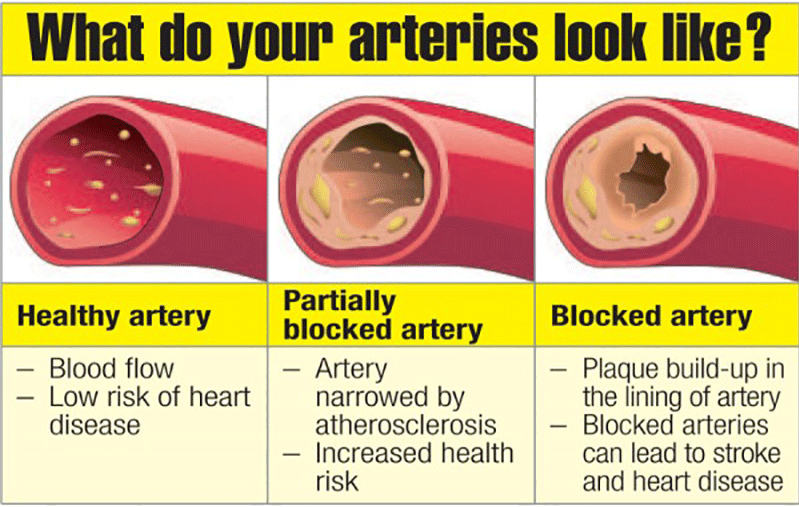
    Through time and neglect (such as smoking and not exercising, for example), your arteries can become clogged, brittle and otherwise damaged. Healthy arteries are flexible and elastic, which help them to push blood to and from the heart. However, over time, the walls in your arteries can become rigid and inflexible, which is known as hardening of the arteries.
     
    Arteriosclerosis occurs when arteries become thick and stiff, which can restrict blood flow to your organs and tissues.
     
    Atherosclerosis refers to the buildup of plaques — such as fats, cholesterol, calcium and other substances in and on your artery walls — which can also restrict blood flow. These plaques can trigger blood clots. Consequently, atherosclerosis can lead to serious problems, including heart attack, stroke, or even death.
     
    Atherosclerosis may start with damage or injury inside an artery, which can be caused by high blood pressure, high cholesterol, high triglycerides, diabetes and smoking. Blood cells and plaques can lump together at the injury site, building up inside the artery. This causes the arteries to harden and narrow, restricting blood flow.
     
    The good news is that atherosclerosis is treatable and may even be preventable. Exercise, a healthy diet and weight management can all treat atherosclerosis and help prevent it. Of course, exercise is known to aid weight loss, but it has numerous additional benefits for the heart and arteries, as well.
     
    As you age, your arteries become stiffer, stickier and narrower. But scientists in Italy found that in people who exercised regularly, age had a much smaller effect on their arteries.
     
    Exercise keeps arteries healthy by lowering bad cholesterol and boosting good cholesterol. Regular low or moderate-intensity exercise can reduce levels of LDL (bad) cholesterol and fat in your blood and arteries. More intense levels of exercise can raise HDL (good) cholesterol, which protects your heart.
     
    Exercise also reduces other risk factors for atherosclerosis and blood clots, such as high blood pressure, diabetes, obesity and stress.
     
    Additionally, exercise has been shown to reduce inflammation in the arteries and to help keep blood vessels flexible and open. Flexible arteries are elastic and able to stretch, allowing more blood to flow when it’s needed.
     
    This enables your body to maintain its blood pressure level at normal levels, even during exercise or stressful events, which eases the pressure on your cardiovascular system.
     
    The American Heart Association and the Centers for Disease Control and Prevention recommend at least 30 minutes of moderately intense exercise almost every day to make sure that your body remains healthy.
     
    Find exercises that you enjoy and then commit to a long term, regular program. Whatever you do, just get in motion and stay in motion.
  • Regular Exercise Can Help Insulin Resistance and Type 2 Diabetes

    Regular Exercise Can Help Insulin Resistance and Type 2 Diabetes

    According to the American Diabetes Association (ADA), diabetes is a growing epidemic. The prevalence of diagnosed diabetes in the U.S. increased by 382% from 1988 to 2014.

    The organization says urgent action is needed because, as of 2015, more than 30 million American children and adults now have diabetes, and another 84 million Americans are at high risk of developing the disease (pre-diabetic).
     
    Each year, an additional 1.5 million Americans are diagnosed with diabetes and the expense is burdensome. As of 2012, the total annual diabetes-related costs had reached $245 billion.
     
    Since 1987, the death rate from diabetes has increased by 45% while the death rates from cancer, heart disease, and stroke have all declined. Diabetes kills more Americans every year than AIDS and breast cancer combined.
     
    Two out of every three people with diabetes will die from heart disease or stroke. If current trends continue, one-third of all children born in the United States (and half of all minority children) will face a future with diabetes.
     
    People who suffer from diabetes have a disorder in which their blood sugar (glucose) levels rise higher than normal. Insulin helps keeps your blood sugar level from getting too high (hyperglycemia) or too low (hypoglycemia).
     
    While those with Type 2 diabetes — the most common form of the disease — can produce insulin, they cannot use it properly. This is called insulin resistance. Over time, their pancreas isn’t able to make enough insulin to keep their blood glucose at normal levels.
     
    When glucose builds up in the blood instead of going into cells, the cells are unable to store energy. Glucose is the body’s primary, and most efficient, energy source. The long term problem for diabetics is that high blood glucose levels can harm the eyes, kidneys, nerves and even the heart.
     
    Some things can increase the chances for developing Type 2 diabetes, such as high blood pressure (even if it’s treated and under control), low HDL (“good”) cholesterol and high triglycerides (blood fats).
     
    The “Diabesity” epidemic (obesity and Type 2 diabetes) is likely to be the biggest epidemic in human history, according to a research paper titled, “Clinical Diabetes and Endocrinology,” which was published in 2017.
     
    This month, the Centers for Disease Control and Prevention found that almost 40 percent of American adults and nearly 20 percent of adolescents are obese — the highest rates ever recorded for the U.S. More than 70 percent of Americans are either overweight or obese, meaning that an unhealthy weight has become the norm.
     
    Being overweight or obese can cause insulin resistance, especially if you carry your extra pounds around the middle. Remarkably, more than 85% of people with Type 2 diabetes are overweight or obese, according to the CDC. Dropping just 7% to 10% of your weight can cut your risk of Type 2 diabetes in half.
     
    Exercise can help with weight loss/management and insulin resistance, as well as treating Type 2 diabetes. That’s because active muscles feed on glucose. During exercise, the active muscles use up glucose as a source of energy. So, regular physical activity helps to prevent glucose from building up in your blood.
     
    Consequently, regular exercise can help prevent or delay Type 2 diabetes from developing. Frequent physical activity improves your body’s sensitivity to insulin and helps manage your blood glucose levels.
     
    Exercise makes insulin more effective for those who are insulin resistant. In other words, insulin resistance goes down when you exercise, and your cells can use the glucose more effectively.
     
    Exercise can also help people with Type 2 diabetes avoid long-term complications, especially heart problems. People with diabetes are susceptible to developing blocked arteries (atherosclerosis), which can lead to a heart attack. Exercise helps keep your heart healthy and strong. Plus, exercise helps you maintain good cholesterol, which helps you avoid atherosclerosis.
     
    Research links resistance training with improved insulin sensitivity among people with diabetes and pre-diabetes. During a bout of resistance training, your muscles rapidly use glucose and this energy consumption continues even after you’ve finished exercising. For anyone at risk for metabolic conditions, such as Type 2 diabetes — as well as high blood pressure, unhealthy cholesterol levels and other symptoms of metabolic syndrome — strength training is among the most-effective remedies.
     
    To improve overall cardiovascular health, the American Heart Association, the Surgeon General and the CDC all suggest at least 150 minutes per week of moderate-intensity exercise, or 75 minutes a week of vigorous-intensity exercise, or an equivalent combination of both. The easiest way to think of it is 30 minutes per day, at least five days per week.
     
    The important thing is to find activities that you enjoy. Then get in motion and stay in motion.